If you’ve ever watched footage of large, unruly public events—from street protests that turn chaotic to crowd control during major sports matches or political rallies—you’ve probably seen people in bulky, protective gear moving through the crowd. These individuals aren’t action movie stunt performers; they’re frontline public safety officers relying on riot suits to do their jobs without putting themselves at unnecessary risk. As a riot suit supplier with years of working alongside law enforcement and public safety teams, I’ve spent a lot of time talking to the people who actually use this equipment, and it’s far more specialized and situation-specific than many people realize. Riot suits aren’t just one-size-fits-all heavy armor—they’re tailored to the unique threats different groups face, and that means the answer to “who uses riot suits?” is a lot broader and more nuanced than you might think.
First and most well-known are local law enforcement agencies, but not just the standard patrol officers you see on quiet neighborhood beats. The officers who use riot suits are usually part of dedicated units: emergency response teams, riot squads, or crowd management units. These are the officers trained to intervene when a peaceful demonstration escalates into violence, when crowds surge during a festival or city celebration, or when public order breaks down after a natural disaster. Their jobs often require them to separate hostile groups, protect bystanders, and make arrests without escalating tension further—tasks that demand protection against thrown objects, blunt force, chemical agents, and even edged weapons in some cases.
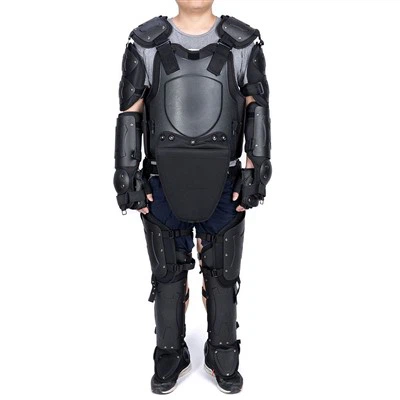
For local police, the right riot suit is non-negotiable, and not just for their safety. A suit that’s too heavy or restrictive can slow officers down when every second counts, so most departments work closely with suppliers to find gear that balances protection and mobility. For example, a standard Police Riot Suit needs to cover critical areas: torso, arms, legs, and head, while still allowing officers to run, climb, and use their radios or handcuffs without hassle. Many of these suits also include attached face shields, hand guards, and boot linings to prevent injury from glass, rocks, or projectiles. When a protest turns violent, every officer on the line is relying on their suit to keep them safe—so it’s not just a piece of equipment, it’s a key part of their ability to carry out their duty.
But law enforcement isn’t the only group that relies on riot suits. Correctional facilities around the world use similar gear for their emergency response teams, too. In high-security prisons, staff have to handle unruly inmates, put down riots in housing units, and transport detainees who may be violent or suicidal. The threats here are different from outdoor protests: inmates may use homemade weapons, sharpened objects, or try to assault staff in tight, confined spaces. That’s why many correctional teams opt for riot suits that are slightly more flexible than their police counterparts, so they can navigate narrow cellblocks without catching on door frames or concrete.
Then there are private security teams working in high-risk environments, such as concert venues that draw huge crowds, sports stadiums, or construction sites in volatile regions. At a major music festival with 100,000 attendees, for example, private security may need to manage unruly fans, stop fights, or intervene when a crowd surges toward a stage. In these settings, riot suits offer protection from thrown bottles, chairs, or other objects, and give security teams the confidence to intervene without fear of being injured. Many private security companies also invest in lighter, more affordable riot suits for temporary or on-call teams, since they may not need the same level of heavy protection that law enforcement requires for prolonged, high-intensity events.
Another, less obvious group that uses riot suits is military personnel deployed in crowd control roles in overseas settings. In areas with civil unrest or post-conflict stabilization efforts, military units may be called on to support local law enforcement or manage large civilian gatherings. The threats here can range from stone-throwing crowds to more violent confrontations, and military riot suits often integrate additional ballistic protection to guard against bullets or shrapnel in conflict zones. For these teams, riot suits are part of a larger set of equipment that also includes non-lethal weapons like tear gas dispensers or batons, and the suit’s design is built to withstand prolonged wear over long shifts in hot or humid climates.
When I work with clients across all these groups, I always emphasize that the best riot suit isn’t the most expensive one—it’s the one matched to the specific threats they face. A police officer dealing with a peaceful protest that’s turning rowdy in a temperate climate has different needs than a correctional officer handling a prison riot in a hot, crowded facility, or a military team deployed to a region with high levels of violence. That’s why many of my clients don’t just buy a single suit—they build out their gear with different components depending on the situation. For example, a client might start with a base suit and add a Multi Curved Ballistic Plate to the torso if they expect higher levels of violence, or swap out a heavy face shield for a lighter one when working in a crowd where visibility is key.
It’s important to note that not all riot suits are the same, and that’s why specific groups rely on specialized models. Local police departments, for instance, often prioritize lightweight, breathable suits that let officers work long hours in full gear without overheating. These suits typically use flexible, reinforced materials that resist cuts and punctures, and come with integrated padding that absorbs impact from thrown objects. Many also include built-in chemical resistance, to protect officers from tear gas or pepper spray that may be deployed during crowd control operations. You can see the range of options for police needs by checking out our Police Riot Suit page, where we outline different models for various climates and threat levels.
Correctional facilities, on the other hand, need suits that can hold up to repeated use in confined spaces, where suits may be scraped against concrete, rubbed against door handles, or stained by bodily fluids. These suits often have reinforced seams and extra padding on the elbows and knees, since staff are often on the ground breaking up fights or restraining violent individuals. Some correctional teams also opt for suits with detachable components, so they can replace parts that wear out over time, rather than buying an entirely new suit.
Private security teams, especially those working temporary events, often need suits that are easy to transport and quick to put on. Many of these suits come in compact bags, so security staff can carry them in their vehicles and put them on at a moment’s notice. They’re also usually more affordable than law enforcement or military-grade suits, since private security teams often have larger teams to equip and may not need the same level of heavy ballistic protection.
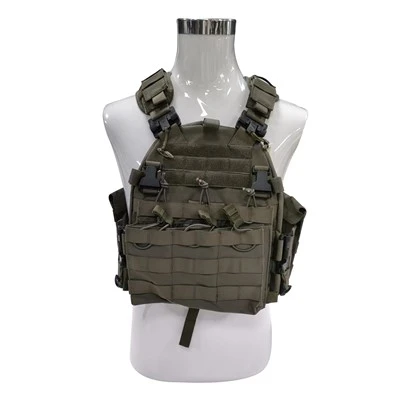
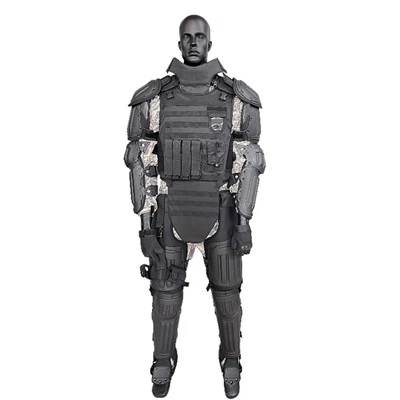
Military crowd control units have the most demanding needs, of course. Their riot suits often combine non-ballistic protective layers with additional ballistic inserts to guard against bullets or shrapnel. These suits are also designed to work with other military gear, like combat helmets or tactical vests, so they can be integrated into larger loadouts for deployment overseas. For these teams, comfort is also a key concern—they may wear their suits for 12-hour shifts in temperatures over 100 degrees Fahrenheit, so the material needs to be breathable and moisture-wicking to prevent heat exhaustion.
Beyond these core groups, there are also specialized teams that use riot suits for very specific tasks. For example, emergency medical technicians working in disaster zones may wear riot suits when responding to areas where public order has broken down, to protect themselves from thrown debris or confrontational individuals. Search and rescue teams operating in post-earthquake or post-conflict areas may also use riot suits to move through unstable areas where there’s a risk of falling debris or violent crowds.
What I’ve learned over the years as a riot suit supplier is that every person who uses this gear has a unique story. Last year, I worked with a police officer from a small department in the Midwest who told me that during a protest after a local election, an officer in his unit had a rock thrown at their head—their riot suit’s face shield cracked, but it stopped the rock from causing a serious injury. That officer still has that cracked shield as a reminder of how important the right gear is. Another client was a correctional officer who told me that his suit saved him when an inmate stabbed him with a homemade knife—the reinforced chest plate stopped the blade from piercing his skin, and he was able to disarm the inmate without serious injury. These aren’t just pieces of fabric and plastic—they’re tools that save lives every day.
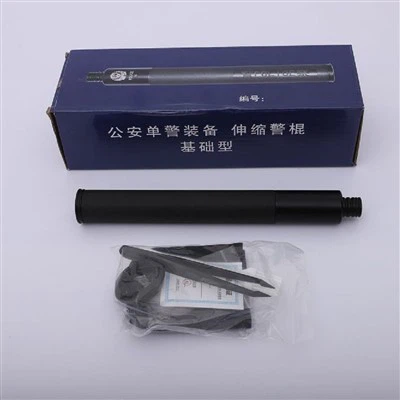
When choosing riot suit equipment, it’s also important to look beyond the suit itself. A single suit is only as good as the accessories that complement it. For example, Police Anti Riot Equipment often includes batons, pepper spray, and communication tools that work in tandem with the suit to keep officers safe and effective. Many of my clients build out their gear kits with accessories tailored to their specific needs, so they have everything they need for any situation. If you’re outfitting a team, it’s worth exploring the full range of options for police anti riot equipment to make sure you have a complete, coordinated setup.


Another key component for many teams is the armor that provides additional protection in high-risk situations. For officers expecting violent confrontations, a Multi Curved Ballistic Plate can add an extra layer of protection to the torso, stopping bullets or shrapnel that might penetrate the base suit. These plates are curved to fit the body, so they don’t restrict movement, which is critical for officers who need to run, climb, or make quick movements during a crowd control operation.
Correctional teams and military units also rely on Anti Riot Armor that covers additional areas, like the arms, legs, and groin, to protect against blunt force and edged weapons. Unlike bulky military armor, modern anti riot armor is designed to be flexible, so staff can move freely even when fully protected. It’s this balance of protection and mobility that makes riot suits so effective for everyone who uses them.
At the end of the day, the people who use riot suits are ordinary men and women who show up to work every day to keep others safe. They’re police officers answering calls during chaotic protests, correctional staff managing tense facilities, private security teams overseeing large events, and military personnel deployed to support civilian populations. None of them expect to need riot suits when they start their jobs, but when the situation calls for it, having the right gear can mean the difference between getting home safe at the end of the day and suffering a serious injury.
If you’re looking to outfit your team with riot suit equipment, whether you’re a local police department, correctional facility, private security company, or military unit, it’s important to work with a supplier who understands your specific needs. Every agency has unique challenges, and a one-size-fits-all approach will never work when lives are on the line. We’ve worked with teams across all these sectors for years, and we can help you find the right riot suit and accessories to keep your staff protected and effective. Whether you’re looking for a lightweight Police Riot Suit for crowd control or a full anti riot armor kit for high-risk operations, we have the expertise to guide you. Reach out to our team to discuss your requirements and start building a setup that fits your needs.
References:
- National Institute of Justice. (2020). Riot Control Equipment for Law Enforcement: Standards and Best Practices. U.S. Department of Justice.
- Correctional Emergency Response Association. (2021). Specialized Gear for High-Risk Prison Operations. Correctional Services Journal.
- United States Army. (2019). Crowd Control Equipment and Tactics for Overseas Deployments. Army Training and Doctrine Command.
- International Association of Venue Managers. (2022). Safety Protocols for Large-Scale Events: Riot Gear Guidelines. Venue Safety Magazine.
- World Health Organization. (2021). Public Safety Gear in Disaster Zones: Protecting First Responders in Unstable Environments. WHO Humanitarian Action Report.