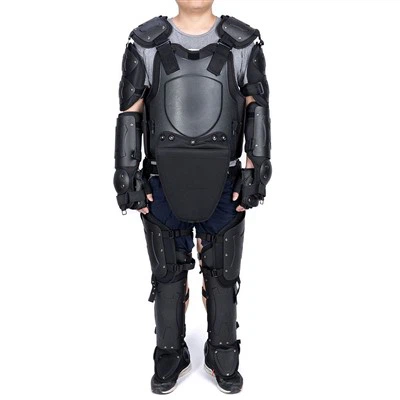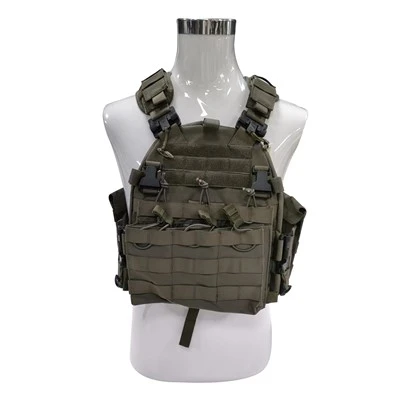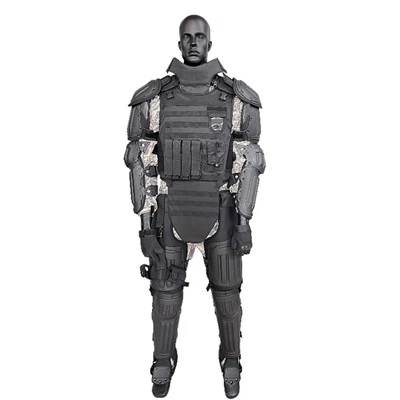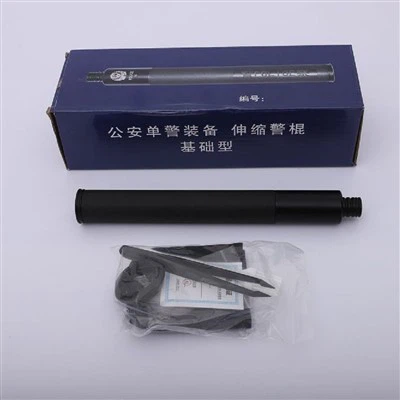
If you’ve ever worked in law enforcement, you know that a riot suit isn’t just another piece of gear—it’s your primary line of defense when de-escalating tense crowds, managing protests, or responding to civil unrest. Cops rely on these suits to protect against everything from thrown projectiles and chemical agents to blunt force and extreme weather, so when a department invests in a set, the last thing anyone wants is to worry about the gear holding up when it matters most. As a police riot suit supplier, I get this question constantly: “What is the warranty on a police riot suit?” It’s not a one-sentence answer, because riot gear isn’t a generic product—its warranty depends on design, materials, intended use, and how well it’s cared for. Let’s break it down, along with what that means for your agency.
First, it’s important to clarify that not all riot suits are created equal. There are entry-level suits for occasional use and high-end tactical suits for specialized units that are in action weekly. That’s why I always direct customers to look closely at the specifications when browsing products like Anti Riot Suit or Riot Suit — these variations directly impact warranty terms. Most reputable manufacturers structure warranties to cover manufacturing defects, not normal wear and tear, but the details can vary. For our gear, for example, we split warranties by the core components: the outer shell, padding, visor, and fasteners.
Let’s start with the basics of what a warranty actually covers for riot suits. A valid warranty only applies when the gear is used as intended. Riot suits are designed for riot control operations, not for use as construction gear, hiking protection, or anything outside of their specified purpose. If a damage occurs because a officer uses the suit for a task it wasn’t built for, that’s not a manufacturing defect—it’s misuse, and the warranty won’t apply. Similarly, improper cleaning or storage can void a warranty. For example, leaving a damp riot suit folded in a equipment bag for days can lead to mold or fabric degradation, which we don’t cover, because that’s something we can control through proper maintenance.
Now, getting to the specific terms. For standard Anti Riot Uniform sets, which are commonly used by general duty patrol units that might respond to 2-3 riot events a year, our warranty covers manufacturing defects for 12 months from the date of delivery. That means if a seam splits due to faulty stitching, a visor cracks on its own during normal use, or padding separates from the outer shell without any impact from a force, we’ll repair or replace that part at no cost to the department. For high-intensity Riot Control Uniform sets, designed for tactical units that are in frequent, high-stakes operations, we extend that warranty to 24 months. These suits use heavier-duty materials—like reinforced 1680D nylon shells and impact-resistant thermoplastic padding—and undergo more rigorous quality testing, so they have a longer coverage window because they’re built to handle more use.
It’s worth noting that some parts of the suit have shorter warranty periods, because they’re considered wear items that experience more stress. For example, the polycarbonate visor on any Police Riot Equipment set is covered for 6 months. That’s because even with proper care, visors can scratch from contact with fences, branches, or thrown objects during routine use. Minor scuffs don’t count as defects—only cracks, shattering, or delamination of the visor material. Similarly, adjustable fasteners, buckles, and zipper pulls have a 3-month warranty, because these parts take repeated tension when putting on and adjusting the suit during fast-paced operations. We warn customers about this upfront, so they plan for replacement parts as part of their gear maintenance budget, instead of being surprised when a fastener breaks a month after purchase.
Beyond product design, there are key factors that affect how a warranty claim is processed. First, you need to keep proof of purchase. All our customers get a delivery receipt with a serial number for each suit; we ask that departments keep this on file to confirm the purchase date, as warranties are time-bound from delivery, not from when the suit is first used. Second, you have to document the damage. For a claim, we ask for photos of the defective part, a description of how the damage occurred (e.g., “visor cracked when hit by a rock during a protest in downtown Millersburg on 10/15/2024”), and any relevant incident reports if the damage happened during an official operation. This helps us distinguish between manufacturing defects and accidental misuse or external force that’s outside of our control.
I always tell my agency customers that a warranty is only as good as how it’s implemented, so we make our claim process as simple as possible. Instead of making departments jump through hoops, we have a dedicated support team for law enforcement gear that handles warranty requests within 48 hours. For small claims—like a split seam or a loose padding strap—we ship replacement parts for free within 2 business days, no return required. For larger issues, like a full suit that has multiple manufacturing defects, we’ll arrange for return shipping at our cost and send a replacement suit once we receive the damaged unit for inspection. We also offer extended warranty options for departments that want extra coverage beyond the standard terms. For a small annual fee, departments can add 12 months of coverage to their riot suits, which covers accidental damage from normal use (like minor cracks in the visor or broken buckles) that isn’t included in the base warranty. This is popular with specialized units that rely on their gear daily and don’t have time to file frequent claims.
One thing that often confuses new customers is the difference between a product warranty and a service contract. A warranty covers defects in materials and workmanship, like a seam that pulls apart when it shouldn’t, or padding that’s too thin to meet safety standards. A service contract is an optional agreement that covers repair or replacement for accidental damage, which is what the extended warranty we offer is. I always advise departments to weigh how often they use their riot gear against the cost of a service contract. A small town that responds to 1 riot a year might only need the base 12-month warranty, while a metro department with a dedicated riot unit might find the extended warranty worth the investment to avoid unexpected repair costs.
Proper care and maintenance also play a huge role in keeping your warranty valid and extending the life of your riot suit. We’ve put together a free guide for all our customers that outlines how to clean and store riot suits correctly. The outer shell can be spot-cleaned with mild soap and water, but it should never be machine-washed or dry-cleaned, as harsh detergents or high heat can degrade the fabric and void the warranty. Padding should be air-dried completely before storing, and suits should be kept in a cool, dry equipment bag, not left in a hot squad car trunk for extended periods. Visors should be cleaned with a microfiber cloth and specialized plastic cleaner—using regular glass cleaner can scratch the polycarbonate, which is considered wear and not covered under warranty.
I’ve seen firsthand how a good warranty makes a difference for law enforcement teams. Last year, a department in the Midwest reached out to us with a claim for three riot suits that had faulty stitching on the shoulder seams. They were 8 months old, well within the 12-month warranty window, and we shipped replacement shoulder panels within 3 days, so their unit had fully functional gear for a protest that weekend. On the flip side, I’ve had customers try to file claims for suits that were used to move heavy furniture or as a barrier against a falling tree during a storm. Those are clear cases of misuse, and while we empathize with their situation, we can’t honor those claims, because that’s not what riot suits are designed for.
At the end of the day, the warranty on a police riot suit isn’t just a legal formality—it’s a promise that the gear you’re relying on was built to last. When you’re spending thousands of dollars on riot control equipment, you want to know that if something goes wrong because of how the product was made, you’re covered. Our warranty terms are transparent, tailored to how our gear is used, and designed to support law enforcement teams when they need it most.
If you’re looking to equip your unit with riot gear, it’s important to ask suppliers about their warranty terms before you buy. Don’t just look at the price tag—ask about coverage periods, what’s excluded, how claims are processed, and if they offer extended coverage options. Our team is here to walk you through every detail, whether you’re outfitting a small patrol unit or a full tactical team. We can provide quotes for sets like Anti Riot Suit, Anti Riot Uniform, Police Riot Equipment, Riot Suit, or Riot Control Uniform, and answer any questions about warranty terms that you might have. Reach out to our team to start a conversation about your agency’s needs, so you can get gear that’s reliable, well-supported, and ready for when duty calls.
References


- National Institute of Justice. (2021). Law Enforcement Body Armor and Riot Suit Performance Standards. U.S. Department of Justice.
- International Association of Chiefs of Police. (2022). Guide to Riot Gear Maintenance and Warranty Compliance for Law Enforcement Agencies. IACP Publications.
- ASTM International. (2020). Standard Specification for Riot Control Suits and Accessories (F2807-20). ASTM International.
- National Law Equipment Association. (2023). Warranty Best Practices for Tactical Gear Suppliers and Public Safety Agencies. NLEA Research Report.
- Occupational Safety and Health Administration. (2021). Personal Protective Equipment (PPE) Guidelines for Law Enforcement Riot Control Operations. OSHA Technical Manual.