When someone asks, “What’s the weight of a bulletproof vest?” I usually don’t start with a textbook answer. I’m the guy who runs a small, no-BS bulletproof vest supply company, and I get this question every single day—from new cops on their first paycheck, to security teams prepping for a big event, to even civilians who want protection without feeling like they’re towing a cinder block. The truth is, there’s no one-size-fits-all number. It depends on what you need the vest to do, how comfortable you can stand being, and whether you’re okay with a little extra heft for way more protection. Let’s break this down like I’d explain it to a tech at a coffee shop, not a university lecture hall.
First, let’s start with the basics: why does weight even matter? If you’ve ever worn a heavy backpack for a long commute, you know the ache in your shoulders or the sweat pooling at your lower back. A bulletproof vest is on your body 8–12 hours some days—cops on patrol, soldiers on a mission, event security standing in the sun. Too heavy, and you’re exhausted before your shift ends. Too light, and it’s not going to stop what it’s supposed to. The sweet spot is where protection meets mobility, and that’s where most of our work comes in.
Let’s talk about the main factors that change a vest’s weight. The biggest one is the level of protection. The National Institute of Justice (NIJ) sets standards for bulletproof gear, right? Level IIa is the lightest, meant for small handguns like .38 or 9mm. Level IIIA stops those plus a little hotter 9mm loads, and that’s super common for regular patrol cops. Level III is for rifles like AR-15s, and Level IV even stops armor-piercing rounds. Naturally, as the protection goes up, so does the weight. That’s non-negotiable—you can’t have something that stops a rifle and feels like a t-shirt.
Then there’s the material. Most vests these days use Kevlar or Twaron, right? Those are super strong synthetic fibers that are light for their weight. But some budget vests use older materials like steel plates, which are way heavier—like 10+ pounds just for the plates alone. At our company, we stick to high-tech fibers because we hate seeing people deal with unnecessary bulk. Take our Nylon Tactical Vest, for example. It’s a Level IIIA soft vest, no hard plates, and it weighs around 3.5 to 4.5 pounds. That’s light enough to run, crouch, sit in a car for hours—stuff you actually need to do on the job. If you went with a steel plate vest for the same Level IIIA rating, you’d be adding 5 more pounds, easy. That’s the difference between ending your shift with a slight shoulder ache and ending it wanting to take your shirt off the second you get home.
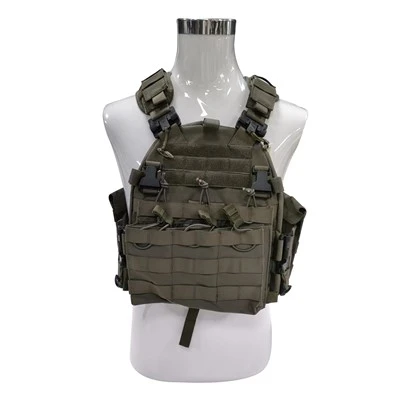
Wait, and let’s not forget the extras. A vest isn’t just the ballistic panels. There’s the carrier itself—how many pockets do you need for a radio, a taser, a first-aid kit? Do you want a Quick Release Tactical Vest? Those are lifesavers if someone’s getting stuck in a situation where they need to ditch the vest fast, like if their gear catches on something. But the quick-release mechanism adds a little bit of weight, like half a pound, and it’s worth every ounce when you’re in a pinch. We also make Quick Release Plate Carriers for people who need Level III or IV rifle protection—those are around 8 to 10 pounds, but again, that’s way lighter than old steel plate setups, and the quick-release clip means you can dump it in two seconds flat if you need to.
Let’s get specific, because I know numbers help. Let’s compare a few of our most popular vests, since that’s what people actually ask about. Our Nylon Tactical Vest I mentioned earlier: Level IIIA, soft panels, no extra gear, 3.5–4.5 lbs. That’s the go-to for small business security, campus cops, even some plainclothes officers who don’t want to look like they’re wearing a tank. Then there’s the Tactical Jacket Police—wait, that’s a hybrid, right? It looks like a regular jacket, so it’s concealed under a uniform or even a coat. Same Level IIIA protection, but it has a shell that feels like casual fabric, and it adds a tiny bit of weight, like 4.5–5.5 lbs, because of the jacket structure. Worth it if you need to look professional without broadcasting you’re wearing armor.
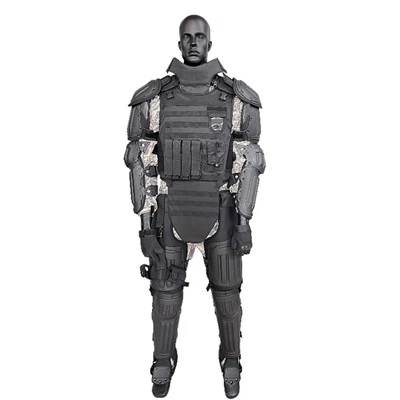
Then there’s the Military Police Vest. That’s a bit heavier because it’s built for more rugged use—it has MOLLE webbing for attaching gear, reinforced edges, and it’s still Level IIIA, but around 5–6 lbs. Why the difference? MOLLE is strong, it holds gear tight, but extra material adds a little heft. Our Military Police Vest is for folks who need to carry a lot of equipment on patrol, and mobility still matters—we test every vest to make sure you can run 50 yards and not be huffing like you climbed a flight of stairs.
What about the heavy stuff, the rifle-rated vests? If you need Level III, which stops 7.62mm rifle rounds, you’re adding hard plates to the front and back. Those plates are made of ceramic or polyethylene, which are way lighter than steel. A full set of Level III plates is around 6–8 lbs total, so pairing them with a carrier gives you a full vest weight of 10–12 lbs. That’s not light, let’s be real—if you’re used to a 4 lb vest, 12 lbs feels like a lot. But if someone’s working in an area where rifle threats are real, that extra weight is non-negotiable. We’ve had soldiers tell us our Quick Release Plate Carriers cut down on fatigue because the plates are contoured to fit your body better, not just flat, so the weight is distributed evenly across your shoulders and hips, not just digging into your neck.
Let me answer a question I get all the time: “Can I get a vest that’s light but still stops bullets?” The short answer is no, not really. Physics says you need a certain amount of material to stop a bullet’s momentum. You can’t make a vest 2 lbs and have it stop an AR-15. But you can get the lightest possible vest for your exact needs, no extra weight. That’s our whole thing—we don’t sell “one size fits all” heavy vests. We ask people: what level of protection do you need? How many extras do you carry? Do you need it concealed or out in the open? Then we match them to the lightest option that fits. For example, we had a school security officer reach out last month. He needed Level IIIA protection for his area, he had a radio and a first-aid kit he wanted to carry, and he hated bulky gear. We suggested our Nylon Tactical Vest with MOLLE loops (he didn’t need a full Military Police Vest), and it worked out to 4.8 lbs total—light enough that he could do his job and not be uncomfortable all day.
Another common myth: “Soft vests are lighter than hard vests.” Most of the time, yes, but not always. If you’re a plainclothes cop who needs to conceal your vest, a thin soft vest under a suit is only 2.5–3 lbs, which is way lighter than a hard plate setup. But if you’re in a situation where you might face rifles, you need those plates, and that’s just the tradeoff. We also make Level IV hard plates, which stop armor-piercing rounds, and those are around 8 lbs each. So a Level IV vest is going to be 14–16 lbs total, full stop.
What about fit? A vest that’s too big or too small will feel way heavier than it is. If it’s hanging loose, the material shifts around, and that extra movement makes it feel like it’s pulling on your shoulders. When a vest fits right, the weight is distributed evenly. We always tell people to measure their chest, shoulders, and waist before ordering, because a correctly fitted medium vest will feel lighter than a poorly fitted large one. That’s a mistake a lot of first-time buyers make—they order a size up “so it fits over their uniform” and end up with something that’s way more bulky and heavy than it needs to be.
I should also mention maintenance, because that affects weight too. If you wash your vest carrier regularly, it doesn’t get gross and heavy with sweat and dirt (we sell washable carriers, by the way, that don’t damage the ballistic panels). If you store your panels properly, they don’t absorb moisture, which would add a pound or two over time. A lot of people forget that part—your vest isn’t a set-it-and-forget-it item, taking care of it keeps it light and working right.


Let’s circle back to the original question: what’s the weight of a bulletproof vest? The honest answer is, it depends, but here’s a rough breakdown for our gear:
- Level IIa soft vest: 2.5–3.5 lbs (great for plainclothes, concealed carry)
- Level IIIA soft vest (Nylon Tactical Vest style): 3.5–5 lbs, depending on carrier and gear
- Tactical Jacket Police: 4.5–5.5 lbs, concealed, casual look
- Military Police Vest: 5–6 lbs, MOLLE for gear, rugged use
- Level III rifle-rated vest with ceramic plates: 10–12 lbs
- Level IV rifle-rated vest: 14–16 lbs
That’s a huge range, right? Which is why it’s so important to figure out what you actually need before picking one. If you’re a campus security guard only dealing with handguns, you don’t need a 15 lb rifle vest. If you’re a soldier deployed to an area with active rifle threats, a 4 lb soft vest won’t cut it.
At the end of the day, we’re not just selling bulletproof vests—we’re selling gear that lets people do their jobs safely without being miserable. No one wants to be the officer sweating through their uniform mid-patrol, or the security guard who can’t run after a suspect because their vest is too heavy. That’s why we focus on balancing protection, weight, and functionality. If you’re in the market for a vest, whether it’s a lightweight soft one for everyday patrol or a heavy-duty plate carrier for high-risk situations, reach out to us to chat. We’ll walk you through the options, answer any weight or protection questions, and help you find exactly what fits your needs without overspending or overbuying gear you don’t need.
References:
National Institute of Justice. (2020). Ballistic Resistance of Body Armor. NIJ Standard-0101.06. U.S. Department of Justice.
Kevlar Performance Materials. (2022). Body Armor Applications: Balancing Strength and Weight. DuPont Protection Technologies.
Twaron Aramid Fibers. (2021). Lightweight Ballistic Solutions for Tactical and Law Enforcement Use. Teijin Aramid.
U.S. Department of Defense. (2019). Soldier Protection System: Vest Weight and Mobility Testing. DoD Joint Requirements Oversight Council.