As a supplier of anti-riot gear, I get this question all the time from law enforcement units, private security firms, and even sometimes event organizers prepping for large gatherings: Can anti riot uniform be worn over other clothing? It’s not a trivial question, either. Wearing the right gear in the right way can mean the difference between responding to a situation safely and putting yourself at unnecessary risk. Over the past decade, I’ve worked with teams around the world to test and supply gear for everything from peaceful protest management to active civil unrest, and I’ve seen firsthand how small choices—like layering—can have big impacts. Today, I want to break down the science behind how these uniforms fit, the risks of getting it wrong, and the best practices we share with every client who buys our equipment.
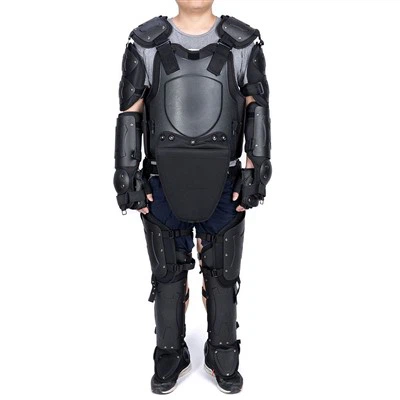
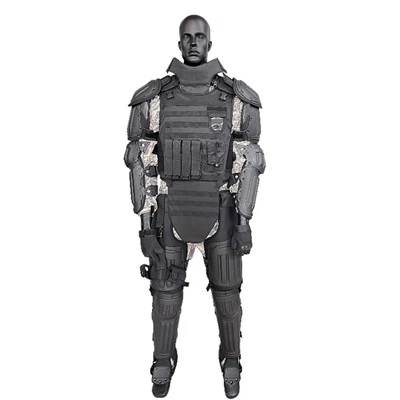
First, let’s clarify what we mean by “anti riot uniform” here, because the term can cover a range of products. When people talk about anti riot gear, they might be referring to a lightweight anti riot vest for everyday crowd control, a full anti riot suit for high-risk situations, or a complete police riot suit that includes pants, gloves, a face shield, and other components. All of these pieces are designed to be protective, but their construction varies widely, and that’s a key point when it comes to layering. The core goal of any anti riot uniform is to dissipate impact force from blunt objects—like batons, rocks, or projectiles—spread that force over a larger area of the body, and resist tearing from sharp objects or abrasions. That design depends heavily on the gear’s fit, and adding clothing underneath or on top can throw that balance off if it’s not done right.
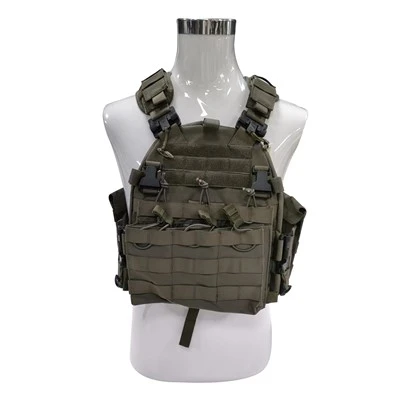
Let’s start with the most common piece people ask about: the anti riot vest. Most of our standard anti riot vest models are cut to fit snugly over a uniform or tactical base layer, not loose over multiple layers of thick clothing. The vest’s inner lining has Velcro straps, waist adjusters, and shoulder straps that are calibrated to hold the vest in place high on the chest and across the upper back. If you wear a thick sweatshirt, flak jacket, or even multiple layers of uniforms underneath, those adjusters might not pull tight enough. I’ve seen this happen at a festival last year: a small security team borrowed an extra set of vests and wore their heavy winter uniforms underneath during a cold-weather event. By the end of the night, several of the vests had shifted down to their waists, leaving their upper bodies exposed when a crowd surge happened. The blunt force from a thrown water bottle hit their unprotected chests, and two of them had minor bruising that could have been avoided. That’s a concrete example of how layering too much, or the wrong type of clothing, can compromise protection.
But wait—does that mean you can never wear anything under your anti riot uniform? No, not at all. The key is choosing thin, form-fitting base layers that don’t add bulk. We recommend moisture-wicking synthetic undershirts for most situations, because they keep sweat away from the body without adding thickness. Cotton is a bad choice, though, because it absorbs moisture, gets heavy, and adds bulk, even if it’s just a t-shirt. For officers working in extreme heat, a thin mesh undershirt is another good option—it allows airflow and doesn’t interfere with the vest’s fit. The same logic applies to lower-body pieces, like the pants that come with a full anti riot suit. Those pants are designed to fit over thin tactical pants or heavy-duty work pants, not multiple layers of jeans or sweatpants. We always advise clients to test the fit of their specific anti riot suit with their standard underlayers before deploying, because even slight variations in brand or style of clothing can change how the gear sits.
Now, what about wearing clothing over your anti riot uniform? That’s a trickier question, and it depends entirely on the situation. For example, if you’re working a long shift in cold weather, would you wear a thick parka over your riot gear? Almost certainly not—most parkas will interfere with the gear’s movement and its ability to absorb impact. But there is a specific exception here: some teams will wear a thin, waterproof windbreaker over their anti riot vest in light rain. The key word there is thin. The windbreaker can’t add bulk that would push the vest away from the body. We’ve supplied these windbreakers as optional add-ons for our clients, and we make sure to specify that they be under 0.5mm thick, so they don’t compromise the vest’s performance. Wearing anything thicker than that, like a heavy winter jacket, is a bad idea for two reasons: first, it changes the center of gravity of the gear, making it harder to move quickly if you need to. Second, it can trap moisture inside the riot gear, leading to chafing or overheating during long shifts, which in turn can lead to fatigue and slower reaction times.


I also want to talk about how different types of riot gear are designed for layering. For example, a lightweight Riot Suit (link: /riot-gear/riot-suit.html) is made for short, low-intensity events, like a small protest or a festival. These suits have a more flexible, less rigid construction, so they can accommodate slightly more bulk under them than a full anti riot suit. But even then, we still recommend keeping underlayers thin. On the other end of the spectrum, a heavy-duty Police Riot Suit (link: /riot-gear/police-riot-suit.html) is built for high-impact situations, where teams might face thrown projectiles, physical resistance, or abrasions from pavement or barricades. These suits are stiffer and fit much more closely to the body, so adding even a small thick layer underneath can create gaps between the gear and the body, leaving areas unprotected. I remember a riot training exercise we hosted last year for a municipal police department. One of the officers tried to wear a thick fleece under his police riot suit, and during a baton strike simulation, the force was concentrated on the small gap where the fleece pulled the suit away from his shoulder. He ended up with a larger bruise than any of the other officers, all of whom wore thin synthetic undershirts. That’s exactly why we emphasize testing fit before deployment—you can’t rely on generic advice for every team.
Another common mistake I see is mixing and matching gear. For example, someone might buy a heavy Anti Riot Armor (link: /riot-gear/anti-riot-armor.html) plate set and try to wear it over their standard uniform. Anti riot armor plates are designed to fit inside a specific vest or carrier, and wearing them on the outside means they’re not secured to the body, so they can shift during movement. That’s not just a comfort issue—if a plate shifts, it might not be in the right position to absorb impact when you need it most. Our Anti Riot Vest (link: /riot-gear/anti-riot-vest.html) models have dedicated pockets for these plates, and we always instruct clients to make sure the plates are fully seated before putting on the vest. If you do need to add armor, make sure it’s compatible with your base vest, and avoid adding extra clothing layers that would push the plates out of place.
Let’s also address a common myth: some people think wearing more layers equals more protection, especially in cold weather. That’s not true for riot gear. The primary function of the gear is impact dissipation, not insulation. Even if you’re working in freezing temperatures, adding too many thick layers under your riot uniform will actually reduce its protective ability, as well as make it harder to move, which is critical in chaotic situations. Instead of bulk layers, we recommend other cold-weather solutions, like heated gloves or hand warmers that can be tucked into the gear’s pockets, or thermal socks that fit inside boots without adding bulk. For hot weather, the opposite problem: people might try to skip undershirts entirely to stay cool, but that can lead to chafing from the gear’s straps and lining, which can be painful and distracting during long shifts. The thin moisture-wicking undershirts we recommend solve that problem without adding bulk.
Now, let’s talk about how to test your gear’s fit properly. This is a step I insist all clients do, and it’s actually pretty simple. When you receive your Anti Riot Suit (link: /riot-gear/anti-riot-suit.html), put it on with every type of clothing you would actually wear under it during a deployment, whether that’s a thin undershirt, a tactical uniform, or even a light jacket. Adjust all the straps until the gear fits snugly, but not so tight that it restricts movement—you should be able to raise your arms, bend at the waist, and turn quickly without the gear shifting. Once it’s on, check for gaps: run your hand between the gear and your body at the chest, back, and sides. If you can fit more than the width of your finger in any spot, the fit is too loose, and you’ll need to adjust the straps or consider a different size. Then, do a quick movement test: jog in place, turn in circles, and do a few squats. If the gear stays in place and doesn’t rub uncomfortably, it’s good to go. If it shifts or causes friction, you might need to go down a size, or adjust the way you layer your underclothing.
I also want to mention maintenance, because how you care for your gear can affect its fit over time. All our riot gear is made from durable, tear-resistant materials, but washing it with thick, heavy fabrics or fabric softeners can leave residue that changes the fit and feel. We recommend washing anti riot gear separately, following the care instructions on each product label, and air-drying it. If the straps become loose over time, they can be adjusted or replaced, so you don’t have to throw out the entire gear if it starts to fit poorly.
Let’s wrap this up with a few key takeaways, because I know a lot of teams are looking for clear, actionable advice here. First: the general rule is that anti riot uniform is designed to fit over thin, form-fitting base layers, not multiple bulky layers. Wearing too much underneath can cause the gear to shift, reduce impact protection, and increase fatigue. Second: you can wear light, thin layers over your gear for weather protection, as long as they don’t add bulk that compromises fit. Heavy jackets or fleece are not recommended. Third: always test the fit of your specific gear with your actual underlayers before deploying, because size and style of clothing can vary. Fourth: if you need additional armor, use gear that’s designed to hold it in place, and avoid adding layers that would shift the armor.
At the end of the day, the goal of anti riot gear is to keep officers and security personnel safe, and fit is everything. I’ve seen teams that take the time to test their gear and layer correctly respond to high-stress situations with confidence, while teams that cut corners on fit end up dealing with avoidable injuries. If you’re in the market for new riot gear, or you have questions about how to layer it properly, don’t guess—reach out to us. We’ve worked with hundreds of units to find the right gear for their needs, and we can walk you through fit testing, layer recommendations, and product details for our full line, from the Anti Riot Vest to the complete Police Riot Suit. We also provide training for teams that want to learn more about gear maintenance and proper use. Don’t risk your safety with incorrect layering—take the time to do it right, and invest in gear that’s designed to work with you, not against you.
References
- National Institute of Justice. (2020). “Guidelines for Personal Protective Equipment for Crowd Control and Riot Response.” U.S. Department of Justice.
- International Association of Chiefs of Police. (2019). “Crowd Management and Personal Safety Best Practices.” ICP Publications.
- European Police Office (Europol). (2021). “Protective Equipment Standards for Public Order Operations.” Europol Research and Analysis Section.
- Journal of Security Studies. (2022). “Fit and Function: The Impact of Gear Layering on Officer Safety in Civil Unrest.” Vol. 18, No. 2.