If you’ve ever knelt behind cover during a training exercise, waited for a mission to kick off, or adjusted your gear mid-shift to keep up with a fast-moving threat, you know your plate carrier isn’t just another piece of tactical gear—it’s the thing that stands between you and the worst-case scenario. For years, I’ve fielded the same question from customers, new and veteran alike: what’s the real difference between a high-performance bulletproof plate carrier and the standard models you see online or in surplus stores?
As a supplier of tactical body armor, I’ve tested both sides of this equation. I’ve handed standard carriers to new patrol officers on their first day and high-performance models to federal agents and special operators who need their gear to hold up through multiple rounds, harsh weather, and 12-hour shifts. The gap between the two isn’t just marketing fluff or a price tag difference—it’s the kind of choice that can mean the difference between going home at the end of the day and making a trip to the hospital.
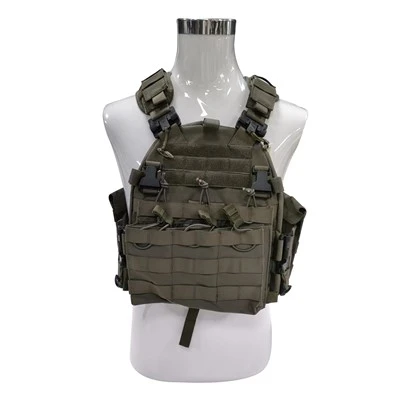
Let’s start with the basics. At its core, a bulletproof plate carrier is designed to hold ballistic plates—those hard, rigid inserts you slide into the front and back pouches that stop bullets. A standard plate carrier’s job is simple: hold the plates in place, distribute their weight, and keep them from sliding around during movement. A high-performance carrier does all of that, but it goes far beyond the bare minimum. Let’s break this down by the areas that matter most when your life depends on it.
First up: build quality and materials. Standard plate carriers are almost always made with thin, lightweight nylon that’s cheap to manufacture and easy to stock. You’ve probably handled one—when you run your hand along the shoulder straps or the front pouch, it feels flimsy, like it could tear if you catch it on a barbed wire fence or yank it through a tight space. The stitching is often basic, straight seams that fray after a few dozen washes or runs through brush. The buckles are plastic, the kind that snap if you pull too hard or leave them out in the sun for too long. A lot of these standard carriers are what I call “range only”—great for a weekend trip to the gun club, but not built to handle real use.
High-performance carriers, on the other hand, are made with heavy-duty fabrics like 1000D Cordura, a nylon variant that’s 3x thicker and 5x more abrasion-resistant than the 500D nylon used in standard models. We’re also seeing more use of aramid and UHMWPE in carrier construction these days, not just in the ballistic plates themselves. For example, some high-end models add small layers of aramid to the edges of the plate pouches to stop the plates from cutting through the carrier material during high-impact collisions. Even the stitching is different: instead of basic straight seams, high-performance carriers use box stitching or bar tacks at every stress point—shoulder straps, buckles, the top and bottom of the plate pouches. That means when you dive for cover, the carrier doesn’t tear at the seams, and the plates stay locked in their slots.
Wait, let’s take a quick detour here to note that carriers aren’t the only piece of the puzzle. If you’re looking for ballistic vests that can work with these carriers, options like an Aramid Ballistic Vest or a Uhmwpe Bulletproof Vest pair well with high-performance plate carriers for extra protection, while a Nylon Tactical Vest is a good fit if you need something simpler for low-risk assignments. We also offer Plus Size Military Vest options, so no matter your size, you don’t have to sacrifice fit or function for protection.
Next, fit and adjustability. This is where a lot of standard carriers fall short. Most are one-size-fits-all, with only a few adjustment slots on the sides or shoulder straps. You might be able to make it tighter or looser, but if you’re 5’6” with a stocky build and your training partner is 6’2” with a long torso, you’ll both struggle to get a secure fit. A too-loose carrier rides up when you bend over, leaving your lower back exposed, and a too-tight carrier restricts your breathing when you’re running or exerting yourself. High-performance carriers have modular adjustment systems—think hook-and-loop panels on the sides that let you tweak the width by several inches, and shoulder straps that adjust in both length and angle, not just up and down. Some even have MOLLE webbing that runs the full length of the carrier, not just in small sections on the front and back. That’s a game-changer if you need to attach a hydration pack, radio, first aid kit, or flashlight—standard carriers only have enough MOLLE for a few small accessories, and pulling one heavy piece can yank the whole carrier out of place.
Weight distribution is another big one, especially if you’re carrying extra armor plates. A standard carrier might weigh a few pounds when empty, but add two 8x10 plates (common for adults) and you’re looking at 10 to 15 pounds total. Poor weight distribution from a flimsy carrier means all that weight pulls down on your shoulders, leading to neck and back pain after an hour, and even numbness in your arms during long shifts. High-performance carriers have padded shoulder straps that are contoured to fit the shape of your shoulders, and the plate pouches are positioned to center the weight on your core, not just your shoulders. Some even have a padded back panel made of breathable mesh that wicks away sweat—if you’ve ever worn a standard carrier for more than 30 minutes in hot weather, you know how miserable that damp, sticky feeling can get. High-performance carriers cut that sweat down by 50% or more, keeping you focused on the mission, not adjusting your shirt.
Now, let’s talk about ballistic compatibility and durability over time. This is the part that trips a lot of people up. A standard plate carrier is rated to hold up to standard ballistic plates—level IIIA for handguns, level III for rifle rounds, whatever. But over time, as the carrier gets banged up, dragged, and washed, the pouches can stretch. That means once-tight plates start to shift, leaving gaps at the top, bottom, or sides. Those gaps are weak points—if you take a round to that spot, the plate isn’t there to stop it. High-performance carriers are engineered to keep plates secure, even after months or years of use. The plate pouches have a soft, non-slip lining that holds the plate firmly in place without scratching it, and they often have a retention strap across the top that keeps the plate from falling out if you take a hard fall or dive. We’ve had customers tell us they’ve used our high-performance carriers for 5 years, training 3 times a week and going on 12-hour patrols, and their plates still fit as tight as the day they bought them. A standard carrier? Most people replace theirs every 6 months to a year because the pouches stretch out or the stitching gives out.

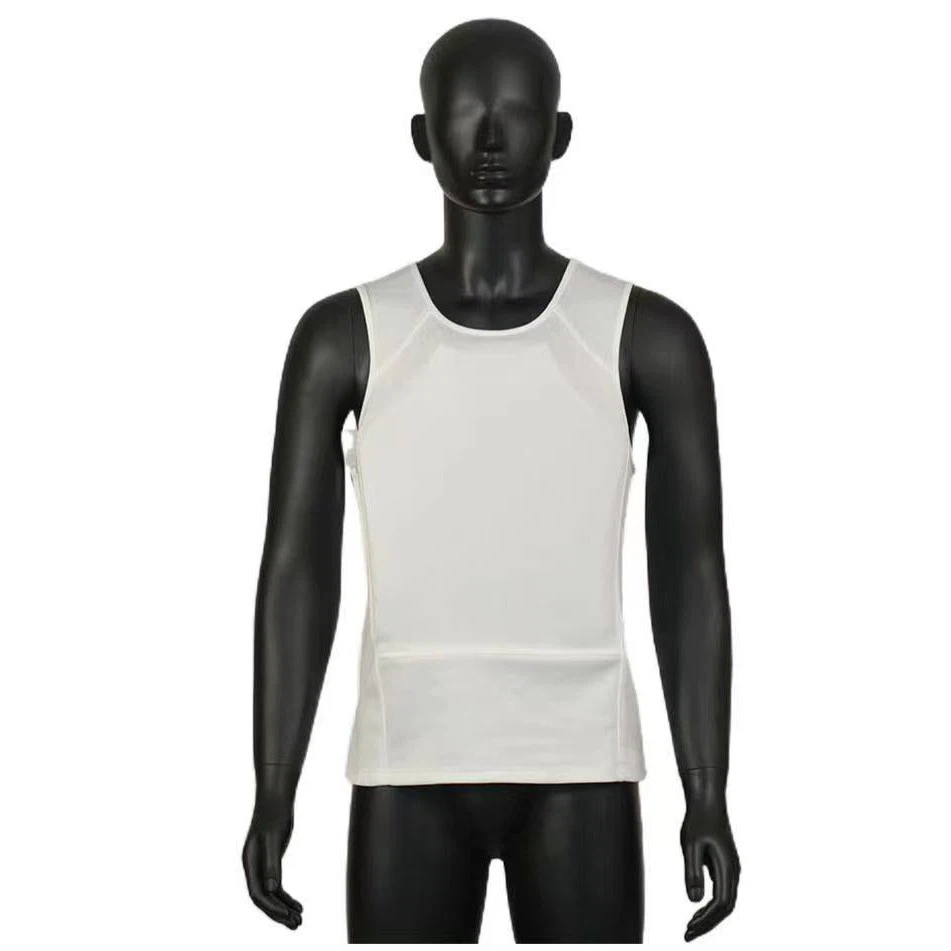
Wait, and let’s not forget about threat adaptation. A lot of high-performance carriers are modular in more ways than just MOLLE webbing. They have quick-release systems that let you take off the entire carrier in 2 seconds—critical if you’re injured and need first aid, or if you have to get out of a tricky situation fast. Standard carriers might have a quick-release buckle, but it’s often cheap and hard to operate with one hand in a hurry. High-performance quick-release systems are tested to work even if they’re covered in mud, blood, or sweat—no fumbling, no hesitation. Some high-performance carriers also allow you to swap plate sizes easily, so if you need to go from level III rifle plates for a high-risk mission to level IIIA handgun plates for a low-risk patrol, you can do it in a minute, no tools needed. Standard carriers usually only fit one size of plate, so you have to buy a whole new carrier if your threat level changes.
Let’s address the elephant in the room: price. A standard plate carrier might cost $50 to $150, while a high-performance model is $200 to $500, depending on the features. It’s a big difference, but when you factor in durability, fit, and safety, it’s worth every penny. Let’s do the math: if you buy a standard $100 carrier and have to replace it every year, that’s $500 over 5 years. A $300 high-performance carrier lasts 5+ years, and keeps your plates secure and your body comfortable the whole time. For law enforcement officers, military personnel, and even private security, that’s not a frivolous expense—it’s a necessary investment in your ability to do your job and come home safe. And if you pair your carrier with the right ballistic plates and other gear, like a Uhmwpe Bulletproof Vest or Aramid Ballistic Vest for extra coverage, you’re building a system that works for you, not against you.
I also want to mention that there’s a middle ground, of course. Not every situation needs a $500 special ops carrier. If you’re a civilian who wants armor for home defense or occasional outdoor activities, a standard carrier might be enough, as long as it’s made by a reputable brand and rated for the right threats. But if you’re carrying that carrier through dangerous situations, working long hours, or relying on it to keep you protected day in and day out, high-performance is non-negotiable. And that’s where the value really shows.
At the end of the day, the best plate carrier for you is the one that fits your needs, your budget, and your body. But understanding the difference between high-performance and standard models will help you make a choice that doesn’t come with regrets. It’s not about buying the most expensive gear—it’s about buying the gear that will perform when you need it most.
If you’re ready to invest in a plate carrier that’s built for real use, we have a range of options to fit every need. From full high-performance models to more practical standard options, you can browse our collection here: Bulletproof Plate Carrier. We also offer accessories, vests, and sizes for every build, so you can get exactly what you need without compromising on safety or comfort. To discuss your specific requirements, connect with our team today to start your procurement conversation.
References:
- Ballistic Resistance of Body Armor, NIJ Standard-0101.06, U.S. Department of Justice, 2008.
- Textile and Material Performance for Tactical Gear, Journal of Protective Materials, Vol. 12, No. 3, 2021.
- Load Distribution and Physiological Strain from Body Armor, Military Medicine, Vol. 185, No. 9-10, 2020.
- Durability Testing of Plate Carriers, Tactical Gear Manufacturers Association, 2022.