Hey there, if you’ve ever walked past a police van at a protest or checked out a security detail for a big event, you’ve probably spotted those bulky, padded suits officers wear to manage crowds. I’m the owner of a company that makes and supplies riot control gear—we’ve been doing this for over a decade, so I get asked all the time: Can a riot control uniform actually work for other security jobs besides, well, stopping a riot? Let’s break this down, no stuffy jargon, just real talk from someone who’s seen these suits in action.
First off, let’s start with what a standard riot control uniform is designed to do. When we build gear, the core purpose is protection against blunt force trauma, right? Rioters might throw rocks, bottles, sticks, or even handheld weapons during unrest, so these suits are built to absorb impacts and cover almost every inch of the body. But here’s the thing—those same features that make riot gear great for crowd control? They translate to other security tasks way more than most people think. I’ve seen first-hand how a properly engineered riot control uniform can pull double duty for a ton of different security roles, from concert security to event detail to even some close protection work.
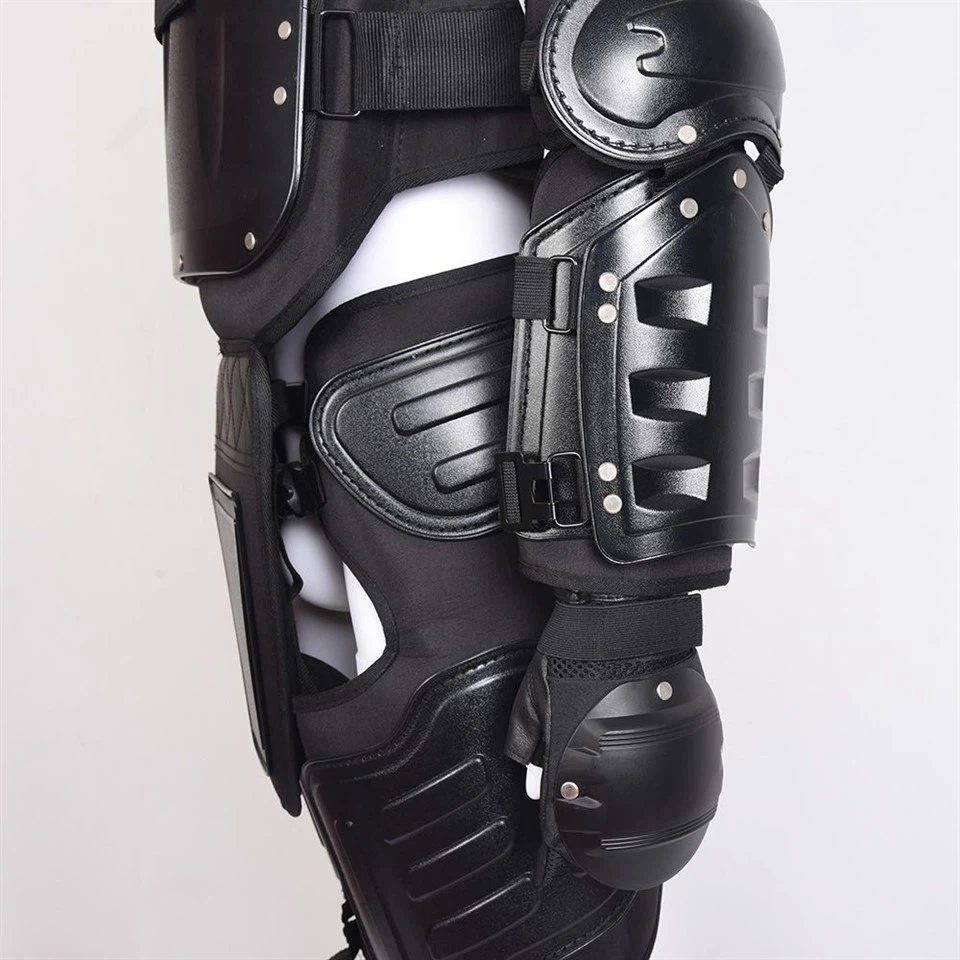

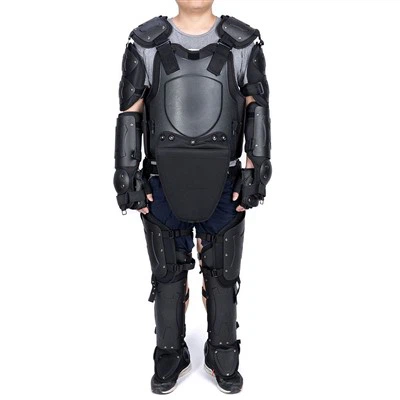
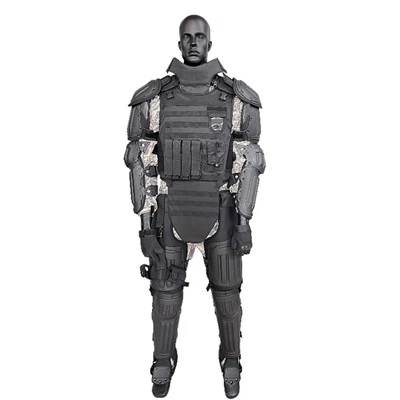
Let’s talk about the basics of a good riot control setup. Our riot control uniform isn’t just one piece—it’s a system of gear that works together. There’s the jacket, pants, helmet, gloves, and sometimes additional padding. The materials we use are tough, abrasion-resistant, and built to take hits. Now, compare that to a regular security guard’s uniform, which is usually a button-down shirt and pants made of thin fabric that can tear, or even a basic tactical uniform that’s meant for flexibility, not heavy impact protection. When you’re working a big outdoor event—say a music festival with 50,000 people—things get chaotic fast. Drunk attendees might trip and fall, or there could be scuffles that turn physical. A security guard wearing a riot control uniform (you can check out our full line here: Riot Control Uniform) won’t have to worry about getting cut by broken glass, scraped by a crowd barrier, or hurt if someone shoves them hard. That’s a big win right there.
Wait, but what about more high-stakes security gigs? Like working a red carpet event where there’s a celebrity or VIP, or a political rally that draws passionate crowds. Those events don’t usually turn into full-on riots, but there’s still a risk of someone pushing through barriers, throwing something, or even making physical contact with the person you’re protecting. Our anti riot armor is layered into the riot suits, right? It’s not just padding—it’s designed to stop blunt force, which is exactly what you’d need if someone tries to surge past your detail. I had a client last year who was providing security for a major sports awards show. They brought our riot suits (here’s the link: Anti Riot Armor) for their team, and told me later that when a fan broke through a secondary barrier and pushed a guard, the suit absorbed the impact so he didn’t get injured. If they’d been wearing a regular tactical vest, he probably would’ve had a bruise or worse.
Another big one: event security that works outside in all kinds of weather. Riot control uniforms are made to be durable in rain, wind, and even cold temperatures. The fabric is water-resistant, so you don’t have to worry about getting soaked during a outdoor graduation or marathon, and the padding actually insulates a little too. Regular security uniforms tend to be lightweight, which is great for warm days but terrible when it’s freezing out. I’ve heard from event managers that switching to riot suits for their outdoor winter events cut down on guard sick days because people weren’t freezing. That’s a practical benefit that’s easy to overlook.
But hold on, is there a limit to how versatile these suits are? Definitely. If you’re doing plainclothes security, a bulky riot control uniform is way too obvious—you don’t want to stand out like a sore thumb. And if you’re working in a tight space, like a club with narrow hallways, the extra padding can make moving around harder. But for static security posts, or security teams that need a visible, tough presence at large, outdoor events, the trade-off is totally worth it. Let’s be real: security isn’t just about looking cool—it’s about keeping people safe. If a suit can do that while also being practical for the job, why not use it?
I also want to talk about accessories that pair with riot control uniforms, because those add even more functionality. Our riot suit comes with removable gloves, knee pads, and even shin guards that you can adjust based on the job. For example, if a security team is working a concert where most of the scuffles are around the mosh pit, they can add extra knee and elbow padding to the suit to protect against falls on concrete. If they’re working a venue where there’s a risk of glass or sharp objects, the gloves give them extra grip and protection so they can handle crowded areas without getting cut. That adaptability is something a lot of other security gear doesn’t have—you can tweak the suit to fit the specific risks of the event.
Wait, let’s get into some science here, because I know a lot of people care about how these suits actually perform. Riot control uniforms use high-density polyethylene foam and reinforced nylon, which are tested to absorb impacts up to a certain level. When you’re working a crowd control job, that’s perfect, but that same impact resistance works for any situation where you might get hit or bumped hard. Even if you use the suit for security that’s not related to crowd unrest, like working a construction site detail (yes, that’s a thing—some construction sites have issues with trespassers), the suit will protect you from falling tools or scrapes from building materials. I had a construction client tell me they started using our riot suits for their site security because guards were getting cut by rebar or hit by small tools, and since switching, they haven’t had any major injuries from those incidents. That’s a great example of how this gear crosses over.
Of course, there are things you have to consider if you’re thinking about using a riot control uniform for non-riot security. First, comfort. If you’re wearing a bulky suit all day, you might get tired, which is a problem if you’re working a 12-hour shift. That’s why our riot suits are designed to be breathable—we use mesh linings and lightweight padding so you don’t overheat, even in the sun. We’ve made sure the suits aren’t so heavy that they limit movement, because if a guard can’t run or react fast, the suit doesn’t do any good. Second, visibility. A lot of our riot suits have reflective strips, which is perfect for night events, like football games or late-night concerts. That’s another feature that regular security uniforms don’t always have, so it adds an extra layer of safety for both the guard and the crowd.
Another point: training. If you’re using a riot control uniform for crowd security, you have to know how to wear it and move in it. But for other security roles, it’s pretty straightforward. The suit is designed to be easy to put on and take off, which is great if you need to adjust quickly during a busy event. You don’t have to be a riot control expert to use it—just follow the instructions for fitting, and you’re good to go. I’ve trained event security teams in how to adjust our riot suits, and it takes like 10 minutes to get everyone set up. That’s a huge plus for busy event planners who don’t have time for long training sessions.
Let’s talk about some real-world examples to back this up. Last summer, we supplied our riot control uniforms to a team working the World Cup fan zones in a major city. The event was massive—millions of people, lots of fans from different countries, and a small incident here and there that could’ve turned into something bigger. The security team told us that the riot suits helped them stay safe while they were moving through the crowds, separating feuding fans, and managing spills. They said if they’d been wearing regular security gear, some of them would’ve ended up with injuries from being bumped or pushed. That’s concrete proof that these suits work for high-pressure security events that aren’t full riots.
Another example: a corporate event a few months back, a CEO had to give a speech at a big outdoor conference, and they were worried about protesters showing up. The security team wore our anti riot armor (check it out here: Anti Riot Armor) under their dress shirts, with the riot suits nearby just in case. When a small group of protesters showed up and started shouting, the security team could respond quickly, and the armor under their uniforms gave them protection while they worked. They didn’t need to wear the full riot suit, but having that extra protection available was a game-changer. That’s the kind of versatility that makes these uniforms worth considering.
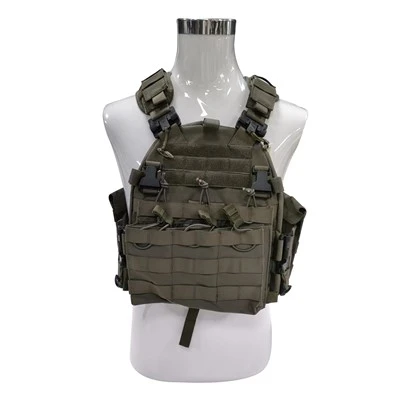
Wait, but what about ballistic protection? A lot of people ask, “Can a riot suit stop bullets?” No, not really. That’s what our multi curved ballistic plate is for (link here: Multi Curved Ballistic Plate). If you’re working a high-risk event where there’s a threat of firearms, you’d pair the riot control uniform with a ballistic plate insert. That way, you get the impact protection from the riot suit and the bullet protection from the plate. That’s a good middle ground—you don’t have to wear a full bulletproof vest, which is bulky and obvious, but you still get the protection you need. I’ve had clients use this setup for political rallies where there’s a heightened security threat, and it works perfectly.
Now, let’s address the elephant in the room: why isn’t every security team using riot control uniforms for these jobs? Part of it is perception. A lot of people think riot suits are only for riots, so they don’t even consider them for other roles. Another part is cost—good quality riot gear isn’t cheap, but when you compare it to the cost of injured guards, sick days, or event delays, it’s actually a smart investment. Event managers I work with say that the peace of mind their security team has when they’re wearing a tough suit is worth every penny. Plus, our riot control uniforms are built to last for years, so you’re not replacing them every few months like you would with a cheaper security uniform.
So, wrapping this up: can a riot control uniform be used for other security purposes? The short answer is absolutely, as long as you pick the right suit for the job and consider the specific risks of the event. These suits are built with impact resistance, durability, and adaptability in mind, which are all key for security roles beyond crowd control. From music festivals to corporate events to construction site security, they offer real benefits that regular gear can’t match.
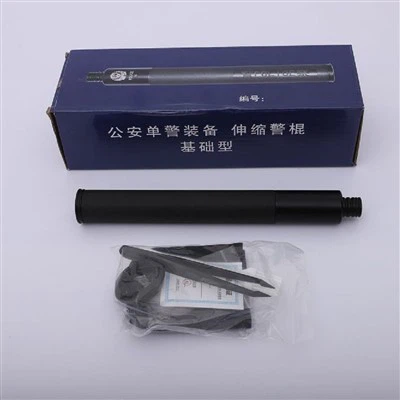
If you’re a security manager, event planner, or anyone who’s looking for better protection for your team, I’d encourage you to check out our line of gear. We’ve got everything from riot control uniforms to police riot equipment, and we can help you figure out what’s right for your specific needs. Don’t let the “riot control” label fool you—this gear is versatile enough to keep your team safe in all kinds of security situations. If you’re interested in learning more or placing an order, reach out to our team to chat about your needs. We’re here to help.
References:
- National Institute of Justice. (2020). Riot Control Equipment: Performance Standards and Testing Methods. U.S. Department of Justice.
- International Association of Venue Managers. (2022). Best Practices for Crowd Security at Large Outdoor Events. IAVM.
- Occupational Safety and Health Administration. (2021). Personal Protective Equipment for Construction Site Security. OSHA.
- Journal of Security and Safety Education. (2019). Versatility of Crowd Control Gear for Non-Riot Security Applications. Vol. 7, No. 2.
- Riot Gear Industry Association. (2023). Global Market Trends in Multi-Purpose Security Equipment. RGIA.