When I started American Body Armor (ABA) more than a decade ago, I never imagined how many of our vests would end up in the hands of journalists—people who put their lives on the line not for a badge or a paycheck, but to bring the truth to light. Over the years, I’ve sat across from cameramen who still have shrapnel in their arms from covering a riot in Ferguson, freelance writers who’ve been targeted for their reporting on cartel violence, and a photojournalist who lost his life in Ukraine while trying to document a humanitarian crisis. Every time that happens, it’s not just a failure of safety—it’s a reminder that the people who keep communities informed deserve better than to be caught unarmed in conflict zones. That’s why I get so many questions: Are there bulletproof vests made specifically for journalists? The short answer is yes—but the long answer is about more than just stopping bullets. It’s about understanding the unique risks journalists face, the science that goes into making armor that actually works for their work, and why one-size-fits-all tactical gear usually falls short for reporters on the move.

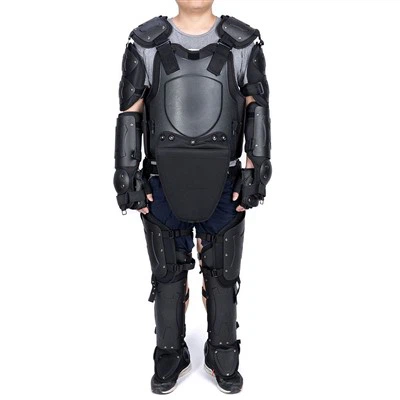
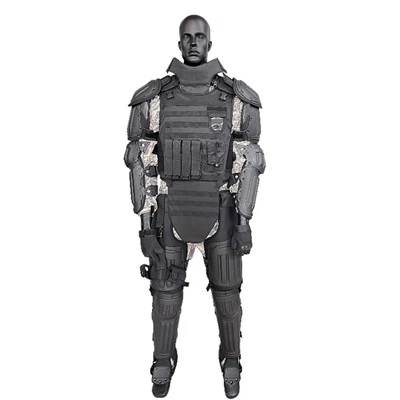
Let’s start with the risks, because that’s where all good armor starts. Journalists don’t operate like soldiers or police officers. A soldier might wear a vest for an entire mission, moving in tight formations with heavy gear; a cop wears theirs during shifts, often over bulky uniforms. But a journalist? They might be at a press conference one day, a protest where rocks are flying the next, and a border crossing where no one’s checking credentials the day after that. They’re carrying not just a vest, but a camera, a laptop, a notebook, and a microphone—gear that’s essential to their job but that gets in the way of bulky armor. I’ve seen reporters try to wear military-grade tactical plate carriers to a soft news feature, only to get strange looks from strangers and have their mobility compromised when they need to run. And in dangerous environments, the threats aren’t just bullets. There’s shrapnel from explosions, blunt force from batons or rubber bullets, and even sharp objects like knives or broken glass. A good journalist-specific vest needs to address all of these, without slowing someone down.
That’s why when we designed our line of reporter-focused armor, we looked at two key factors: threat level and concealability. Most journalists working in active conflict zones need at least Level IIIA protection—this is the standard that stops the most common handgun rounds, like 9mm, .40 S&W, and .45 ACP, which are the rounds most often used in attacks on media workers. If you’re covering a war zone or an area with organized crime, you might need higher, but for most of the world’s high-risk reporting, IIIA is non-negotiable. But here’s the thing: not all IIIA vests are the same. Our Nij Iiia Ballistic Vest uses aramid fiber, which is lightweight, flexible, and doesn’t add bulk. Unlike rigid plates that make it feel like you’re wearing a sheet of metal, this vest is soft enough to tuck under a blazer, a fleece, or even a loose jacket—something that’s critical for journalists who need to blend in, not stand out. I once had a freelance reporter from Mexico City tell me he wore this vest to a cartel negotiation, and no one noticed until he mentioned it later. That’s the kind of discretion that can mean the difference between getting the story and becoming a target.
Wait, let’s talk about that aramid technology for a second, because it’s the backbone of almost all good ballistic vests. Aramid fibers are high-strength polymer chains that absorb and disperse the energy of a bullet when it hits. It’s the same material used in the best police and military vests, but we’ve engineered ours to be thinner and more flexible, so it doesn’t restrict movement. Our Aramid Ballistic Vest is a step up from our basic IIIA model, with a slightly higher weight-to-protection ratio. It’s designed for journalists who spend long days on the road, hiking over rough terrain or crawling to get a photo—you need armor that doesn’t weigh you down. One of our customers, a war correspondent who’s covered Syria and Afghanistan, told me she wears this vest every day in the field because “it doesn’t feel like I’m wearing a safety blanket, it feels like part of my clothes.” That’s the feedback we care about, not just ballistics test results (though I’ll admit, those matter too).
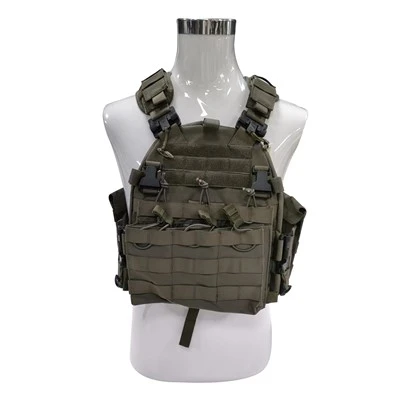
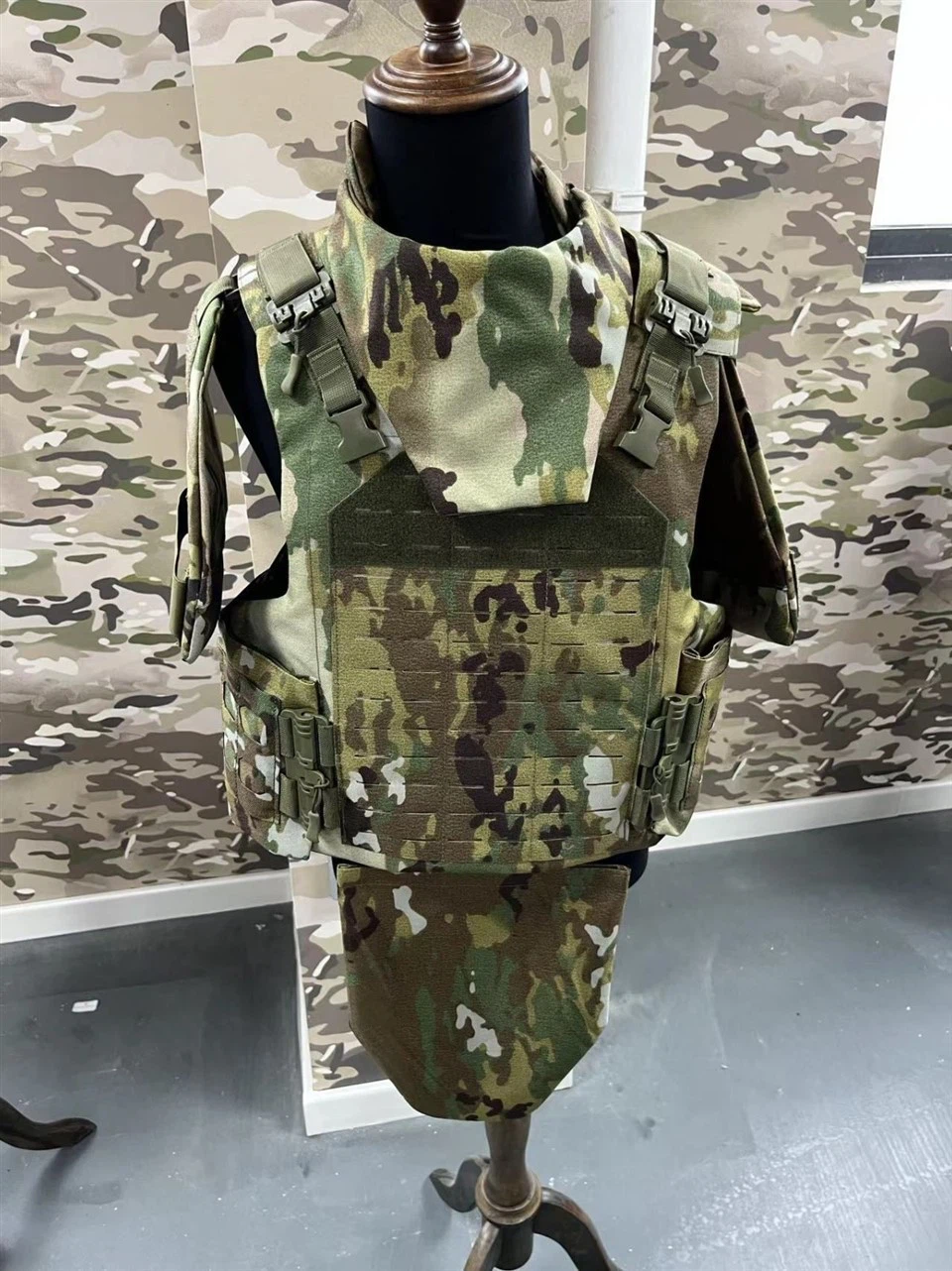
But not every journalist needs a vest that’s hidden under a blazer. Some are working in areas where blending in isn’t possible—like active combat zones, where they might be embedded with troops or working alongside aid groups. For those reporters, a tactical vest might make more sense, but it still needs to be adaptable. Our Tactical Vest is modular, so you can add or remove ballistic panels depending on the mission. If you’re just going to a press briefing, you can leave the extra plates at home; if you’re heading into a battle zone, you can add Level III or IV plates to stop rifle rounds. We also designed it with MOLLE webbing, so you can attach pouches for your camera, laptop, or water bottle—no more strapping gear to your belt or holding it in your hands while you run. I’ve seen this vest used by photojournalists covering the protests in Iran, by reporters embedded with Ukrainian troops, and by investigative journalists tracking down drug lords in Colombia. It’s tough enough for the worst environments, but it’s still customizable to what a journalist actually needs.
Then there’s the issue of concealable armor, which is perfect for journalists working in areas where overt armor could put them at risk. A lot of reporters I talk to hate wearing bulky gear because it makes them look like a target. Our Concealed Body Armor Vest is thin enough to be worn under a regular shirt, even a t-shirt, without anyone noticing. It’s also moisture-wicking, which is important if you’re working in hot, humid climates—no one wants to be soaked through with sweat while trying to ask a difficult question. This vest has been used by journalists covering political unrest in Turkey, by writers investigating government corruption in Brazil, and by reporters interviewing gang members in South Africa. The key here is that it’s not just concealable—it’s comfortable. If you’re wearing something that rubs or feels heavy, you’ll take it off when you’re not looking, and that’s when accidents happen.
Another product we’ve developed specifically for journalists is our Bulletproof Uniform. This is a full set of clothing—like a button-down shirt or a tactical jacket—that has ballistic panels sewn into the lining. It looks exactly like a regular work uniform, so you can wear it to court, to a press conference, or to a casual meeting, and no one will ever know. But when you walk into a dangerous area, the panels are there, stopping bullets and shrapnel. I had a reporter from Russia use this uniform during a crackdown on independent media, and he said it saved his life when security forces tried to attack him during a protest. He wore it under his coat every day, and when things got violent, he just pulled his coat back and the uniform was there. It’s a game-changer for journalists who need to maintain a professional appearance while staying safe.
But here’s the thing about bulletproof vests for journalists: even the best armor in the world doesn’t replace common sense and training. Over the years, we’ve worked with media organizations all over the world to teach reporters how to use their armor effectively. For example, you never want to wear a vest that’s too loose—bullets can get in around the edges, and shrapnel can reach your neck and shoulders. You also need to know how to move when you’re wearing armor—running in a bulky vest is different than running in regular clothes. That’s why we partner with groups like the Committee to Protect Journalists (CPJ) to host safety workshops, where we teach reporters about ballistic protection, how to choose the right vest for their assignment, and what to look for when buying armor. A lot of journalists don’t realize that not all vests are created equal—there are a lot of cheap, knockoff vests online that don’t meet NIJ standards, and they can actually be dangerous. We always tell reporters to buy from reputable companies, and to make sure their vest has been tested and certified.
Let me also talk about the cost, because that’s a big issue for a lot of journalists. Many reporters are freelance, living on tight budgets, or working for small outlets that can’t afford expensive gear. We’ve made a point to keep our journalist-specific vests affordable, because we believe everyone who’s doing important work deserves to be safe. We also offer discounts for independent journalists, non-profit media organizations, and CPJ members. Last year, we donated over 500 vests to reporters working in conflict zones, and we’ll keep doing that as long as we can. It’s not just a business—it’s a responsibility. I started this company because I lost a friend, a photojournalist named Chris who was killed in Iraq in 2004. He was wearing a vest that didn’t stop a sniper round, and it made me angry that someone who was just trying to tell the truth didn’t have the protection he needed. That’s why we pour every dollar back into making better, safer gear for people like Chris, and for the reporters out there putting themselves on the line today.
Of course, no armor is 100% bulletproof. Even the best NIJ Level IV vest can be penetrated by a high-powered rifle round if it hits a weak spot. And that’s why we always tell journalists that armor is part of a broader safety plan, not a solution on its own. That means having a media survival kit, knowing your escape routes, having a contact list of local fixers who can help you if you get into trouble, and knowing when to walk away from a story if it’s too dangerous. But armor is one critical piece of that plan. It’s not about being invincible—it’s about having a better chance of getting home safely after a long day of reporting, of finishing the story you started, and of coming back to your family.
So to answer the question: Yes, there are bulletproof vests for journalists. They’re not the bulky, uncomfortable military vests you might picture—they’re lightweight, concealable, customizable, and designed for the unique work that reporters do. Whether you need a vest that fits under a blazer for a press conference, a tactical vest that can handle rifle fire in a combat zone, or a full uniform that looks like regular clothes, we have options. Our Nij Iiia Ballistic Vest is perfect for most high-risk reporting, our Aramid Ballistic Vest offers extra durability for long field assignments, our Concealed Body Armor Vest keeps you safe without drawing attention, our Tactical Vest is modular for any mission, and our Bulletproof Uniform is the ultimate in discretion.
If you’re a journalist looking to invest in your safety, or if you work for a media organization that wants to provide gear for your team, I encourage you to reach out to us. We don’t just sell vests—we work with reporters to find the right solution for their specific needs, whether that’s a single vest for a freelance writer or bulk orders for a news organization covering a crisis. We can also connect you to safety resources and training programs to help you stay protected on the job. The truth is, journalists are the eyes and ears of the world. Without them, we’d never know about the wars, the injustices, or the triumphs happening in every corner of the globe. They deserve to come home safe, every single time.
References
- Committee to Protect Journalists. (2023). Attacks on the Press: 2023 Report. CPJ.
- National Institute of Justice. (2020). Ballistic Resistance of Body Armor (NIJ Standard 0101.06). U.S. Department of Justice.
- Aramid Fiber Manufacturers Association. (2022). Aramid Fibers: Properties and Applications. AFMA.
- World Health Organization. (2021). Safety of Journalists in Violent Contexts. WHO.
- American Body Armor. (2024). Product Test Reports for Ballistic Vests. ABA Internal Documentation.