Hey there, thanks for swinging by—if you’re here, chances are you’re either a police procurement officer, a fellow riot gear nerd, or someone who’s just realized how crucial it is to make sure the gear our frontline teams rely on isn’t just flashy, but actually works when it matters. As a supplier of police riot gear, I’ve seen firsthand how skipping proper inspections can lead to total disasters out on the line—think tear gas canisters leaking through a faulty uniform or armor plates that shift mid-clash. Today, I’m breaking down exactly what we (and every legitimate supplier and law enforcement agency) should be doing when inspecting riot equipment. No stuffy jargon, just real, actionable steps that come from years of working with teams across North America.
Let’s start with the basics: why inspections matter so damn much. When officers are deployed to control unruly crowds, they’re not just dealing with yelling—they’re facing flying projectiles, blunt impact, chemical agents, and even possible edged weapons. Any tiny defect in their gear isn’t a minor inconvenience; it’s a life-threatening risk. I’ve had a cop tell me once that a loose stitch in his old riot jacket got a protestor’s rock wedged in it, nearly cracking his ribs. That’s why every single piece of kit—from the smallest pair of gloves to the biggest full suit—needs a rigorous check-in, whether it’s new straight out of the box, pulled from storage for a deployment, or going back into service after a use.
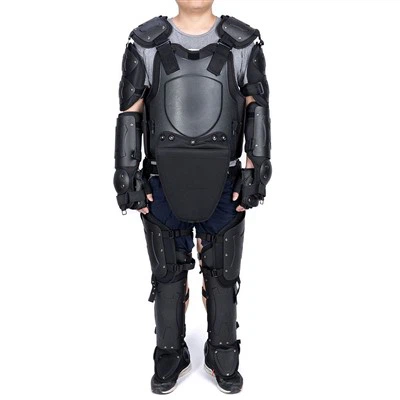
First up, pre-delivery inspections for new gear from a supplier’s end. We get so many questions from teams asking, “How do I know the gear I’m buying is actually certified?” The short answer is we do our own in-house checks before it ever leaves our warehouse. Let’s walk through that. For example, when we get a shipment of anti riot uniforms, we don’t just count boxes—we pull random samples. We check the fabric weight: riot gear fabric is usually 1000D nylon or something similar, and if it’s too thin, it won’t stop friction burns from crowd barriers or even light projectiles. We also look at stitching: every seam needs at least 8 stitches per inch, and double-stitched at high-stress points like the shoulders and crotch. That’s why when you check out our Anti Riot Uniform, you’ll see we note that all seams are reinforced with webbing for extra durability—we don’t cut corners here.
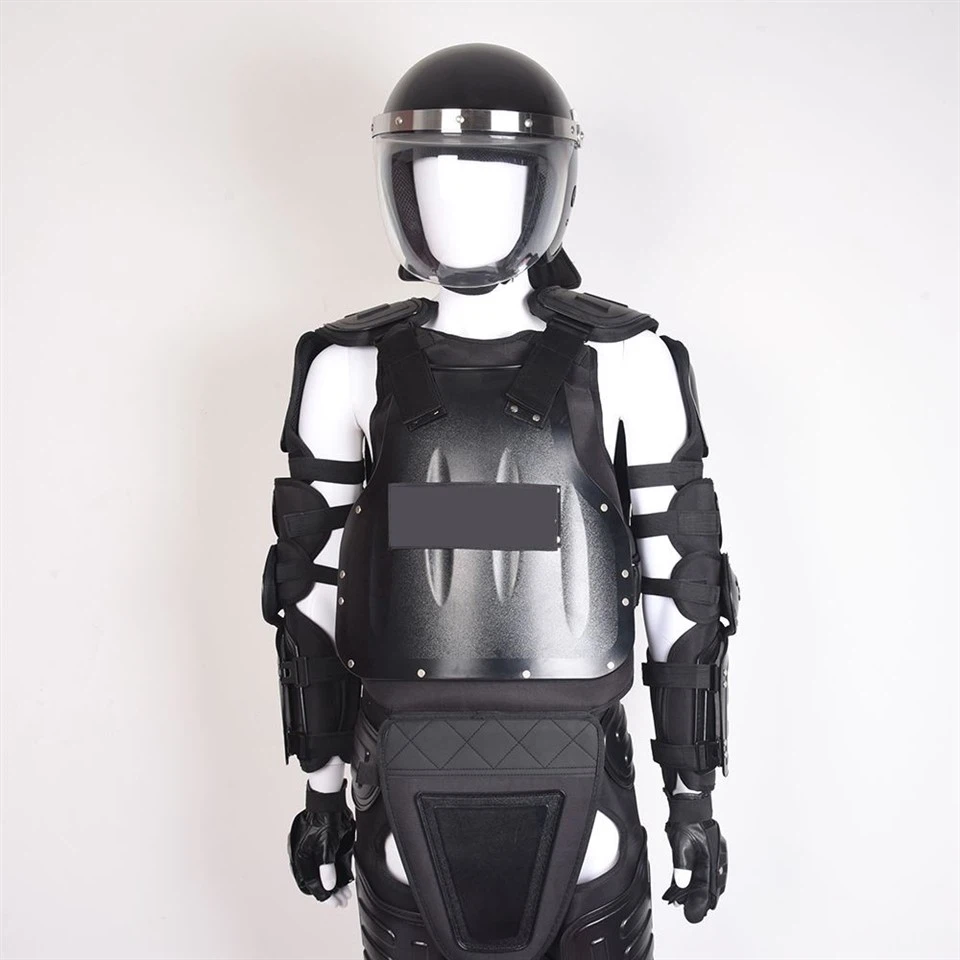

Next, for riot jackets specifically, we do impact testing on a small scale (not with live rounds, obviously—we use a weighted rubber ball that simulates a rock’s force). We check the collar and wrist cuffs for adjustability—if a cuff is too loose, tear gas or pepper spray can seep in through gaps. We also inspect the reflective strips, which are non-negotiable for low-light deployments. I once saw a rookie cop get hit by a non-urgent supply van at dusk because his jacket’s reflective tape had peeled off after a single use—avoidable if we’d caught that in pre-delivery checks. Our Riot Jacket page goes into more detail on all these specs, by the way.
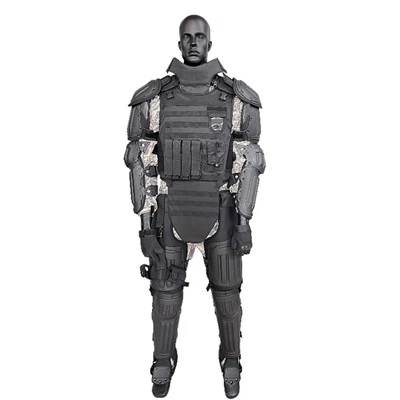
If we’re talking about full police riot suits, that’s a whole other level of checks. These aren’t just a jacket and pants thrown together—they have integrated armor, respiratory protection pockets, and sometimes groin shields. When we inspect these, we test the attachment points for the armor plates: if the plate moves even an inch, it’s useless. We also check the ventilation zippers—during long deployments in 90-degree heat, officers sweat through their gear fast, so ventilation needs to work without letting in projectiles. And don’t even get me started on the gas mask compatability—if the suit’s collar catches the mask hose, that’s a major problem. Our Police Riot Suit is designed with that in mind, but we still check every single one before it ships.
Now, what about when gear is in storage or has been used? That’s where the real day-to-day inspections come in, and this is something agencies often get wrong. We advise teams to do two types of checks: a quick pre-deployment check (every single time the gear is pulled out) and a deep annual inspection (when gear is cleaned and serviced). Let’s start with the quick check. Before any shift, each officer should spend 2 minutes going over their kit. For the anti riot gear as a whole, that means:
- Visual Check: Look for tears, fraying, or any signs of wear on the fabric, straps, and zippers. For armor, run your fingers over the plates to look for dents, cracks, or delamination—if a plate has even a tiny crack, it needs to be replaced immediately. I’ve seen guys try to “buff out” a dent in an armor plate—don’t do that. A dent can mean the internal structure is compromised, and it won’t stop a rock or baton impact.
- Function Check: Zip up the jacket and pants, make sure all adjusters (Velcro, buckles, straps) work properly. Put on the gas mask (if part of the kit) and check the seal—breath in hard; if you feel air leaking around the nose or cheeks, adjust the straps, and if that doesn’t fix it, the mask is bad. For gloves, make sure the fingers aren’t torn and the grip is intact—you need to hold a riot shield steady, after all.
- Gap Check: This is super important for chemical agents. Make sure there are no gaps between the collar and mask, or between the glove cuffs and jacket sleeves. Even a small gap can let in enough tear gas to incapacitate an officer in minutes.
Then there’s the deep annual inspection, which we recommend teams either do in-house with a trained technician or send back to a supplier like us. Here’s what that entails:
- Cleaning and Sanitization: Riot gear gets covered in all kinds of gunk—sweat, chemical residues, dirt, even paint from protestors. Some chemicals can break down the fabric over time, so you can’t just hose it off and call it a day. We use a mild, pH-neutral detergent and a low-pressure wash to avoid damaging the fabric’s tear resistance. For armor plates, you have to be extra careful—high-pressure water can get into cracks and cause corrosion.
- Component Testing: We test the zippers for smooth operation and replace any that stick. We check the Velcro on patches and attachments—if it’s not gripping strong, it won’t keep armor in place. For full suits, we test the integrity of the emergency release straps—if an officer gets entangled, that strap needs to work instantly.
- Certification Check: All riot gear has a lifespan—usually 5 to 7 years, depending on use and storage. Even if it looks perfect, the materials (like the fabric’s resistance to abrasion and impact) degrade over time, especially if stored in a damp area. We run lab tests on old samples to confirm they still meet safety standards, and we’ll tell you when it’s time to retire a piece instead of risking it.
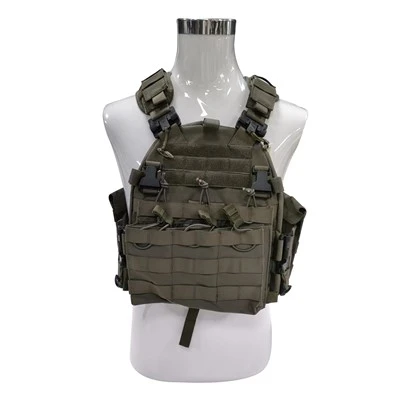
Wait, let’s talk about storage too—because even the best gear will fail if stored wrong. We always tell teams to store riot gear in a cool, dry place, not in a damp basement or a hot garage. Direct sunlight can fade the fabric and break down the UV-resistant coatings that protect against chemicals. Never fold armor plates—store them flat to avoid warping. And don’t pile gear on top of each other; that can bend plates and stretch out straps. Our Anti Riot Gear page has a whole section on storage best practices, which I’ve seen save agencies hundreds of dollars in premature gear replacement.
I should also mention that inspections aren’t just for used gear—even new gear needs a second look. We once had a shipment of anti riot uniforms that had a batch with defective Velcro on the waistband. Our pre-delivery check caught it, so we replaced it before it went out to the agency, but if we’d skipped that step, those officers would’ve had ill-fitting gear on their first deployment. That’s why we never skip a single check, even for stuff fresh off the production line.
Another thing: training the people doing the inspections. It doesn’t matter how detailed your checklists are if the person checking doesn’t know what to look for. We offer free training for agencies that buy from us—we walk their officers and quartermasters through exactly how to inspect each piece of gear, from feeling for tiny cracks in armor plates to testing the seal on gas masks. I’ve seen a team catch a faulty plate during training that they would’ve missed otherwise, and that’s exactly why we do it.
Now, let’s address a common myth I hear all the time: “Expensive gear is better, so I don’t need to inspect it.” Nope, not true. We’ve seen cheap imported riot jackets that look great but have fabric that tears when you rub it once with a rough surface. Inspections catch that before it’s a problem. Conversely, we’ve had high-quality gear that got damaged in storage because the agency stacked boxes on it, so a deep annual check found that damage before deployment. It’s not about the price tag—it’s about consistent, thorough checks.
If you’re out there responsible for ordering or maintaining police riot equipment, I can’t stress enough how important these steps are. At the end of the day, every officer heading into a riot control situation is counting on their gear to have their back. A missed stitch, a dented plate, a sticky zipper—none of these are trivial when someone’s safety is on the line.
If you’re looking to upgrade your gear, or just want to learn more about our inspection processes (or how our gear passes those checks), feel free to reach out to our team. We’re not just a supplier—we work with agencies to make sure their kit is safe, reliable, and ready for whatever comes their way.
References
- National Institute of Justice. (2020). Riot Control Equipment Safety Standards and Inspection Protocols. U.S. Department of Justice.
- International Association of Chiefs of Police. (2021). Best Practices for Riot Gear Maintenance and Deployment. IACP Publications.
- European Police Office. (2022). Technical Specifications and Inspection Guidelines for Anti-Riot Equipment. EUROPOL Security Research Division.