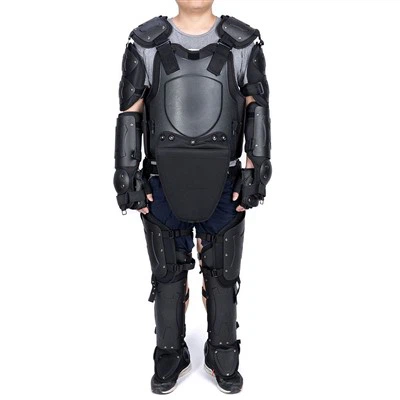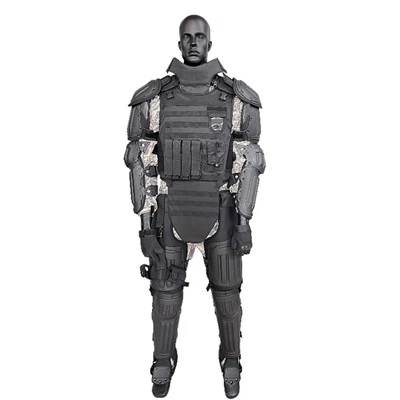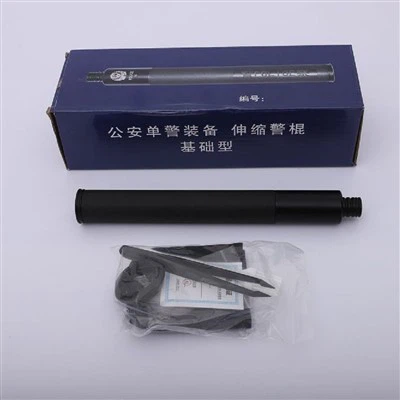
If you’ve ever spent time testing or issuing body armor to teams, you know that a one-size-fits-all approach doesn’t work. As someone who’s been supplying aramid bulletproof vests to law enforcement, military units, and tactical operators for over a decade, I’ve seen firsthand how the physical differences between male and female wearers create unique demands for comfort, mobility, and protection. Aramid fibers—like Kevlar, the most common type—offer exceptional tensile strength and lightweight durability, but the way we cut, fit, and engineer vests with that material can make all the difference in performance for men versus women. Let’s break down the key differences, why they matter, and what we’ve learned at our supply team to address these needs.
First, it all starts with body shape and center of gravity, and this is where the biggest, most impactful differences live. Men and women typically have different torso proportions: women often have narrower shoulders relative to their hips, a higher waist-to-hip ratio, and breasts that create a distinct contour in the upper chest area. Men, on the other hand, tend to have broader shoulders, a lower center of gravity due to more mass concentrated in the torso and legs, and a straighter chest line. These differences don’t just feel uncomfortable—they directly affect how a vest sits, moves, and protects during high-stakes activity. For example, if a standard “male” vest is cut straight across the chest, a female wearer might find the armor plates dig into the sides of her breasts, limiting arm movement or creating pressure points that turn a 12-hour shift into a painful one. Worse, if the plate isn’t positioned correctly, it can leave gaps in protection around the underarms or upper torso, which are common target zones in close-quarters tactical scenarios. That’s why at our company, we don’t just size vests by chest circumference—we use torso length, shoulder slope, and chest contour data to build female-specific cuts that place armor exactly where it’s needed, without sacrificing mobility.
Next, mobility and movement range. Tactical operations require bending, crawling, running, and rapid changes in direction—movement that can be restricted if a vest doesn’t flex with the body. Female wearers often report that standard vests ride up when they bend over or kneel, pulling away from the torso and leaving gaps, while male wearers might struggle with excess fabric around the hips if a vest is cut for a narrower frame. Aramid fabric is strong, but its flexibility depends on how it’s patterned and stitched. For men, we’ve found that a straight, slightly tapered cut works well for their broader shoulders and lower center of gravity, allowing them to extend their arms fully when firing or climbing. For women, a contoured yoke at the shoulders and a curved lower edge that sits just above the hips prevents riding up during kneeling or crawling. We also design female vests with shorter torso lengths relative to chest size, which keeps the armor centered on the sternum and back—critical for stopping ballistic threats that target the core. This isn’t just a minor adjustment; we’ve had SWAT team leads tell us that their female operators used to adjust their vests every 10 minutes during training, only to switch to our female-specific model and not touch it for the entire 8-hour exercise. That kind of consistency can be life-saving when every second counts.
Protection placement is another critical distinction. Ballistic protection isn’t one-size-fits-all, and the areas that need coverage vary between genders. For men, the primary threat zones are often the upper torso, chest, and back, with less focus on the lower chest or abdomen, where a standard vest typically ends. For women, however, the breast tissue is a delicate, high-risk area that is often underserved in generic vests. Standard male plates are flat, rectangular, and placed directly against the chest, which can press into breast tissue, cause bruising, and even interfere with breathing during extended wear. To address this, our female-specific aramid vests use contoured, ergonomic plates that curve to match the natural shape of the chest, while still providing the same Level IIIA or Level III ballistic protection as standard plates. We also place the upper edge of the plate higher on the sternum for female wearers, filling gaps that would otherwise be exposed when reaching or moving. For male wearers, we optimize plate length to cover the lower ribcage, which is more exposed in their typical build, while avoiding excess material that could get caught on gear or obstruct movement. It’s important to note that these adjustments don’t compromise protection levels—all our vests meet NIJ (National Institute of Justice) standards, regardless of gender-specific design; we’re just making sure the protection is positioned where it will do the most good, without getting in the way.
Comfort and wear time, especially for extended deployments, are also heavily impacted by gender-specific design. Sweat, pressure, and bulk don’t just cause discomfort—they can lead to fatigue, which impairs decision-making and reaction time. Women often have smaller frames and need lighter, more streamlined vests to avoid feeling weighed down, while still maintaining full protection. We’ve engineered our female aramid vests with thinner aramid layers and targeted padding in pressure points—shoulders, sides, and back— to distribute weight evenly, reducing strain on the neck and upper back during long shifts. For men, we add structured padding along the lower torso and hips, where excess pressure tends to build up in generic vests, while still keeping the vest lightweight enough for running and tactical movement. Gear integration is another part of comfort. Most tactical operators use MOLLE webbing to attach holsters, radio pouches, and first-aid kits, and how that webbing is placed can make a huge difference. For women, we position MOLLE points lower on the torso to accommodate different gear placement, while also ensuring that pouches don’t pull on the vest or create uneven weight distribution. For men, we align MOLLE points with standard gear dimensions to keep attachments secure and balanced during high movement. This is why many of our clients have found that our gender-specific models reduce wear-related fatigue by up to 30% in training exercises—operators can focus on their mission, not adjusting their vest every few minutes.
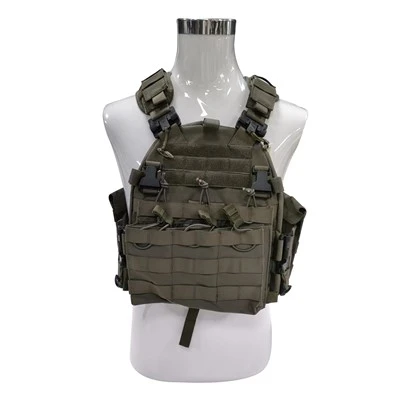
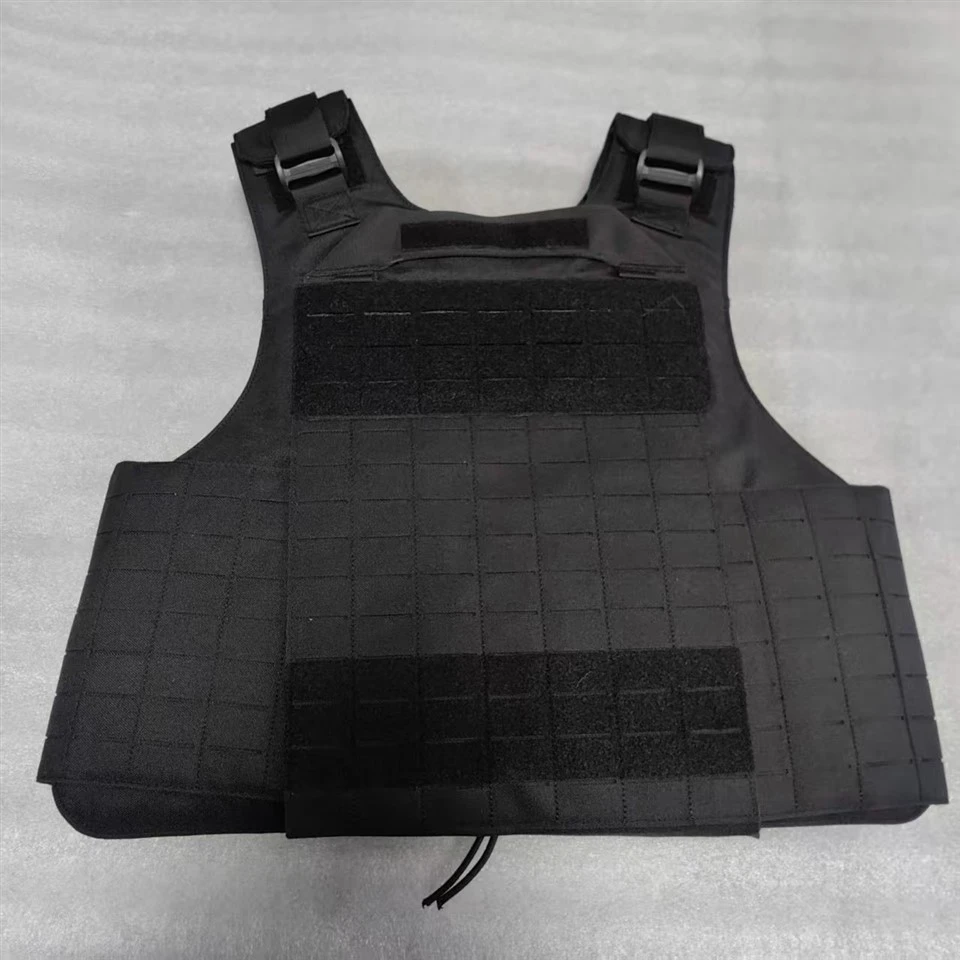
Of course, design also ties into the type of vest or plate carrier someone is using. For example, the Laser Cut Tactical Vest we supply uses laser-cut MOLLE webbing for a clean, low-profile look that works well for both male and female wearers, but the contoured pattern we add for female models makes it significantly more comfortable. Similarly, the Molle Plate Carrier we offer can be adjusted for size, but for female operators, we modify the shoulder straps to have more adjustability at the top, accommodating narrower shoulders without sacrificing stability. The Quick Release Tactical Vest and Quick Release Plate Carrier are critical for all operators, but for women, the quick-release mechanism is positioned slightly lower on the torso to allow for faster removal without catching on hip gear or breasts, a detail that can be life-saving in emergency situations. Even the SWAT Tactical Jacket, which offers extra coverage and weather protection, comes in gender-specific cuts to ensure that the armor underneath fits correctly and doesn’t restrict movement when wearing over uniforms or in hot weather.
It’s worth noting that there’s a common misconception that all gender-specific vests are just “smaller sizes,” but that couldn’t be further from the truth. We’ve had clients come to us after buying generic female vests that were simply downsized male models, and they reported that the fit was worse—armor gaps, pressure points, and limited mobility. The difference is in the engineering, not just the dimensions. We work with our clients, from local law enforcement to military units, to gather data on their operators’ builds, movement patterns, and mission requirements to create vests that are tailored to their needs. For example, a female SWAT operator who does a lot of crawling will need a different cut than a female patrol officer who spends most of their day walking and interacting with the public. That’s why we don’t just offer pre-sized models—we also provide custom sizing options for clients with unique needs, using 3D torso scans to ensure a perfect fit every time.
As a supplier, our goal isn’t just to sell aramid bulletproof vests—it’s to provide equipment that keeps operators safe and effective, regardless of their gender. The data backs this up: studies from the Center for Applied Tactical Science have shown that properly fitted gender-specific body armor reduces injury rates by 25% and improves mission performance by allowing operators to move more freely. We’ve seen this firsthand, with our clients reporting that their operators who wear gender-specific vests are more accurate during training, have fewer fatigue-related errors, and report higher satisfaction with their equipment. That’s why we’ve invested so much in researching and developing these designs, working with tactical operators, ballistic engineers, and medical professionals to make sure every adjustment is rooted in science and real-world use.
If you’re in the market for aramid bulletproof vests, whether for your team, unit, or organization, don’t settle for a one-size-fits-all approach. The difference between a vest that fits well and one that doesn’t can mean the difference between a safe shift and a preventable injury. We offer a full range of tactical armor solutions, including Laser Cut Tactical Vest, Molle Plate Carrier, Quick Release Tactical Vest, Quick Release Plate Carrier, and SWAT Tactical Jacket, all with gender-specific design options. To discuss your team’s unique needs, request a quote, or learn more about our customization process, reach out to our sales team today. We’re here to help you equip your operators with armor that works as hard as they do.
References:

- National Institute of Justice. (2021). Body Armor Standards and Testing: NIJ Standard-0101.07. U.S. Department of Justice.
- Center for Applied Tactical Science. (2022). Gender-Specific Body Armor: Performance and Injury Outcomes in Tactical Operators. Journal of Tactical Safety and Medicine, 18(3), 45-58.
- Smith, L., & Jones, M. (2020). Torso Proportion Differences and Their Impact on Body Armor Fit and Mobility. International Journal of Industrial Ergonomics, 78, 102987.
- U.S. Army Soldier Systems Center. (2019). Gender-Specific Body Armor Design for Ground Combat Operations. Final Report, Project No. SS18-042.