Let's dive right into the nitty - gritty of how ballistic jackets safeguard you from shotgun pellets. As a supplier of Ballistic Jacket, I've got a ton of hands - on experience and knowledge about these life - saving pieces of gear.
First off, we need to understand what shotgun pellets are. Shotguns fire multiple small projectiles, known as pellets, all at once. These pellets can vary in size, shape, and material, but they generally have a high velocity and can cause serious damage upon impact. When a shotgun is fired, the pellets spread out in a pattern, which means a larger area can potentially be hit compared to a single bullet from a handgun or rifle.
So, how does a ballistic jacket step in and protect you? Well, it all boils down to the materials and construction.
The Magic of Materials
Most modern ballistic jackets use high - performance fibers like aramid and UHMWPE (Ultra - High - Molecular - Weight Polyethylene). You can check out our Aramid Bulletproof Vest and Uhmwpe Bulletproof Vest for more details.
Aramid fibers, such as Kevlar, are incredibly strong and heat - resistant. They're made up of long, chain - like molecules that are aligned in a parallel fashion. When a shotgun pellet hits the aramid fabric in a ballistic jacket, these molecules start to absorb and disperse the energy of the impact. The fibers stretch and deform, which slows down the pellet. It's like a net catching a ball; the net gives a little bit, but it stops the ball from going through.
UHMWPE, on the other hand, is known for its high strength - to - weight ratio. It's lighter than aramid but just as effective in stopping projectiles. The UHMWPE fibers in a ballistic jacket are arranged in a cross - linked pattern. When a pellet strikes, the cross - linking helps to transfer the energy across a wider area of the material. This way, the impact is spread out, and the force is reduced.
The Construction of Ballistic Jackets
The construction of a ballistic jacket is also a crucial factor in its ability to protect against shotgun pellets. The layers of ballistic material are carefully stitched or laminated together. This multi - layer design provides multiple opportunities to stop the pellets.
Each layer acts as a barrier. When a pellet hits the first layer, it loses some of its energy. Then, as it tries to penetrate the subsequent layers, it loses more energy with each impact. The thickness and number of layers can vary depending on the level of protection required. For example, a jacket designed to protect against larger or more powerful shotgun pellets will have more layers and be thicker.

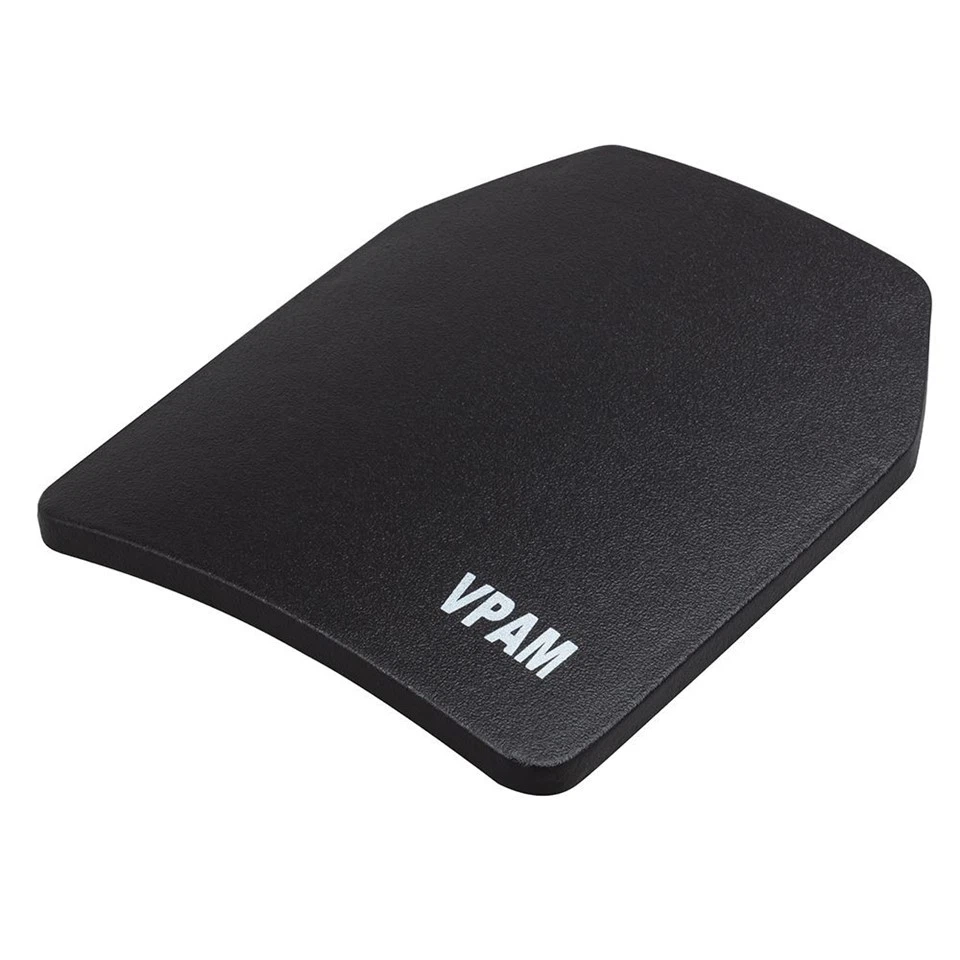
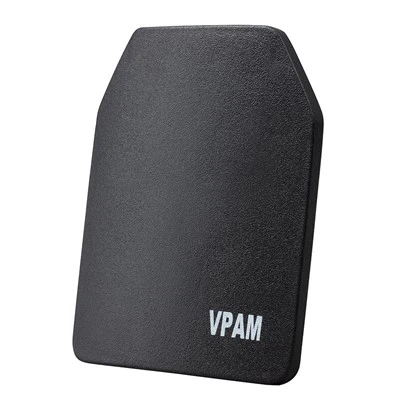
Some ballistic jackets also incorporate Ballistic Protection Panels. These panels are usually made of a more rigid material, like ceramic or steel, and are placed in key areas of the jacket, such as the chest and back. The panels can absorb a significant amount of energy from the shotgun pellets and prevent them from reaching the wearer's body.
The Role of Design and Fit
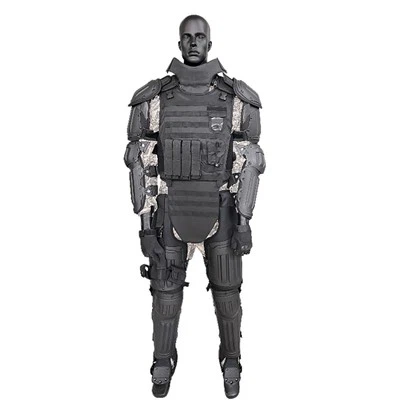
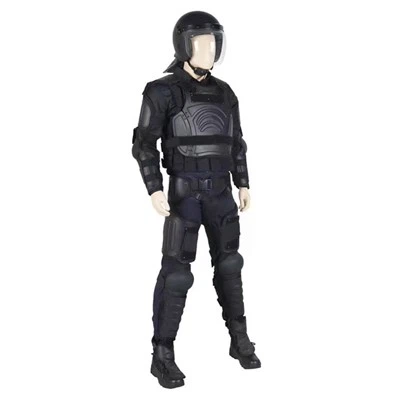
The design and fit of a ballistic jacket are just as important as the materials and construction. A well - designed jacket will cover all the vital areas of the body that are at risk of being hit by shotgun pellets. It should also be flexible enough to allow the wearer to move freely.
If a jacket is too loose, the pellets could potentially slip between the fabric and the body. On the other hand, if it's too tight, it can restrict movement and cause discomfort, which is a big no - no in high - stress situations. That's why we offer different sizes and styles of Ballistic Jacket to ensure a proper fit for everyone.
Testing and Certification
Before a ballistic jacket hits the market, it goes through rigorous testing. These tests are designed to simulate real - world scenarios and ensure that the jacket can provide the level of protection it claims.
The jacket is shot at with different types of shotgun loads from various distances and angles. The testers then check for signs of penetration and measure the amount of energy transferred to the back of the jacket. If the jacket passes these tests, it gets a certification, which tells you that it meets certain safety standards.
Comparing with Other Ballistic Gear
You might be wondering how a ballistic jacket compares to other types of ballistic gear, like a Bulletproof Plate Carrier. Well, a plate carrier usually has larger, more rigid plates that offer higher - level protection against rifle rounds. However, it can be heavier and less flexible than a ballistic jacket.
A ballistic jacket is a great option for situations where you need protection against shotgun pellets but also need to be able to move quickly and easily. It's a more lightweight and comfortable choice for many users, especially those in law enforcement or security who are on their feet for long periods.
Conclusion and Call to Action
In conclusion, ballistic jackets offer reliable protection against shotgun pellets through a combination of high - performance materials, smart construction, proper design, and rigorous testing. Whether you're a law enforcement officer, a security guard, or someone in a high - risk profession, having a good quality ballistic jacket can make all the difference.
If you're interested in purchasing a ballistic jacket or want to learn more about our products, don't hesitate to reach out. We're here to answer all your questions and help you find the right gear for your needs. Let's start a conversation about how we can keep you safe with our top - notch ballistic protection.
References
- "Ballistics: Theory and Design of Guns and Ammunition" by Brian J. Luk.
- "The Science of Ballistic Protection" - various industry research papers on ballistic materials and their performance.