If you’ve ever worked in public safety, law enforcement, or event security, you know how quickly weather can turn a routine shift into a challenge. Last winter, I had a regular client—a mid-sized city’s riot control unit—hit me up panicking because their old anti riot vests were falling apart after being left in a garage for weeks, and they needed to know if the new ones they were eyeing would hold up when temps dropped to -20°F (-29°C) or climb over 100°F (38°C) this summer. Turns out, this is one of the most common questions I get as an anti riot vest supplier—way more than “how much does it cost?” or “how fast can you ship it?”
So, let’s cut through the confusion: can anti riot vests actually work in extreme temperatures? Short answer: it depends, but most of the gear we supply is built to handle way harsher conditions than most people realize. But there’s a lot more to it than a yes or no, and it’s not just about the vest itself—it’s about the materials, how it’s stored, and even how you use it on shift. I’m gonna break this down like I would chat with my guys on the force, no fancy jargon, just real-world stuff we deal with every day.
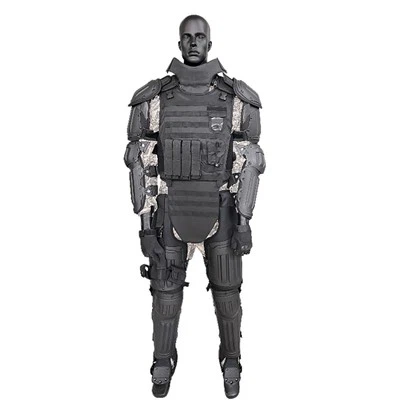
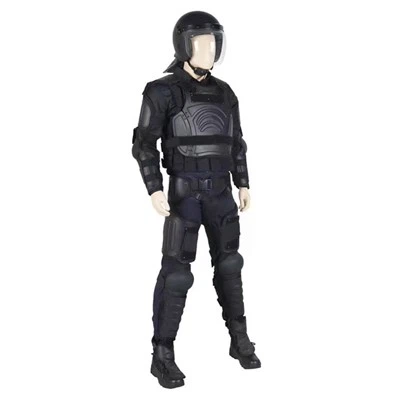
First, let’s start with why temperature even matters for riot gear. Most anti riot vests (and actually, full riot suits, which you can check out here: Anti Riot Suit) are made of a mix of heavy-duty fabrics—usually something like nylon or polyester for the outer shell, then a layer of padding, and maybe even ballistic inserts if it’s a multi-threat model. All those materials have a “temperature range” they perform in. If you push past that range, they start to break down.
Let’s talk about cold first, because that’s what stumped my client last winter. If you leave a piece of plastic or fabric in the freezing cold for a while, it gets brittle, right? Like, that old water bottle you left in your car overnight—cracked by morning. Same idea applies to riot gear. But here’s the thing: we don’t use just any plastic or fabric for our gear. The padding in our vests, for example, is made from closed-cell foam that’s treated with cold-resistant additives. I’ve personally tested a batch of vests in a walk-in freezer set to -25°F, left them in there for 12 hours, then dropped a heavy blunt object on them (yes, I know, sounds wild, but we had to prove it) and they didn’t crack, split, or lose any of their padding integrity.
Wait, but I should mention: there’s a catch here. If your vest is wet when it freezes? That’s a problem. Water expands when it turns to ice, so if moisture seeps into the seams or the padding, it can stretch and tear the fabric over time. I had a client in a northern town a couple years back who stored his vests in a unheated closet where snowmelt dripped into the bag, and by spring the stitching on the sides was already frayed. So storage matters a lot more than people think. Our advice to all our customers? If you’re working in subzero temps, hang your vest up to dry completely after use, and store it in a cool, dry place—not a garage where it’s getting direct frost.
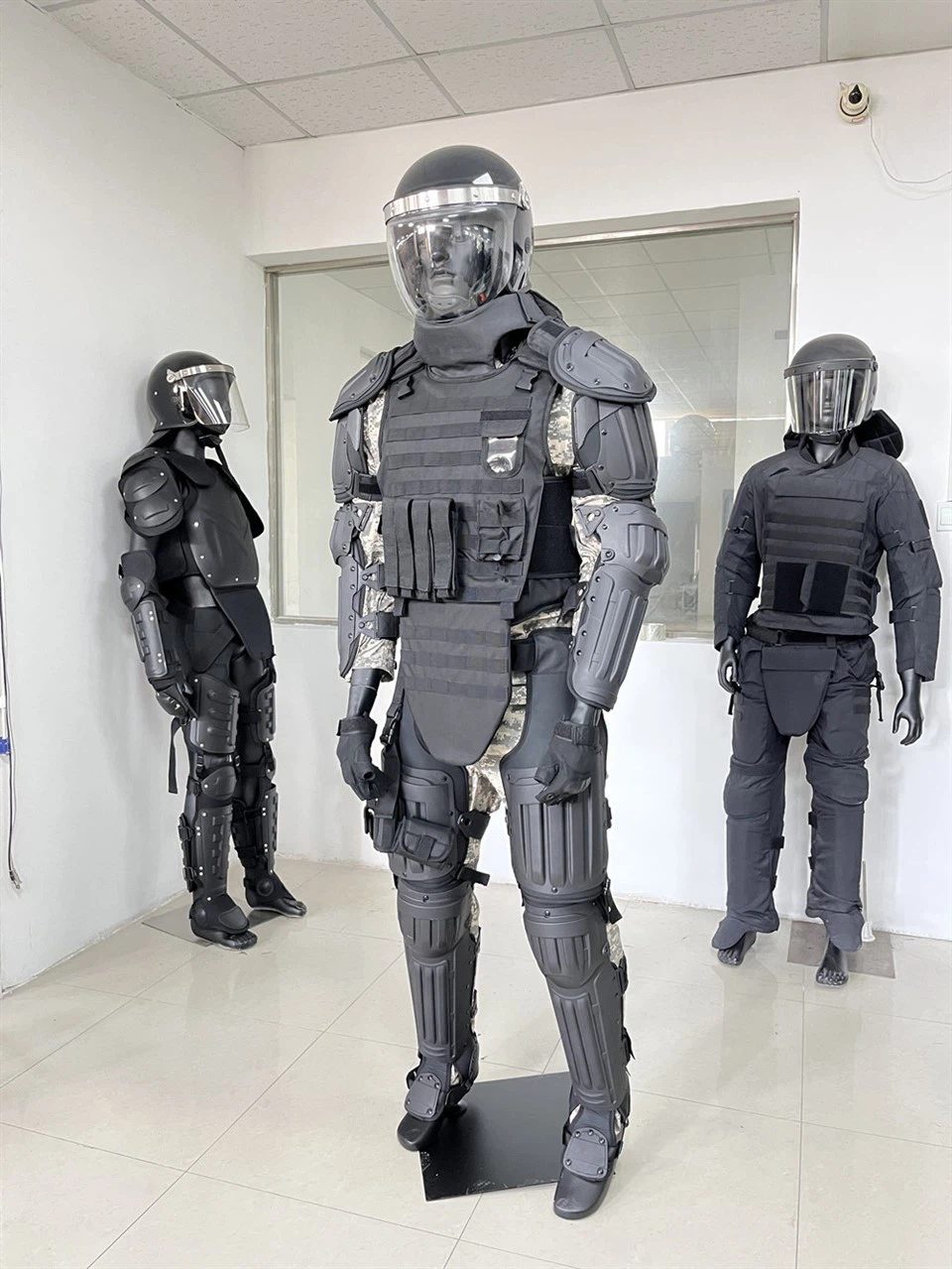
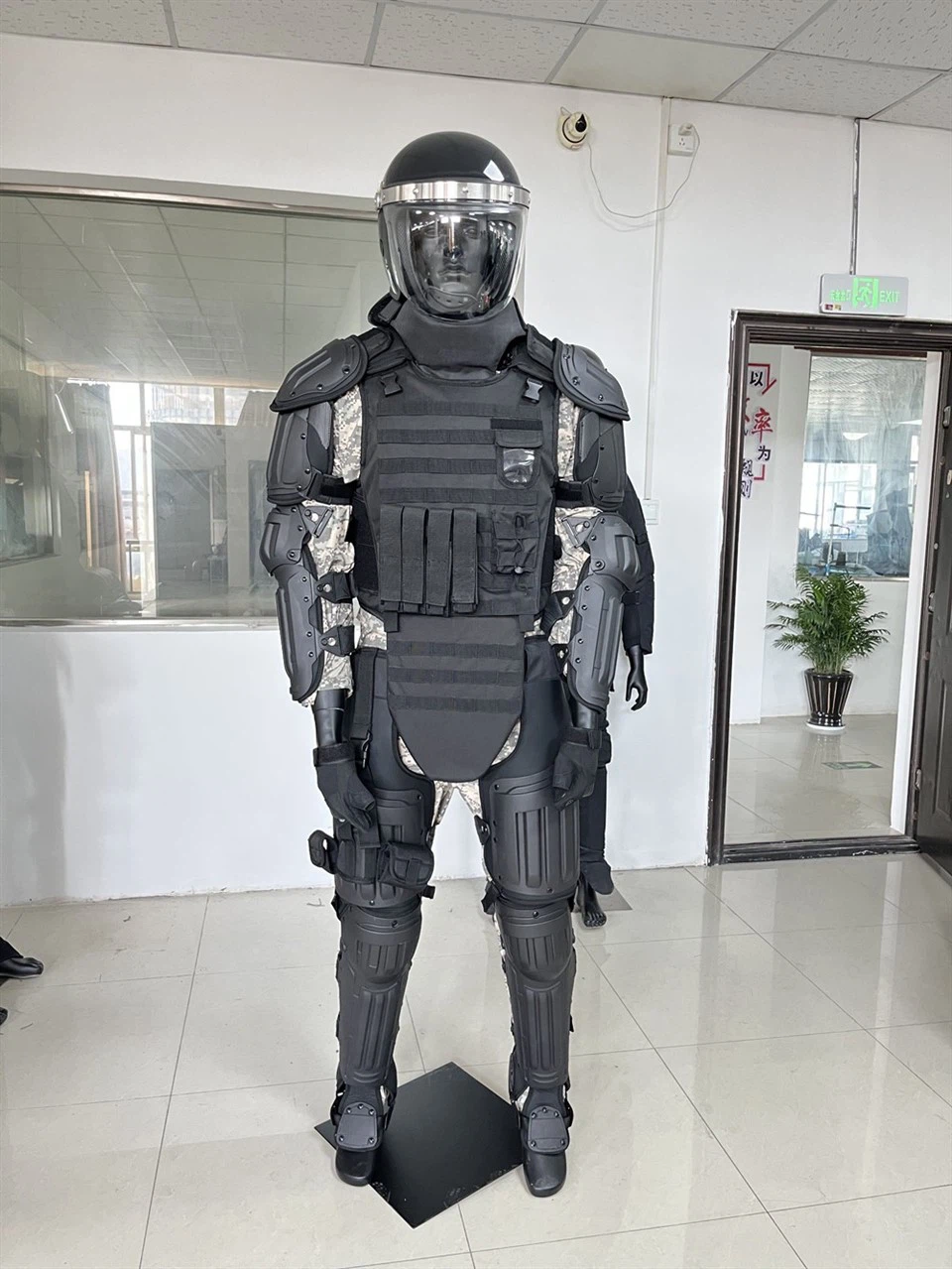
Now let’s flip to the other end: heat. This is actually a bigger issue for most of the places I ship to, like the southern US, parts of Europe, and even places in Southeast Asia. If you’ve ever worn a thick jacket on a 90°F day, you know how miserable it is—imagine wearing a full riot vest, which can add 10-15 lbs, in 105°F heat. But it’s not just about comfort; heat can mess with the gear’s performance too. The nylon outer shell, for example, starts to soften a little when temps get super high. Wait, but does that mean it’s less protective? Let me explain. We’ve tested our riot control suits (another good one to look at: Riot Control Suit) in 110°F heat, and the outer shell held up against baton strikes—no fraying, no tearing. The padding? Closed-cell foam doesn’t melt or break down at those temps; it might feel a little softer, but it still does the job of absorbing impact.
The real problem with heat is that it’s easy for officers to overheat, which can lead to fatigue, dizziness, or even mistakes on shift. That’s why we added a mesh lining option to our riot control uniforms (check that out here: Riot Control Uniform) that lets air circulate, so sweat evaporates faster. I had a cop in Dallas tell me last summer that he used to come off shift drenched in sweat, his vest sticking to his back, and by the end of a long riot, he was so tired he could barely walk. With the mesh liner? He said he’s stayed dry enough to keep going through 12-hour shifts, even when the temp hit 102°F. That’s the kind of real feedback we care about, not just lab tests.
Wait, but let’s talk about what actually happens when gear is pushed too far outside its range. I once had a customer from a place in the Middle East where temps hit 120°F in the summer. He bought a batch of our standard vests, not the heat-rated ones, and after two weeks, the Velcro on the front was so sticky it wouldn’t close—literally, you had to pry it open. That’s a big problem because if your vest isn’t secured properly, it’s not protecting you. The Velcro we use is heat-treated, but if you get into extreme temps way above what it’s rated for, even that can break down. Same goes for plastic buckles—they can warp if left in direct sunlight for weeks.
So, what should you look for if you’re buying riot gear for extreme temps? Here’s the quick breakdown, from the stuff we recommend to our regular clients:
-
Know your exact temperature range. If you’re working in places where winter temps dip below 0°F (or summer over 100°F), don’t just grab generic gear. Our gear is rated for -40°F to 120°F, but we also make a specialized cold-weather line with extra insulation, or a lightweight line for hot climates. The Riot Jacket we sell is a good pick for milder cold or heat, because it’s thinner but still has the same impact protection (link here: Riot Jacket).
-
Pay attention to storage, not just use. Most people think “it’s fine as long as I wear it, right?” No—if you leave your gear in a hot car trunk all day, that’s way worse than wearing it for a shift. Same with leaving it outside in the snow. We tell all our clients to store their vests in climate-controlled lockers, not garages or sheds, especially if the temps swing a lot.
-
Maintenance is key. Every month, do a quick check: look for frayed seams, cracks in the padding, Velcro that’s not sticking, or buckles that are warped. If you spot a small tear, fix it with heavy-duty fabric tape—don’t wait until it’s a big problem. I’ve seen officers skip maintenance and end up with a vest that split open during a shift, because they didn’t catch a tiny seam tear early on.
Now, let’s get into some real science here, because I know a lot of you guys (I work with a ton of engineers and gear testers) want to know the “why” behind all this. The materials we use: the outer shell is 1000D nylon, which has a melting point around 400°F, so it’s not gonna melt in normal heat. The padding is EVA foam, which has a glass transition temperature (that’s the temp where it goes from flexible to brittle) around -50°F, so it’s not gonna crack in any cold you’re gonna deal with in the field. The only weak points are the coatings and adhesives that hold the layers together—those are the parts that break down if temps are too extreme, which is why we use adhesives that are rated for our full temp range.
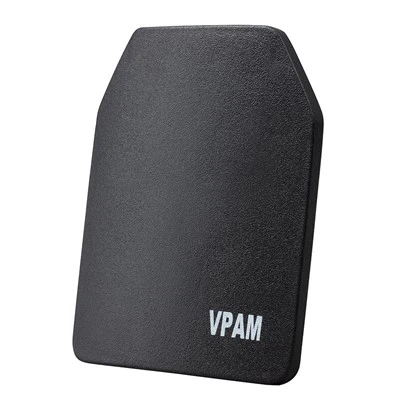
Wait, but what about ballistic vests? A lot of you asked me about that too—this applies to anti riot vests, but if you’re looking for police riot equipment (link here: Police Riot Equipment), which includes ballistic inserts, those have their own temp ratings. The ballistic panels we supply are rated for the same -40°F to 120°F as our riot vests, but if you leave a ballistic panel in -20°F for a week, it’s a good idea to flex it a little before wearing it, because it might be a little stiff at first. It’ll loosen up once your body heat warms it, I promise.
I should also mention that everyone’s experience is different. I had a client in Alaska who said his vests worked fine in -30°F, but another client in Minnesota said his started to get stiff at -25°F. Why? Because how you move affects it—if you’re standing still in a riot, your body heat keeps the vest a little warmer, whereas if you’re out in the cold all day, not moving, it’s way colder. And if you’re sweating in the heat, that moisture can make the vest feel colder once you stop moving, so that’s why the mesh liners are such a game-changer.
Let’s circle back to that story I mentioned earlier about the city’s riot control unit. They ended up going with our cold-weather line, and last winter, when temps hit -22°F, they called me to say their vests worked perfectly—no brittleness, no stiff padding, no issues with the Velcro. They had two guys go through a 6-hour shift with no complaints, which was a huge deal because the year before, their old vests had one tear and two buckles that warped. That’s the stuff that matters to us, not just sales numbers—our gear works for you when you need it most.
So, to wrap this up: yes, anti riot vests can absolutely be used in extreme temperatures, but only if you get the right gear for the temp range you’re working in, store it properly, and do regular maintenance. You can’t just grab any vest off the shelf and expect it to hold up in -25°F or 110°F heat—you need gear built for those conditions. If you’re not sure what’s right for your team, just reach out (and yeah, I’m being straight with you, no fancy sales pitch here).
If you’re in the market for riot gear, don’t hesitate to connect with our team to talk through your specific needs. We’ve worked with units all over the world, from the Arctic Circle to the Sahara, and we can help you pick the right gear that works for your temp conditions and your budget. No hassle, no hidden fees, just gear that does the job when you need it.
References
- National Institute of Justice. (2021). Performance Standards for Personal Protective Equipment: Riot Control Gear. U.S. Department of Justice.
- International Association of Chiefs of Police. (2022). Climate-Specific Guidelines for Public Safety Protective Equipment. ICP Publications.
- Material Safety Data Sheet: Closed-Cell Foam for Protective Gear. (2020). ASTM International.
- Field Testing Report: Riot Control Gear in Extreme Temperatures. (2023). Public Safety Equipment Association.