If you’ve ever watched law enforcement gear up for public order events—say, a large-scale protest, sports stadium disturbance, or industrial strike—you know that proper riot equipment is only half the battle. The other half? Knowing how to use it safely, effectively, and in line with global policing standards. As a long-time police riot equipment supplier who’s worked with agencies across North America, Europe, and Southeast Asia for over a decade, I’ve seen firsthand how under-trained officers can turn even well-intentioned gear into a safety hazard for themselves and the public. Today, I’m breaking down the most critical training resources available for police riot equipment use, including how my team supports agencies through tailored learning programs to ensure every piece of gear—from heavy-duty riot suits to lightweight vests—gets used as intended.
First, let’s ground this in why training isn’t optional. Riot gear isn’t one-size-fits-all, and improper use can lead to preventable injuries. For example, an officer who wears an ill-fitting anti riot suit might be unable to move quickly, increasing their risk of being trapped in a crowd or hit by a projectile. Or a team that doesn’t practice dynamic formation maneuvers with riot shields could struggle to contain a group before tensions escalate, leading to unnecessary confrontations. That’s why effective training needs to cover both basic equipment familiarity and scenario-based tactical practice, tailored to an agency’s specific needs.
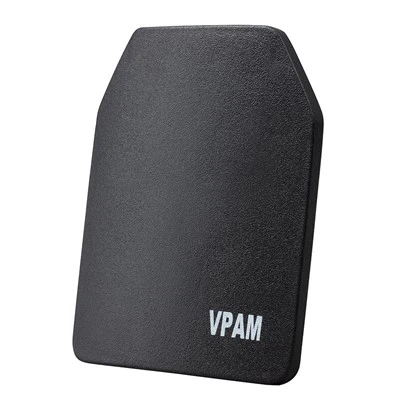
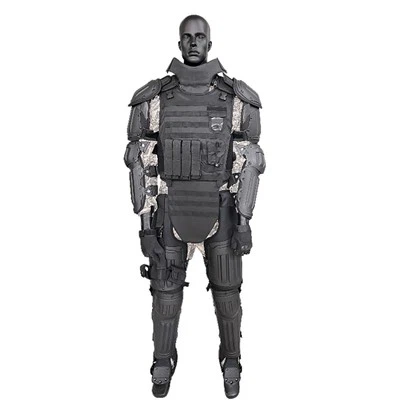
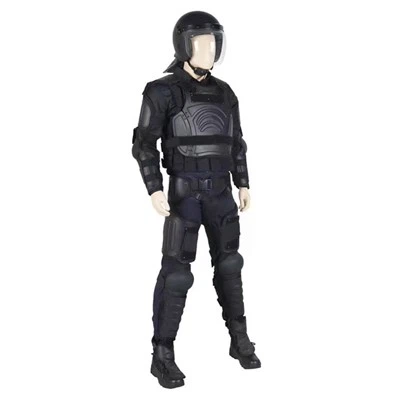
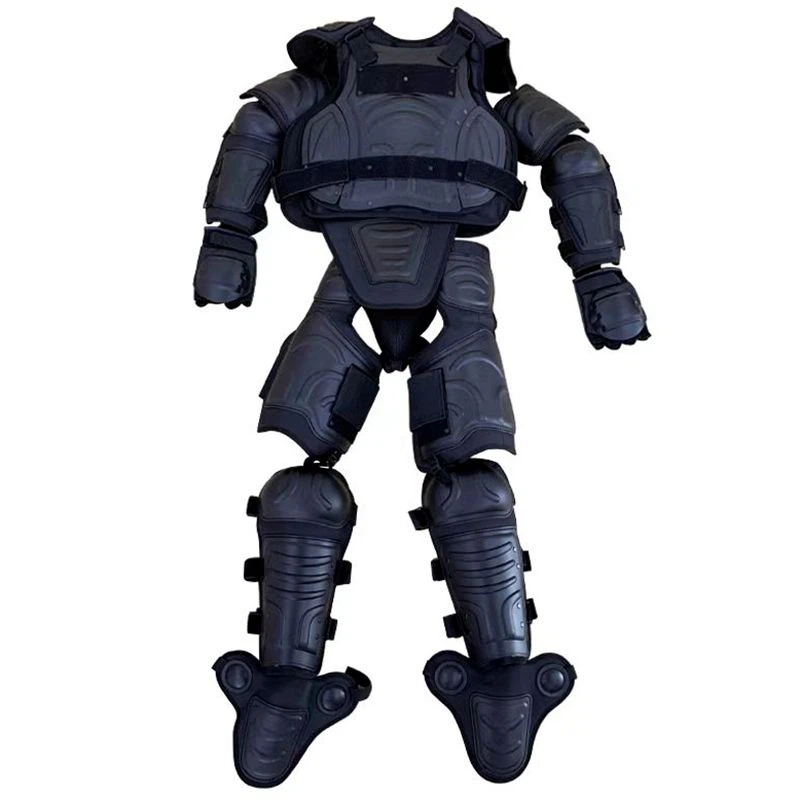
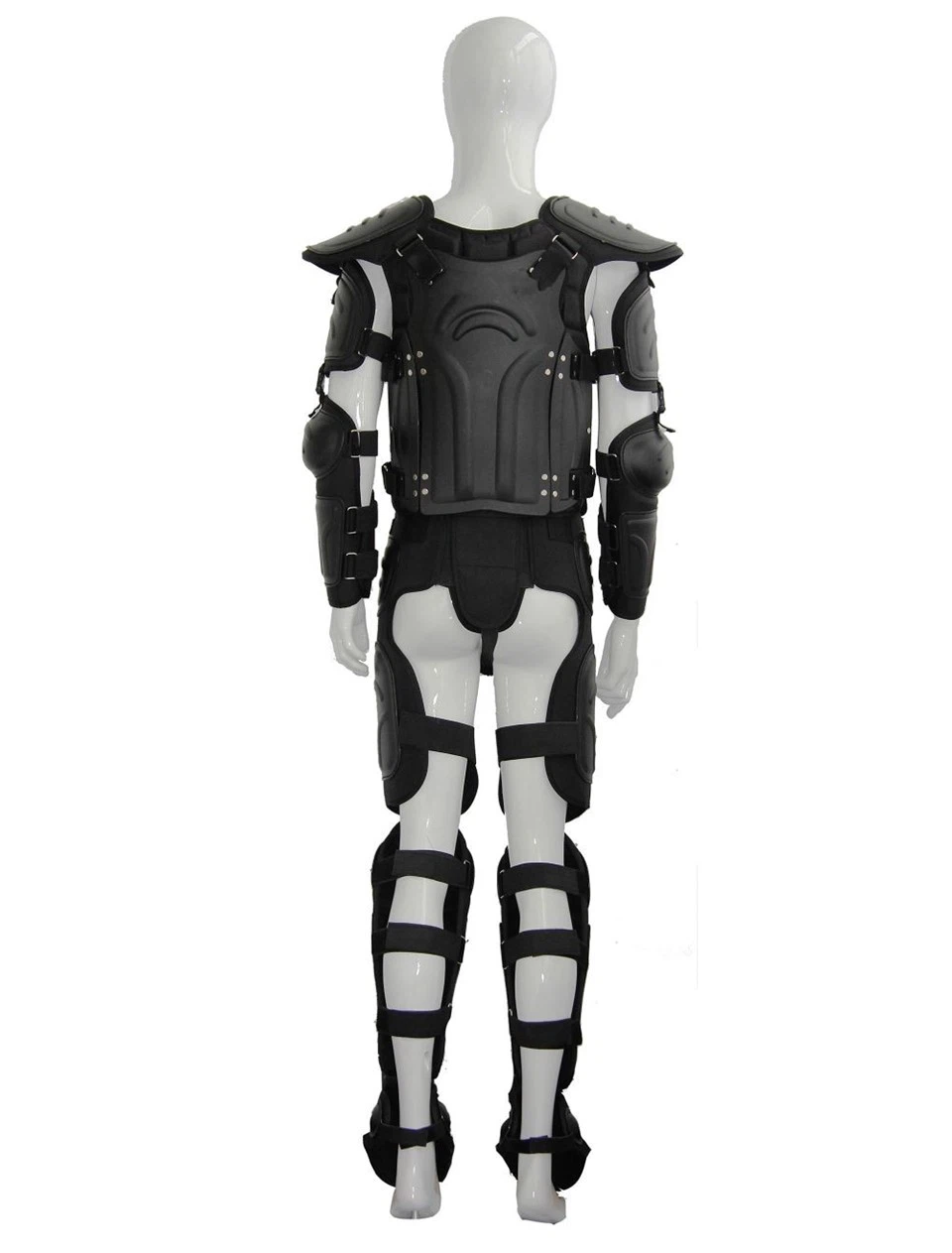
One of the most accessible and underrated training resources is manufacturer-led onboarding for individual pieces of riot equipment. This isn’t a 10-minute video at checkout—it’s hands-on sessions where instructors (often former law enforcement tactical officers) walk officers through the ins and outs of every gear item. For context, my team hosts these on-site or at our training facility for all agencies that purchase from us, and we always start with core protective gear. For instance, when an agency invests in our Anti Riot Suit, we train officers on proper fit adjustment (critical for mobility and coverage), how to fasten neck and wrist seals to block debris, and even how to inspect the suit’s polyethylene panels for wear after high-stakes use. The same goes for our Anti Riot Vest: we practice adjusting the modular straps to distribute weight evenly, so officers can wear it for 12-hour shifts without fatigue, and how to pair it with other gear like gas masks or riot helmets without interference. Even items like our Anti Riot Uniform, designed with tear-resistant fabrics and reinforced stitching, get a deep dive—officers learn how to spot frayed seams before they become a failure point during deployment. These manufacturer-led sessions also answer specific questions, like how to clean and maintain gear, which is a key part of long-term functionality.
Beyond individual equipment training, there are national and international policing bodies that offer formal certification programs for riot equipment use. In the U.S., the Commission on Accreditation for Law Enforcement Agencies (CALEA) includes public order management and riot gear training as part of its accreditation standards. Agencies pursuing CALEA certification are required to document annual training hours for riot tactics, equipment familiarity, and de-escalation alongside gear use. Similarly, in the EU, the European Agency for Law Enforcement Training (CEPOL) offers specialized modules on riot control, with hands-on practice using compliant riot gear. For agencies that operate in multiple countries, these certifications ensure consistency: an officer trained under CEPOL standards will know how to properly use a Riot Jacket in Berlin just as easily as they would in Lisbon, since the gear and tactics align with EU safety regulations.
But not all training has to be formal certification. Online resources have made high-quality riot gear training more accessible than ever, especially for smaller agencies with limited budgets. Many reputable riot equipment suppliers—including my team—host free webinars and on-demand video modules that cover everything from basic gear fitting to scenario-based tactics. For example, our webinars often include live Q&A with retired tactical officers who walk through common mistakes: like over-tightening riot helmet straps (which can cause neck strain during long deployments) or failing to secure the Velcro on a Riot Suit’s chest panel, leaving a gap for rocks or fireworks to penetrate. These online resources are particularly useful for part-time officers or rural agencies that don’t have easy access to local tactical training centers. We also provide downloadable training checklists for every piece of gear we sell, so agencies can conduct their own internal refreshers between formal training sessions.
The most impactful training, though, is scenario-based tactical drills that integrate all riot equipment into real-world-like situations. This isn’t just practicing forming a shield wall—it’s simulating a range of scenarios: from a peaceful protest that turns violent, to a crowd surge at a concert, to a dispute that escalates to property damage. These drills require officers to use every piece of gear in tandem: pairing Riot Shields (and our lightweight Riot Jacket) to form a moving perimeter, coordinating with officers in our Anti Riot Suit to extract a fellow officer who’s been separated, and practicing de-escalation tactics while wearing protective gear that can make communication harder. For these drills, many agencies partner with specialized tactical training firms, which bring in actors to simulate crowds, real projectiles, and even simulated tear gas to replicate deployment conditions. The key here is that training isn’t just about how to use gear in a controlled environment—it’s about adapting when things go off script, which is exactly what officers face on the job.
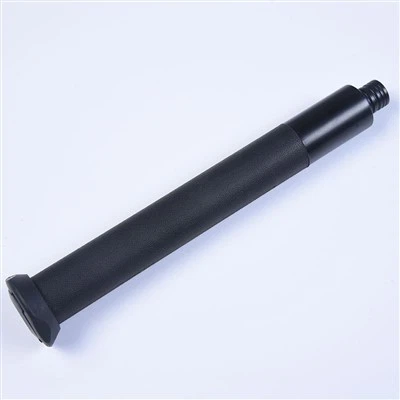
As a supplier, I know that agencies often ask: “How do we make sure our training matches the gear we’re investing in?” That’s why we’ve built our training programs to be fully aligned with our product lines. For example, if an agency purchases our modular Anti Riot Vest, our training team will design drills that highlight its adjustable pouches for carrying extra gas mask filters, batons, or radios—so officers don’t have to leave critical gear behind when moving through a crowd. For our heavy-duty Riot Suit, which is tested to resist blunt force and piercing, we practice how to carry a fellow officer who’s injured while wearing the suit, since its reinforced back panel is ideal for supporting weight. We also work with agencies to tailor training to their specific deployment needs: an agency that handles mostly small, localized disturbances might focus on quick formation changes, while an agency in a city with large-scale rallies will practice long-duration gear use and crowd containment for hours at a time.
It’s important to note that training isn’t a one-and-done event. Leading law enforcement bodies recommend annual refreshers, plus regular “bite-sized” training to keep gear use top of mind. My team works with agencies to set up recurring training schedules, including annual full-scale drills and quarterly check-ins to inspect gear and practice new techniques. We also update our training resources as we launch new products—like our new anti-riot uniforms made with moisture-wicking fabric, which we train officers to recognize for their added comfort during long deployments.
If your agency is looking to upgrade riot equipment or refresh your training program, the first step is to connect with a supplier that prioritizes training as much as they prioritize selling gear. As someone who’s spent years on the front lines of both selling riot equipment and supporting agencies through training, I can say that the best partnerships are built on trust—not just on products, but on helping officers stay safe and do their jobs effectively. Whether you’re looking to learn more about how our Anti Riot Suit fits into your training curriculum, or want to explore our Anti Riot Vest for your tactical team, I encourage you to reach out to our team to discuss custom training solutions tailored to your agency’s needs. Together, we can ensure that every piece of gear is used to its full potential, keeping officers and communities safe during high-stakes situations.
References
- Commission on Accreditation for Law Enforcement Agencies (CALEA). 2024 Accreditation Standards for Public Order Management.
- European Agency for Law Enforcement Training (CEPOL). 2023 Riot Control Tactics and Equipment Training Modules.
- U.S. Department of Justice, Office of Community Oriented Policing Services (COPS). “Training and Equipment for Public Order Events,” 2022.
- Global Initiative Against Transnational Organized Crime (GITOC). 2021 Report on Riot Control Equipment Training Standards.