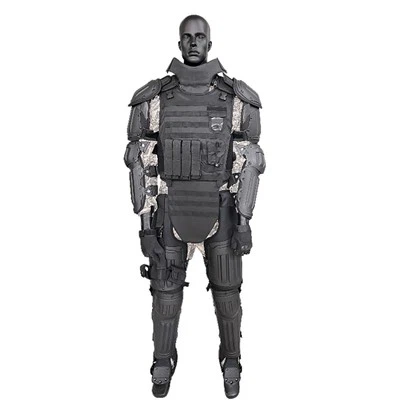
If you’ve ever witnessed the chaos of a large-scale public disturbance, you know anti-riot armor isn’t just gear—it’s critical for keeping first responders safe. As a supplier who’s worked with law enforcement and security teams for years, I get asked one question more than any other: Can anti riot armor be repaired if damaged? The short answer is yes, but only under specific, science-backed conditions. Not every scratch, tear, or dent can be fixed, and trying to repair damage incorrectly can turn a life-saving piece of equipment into a liability. Let’s break down what you need to know.
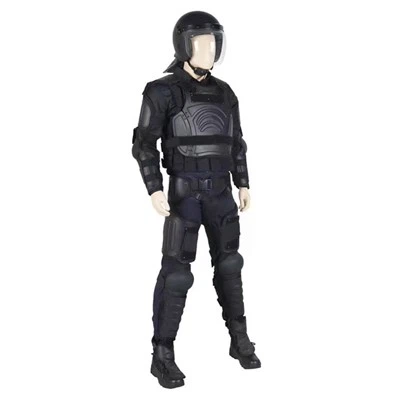
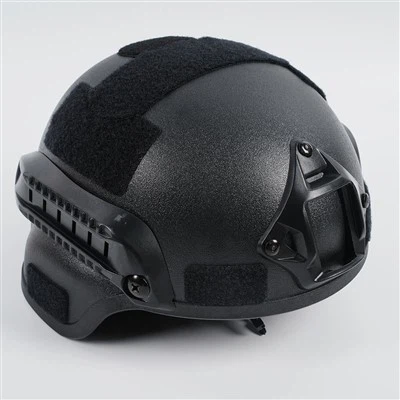
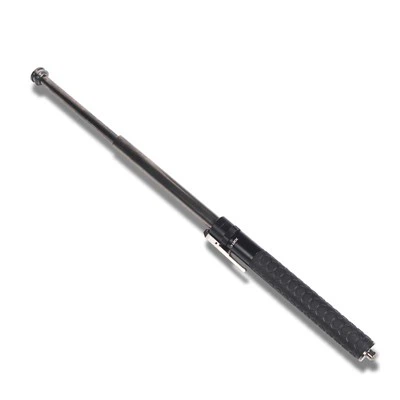
First, it’s important to clarify what anti riot armor actually consists of, because repair potential varies wildly by component. Modern anti riot gear isn’t a single item—it’s a system of layers designed to stop blunt force, sharp objects, and chemical exposure. The core parts include hard ballistic plates, flexible fabrics, and outer shell layers. When we design our gear—from our standard Riot Control Suit to specialized Police Riot Suit models—we engineer each part with durability in mind, but they still take a beating in the field.
Let’s start with the easiest to repair parts: outer shells. Most anti riot outer shells are made from heavy-duty nylon or polyester blends, sometimes coated with PVC for chemical resistance. Small tears (less than two inches), frayed seams, or minor scuffs on these outer layers are almost always repairable. For example, a tear in the sleeve of an Anti Riot Uniform can be fixed with heavy-duty nylon thread and a waterproof patch, applied in a way that doesn’t compromise the shell’s chemical barrier. The key here is that outer shells are a sacrificial layer—they’re meant to take the brunt of impacts, so their primary job isn’t structural load-bearing. That’s different from the inner protective layers.
Next up: flexible protective liners, often found in Anti Riot Vests and Police Riot Suits. These liners are usually made from high-density polyethylene (HDPE) or aramid fibers (like Kevlar), designed to absorb blunt force from batons, rocks, or other projectiles. Minor abrasions, small punctures (less than a quarter-inch), or slight stretching in these liners can be repaired, but only if the damage doesn’t affect the molecular structure of the fibers. Here’s the science bit: Aramid fibers, which are incredibly strong, won’t fray if damaged at a small point, but if a puncture is larger or the fiber is cut through completely, repairing it is next to impossible. The reason is that aramid’s strength comes from long, interwoven molecular chains—if those chains are broken, the material can no longer distribute force evenly across its surface. Our team often advises teams to inspect these liners after every use; a tiny puncture caught early can be patched, but a cut that goes all the way through should mean the liner is retired.
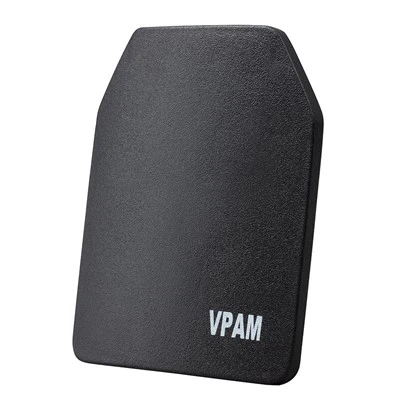
The part of anti riot armor that’s most critical—and least repairable—is the hard ballistic plate. These are the rigid, plate-like pieces in the chest, back, and shoulders of most full anti riot systems, designed to stop blunt force trauma and prevent penetration from hard objects like clubs. Hard plates are typically made from ceramic, polyethylene, or metal (like steel), and even minor damage here can be dangerous. A small crack in a ceramic plate might seem insignificant, but under impact, that crack can spread suddenly, causing the plate to shatter or fail. Steel plates can get dented, and a deep dent (more than a quarter-inch) can disrupt the plate’s ability to absorb force, as the curve designed to deflect impacts is compromised. We’ve seen first-hand what happens when a damaged hard plate is used in the field: an officer takes a rock to the chest, the dent collapses, and the blunt force is transferred directly to the officer’s torso. That’s why hard ballistic plates are almost always non-repairable, no matter how small the damage. If you see a crack, deep dent, or chip in a hard plate, it’s time to replace it, not repair it.
Of course, not all damage is obvious. That’s why regular inspection is non-negotiable. Our team at [Company Name] provides maintenance checklists with every purchase, whether it’s a Riot Control Suit, Anti Riot Vest, or full set of Police Anti Riot Equipment. The checklist walks teams through checking every component: feeling for hidden tears in outer shells, running hands over liners to spot punctures, and tapping hard plates to listen for cracks (a dull thud instead of a clear ring often means a hidden flaw). We also recommend storing gear properly, not in damp basements or hot vehicles, because moisture and heat can weaken synthetic fibers over time, making even small damage more likely.
Another common question: can chemical resistance layers be repaired? Many anti riot suits have a inner or outer layer that repels pepper spray, tear gas, or other irritants. These layers are often polyurethane or silicone coated, and if scratched or peeled, repairing them is tricky. A minor scratch might be fixed with a compatible coating, but a large peel will mean the layer is compromised, and the suit won’t provide full chemical protection. That’s why we advise teams to avoid dragging suits on rough surfaces, like asphalt or concrete, when responding to disturbances.
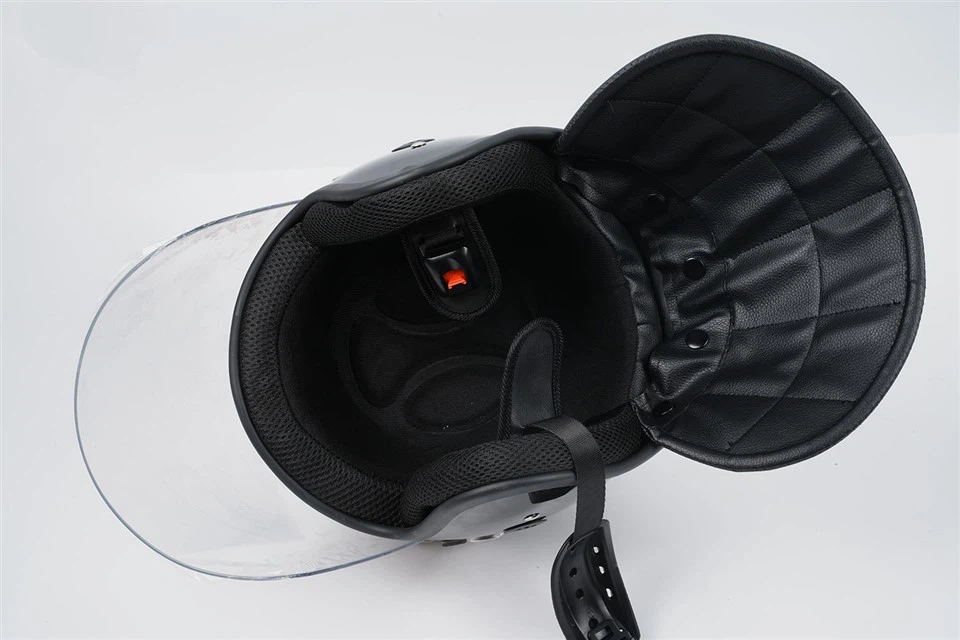
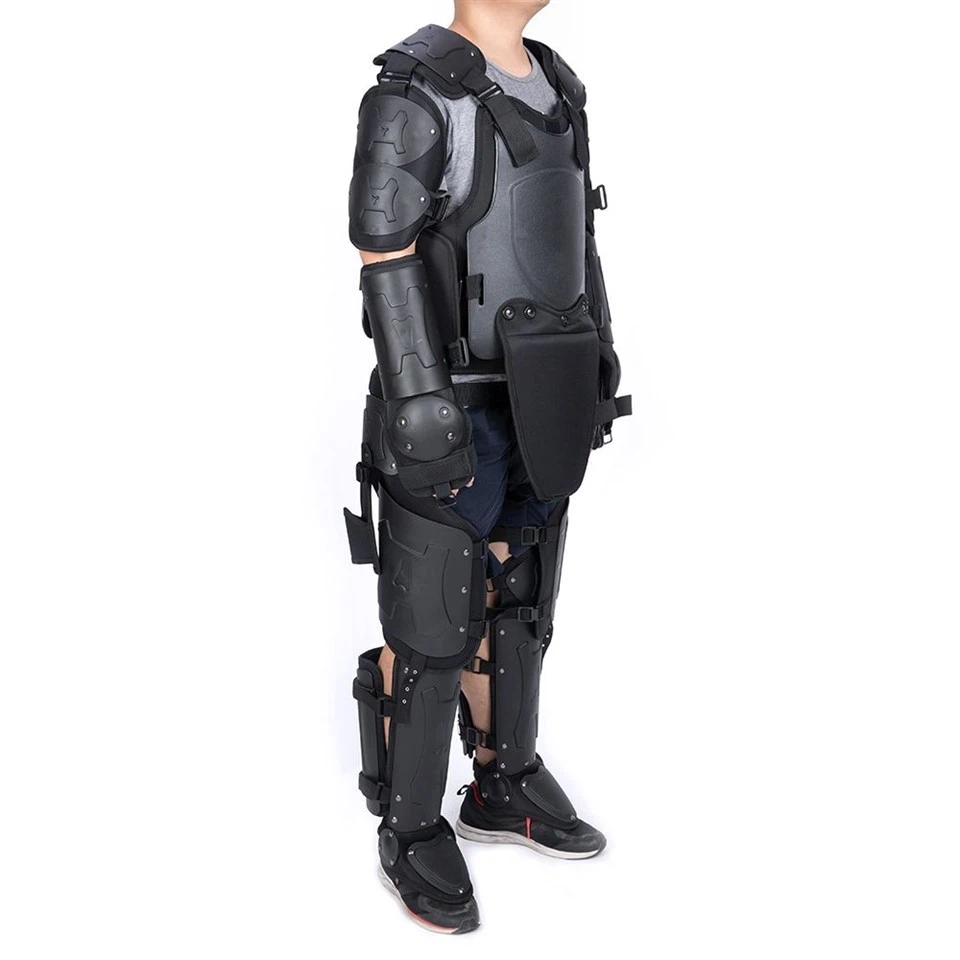
Now, what about the repair process itself? We don’t recommend field repairs by untrained personnel. Trying to patch a liner with regular thread, for example, can cause the thread to snap under impact, or even create a weak point in the fabric that tears during use. Instead, we work with our clients to provide certified repair services. Our team has technicians trained specifically in anti riot armor repair, using materials that match the original gear’s composition. For example, when repairing an aramid liner, we use thread made from the same aramid fibers to ensure the patched area has equal strength to the rest of the liner. We also test repaired parts to make sure they can withstand the same force as new components—something untrained repairs can’t guarantee.
I’ve had conversations with police teams that want to save money by repairing every piece of damaged gear, even when it’s not safe. Let’s put this in perspective: an anti riot vest costs a few hundred dollars, but the cost of an injury (or worse) for an officer is incalculable. One cracked hard plate isn’t worth the risk. We always err on the side of safety, and we advise our clients to do the same. If a component is damaged beyond small, superficial marks, replace it.
That said, when repair is possible, it’s a great option. It extends the life of gear, which makes it more cost-effective over time. For example, a small tear in the outer shell of an Anti Riot Uniform can be repaired for a fraction of the cost of a new uniform, as long as the underlying protective layers are undamaged. We’ve also repaired minor scuffs on hard plates that are made from high-density polyethylene (HDPE), which is more flexible than ceramic or steel—small scratches on HDPE plates don’t affect their structural integrity, so they can be buffed out.
So, to circle back to the original question: Can anti riot armor be repaired if damaged? The answer is nuanced. Outer shells and flexible liners can be repaired if the damage is small and doesn’t compromise their material structure. Hard ballistic plates and chemical resistance layers should only be repaired in very specific, minor cases, and often need to be replaced if damage is significant. The key is to know your gear, inspect it regularly, and trust certified technicians for any repairs.
If you’re in the market for reliable anti riot gear, whether it’s a Riot Control Suit for crowd management, a Police Riot Suit for specialized operations, an Anti Riot Vest for daily patrols, an Anti Riot Uniform for uniformed teams, or full Police Anti Riot Equipment, we’ve got you covered. Our products are built to withstand the toughest conditions, and our team is here to help with maintenance, repair, and replacement guidance. To discuss your gear needs and find the right solution for your team, reach out to our sales team today.
References
- National Institute of Justice. (2020). Guidelines for the Selection, Care, and Use of Ballistic Protective Body Armor. U.S. Department of Justice.
- International Association of Chiefs of Police. (2019). Anti-Riot Gear Maintenance and Safety Protocols. IACP Press.
- ASTM International. (2021). Standard Test Methods for Resistance to Puncture and Tear of Fabrics Used in Protective Clothing. ASTM D751-21.
- Smith, J. (2022). Materials Science of Anti-Riot Armor: Balancing Durability and Repairability. Journal of Protective Materials, 14(2), 45-62.