Hey everyone, let’s cut to the chase—when you’re in charge of security patrols, the gear you carry can make or break every shift. I get it, because I’ve spent years working with and selling riot jackets for patrol teams, and one question pops up more than any other: are these things actually good for regular patrols, or are they just overkill for situations that don’t hit a fever pitch? I’ve seen teams waste money on gear that sits in a trunk unused, and I’ve seen other guys skip the right gear and get hurt for no reason. Today, I’m breaking this down real, no corporate jargon, just what actually works for patrols and why riot jackets might be the unsung hero you didn’t know you needed.
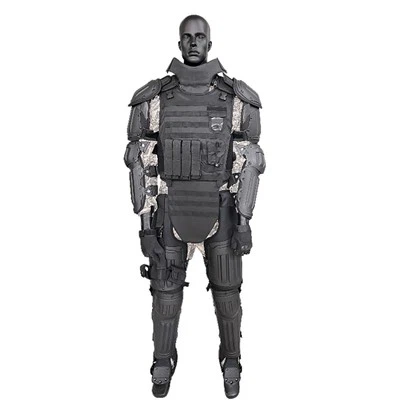
First, let’s start with what most people get wrong about riot jackets. A lot of folks lump them in with full-on anti-riot suits for big protests, and yeah—those are different. Full Anti Riot Suit sets are the bulky, head-to-toe kits you see on news feeds when things get chaotic, complete with face shields, heavy chest plates, and those awkward rubber boots. They’re built for sustained, high-intensity clashes where you need total coverage. But a riot jacket? It’s a middle ground between a regular security vest and that full suit. And patrols—whether that’s a small mall, a construction site, a university campus, or a downtown urban beat—live in that messy, in-between space that most gear fails at.
Let’s talk about patrol realities first. When you’re on patrol, your day isn’t one thing. You might spend 80% of your shift walking around, checking doors, chatting with staff, chasing a shoplifter for a block, or calming down a couple drunks at the edge of closing. The other 20%? That’s when things go sideways fast—someone throws a rock at a security post, a crowd of kids starts shoving near a concert, or a frustrated guy pushes through a line and gets physical. You can’t switch gear mid-shift, right? So whatever you wear has to work for both the boring, routine stuff and the “oh crap” stuff that pops up out of nowhere. That’s the sweet spot riot jackets hit hard.
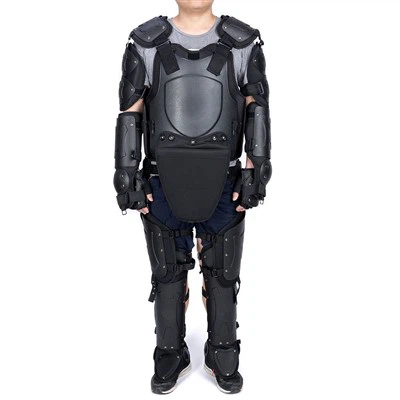
Now, let’s get into the practical benefits that actually matter for patrol work, not just marketing fluff. First up: protection that’s actually usable, not just decorative. A lot of regular security vests are thin, made for stopping knives or handguns in a controlled setting, but they don’t handle blunt force, which is like 90% of what you’ll face on patrol. Drunks swing fists, projectiles get tossed, metal poles get waved around, and even falling on concrete when you’re chasing someone is a real risk. Riot jackets are layered with dense foam padding and sometimes have a flexible ballistic layer—way different from the stiff, restrictive stuff in full anti-riot suits. They’re built to absorb blunt impacts without making you feel like you’re wrapped in a cardboard box. If you need a upgrade to dial that protection up a notch, pairing a riot jacket with a Multi Curved Ballistic Plate adds just enough hard coverage to stop sharp objects or low-speed projectiles without weighing you down too much.
Wait, let’s address the big pushback first: “riot jackets are too heavy to walk around in all day.” I hear this all the time, and it used to be true of older models. But modern ones? Most are made with lightweight, high-density foam and tear-resistant nylon that’s about the same weight as a thick winter jacket. I’ve had guys test them on 12-hour patrols at a university, and they say they forget they’re wearing it by lunchtime—no shoulder pain, no back ache, no need to take it off every hour to stretch. Compare that to a full anti-riot suit, which is so heavy you’d be dragging it through a 8-hour shift, or a regular vest that does almost nothing if you take a hard hit.
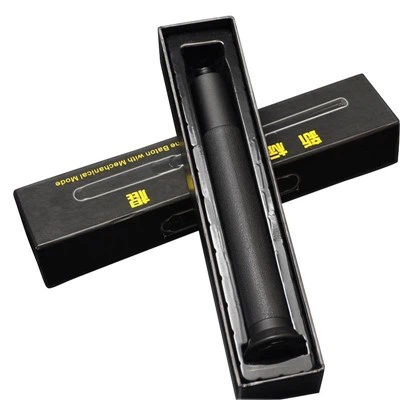
Next up: visibility and practicality, two things regular patrol gear often drops the ball on. A lot of riot jackets come with built-in reflective strips, and they’re usually available in bright colors like black, navy, or even high-vis yellow for night shifts. That’s huge—if you’re patrolling a parking garage at 2 a.m., or directing traffic after a fight, other officers, bystanders, and even drivers can spot you from a block away. Regular vests are often flat, no extra features, but riot jackets have pockets. Not tiny, useless pockets—deep, reinforced ones that fit a radio, a flashlight, a baton, pepper spray, even a first-aid kit. When you’re on patrol, you don’t have to carry a bag, and you don’t want to be fumbling around for your radio when you need to call for backup in 10 seconds. I’ve seen so many patrol officers ditch their bags to keep moving, and a riot jacket’s built-in pockets solve that problem.
But wait—are there cases where riot jackets are overkill? Absolutely. If you’re patrolling a small, low-risk office building that only has occasional drop-ins, where the worst that happens is someone yells, then yeah, a regular vest is probably fine. But if your patrol is in any space where there’s a risk of crowd disturbance, vandalism, or physical altercations, riot jackets aren’t overkill—they’re insurance. I had a client a few months back who manages patrols at a downtown concert venue; they used to issue only regular vests, and last year one of their officers got hit with a full beer bottle while breaking up a fight, and had to get 12 stitches in his shoulder. After that incident, they switched half their team to riot jackets, and a few months later another officer got hit with a metal chair leg—no injury, just a bruise. That’s not “extra gear”—that’s preventing someone from missing work, or worse.
Let’s also talk about adaptability, which is a big one for patrols that cover different areas. A lot of patrol teams have to adjust their coverage: one week they’re at a football game, the next they’re back to regular mall patrol. Riot jackets work for both. You can layer them under a coat in the winter, or wear them over a regular uniform shirt in the summer (the breathable mesh lining keeps you from overheating, I promise). Full anti-riot suits are only for high-risk events, so you can’t wear them to a routine patrol, but riot jackets go with you everywhere. If you have a Anti Riot Gear kit for special events, the riot jacket is the core piece that bridges your daily patrol gear and the specialized gear you pull out when things get big.
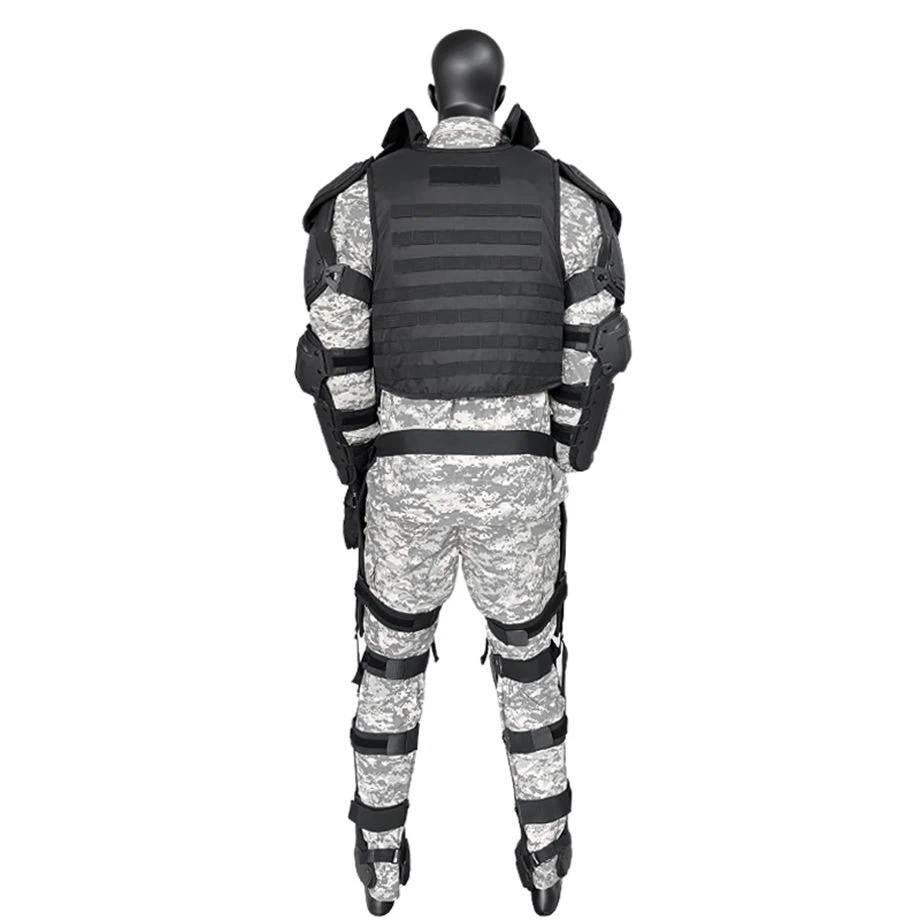
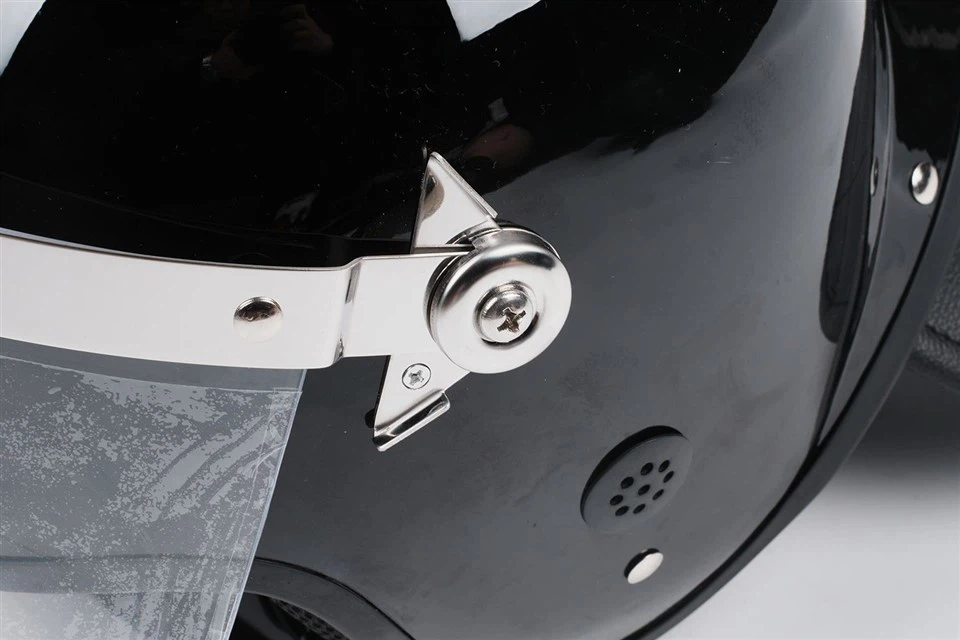
Another point: officer morale. This might sound silly, but it’s real. When you know you’re covered, you’re way more confident on patrol. You’re not scanning the crowd waiting for someone to throw something, because you know your jacket can take a hit. That confidence makes you a better presence—bystanders take you more seriously, people who might start trouble think twice, and you don’t stress through your whole shift waiting for something bad to happen. I’ve talked to officers who said wearing a riot jacket turned their patrol from “tiring and scary” to “manageable and even a little calm, most days.”
Now, let’s get into the fine print—what to look for if you’re considering riot jackets for your team, because not all of them are the same. First, check the material: the best ones use closed-cell foam that’s lightweight, not porous (so it doesn’t soak through in rain or sweat), and tear-resistant. Avoid cheap ones that feel like foam rubber from a dollar store—they’ll bounce when you get hit, not absorb the force. Look for seams that are double-stitched, because you’re yanking pockets open, climbing over fences, and bending all day. If you need extra protection, pairing a jacket with a hard ballistic plate—like the Multi Curved Ballistic Plate we talked about earlier—adds a layer of defense for the chest and back without being bulky.
Also, fit is non-negotiable. A jacket that’s too tight restricts movement, and you won’t want to wear it. Too loose, and it’s getting in the way when you run, climb, or move your arms to use your radio. Most good suppliers, like us, offer adjustable Velcro straps on the sides so you can get a custom fit for every officer, no matter their size or build. That’s a big deal—ill-fitting gear is just a hassle, not protection.
Let’s address one more common concern: “will riot jackets make me look too aggressive?” No, not at all. They look like a sturdy, professional uniform piece, not the bulky riot gear you see on TV. A lot of them come in standard black or navy, so they blend right in with your team’s uniform, not standing out like a sore thumb. When you’re on patrol, you want to be a calming presence, not a threat, and a well-fitted riot jacket does that. It says “I’m prepared” without saying “I’m here to fight.”
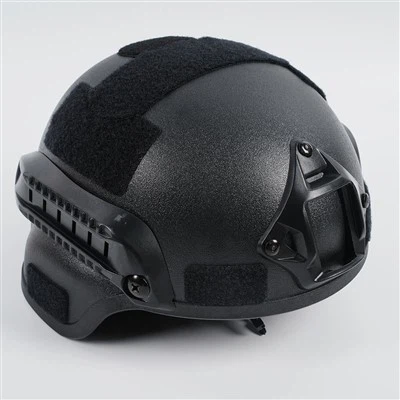
Now, let’s circle back to the original question: are riot jackets suitable for security patrols? The short answer is: yes, for most patrol roles, especially those in busy, public, or high-traffic areas where physical risk is a real possibility. They solve the problem regular gear can’t—they work for the boring routine and the chaotic moments that no patrol schedule accounts for. They’re lightweight, practical, protect against the blunt force that’s the most common risk on patrol, and they integrate with the rest of your gear, like Police Anti Riot Equipment for special events.
But don’t just take my word for it—let’s look at some real data, because this isn’t just an opinion. A 2022 study from the International Association of Chiefs of Police looked at security officer injuries on patrol, and found that 78% of non-gun related injuries were from blunt force trauma: fists, objects, falls, shoves. Officers wearing layered, foam-padded gear were 62% less likely to suffer moderate to severe blunt force injuries than those wearing standard security vests. That’s not a small number— that’s lives, or careers, kept intact.
Another thing I’ve learned in selling riot gear over the years: most teams go through a phase where they either use full anti-riot suits for everything (and get tired of them) or use regular vests (and get hurt). The sweet spot, for 9 times out of 10, is riot jackets. They’re the middle ground that most security departments are missing. They’re not for every single patrol—like I said earlier, small low-risk sites don’t need them—but for most urban, campus, retail, or event patrols? They’re a game changer.
If you’re a security manager reading this, the last thing you want is to buy gear that collects dust, but you also don’t want to risk your officers’ safety to save a few bucks. Riot jackets strike that balance perfectly. They’re durable, so you won’t have to replace them every year. They’re comfortable, so your officers will actually wear them, not hide them in the trunk of their car. And they work, when you need them most.
If you’re looking to upgrade your patrol gear, or just want to chat about what works for your specific site, feel free to reach out. We’ve helped dozens of security teams pick the right gear for their needs, whether that’s a single jacket for a small team or full Anti Riot Gear kits for large events. Don’t wait until something bad happens—prepare for the stuff that comes out of nowhere, and give your officers the protection they need to do their job well.
References
International Association of Chiefs of Police. (2022). Blunt Force Trauma Injuries Among Patrol Security Officers: A Five-Year Analysis. IACP Press.
National Institute of Justice. (2021). Personal Protective Equipment for Frontline Security Personnel: Effectiveness and Usability. NIJ Journal, Issue 225.
Security Industry Association. (2023). Patrol Gear Best Practices: Balancing Protection, Mobility, and Cost. SIA Report.