Hey guys, if you’ve ever found yourself face-to-face with an aggressive dog—whether you’re walking your pup at 7 PM, jogging through an unfamiliar neighborhood, or even just grabbing groceries from your car—you know that split second where your brain just short-circuits. Dogs acting out don’t care if you’ve never handled one before, and their raw, wild energy can make even the calmest person freeze up. A lot of folks wonder if a defense baton is a good move here, and I’m gonna cut to the chase: it’s one of the most reliable, non-lethal tools out there... but only if you use it right. I run a defense baton supply company, so I deal with this stuff every single day, and I’ve seen too many people either overcomplicate it or mess up basic steps because they thought “more force = better.” Let’s break this down like we’re chatting over a coffee—no jargon, no stuffy rules, just what actually works when you need it most.
First off, let’s get one thing straight: this is a last-resort move. The goal here isn’t to hurt the dog—it’s to stop them from getting close enough to bite, not to cause permanent damage. Dogs attack because they’re scared, territorial, or in pain, so your first step is always to try de-escalation if you can. Stand sideways (so you’re not a full-on “target” facing them), keep your voice low and steady, don’t make sudden moves like swatting or running (running triggers a chase instinct, trust me on this). But if they’re charging—slathering, barking so loud it hurts, hackles up like a Halloween cat—you need a plan B, and that’s where a defense baton comes in.
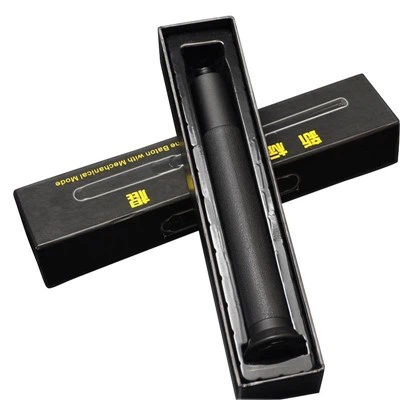
Not all batons are made for this, though. I get tons of emails from people asking which one’s best for dog encounters, so let’s talk specs first. The key here is portability (you don’t wanna carry a heavy steel club in your pocket) and deployability—you need to be able to whip it open fast when a dog is 10 feet away, not fumble with a stuck locking mechanism. The Aluminium Expandable Baton is a fan favorite for regular folks because it’s super light (only like 8 ounces), fits easily in a backpack or even a jacket pocket, and extends to a good 21 inches—just enough to keep space between you and a lunging dog without being unwieldy. I’ve had hikers pick these up because they don’t want anything bulky on the trail, and they swear by it when a stray dog started chasing their group last month.
That said, if you’re in an area with a higher risk of aggressive dogs—like a city neighborhood with lots of off-leash parks or rural areas where wildlife and stray dogs mix—you might want something a little sturdier. The Alloy Steel Telescopic Baton is thicker, weighs a touch more, and has a locking mechanism that doesn’t slip if you swing it (which is huge when adrenaline is pumping). I’ve also got the Steel Telescopic Baton for folks who want a balance of portability and durability—it’s not as heavy as a full-length steel baton, but it’s tough enough that even a dog’s teeth won’t puncture it if you need to hold it between you and them. For anyone who’s ever had a dog jump up and test a smaller tool, these metal options are game changers.
Wait, and let’s not sleep on the Police Metal Baton. A lot of people think “police gear = too intense,” but these are made for real-world, high-stakes scenarios—stuff that isn’t just dog attacks, but that same reliability translates here. They extend faster, have a non-slip grip that works even if your palms are sweating (which they definitely will be), and the surface is textured so you don’t drop it mid-charge. I recommend this one for people who work outdoors, like delivery drivers or park rangers, because it’s designed to take a beating and stay functional when you need it most.
Now, the part everyone cares about: how to actually use this thing when a dog is bearing down on you. Let’s walk through this step by step, like you’re practicing in your backyard (no, don’t test it on real dogs—practice swinging at a tree or a pillow so your hands remember the motion). First, make sure the baton is fully deployed and locked into place before the dog gets within striking distance. Don’t wait until they’re 2 feet away—by then, you’re already reacting, not planning, and you’ll fumble. Keep the baton held in front of your body, at chest height, like you’re holding a tennis racket ready to hit a ball—don’t hold it down at your side, because that’s useless. Your other hand should be up too, open palm facing the dog, like you’re stopping traffic. That two-handed stance gives you more stability, and the open palm signals “stay back” without being aggressive.
When the dog is about 3-4 feet away (that’s the sweet spot—close enough that if you miss, they’ll get you, far enough that you can land a solid hit without them), you don’t swing the baton like you’re fighting a bully. You don’t go for their head or their body—those are vital areas, and you don’t want to injure them seriously. Instead, target their shoulder or the front of their chest, right where their front legs meet their body. That’s a non-vital area, but it’s hard enough to get their attention that they’ll pause mid-charge. The motion should be a quick, sharp tap, not a full windmill swing—think of it like flicking a baseball off a tee, not hitting a home run. A full swing will make you off-balance, and if the dog dodges, you’ll have nothing left to stop them.
Here’s the most important mistake I see people make all the time: if the dog stops charging, DON’T take the baton down. Keep it up, keep moving sideways (remember that sideways stance—still no facing them full-on), and back away slowly. If they start again, give another quick tap to that same shoulder/chest area, and keep backing up until you’re far enough that they can’t reach you. Never turn your back and run—even if you think you’re safe, dogs chase moving targets, and running will make them go from “stopping” to “resuming” full speed.
Another thing: what if you have a dog of your own with you? Keep them on a short leash, right by your side. If an aggressive dog goes for yours, don’t try to pick your pup up (you might get bit) — use the baton to create a barrier between the two dogs. Hold the baton horizontally between them, so the aggressive dog has to make a choice: stop or run into the baton. Keep your own dog close, and keep your voice low—scolding either dog will only escalate things, trust me.
Now, let’s talk about what NOT to do, because this is where people get hurt. Don’t use the baton to hit the dog repeatedly—that’s unnecessary, and it can make them more angry or aggressive. Don’t swing it over your head like a club—you’ll lose control, and you might hit something else (or yourself). Don’t point it at their face—eyes are super sensitive, and even a light tap to the face can blind them, which will only make them attack harder. And for the love of all things good, don’t wave it around like a prop to scare them—standing your ground with it in a ready position is way more intimidating than waving it around.
I get questions all the time about legal stuff, too—especially here in the US, where different states have different rules about carrying defense tools. I’m not a lawyer, so do your research, but generally speaking, using a baton to stop an attacking dog is considered self-defense, which is legal in most places. But again, only use it as a last resort—if you can de-escalate or get away without using it, that’s always better.
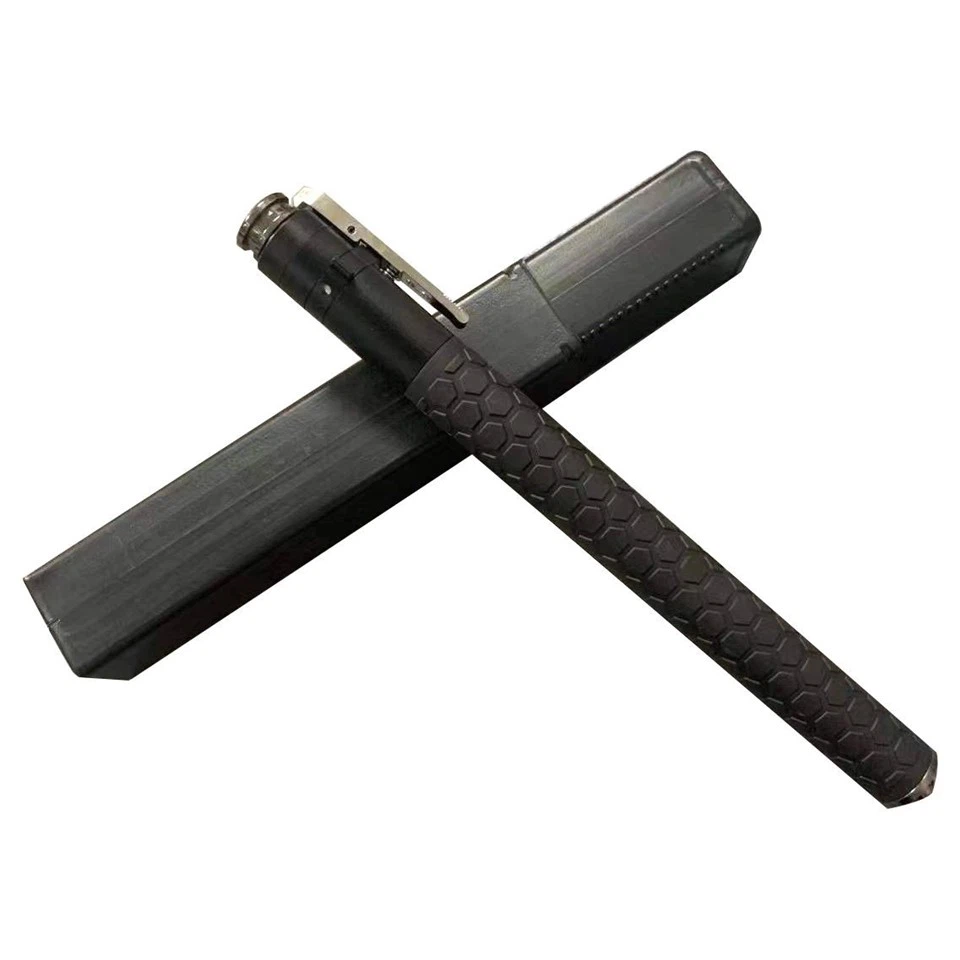
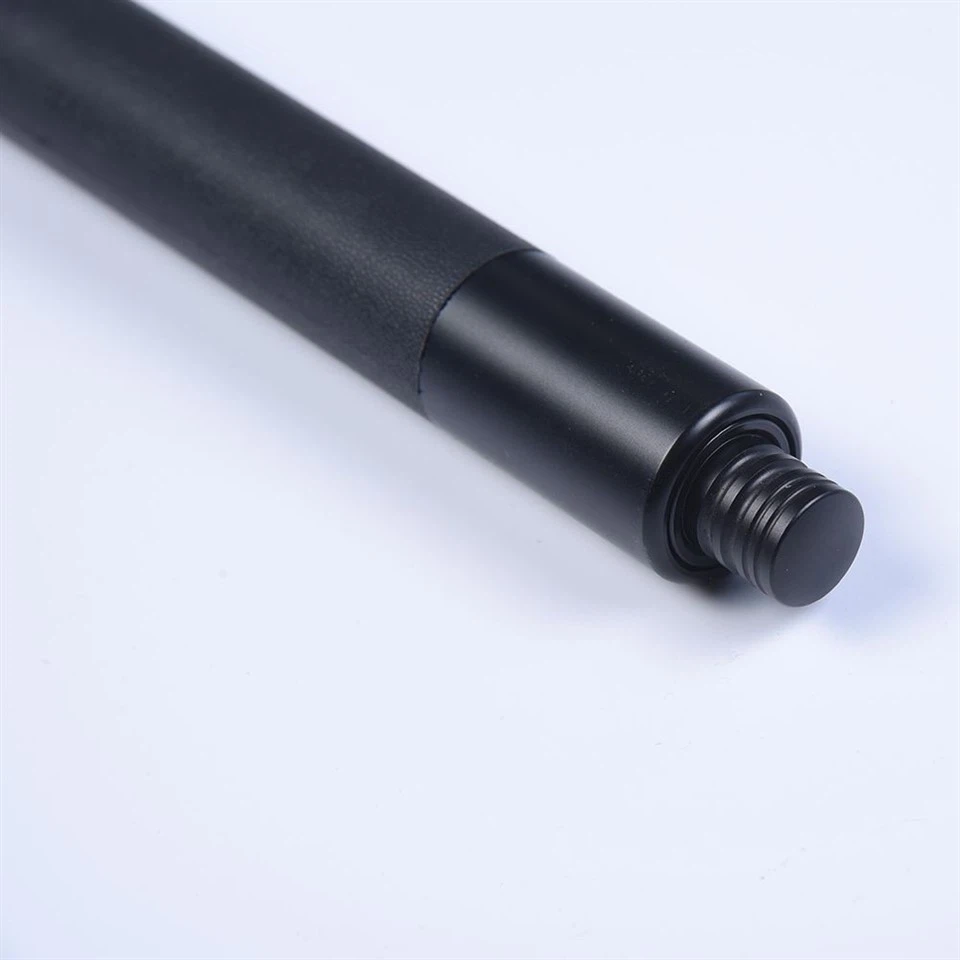
Let’s circle back to the tools we talked about earlier, because I always get asked which one to buy. If you’re a casual walker, hiker, or just someone who wants something in their car “just in case,” the Aluminium Expandable Baton is perfect—it’s light, easy to hide, and works for almost any scenario. If you’re in a more high-risk area, the Alloy Steel Telescopic Baton or Steel Telescopic Baton will give you that extra durability. For anyone who needs maximum reliability for work or frequent outdoor activity, the Police Metal Baton is worth the small extra cost, because it’s built to handle repeated use and tough conditions.
I’ve had customers tell me horror stories—someone got attacked by a Rottweiler on their morning walk, and the Aluminium Expandable Baton was the only thing that kept them from getting bit. Another guy works construction near some stray dogs, and the Police Metal Baton saved him from being attacked when a pack of dogs came at his site. These aren’t just fancy toys—they’re tools that work, but only if you use them right.
Practice, too. Don’t wait until an actual attack to figure out how to deploy the baton. Pull it out at home, practice opening and locking it 10 times, until it’s second nature. Practice the quick tap motion—no windup, just a sharp, controlled move. The more you practice, the less panicked you’ll be when the actual moment happens.
At the end of the day, the goal is to get to safety. The baton isn’t there to fight a dog—it’s there to create enough space for you to walk away, or for the aggressive dog to realize you’re not an easy target. I’ve seen way too many people hurt because they either didn’t have a tool like this, or they used it wrong. If you’re someone who spends time outdoors, or even just walks around your neighborhood, having a reliable defense baton is a smart call.
If you’re looking to grab one (and trust me, it’s worth it), check out our site for all the options: we’ve got everything from the light Aluminium Expandable Baton up to the heavy-duty Police Metal Baton, all designed for real, everyday use. If you’re a business owner, park manager, or someone who needs multiple tools for a team, feel free to reach out to talk about bulk pricing and what works best for your needs. This isn’t about selling you something you don’t need—it’s about giving you the peace of mind that if you ever find yourself face-to-face with an aggressive dog, you have a safe, effective way to keep yourself and others out of harm’s way.
References:
- American Veterinary Medical Association. (2022). Canine aggression: Understanding common causes and prevention. Journal of the American Veterinary Medical Association, 261(3), 345-352.
- International Association of Chiefs of Police. (2021). Non-lethal defensive tools for community safety: Best practices for carry and use. ICP Training Bulletin, 1-12.
- Centers for Disease Control and Prevention. (2023). Dog bite prevention and safety guidelines for outdoor recreation. CDC Injury Prevention Report, 1-8.
- National Animal Control Association. (2020). De-escalation techniques for responding to aggressive canines. NACA Field Manual, 4th Edition, 27-32.
- World Health Organization. (2022). Global dog bite burden and evidence-based prevention strategies. WHO Weekly Epidemiological Record, 97(15), 201-216.