If you’ve ever watched footage of large-scale civil unrest, police training drills, or even close-up shots from a live protest, you’ve probably glanced at a row of riot shields lined up and wondered—what the heck do all those markings actually mean? I get it, I’ve been in the warehouse, helping prep these shields for shipments, and half the time new order pickers ask me the same thing. I run a small riot gear supplier, so I’ve spent years digging into every detail of what goes on these shields beyond the basic clear acrylic or polycarbonate shell. It’s not just random stickers or paint—every line, number, and symbol serves a purpose, from keeping officers safe to making crews run smoother during chaotic events. Let’s break this down like we’re chatting over a breakroom coffee, no stuffy jargon allowed.
First, let’s get one thing straight: not all shields are the same, and their markings depend on what they’re built for. If you’re looking at a standard shield for crowd control vs. a more heavy-duty one for ballistic threats, you’ll see totally different stuff on them. Before we dive into the markings, quick shoutout to our Police Riot Equipment page—we stock all kinds of riot shields, from basic hand-held ones for foot patrols to larger, more rigid options for long-term line formations, which tie right into why those markings exist.
Let’s start with the most common, and most obvious, markings: size and dimension labels. When I first started out, I thought these were just for inventory, but nope—they’re a game-changer for officers grabbing a shield in a hurry. If you’re in the middle of a push and you need a smaller, more maneuverable shield vs. a bigger one for blocking projectiles, you can spot the number in 2 seconds. Most standard crowd control shields are labeled in inches or centimeters on the top corner, like “36” or 90cm” — that’s the height, which is the most important number because it needs to cover an officer from shoulder to mid-thigh when they’re standing. Some also have a width label, like “18W” for 18 inches wide, which matters for how close officers can stand together in a line. Here’s the thing: during deployments, you don’t have time to hold each shield up to see how big it is. Those printed numbers are high-contrast—usually white or yellow on black, or vice versa—so you can spot them even if it’s raining, or you’re squinting through eye black, or it’s dusk and visibility is trash. We make sure all our shields get these printed, not just hand-stamped, because hand-stamping wears off after a few uses.
Next up, serial numbers and unique IDs. Every shield we sell gets a unique serial number, usually stamped or printed near the handle. Why? Accountability, plain and simple. Riot gear isn’t cheap—some of our heavier-duty shields can run $500-$1,000 each, and police departments and agencies need to track every single one for maintenance, inventory checks, and even accountability during incidents. If a shield gets damaged (say, a rock cracks the polycarbonate), the serial number lets us pull up when it was sold, how many times it’s been in use, and if it’s eligible for a repair or replacement. Some agencies also use these numbers to assign shields to specific officers, so if a shield goes missing or gets left behind at a protest, they can trace it. We even list this on our Anti Riot Gear page—serial numbers are non-negotiable for any gear that’s used in high-stakes situations.
Then there’s the all-important “handling and safety” markings. You’ll almost always see a little triangle or a circle with a line through it near the handle—that’s the “no lifting by the edge” symbol. Wait, why? If you grab a shield by the side edge instead of the reinforced handle, you can warp the polycarbonate shell, which weakens it against projectiles. We’ve seen it happen too—an officer tries to move a shield quickly, grabs it by the corner, and the whole thing bends, so it doesn’t block as well next time. That little symbol is like a tiny safety reminder for every single use. Another common one is a weight rating—usually a number in pounds or kilograms, like “25 lbs max” or “11kg.” That’s how much force the shield can take before it risks cracking. For example, if a shield is rated for 25 lbs, it can handle a hard rock or a chunk of concrete, but not a blunt object or a round from a less-lethal weapon fired at point-blank range. Oh, and if you look at our Multi Curved Ballistic Plate offerings, some ballistic shields have extra markings to show which parts of the shield are rated for ballistic impact vs. just crowd control—those zones are labeled so officers know to keep the “hard” part of the shield facing the threat, not the flimsy edges.
Now, the markings that are specific to how the department uses the shields. A lot of people don’t notice this, but many agencies mark their shields with unit numbers, like “Unit 3” or “S.W.A.T. Tactical.” Why? When you’re in a formation of 20 officers, you need to know which part of the line your shield is in, or which team your officer is on, in case you need to rotate positions or communicate during a push. Some even have call signs or officer initials, especially for specialized units that use the same shield for multiple deployments. We actually work with a few departments to add custom unit markings when they order, because it helps with their own internal tracking. Then there’s the most noticeable marking for the general public: department badges or logos. A lot of police departments will print their official logo on the front of the shield—usually on the upper half, so it’s visible in photos or on camera feeds. That’s not just branding, by the way—it’s for accountability. If someone films an incident and posts it online, you can tell exactly which agency that officer is with, which helps with transparency.
Wait, I can’t forget the markings that you only see on the back of the shield, because everyone’s looking at the front. The back is where the handle and straps are, right? There are small dots or lines that show where the straps attach, and sometimes a “max operator height” label. That’s important because if an officer is shorter or taller than average, they need to adjust the straps to fit properly, and those markings tell them how far they can loosen or tighten the straps without risking the shield slipping during use. We see so many new officers forget to adjust the straps, and the shield slides down mid-line, which is a huge safety risk. Those tiny back markings sound minor, but they’re actually one of the most useful on the whole shield.
Let’s talk about common myths here, because I hear them all the time. Some people think the little holes or slits on riot shields are for air flow, but no—most of the time, those are for stacking shields when they’re not in use. When you line 10 shields up for storage, those holes let you stack them without scratching the surface. A few specialized tactical shields do have small air holes, but those are only for very long deployments, and they’re marked specifically as “air flow only”—not the slits you see on standard crowd control shields. Another myth: custom art or hand-painted markings. I know some people think officers paint murals or symbols on their shields to show solidarity, and while that’s super rare, it does happen. But those are totally unofficial—they’re not part of the original factory markings. Most departments actually discourage custom paint because it can cover up the serial numbers or safety markings, which are way more important for accountability.
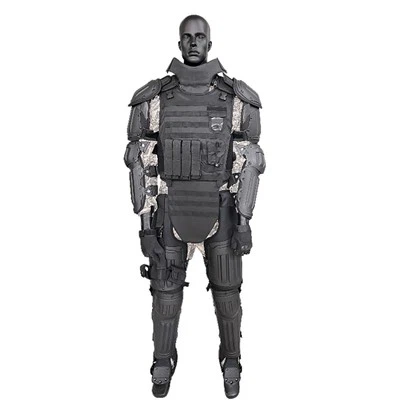
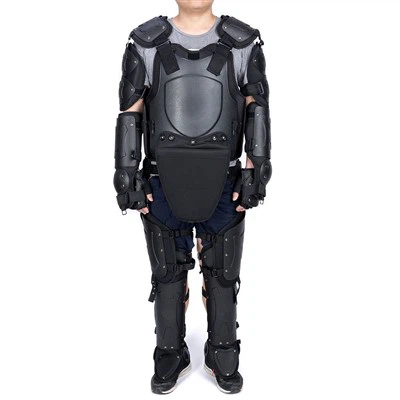
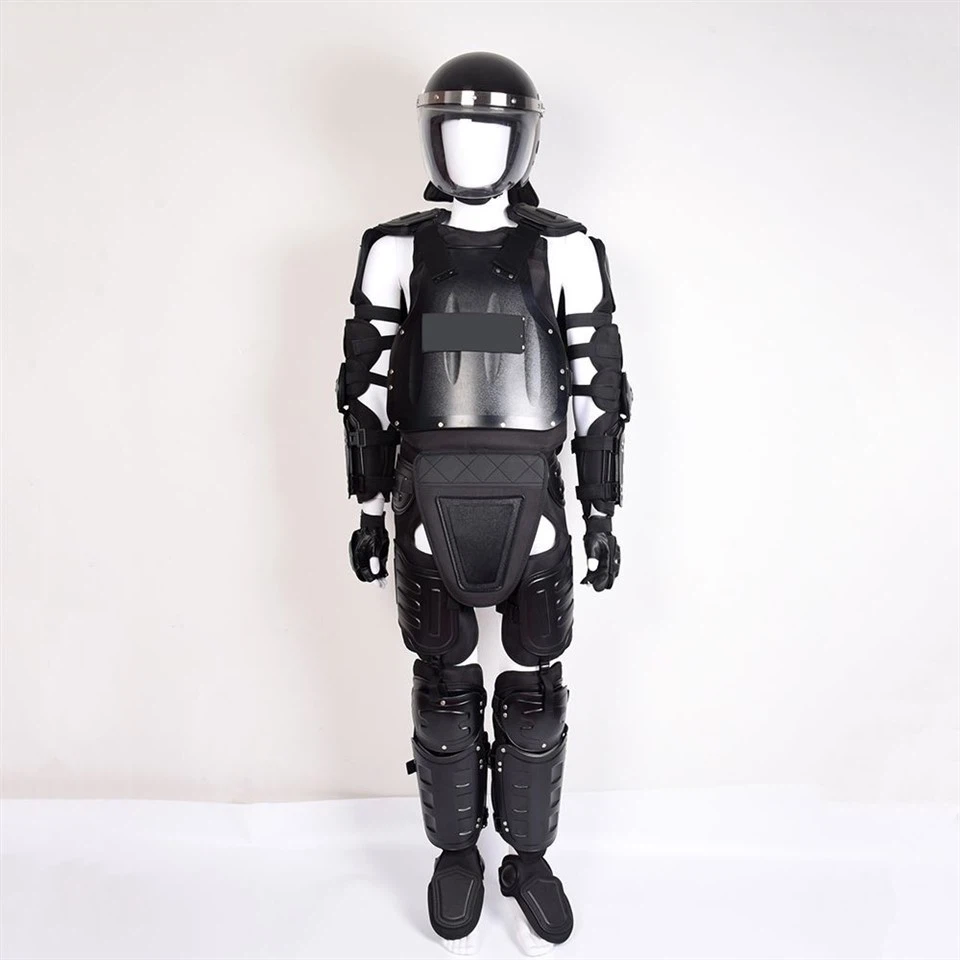
Before I wrap this up, I want to circle back to how these markings tie into the gear you use. If you’re ordering riot gear, it’s not just about the shield itself—it’s about knowing exactly what it’s built for, and those markings tell you that at a glance. If you’re shopping for gear for your department, don’t sleep on the small details like clear, durable markings—they make a huge difference for officers on the ground. We sell a range of gear, from standard crowd control shields to heavy-duty ballistic options, and all of them come with the required factory markings, plus we can add custom ones if that’s what your team needs. We also work with departments to make sure their gear meets all safety standards, and if you’re looking to kit out a full unit, check out our Riot Control Suit page to pair shields with suits for full protection.
If you’re a field officer, a gear coordinator, or someone who just wants to understand what goes into riot gear, feel free to reach out to us if you have more questions about markings, specs, or ordering. We’re here to help make sure your team has gear that’s safe, reliable, and built for the job. Don’t hesitate to connect with our team to talk through your needs—whether it’s a small order for a local department or a full kit for a larger unit, we’ve got you covered.
References:
- National Institute of Justice. (2020). Riot Control Equipment Standards for Law Enforcement. U.S. Department of Justice.
- International Association of Chiefs of Police. (2021). Guide to Riot Gear Markings and Accountability Protocols. IACP Publishing.
- Polycarbonate Safety Materials Association. (2019). Impact Resistance Specifications for Riot Shield Polycarbonate. PMSA Technical Report.
- Society of Fire Protection Engineers. (2022). Safety Marking Guidelines for Personal Protective Equipment (PPE) in Crowd Control. SFPE Journal of Protective Technology.