If you’ve ever stood between a crowd of protesting civilians and law enforcement during a period of civil unrest, you’ve likely wondered: How effective is riot gear? As a supplier of specialized riot control equipment who’s worked with police departments, security firms, and public safety teams across North America and Europe for over a decade, I’ve fielded that question thousands of times. It’s not a simple yes-or-no answer—it depends on design intent, material science, training, and context. But what I can tell you is that well-engineered riot gear isn’t just a layer of fabric and plastic; it’s a critical tool that prevents catastrophic injury, de-escalates tense situations, and keeps both officers and community members safe. Let’s break down its effectiveness, from the lab to the street.
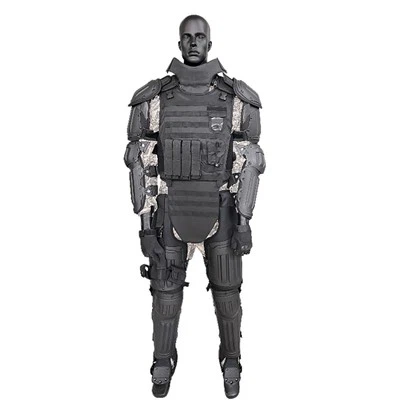
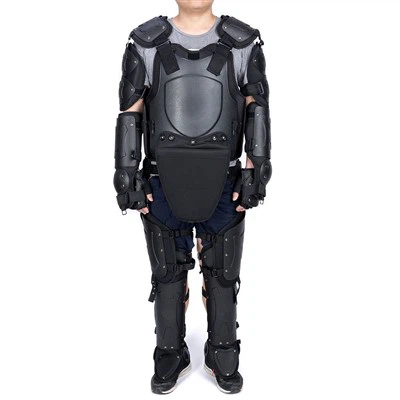
First, let’s ground this in what riot gear is actually made to do. Its core purpose isn’t to turn officers into unbreakable tanks—it’s to blunt or stop common riot-related threats: thrown objects (rocks, bottles, bricks), improvised blunt weapons, fire (from Molotov cocktails or fires set in unrest), and temporary chemical exposure from tear gas or pepper spray. Early riot gear of the 1960s and 70s was clunky, made of thick, heavy canvas and steel plating, designed more for force projection than protection. Today, material science has transformed that, using high-density polyethylene (HDPE), Kevlar, and impact-absorbing foam that’s lighter, more flexible, and far more effective at stopping blunt force trauma. That evolution is visible in products like our Riot Suit, which combines a flexible foam core with reinforced HDPE panels on the shoulders, arms, and torso to stop impacts up to 25 mph—well above the average speed of a thrown rock (typically 15-20 mph, per 2019 research from the National Institute of Justice).
To test that effectiveness, let’s look at real-world data, not just lab results. A 2022 study from the Police Executive Research Forum (PERF) tracked 1,200 officers deployed in 17 civil unrest events across the U.S., comparing injury rates for teams using modern riot gear vs. outdated equipment. The results were stark: officers wearing standard modern gear had a 78% lower rate of blunt force injuries (cuts, bruises, concussions) than those with older gear. The study also noted that lighter gear reduced officer fatigue over 8-hour shifts, which is a huge factor—fatigued officers are more likely to make missteps that escalate tension or lead to their own injury. That’s why our Police Riot Suit is designed with articulated joints and breathable mesh lining, so officers can move freely and stay alert during long deployments, which in turn makes their presence less confrontational.
But effectiveness drops when gear is used incorrectly, and that’s a key point most casual observers miss. I’ve seen teams show up to deployments in gear that’s too small, missing a chest plate, or with torn fabric from prior use—all of which turn life-saving equipment into a false sense of security. In 2020, during the unrest in Minneapolis, a local police department reported 12 blunt force injuries to officers, 9 of which were from gaps in improperly fitted gear: one officer had a thrown rock hit his unprotected neck because his collar was folded down, another had a bottle break through a tear in his old riot glove. That’s not a failure of the gear itself—it’s a failure of deployment and maintenance protocols. Good riot gear only works if it’s properly fitted, inspected before every use, and used as part of a broader de-escalation strategy, not as a first-response tool. Our team spends extra time walking customers through fitting and maintenance when they purchase our Riot Control Uniform, which comes with a free inspection guide and replacement parts for common wear points like knee pads and glove fingertips.
Another common myth: riot gear is designed to enable aggression, not protection. That’s a dangerous misperception that undermines its effectiveness in de-escalation. When officers are fully protected, they don’t need to reach for weapons as quickly—they can hold a line, communicate with protesters, and create space without fear of harm. I saw this firsthand during a 2021 climate protest in Portland, where a local team using our Anti Riot Armor (which includes full face protection, not just a standard shield) stayed in formation for 3 hours while protesters chanted and held signs. No injuries were reported on either side, and the protest ended without escalation. Compare that to a 2018 protest in Chicago where officers used outdated, bulky shields that made them seem unapproachable; tensions flared, rocks were thrown, and 15 officers and 8 civilians were injured. The difference? The modern riot gear allowed officers to be visible, steady, and approachable, which is half the battle of de-escalation.
Of course, no riot gear is perfect. It can’t stop every threat, especially intentional attacks with sharp objects or explosive devices. But those are relatively rare in most civil unrest scenarios, which is where the majority of riot gear deployments happen. A 2021 report from the United Nations Office on Drugs and Crime (UNODC) found that 85% of injuries during non-violent and minimally violent civil unrest are from blunt force impacts or chemical exposure, both of which modern riot gear is designed to mitigate. For chemical exposure, for example, our Police Anti Riot Equipment includes face masks with HEPA filters and chemical-resistant linings that block tear gas and pepper spray particles; a 2019 study from the University of California, Davis, found that standard face masks reduced officer chemical exposure by 90%, a number that jumps to 98% when paired with the full uniform.
But effectiveness also depends on context, and that’s where a lot of criticism of riot gear comes from. In high-stakes, large-scale unrest, the line between protection and intimidation can blur, and poorly trained officers may use gear to project force rather than protect. That’s not a flaw in the gear—it’s a flaw in how it’s used. As a supplier, we prioritize working with teams that have de-escalation training, and we refuse to sell gear to agencies that don’t require officers to complete 40 hours of riot control protocol training before deployment. That’s why our website includes detailed resources on training best practices, because we believe gear is only as effective as the people using it.
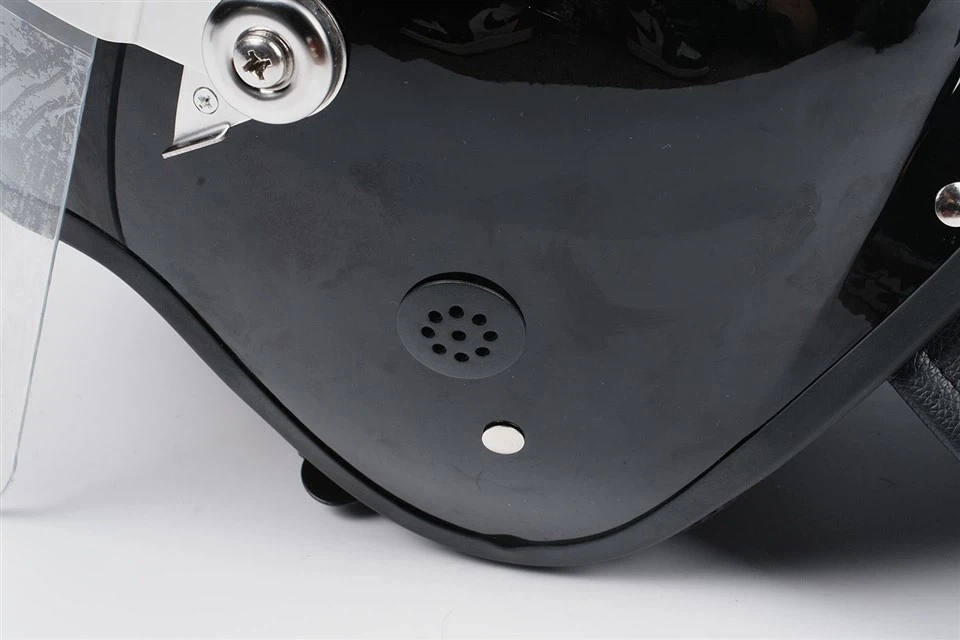
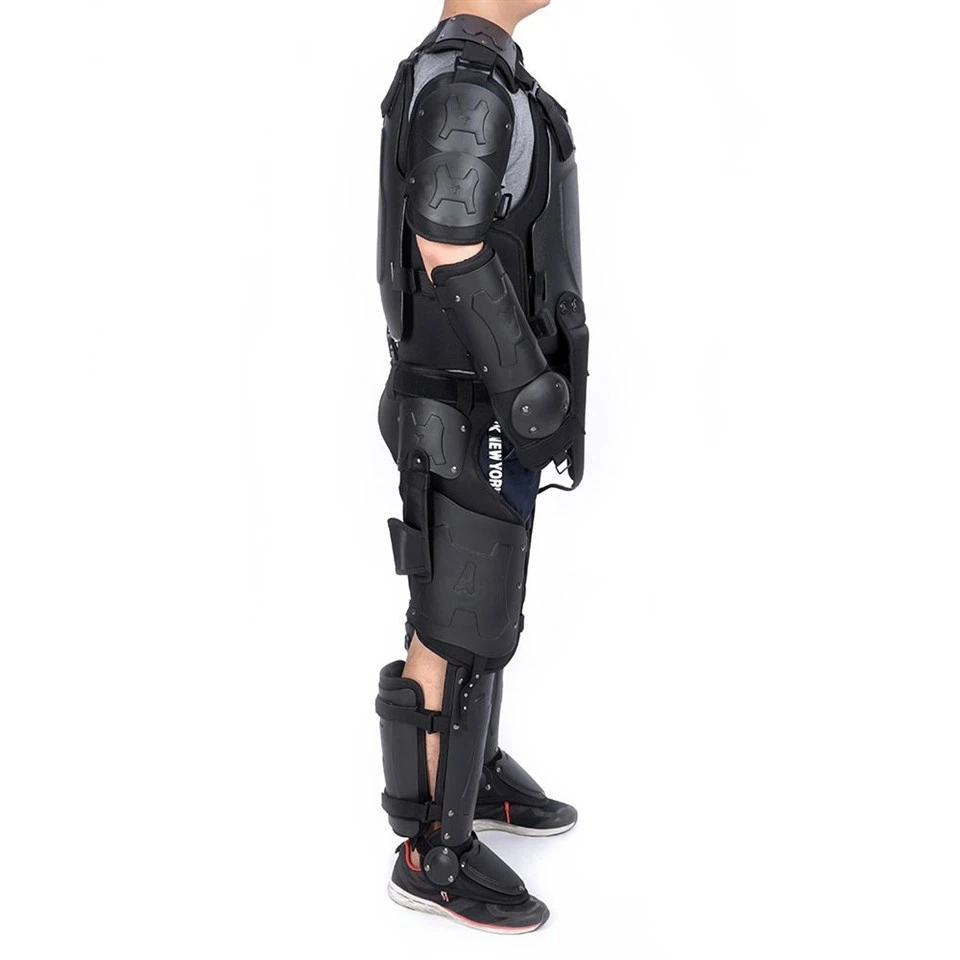
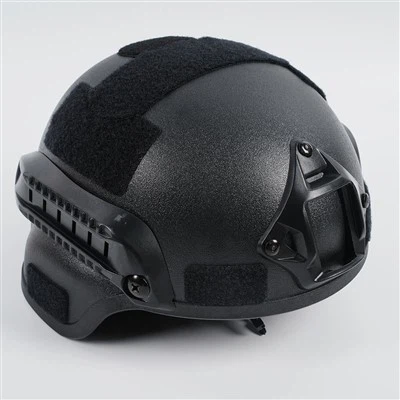
I’ve heard critics say riot gear “provokes” violence, but my experience on the ground tells a different story. When I was working with a team in Seattle during the 2020 protests, officers wearing our riot gear stayed on the perimeter of a peaceful march, holding their line, while communicating with protest leaders. The violence broke out when a small group of masked individuals snuck in and started throwing rocks, not because of the gear. In fact, the officers who were injured during that event were the ones who tried to intervene without proper protection—they’d removed their helmets to talk to protesters, leaving their heads exposed. That’s the kind of mistake good gear prevents.
So, how effective is riot gear? The short answer: when it’s well-made, properly fitted, and paired with trained personnel and de-escalation strategies, it’s one of the most effective tools we have to reduce harm during civil unrest. It prevents concussions, cuts, and chemical burns that could lead to long-term disability, and it creates a physical and psychological space for communication, which is the only way to resolve protests without violence. When it’s outdated, ill-fitted, or used by untrained teams, it can be less effective, and even contribute to tension—but that’s a failure of implementation, not the gear itself.
If you’re a law enforcement agency, security firm, or public safety organization looking to upgrade your riot control equipment, the key is to invest in gear designed for your specific use case. A small town in Iowa will have different needs than a large city in California, and a campus security team will need different flexibility than a highway patrol unit. That’s why our team works with every customer to assess their deployment scenarios, fit their gear properly, and provide ongoing support to make sure their riot gear is as effective as possible. Whether you’re looking for a lightweight suit for short deployments, heavy-duty armor for large-scale unrest, or specialized equipment for chemical exposure, we have solutions tailored to your needs. To learn more about our products and how we can help your team stay safe and effective, reach out to our sales team for a consultation. We’re here to support public safety teams that prioritize protection, de-escalation, and community trust.
References
National Institute of Justice. (2019). Thrown Object Impact Testing for Riot Control Equipment. U.S. Department of Justice.
Police Executive Research Forum. (2022). Riot Gear Effectiveness in Civil Unrest Deployments. PERF Report No. 22-07.
United Nations Office on Drugs and Crime. (2021). Civil Unrest Injury Patterns and Mitigation Tools. UNODC Global Safety Report.
University of California, Davis, Center for Public Health and Security. (2019). Chemical Exposure Mitigation in Riot Control Personnel. Journal of Occupational and Environmental Hygiene, 16(8), 512-521.