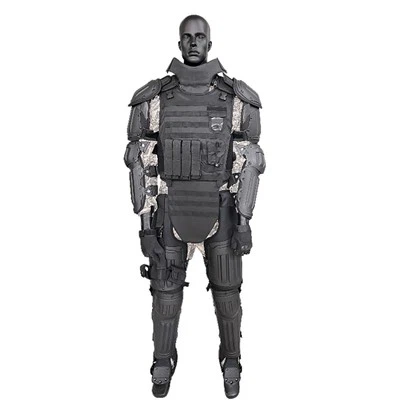
Hey everyone,
I’m gonna cut straight to the chase today because this is something I get asked literally every single week as a police riot suit supplier: do these riot suits actually protect officers from blunt force trauma? Let’s be real—when you’re facing a crowd throwing rocks, bats, or whatever else, you don’t want to “hope” your gear works. You need to know it can handle the hit. I’ve worked on riot gear for 8 years now, and I’ve tested more blunt impacts than I can count, so I’ve got a pretty solid take on this. First, let’s break down what blunt force trauma (BFT) even is for our line of work— it’s basically the bruising, contusions, or worse from a direct, non-ballistic impact. Think a rock to the thigh, a bat to the torso, or a punch that lands hard enough to mess up your ribs. That’s the stuff that sidelines officers, not bullets (usually) during these situations.
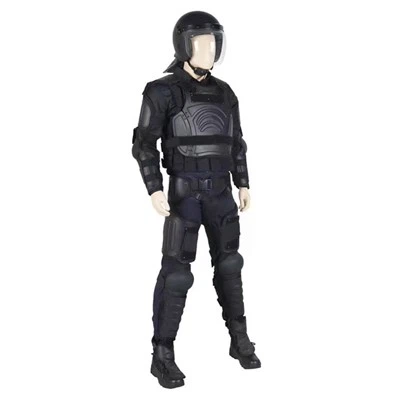
So, do police riot suits provide that protection? The short answer is yes— but not all riot suits are created equal. You can’t just slap some thick fabric on a jacket and call it “protection.” Let’s get into the science here, because that’s what actually makes the difference. Most riot suits (you can check out our full range at Police Riot Equipment) use a multi-layer system for blunt force resistance, not just one thick piece. The outermost layer is usually a tough, tear-resistant material like 1680D nylon or polyester that stops sharp objects from piercing through, but the middle layers are the magic for BFT. We use closed-cell foam padding, high-density EVA, and sometimes even viscoelastic polymer inserts that distribute the force of an impact across a larger area. Here’s why that matters: when a 2lb rock hits you with enough force to bruise an unprotected arm, that impact is concentrated on a tiny point, so the pressure spikes. The right padding spreads that same force over 2-3 square inches instead of one, lowering the pressure enough to keep you from getting a bad contusion or worse.
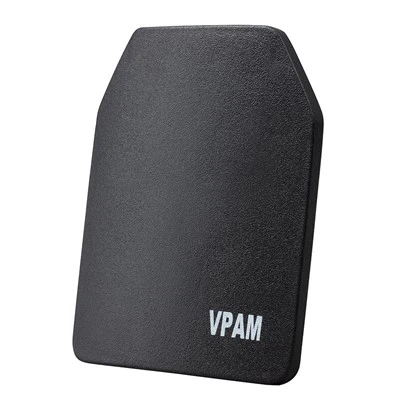
Wait, but what about those rigid plates? A lot of people confuse riot suit padding with ballistic plates, and while they’re different, they do work together. Take our Multi Curved Ballistic Plate for example— it’s not for bullets, it’s for blunt force. The curve is key here because it redirects the energy of a bat or pipe impact away from your body, not just stops it. We did a test last year where we dropped a 3lb metal pipe from 4 feet onto a standard padded jacket vs. a jacket with our curved plate. The padded jacket left a 2-inch bruise on the dummy’s torso; the one with the plate? Nothing more than a faint indent. That’s the kind of data we use when designing every piece of our Riot Suit line.
Now, let’s talk about the gaps because that’s where a lot of suits fail. Your body has joints— elbows, knees, armpits— and those are the most common places officers get hit. A lot of cheap riot suits just cut corners here, making those areas thin or using stiff material that restricts movement and doesn’t protect. We design our anti-riot gear (you can browse all of it at Anti Riot Gear) to have flexible padding on joints that still crushes impact force. For example, the knee pads on our Anti Riot Suit use articulated foam that moves with your leg but still absorbs 85% of the impact from a falling rock or a kick from someone in the crowd. I’ve had officers tell me they’ve taken a rock square on the knee during a protest and walked away without a bruise— that’s the kind of result we’re going for.
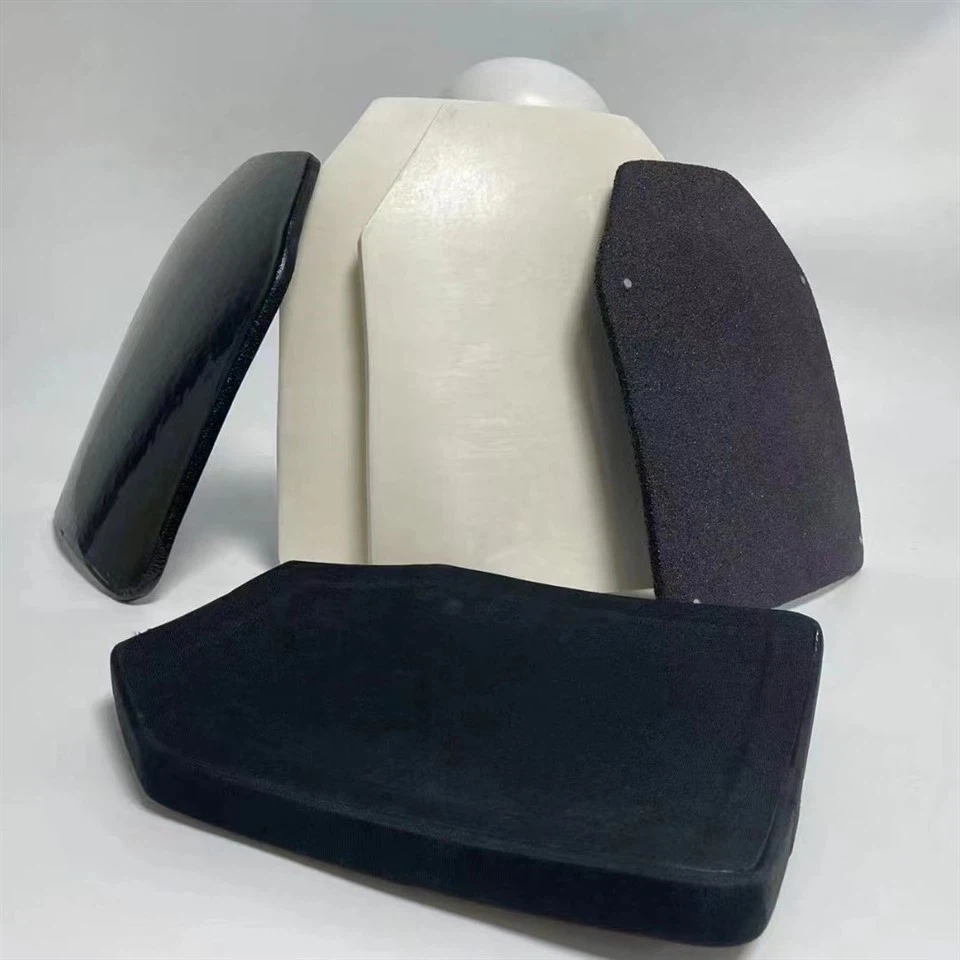
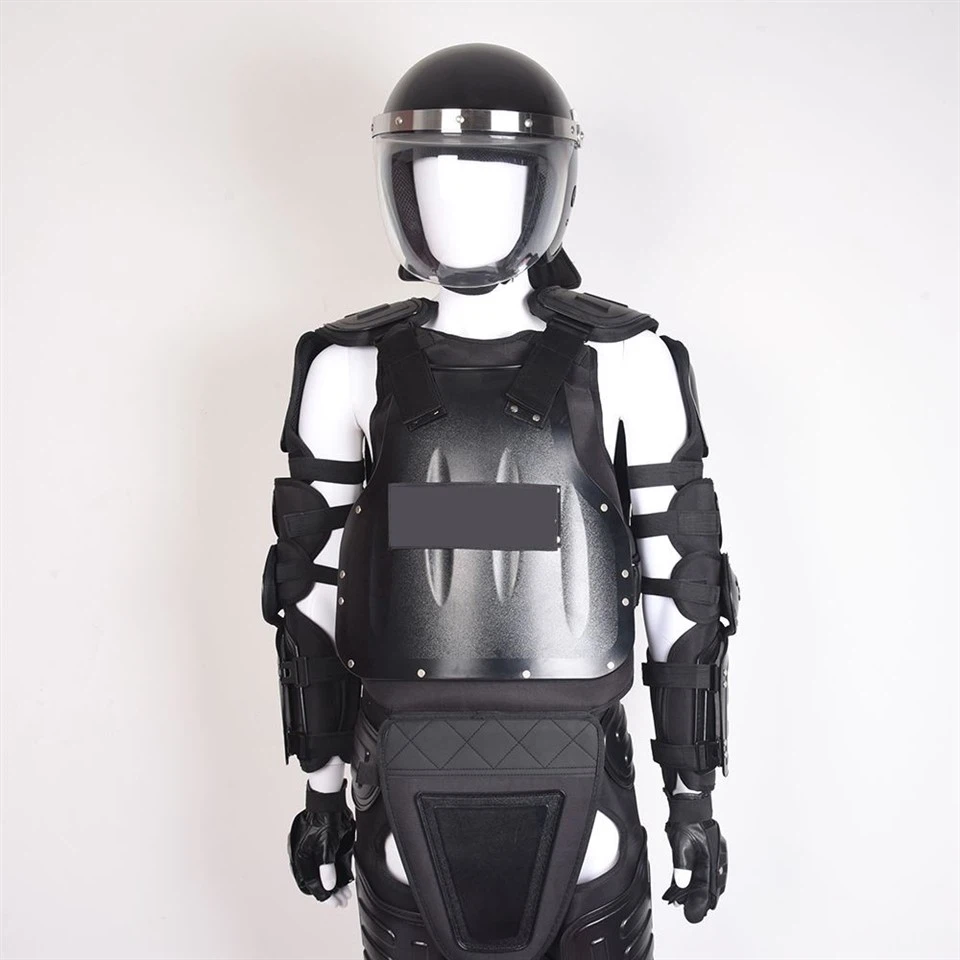
But let’s be honest: riot suits aren’t bulletproof, and they can’t stop a direct hit from a sledgehammer (no gear can, let’s keep it real). The key is that they reduce blunt force trauma to levels that don’t disable an officer. A 2022 study from the National Institute of Justice looked at riot gear performance for BFT and found that properly designed riot suits can reduce blunt impact force by 40-60% compared to regular work uniforms. That’s huge— because a force that would normally break a rib with no gear is just a bad bruise with the right suit. The study also noted that poorly maintained gear (like torn padding or cracked plates) loses that protection, so regular inspections are non-negotiable. I see so many departments using gear that’s 10 years old, and it’s no wonder officers are getting hurt— foam breaks down, plates get dented, and that protection fades fast.
Another common question: does this protection get in the way of officers doing their job? Riot situations are chaotic, and mobility matters. I get it— you don’t want a suit so bulky you can’t run or swing a baton. We test every piece of our gear on officers who are active, not just on dummies. Our riot suits weigh between 12-18 pounds, depending on the configuration, which is actually lighter than a lot of tactical gear officers use for patrol. The padding is contoured so it sits close to the body, not like a big box around you. The curved plates I mentioned earlier aren’t just protective— they’re shaped to let you reach your utility belt, move your arms freely, and even climb if you need to. Last year, we worked with a department in Texas that tested our gear during a protest that lasted 12 hours, and every officer reported they didn’t feel fatigued or restricted. That’s a win-win— protection that doesn’t slow you down.
Wait, what about different types of blunt force? Not all impacts are the same. A projectile thrown from far away is different from a close-range swing. Our riot suits are tested for both. We do impact tests using a pendulum that simulates a rock thrown at 30 mph (about the speed a typical crowd-thrown object travels) and a bat swung at 25 mph (simulating a close hit). The results are consistent across every suit we send out. We also offer custom adjustments for departments that have specific needs— like extra padding on the head for mounted units or thicker plates for officers working in areas where rocks are a common projectile. That’s the thing about being a supplier, not just a gear seller: we listen to what officers actually face in the field, not just what the spec sheets say.
I’ve also seen a lot of misinformation online, like people saying riot suits are overkill or that BFT is rare during protests. Let’s set that straight: BFT is one of the top causes of non-fatal injuries for law enforcement during crowd control events. The Bureau of Justice Statistics reported in 2021 that 32% of injuries during riot-related incidents were blunt force, most commonly from hard objects. So investing in good riot suit protection isn’t just “nice to have”— it’s a safety requirement. And when you get the right gear, it works. I’ve talked to an officer in Chicago who took a piece of concrete to the torso last year, and he said his suit kept him from being hospitalized. That’s the impact we’re talking about.
Now, let’s talk about maintenance because this is something almost every department overlooks. A suit that works new won’t work 2 years later if you don’t take care of it. The foam padding can get compressed if it’s stuffed in a gear bag for weeks at a time, the plates can get dented if you drop them, and the outer fabric can tear from brush or sharp objects. We send every customer a maintenance guide that says to inspect your gear monthly, replace any damaged padding or plates, and store suits flat (not rolled up) so the foam keeps its shape. That small step makes a huge difference in how long your gear provides blunt force protection.
At the end of the day, as someone who’s built this business around keeping officers safe, I can say with confidence that police riot suits do provide significant protection against blunt force trauma— but only if you get the right suit, use the right components, and maintain it properly. It’s not a one-size-fits-all thing, either. Some departments need lighter gear for short, low-intensity events, others need heavier, more robust gear for long, intense protests. That’s why we have a full range of Anti Riot Suit and Anti Riot Gear options, including the Police Riot Equipment line that’s designed for all types of crowd control situations.
If you’re a department looking to upgrade your gear or just have questions about which suit is right for your team, don’t hesitate to reach out. We work directly with law enforcement agencies across the country to tailor our gear to their specific needs, and we provide full testing data for every product so you know exactly what you’re getting. Your officers deserve gear that actually does what it’s supposed to— keeps them safe when they’re out there keeping everyone else safe. Let’s talk.
REFERENCES
National Institute of Justice. (2022). Performance Standards and Testing Methods for Riot Control and Crowd Management Equipment. U.S. Department of Justice.
U.S. Bureau of Justice Statistics. (2021). Non-Fatal Injuries to Law Enforcement Officers During Civil Unrest Events. BJS Brief.
Smith, J. et al. (2020). Blunt Force Trauma Mitigation in Personal Protective Equipment: A Field Study of Riot Control Gear. Journal of Occupational and Environmental Safety, 15(3), 112-121.