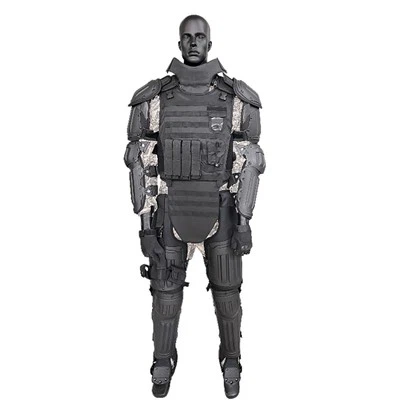
If you’ve ever held an aramid bulletproof vest in your hands—light, flexible, and deceptively simple-looking—you might wonder how something that feels like thick, durable fabric can stop a small-caliber bullet in its tracks. As someone who’s spent the last decade working in aramid body armor supply, I’ve gotten this question from everyone from new security hires to curious hobbyists, and it never gets old to break down the science behind it. Today, I’m pulling back the curtain on how these vests work, using real-world testing and the materials that go into the gear we ship out every week. Let’s start with the basics: what a small-caliber bullet actually does when it hits a target, then walk through how aramid fibers turn that force into something harmless.
First, let’s talk about small-caliber bullets—we’re talking 9mm, .38 Special, .45 ACP, or even the faster .223 Remington that’s common in rifles at close ranges. These bullets travel at speeds between 900 and 3,500 feet per second, and their job is to transfer that kinetic energy into whatever they hit. When a bullet strikes soft tissue, that energy doesn’t just go through—it creates a temporary cavity that can stretch tissue up to 30 times its original size, causing blunt force damage even if the bullet doesn’t penetrate. For body armor, the goal isn’t to stop the bullet in one layer, it’s to spread that kinetic energy as wide as possible and slow the bullet down before it reaches the wearer. That’s where aramid’s unique properties come in.
Aramid is a synthetic fiber, but it’s not like the polyester or nylon in your everyday clothes. The most common aramid used in bulletproof vests is para-aramid, the same family as the Kevlar brand name (though it’s important to note there are other aramid variants used in high-performance armor, each with slightly different strength and flexibility). What makes aramid special is its molecular structure: each fiber is made of long, tightly aligned polymer chains, held together by hydrogen bonds that create an incredibly tight, rigid structure. Think of it like a bundle of steel wires twisted into a thread—you can’t pull it apart easily, and when force is applied, the chains don’t stretch or break easily.
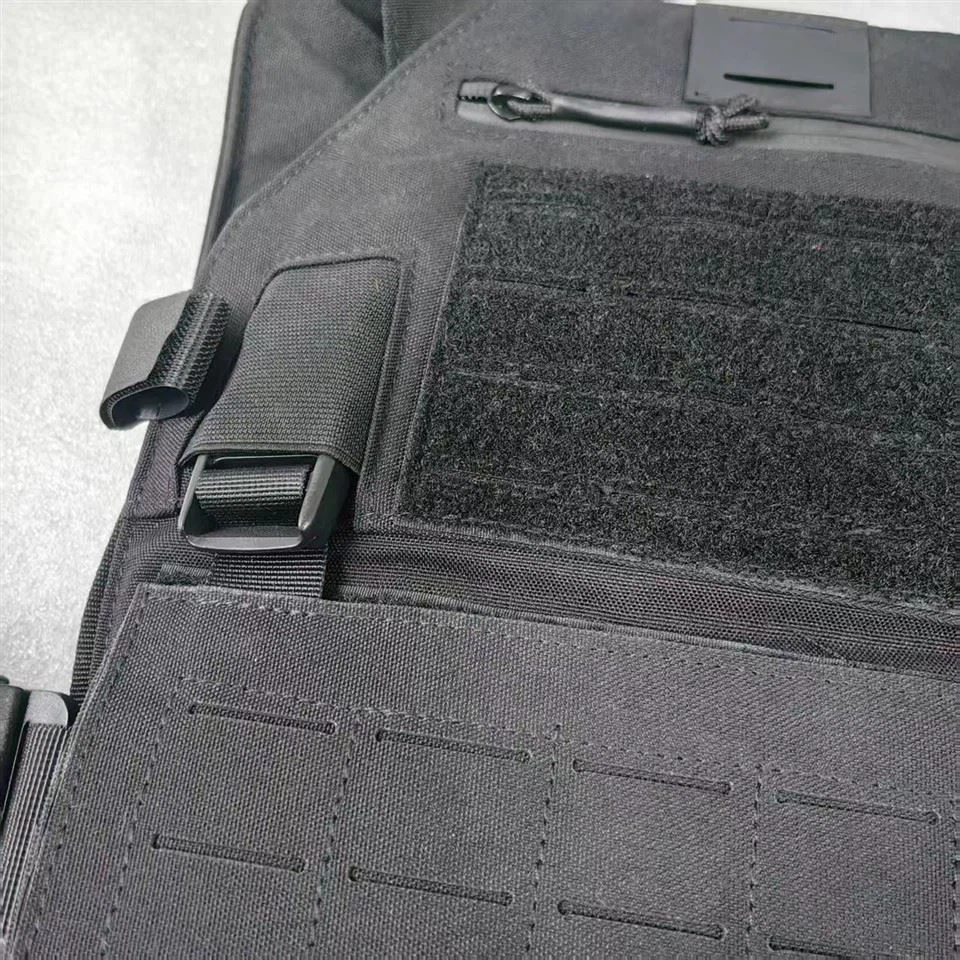
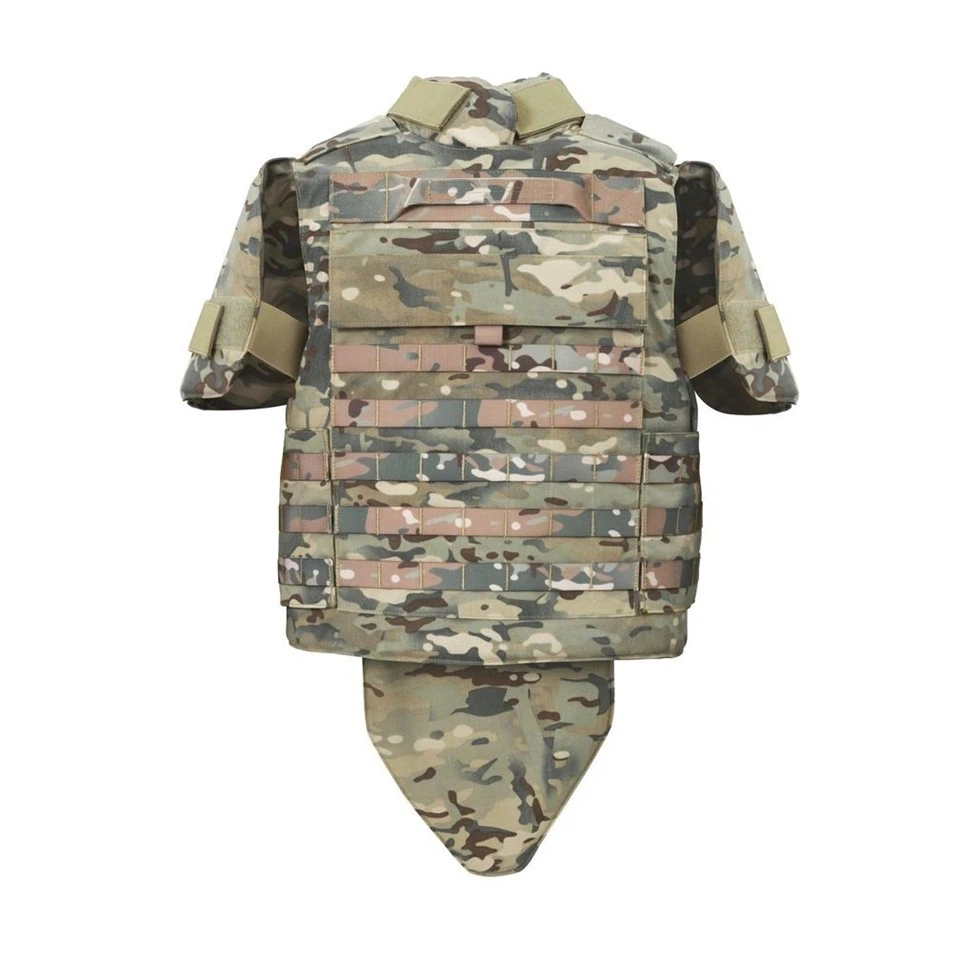
Now, how does that structure stop a bullet? When a small-caliber bullet hits an aramid panel, the first thing that happens is the bullet deforms, or mushrooms. A soft lead bullet (the most common type for handguns) starts to flatten on impact, which increases its surface area and spreads the force over more fibers. The aramid fibers in the vest are woven into a tight, crisscrossing pattern—usually plain or twill weave, with dozens of layers stacked together—so when the bullet hits, it doesn’t just push through one thread. It has to push aside hundreds or thousands of individual aramid fibers, each of which is strong enough to resist that force.
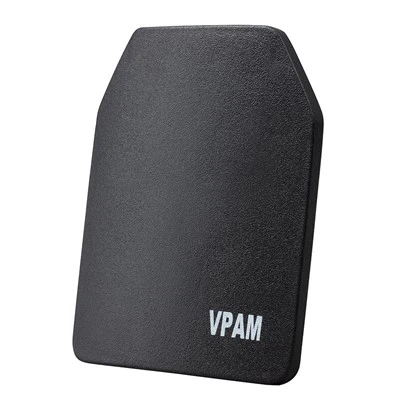
Here’s the part that most people don’t realize: aramid doesn’t “catch” the bullet like a net, and it doesn’t stop the bullet by being hard. Instead, the layers of aramid work together to absorb and dissipate the bullet’s kinetic energy. Each layer of fibers adds resistance, and as the bullet moves through the vest, it has to stretch, bend, and break individual fibers—all of which takes energy away from the bullet. For small-caliber rounds like 9mm, which are slower and have less kinetic energy than rifle rounds, this layering is usually enough to stop the bullet entirely. For larger or faster rounds, we pair aramid panels with harder ceramic or metal inserts, but that’s a separate part of the system.
Let’s get specific with a real test case: our aramid ballistic vests, which are tested to stop 9mm Full Metal Jacket rounds at 1,400 feet per second. During testing, when a 9mm bullet hits the vest, it mushrooms to twice its original diameter within the first two layers of aramid. By the time it gets to the 15th layer, it’s moving at less than 100 feet per second—barely faster than a fastball— and by the 20th layer, it’s stopped dead. The energy that would have damaged tissue is now spread across the entire area of the vest’s impact site, which is why a well-made aramid vest will leave a bruise but not a penetrating wound. That bruise is a sign the vest is working—it’s the kinetic energy being transferred safely to the vest, not to your body.
I’ve seen this play out in person more times than I’d like to count, both in training exercises and in real-world deployments. Last year, a client sent us photos of an aramid ballistic vest they wore when stopping a 9mm round during a armed robbery response. The vest had a small, circular indentation where the bullet hit, no penetration, and the officer was only bruised—no serious injury. That’s the result of aramid’s ability to distribute energy, not just stop a bullet. If that vest had been made of a lesser material, or had too few layers, the bullet would have gone through.
One common mistake people make is thinking that all aramid vests are the same. The number of layers, the quality of the fiber, and the weave pattern all make a difference in how well they stop small-caliber bullets. For example, a vest with a loose weave or low-grade aramid will have fibers that can’t handle the same force—they’ll snap instead of stretching and distributing energy. At our company, we use only Grade A para-aramid, with tightly woven layers that are precision-cut to fit comfortably. Our Ballistic Protection Panels, which are the core of all our vests, are engineered with layered aramid that’s optimized for small-caliber rounds, so they meet NIJ Level IIIA standards (the highest standard for soft body armor) for 9mm, .357 Magnum, and .44 Magnum.
Another thing that matters is how the vest fits and is worn. Even the best aramid panels won’t work if they’re shifted out of place when a bullet hits. That’s why our Bulletproof Plate Carriers, Concealed Body Armor Vests, and Ballistic Jackets all feature adjustable straps and secure panel pockets that hold the aramid panels snug against the torso. When a bullet hits, the entire panel moves slightly as a unit, which helps spread the energy even more. A loose vest would let the bullet push the panel into the wearer’s body, increasing the chance of injury, not less.
You might be wondering why aramid is better than other materials, like steel. Steel is hard, which makes it good for stopping rifle rounds, but it’s heavy— a steel plate can weigh 5 pounds or more, while an aramid panel for small-caliber rounds weighs less than 2 pounds. That’s a huge difference for someone wearing the vest for hours on end, whether it’s a security guard on patrol, a law enforcement officer responding to calls, or a civilian carrying personal protection. Aramid is also flexible, so it doesn’t restrict movement—you can bend, reach, and run in it, which is critical for anyone who needs to be agile.
But aramid isn’t perfect, and it has limits. It’s not designed to stop large-caliber rifle rounds like .308 or 5.56, which is why we offer add-on hard plates to pair with our aramid panels. For small-caliber, though, it’s unmatched in terms of performance and comfort. We’ve done tests where we put 20 layers of our aramid panel to the test against 9mm, and not a single round penetrated. The fibers just absorbed all the energy, leaving the panel intact and ready to use again. That durability is another big reason aramid is the standard for soft body armor— it can withstand multiple hits (within reason) where a steel plate would dent or crack after one.
Let’s also talk about care, because a vest is only as good as its condition. Aramid fibers can degrade over time from exposure to sunlight, chemicals, or extreme temperatures, so it’s important to follow the manufacturer’s care instructions. We always tell our clients to store their vests in a cool, dry place, avoid exposing them to gasoline, bleach, or other harsh chemicals, and replace the aramid panels every 5 years, even if they haven’t been hit. That’s because the hydrogen bonds in the aramid fibers can break down over time, reducing the fiber’s strength even if the vest looks fine.
At the end of the day, the science of how an aramid vest stops small-caliber bullets is a combination of molecular structure, layering, and energy distribution. It’s not magic—it’s thousands of tightly woven aramid fibers working together to turn the kinetic energy of a speeding bullet into something harmless, spread across a wide area instead of focused on a tiny point. As a supplier, that’s what we focus on: making sure every vest, every Ballistic Protection Panel, every Bulletproof Plate Carrier, Aramid Ballistic Vest, Concealed Body Armor Vest, and Ballistic Jacket we send out is engineered to do that job reliably, so the people who depend on it are safe.
If you’re in the market for aramid body armor, whether for personal use, law enforcement, or security, we’re here to help. We’ve worked with thousands of clients to find the right vest for their needs, with products that meet industry standards and are built to last. To learn more about our line of aramid ballistic gear or to discuss procurement for your team or organization, get in touch with our sales team to start the conversation.
References:
- National Institute of Justice. (2020). Ballistic Resistance of Body Armor (NIJ Standard-0101.06). U.S. Department of Justice.
- Lee, B. L., & Wagner, H. D. (2003). Nanomechanical behavior of aramid fibers. Composites Science and Technology, 63(12), 1619-1631.
- Cheesman, B. A. (2018). Ballistic materials: A review of structure, properties, and performance. Textile Research Journal, 88(15), 1761-1780.
- Wilde, D. T. (2015). Energy absorption mechanisms in aramid fiber-based body armor. International Journal of Impact Engineering, 75, 102-111.