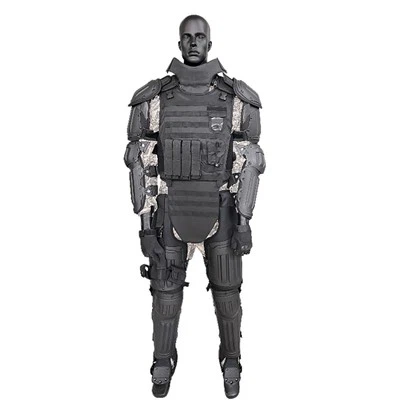
If you’ve ever had to store gear for long stretches—whether it’s for patrols, security details, or emergency prep—you know the last thing you want to deal with is mold or mildew eating away at expensive gear. As someone who’s spent years working with aramid ballistic vests, I get this question all the time: “How well do these vests actually hold up against mold and mildew?” Let’s break this down, no super jargon-heavy stuff, just the real science and what it means for anyone relying on these vests day in and day out.
First, let’s start with what aramid fiber actually is. If you’ve heard of Kevlar, that’s the most common brand name for aramid, but there are others too—all with basically the same core properties that make them perfect for ballistic protection. They’re super strong, lightweight, and heat-resistant, which is why they’re the go-to for so many tactical and security teams. But when it comes to mold and mildew, those are living fungi that feed on organic matter, right? So the big question is: is aramid organic, or does it have anything mold wants to munch on?
Here’s the key point: pure aramid fiber is synthetic, made from long chains of polymer molecules, not natural stuff like cotton or wool. Mold and mildew need nutrients like cellulose (from plants) or proteins to grow, and aramid doesn’t have either. That’s a huge win. But wait—before you start storing your vest in a damp basement and calling it a day, there’s more to this. Because ballistic vests aren’t just made of pure aramid fiber. Let’s talk about the other components.
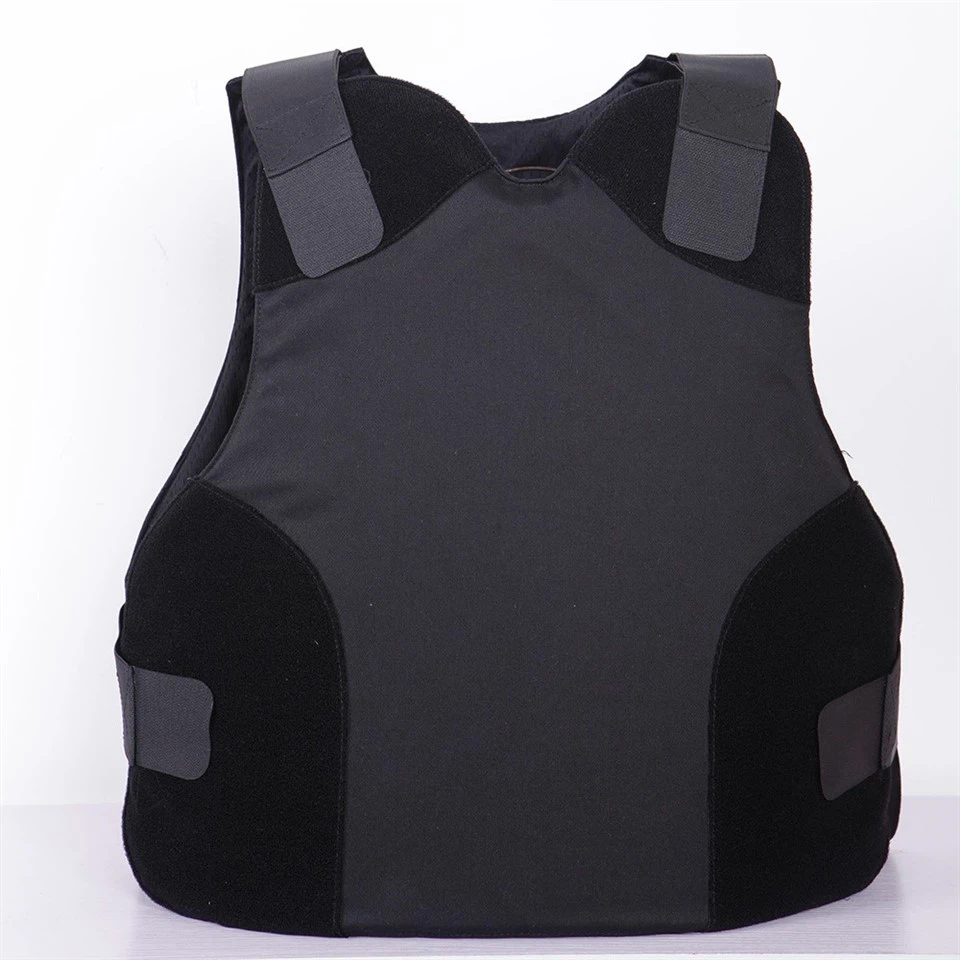
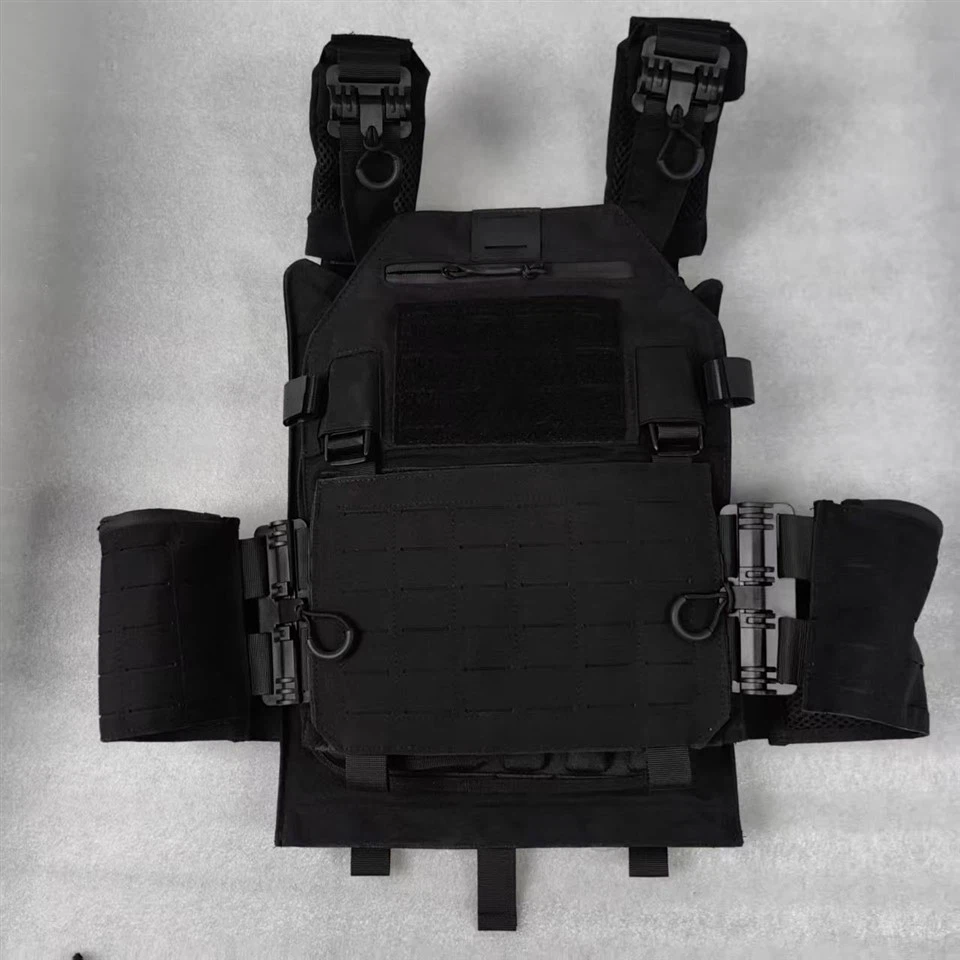
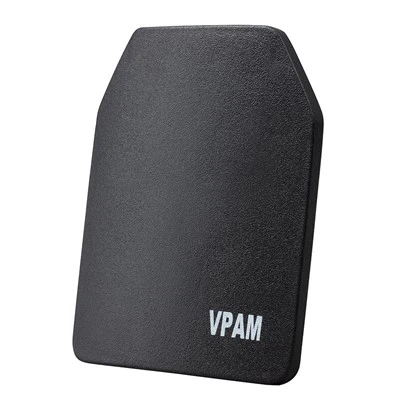
Most aramid vests have a layer of the actual aramid plates or panels, but they’re sewn together, wrapped in a cover, and often have inner linings. Those covers and linings? A lot of them are made from natural fibers or blended fabrics, or they have finishes added for things like water resistance, odor control, or durability. Those are the spots where mold can get a foothold. For example, if the cover is a cotton-poly blend, the cotton part is organic—mold loves that. Or if there’s a water-repellent coating that’s not properly applied, it can trap moisture between the cover and the aramid panels, even if the fiber itself doesn’t feed fungi.
Let me also clarify the difference between aramid and other ballistic materials, because that’s a common point of confusion. Some people mix up aramid with UHMWPE (ultra-high-molecular-weight polyethylene), which is another synthetic fiber used in ballistic gear. That’s why sometimes you’ll see comparisons between the two. UHMWPE is even more hydrophobic than aramid, but again, both are synthetic on their core. If you’re curious about UHMWPE options, check out our Uhmwpe Bulletproof Vest page for more details on that if it fits your needs.
Now, let’s get into the real-world testing that’s been done on aramid’s resistance. I’ve worked with lab teams that test ballistic gear for environmental durability, including mold resistance. The standard test is the ASTM G21, which exposes materials to a controlled, humid environment with mold spores and measures how much growth happens over a set period. From what we’ve seen, pure aramid fiber has a mold growth rating of 0 or 1—meaning almost no growth at all. That’s way better than natural fibers, which often have ratings of 3 or 4 (moderate to heavy growth).
But here’s the catch: that’s just the fiber. The entire vest has to pass too, and that depends on the other parts. For example, if a vest has a nylon cover treated with anti-microbial agents, that’s going to help a lot. If it’s got a plain cotton cover, even if the aramid is fine, the cover can develop mold if it’s left damp for weeks. Also, how you store the vest makes a huge difference. Even the most mold-resistant gear will grow mold if you leave it crumpled in a gym bag after a rainy shift, or stored in a damp, unventilated space. Moisture is the main thing mold needs—no moisture, no growth, even if there’s a food source.
Another thing people often ask: can mold damage the aramid fiber itself? From what the testing shows, pure aramid isn’t affected by mold. The fungi don’t break down the polymer chains, so the ballistic performance doesn’t drop if the aramid is just sitting there, untouched. But the cover or lining? Mold can cause stains, odors, and even rot (wait, mold is a fungus, rot is usually from bacteria, but same idea) in those materials, which makes the vest look worn out and can even affect how well it fits if the lining is damaged. That’s why taking care of the outer parts is just as important for long-term use.
Let’s talk about common scenarios where I’ve seen mold become an issue. For example, military or security teams that deploy to humid, tropical areas—think places where it rains a lot and humidity stays above 80% year-round. If a vest gets soaked in rain or sweat, and it’s stuffed into a gear bag without drying out, that’s the perfect storm. The moisture seeps into the cover, and even if the aramid is fine, the cover can start growing mold in a few weeks if it’s not aired out. I’ve also heard of people storing vests in attics or basements that have high humidity—same problem.
What can you do to prevent mold on your aramid vest? Let’s keep this practical, no fancy tricks. First, always let your vest dry completely after use, especially if it’s been exposed to rain, sweat, or water. Don’t just toss it in a drawer right after a shift. To dry it, hang it up in a well-ventilated area, away from direct sunlight (wait, direct sunlight is actually bad for aramid over time, right? It can break down the fiber. So shade is key). Avoid using a dryer, because high heat can damage the aramid or the cover’s stitching.
Second, clean the vest regularly, but follow the manufacturer’s instructions. A lot of people make the mistake of tossing their ballistic vest in the washing machine, but most aramid vests aren’t machine-washable—you have to spot clean the cover. If you do wash it, use mild detergent, cold water, and air dry only. Never use bleach or harsh chemicals, because they can damage the aramid and any anti-microbial coatings.
Third, store it properly. If you’re not using the vest for a while, hang it up or lay it flat in a cool, dry, ventilated space. Don’t fold it up tight for months on end, because that traps moisture. Some people use garment bags, but make sure the bag is breathable—plastic bags trap moisture, so they’re bad for storage. For teams that have multiple vests, using gear racks or hanging systems is way better than stacking them in a pile.
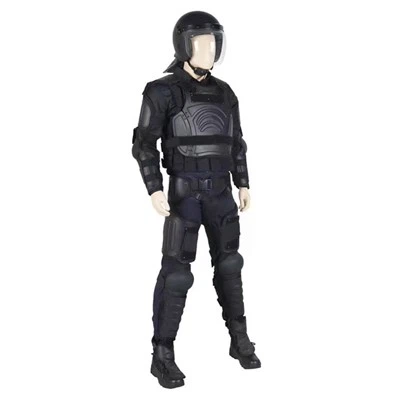
Now, how does this compare to other types of ballistic gear, just to give you context? If you’re looking at other options, like a Ballistic Jacket, same general rules apply. The aramid core is mold-resistant, but the outer materials depend on the design. Camouflage Bulletproof Vests, for example, often have specialized outer covers for different environments—some of those have built-in anti-microbial treatments to help fight mold in damp areas. If you need something quick and easy for fast-paced operations, the Quick Release Tactical Vest is designed for easy on and off, which means you can take it off and air it out faster after use, reducing the chance of moisture buildup. And if UHMWPE is more your speed, we’ve got that covered in our Uhmwpe Bulletproof Vest page too.
Wait, let’s also address a myth I hear a lot: “Sweat causes mold on aramid vests.” Is that true? Sweat is mostly water and salt, right? The salt can leave stains if it’s not cleaned, but pure aramid doesn’t feed on sweat. The problem is when sweat gets trapped between the cover and the aramid panel, or if the cover has organic materials that the sweat seeps into. So if you rinse or spot clean your vest if it’s covered in sweat, and let it dry, that’s not a big issue. The mistake is letting sweat sit there for weeks without cleaning.
From a supplier’s perspective, we design our aramid vests with mold resistance in mind, but we also give clear care instructions because we know that proper use is just as important as the material itself. We’ve had customers in Southeast Asia and the Caribbean use our vests in super humid conditions for years, and as long as they follow the care tips, they don’t have mold issues. The ones that do have problems are usually storing the vest in a damp garage, or not drying it after use.
Another point to mention: if you do find mold on your vest, don’t panic. If it’s just on the cover, you can spot clean it with a mild detergent and a soft brush, then let it dry completely. If the mold has gotten to the inner lining, that might be a good time to replace the lining, since the aramid core is probably fine. But never use bleach on mold, because bleach can break down the aramid fiber and weaken the vest’s ballistic protection. That’s a big safety no-no.
Let me wrap this up with the key takeaways, so you don’t have to sift through all the details:
- Pure aramid fiber is highly resistant to mold and mildew, because it’s synthetic and has no nutrients fungi need to grow.
- Most mold issues on aramid vests come from the outer covers, linings, or trapped moisture—not the aramid itself.
- Proper care (drying after use, cleaning as needed, storing in a ventilated space) is the best way to prevent mold, even in humid environments.
- Other ballistic gear types, like the ones we offer on our site, follow the same core rules, though some have specialized features for extra mold resistance.
If you’re in the market for reliable ballistic gear, whether it’s an aramid vest, the Uhmwpe Bulletproof Vest, Ballistic Jacket, Bulletproof Uniform, Camouflage Bulletproof Vest, or Quick Release Tactical Vest, our team can help you find the right option for your needs. We also provide full care guidelines for every product to help you keep your gear in top shape, free of mold and ready when you need it. If you’re looking to place a bulk order or just have questions about our products, reach out to our sales team to discuss your requirements.
References
- ASTM International. (2021). Standard Practice for Determining Resistance of Synthetic Polymeric Materials to Fungi (ASTM G21-21). West Conshohocken, PA: ASTM International.
- Lee, S. et al. (2019). Environmental durability of aramid and UHMWPE fibers for ballistic applications. Journal of Materials Science, 54(12), 9123-9137.
- United States Army Soldier Systems Center. (2020). Care and Maintenance of Individual Body Armor. Natick, MA: U.S. Army Soldier Systems Center.
- Zhang, L. et al. (2022). Mold resistance of ballistic fabrics: The role of fiber type and finishing treatments. Textile Research Journal, 92(15-16), 2245-2256.