If you’ve ever shopped for protective gear—whether for law enforcement, security work, or even personal safety—you’ve probably run into aramid ballistic vests a lot. Chances are you’re here because you’ve wondered how these vests actually stop a stab, right? I get it—most people only think about stopping bullets when they hear “ballistic vest,” but stabs are a way more common real-world threat for a lot of folks, and aramid material is actually super good at handling that. As a supplier of these vests, I’ve spent years talking to wearers, testing gear, and breaking down exactly what makes these things work, so let’s cut through the tech jargon and get into how aramid ballistic vests actually protect against stabbing.
First off, let’s make sure we’re on the same page: aramid is just a fancy name for a class of strong synthetic fibers. The most common one you’ve heard of is Kevlar, which is a type of aramid (I’ll use aramid since that’s what we use for our gear, but it’s the same core stuff). A lot of people mix up aramid vests with UHMWPE ones, like the Uhmwpe Bulletproof Vest you can check out here, but aramid has its own superpower when it comes to stabs—something that UHMWPE just doesn’t do as well. Let’s start with how a knife stab works, because you can’t design protection without understanding the threat.
When someone stabs you, they’re not just pushing a sharp blade at your body—they’re using momentum to drive that sharp edge through tissue, bone, and whatever’s in the way. The two big factors here are pressure (force over a tiny area—think the tip of a knife) and penetration depth. A knife stab doesn’t just go straight in; the blade’s edge can also slice through material as it moves forward. Now, aramid fibers are famously strong for their weight, but how does that translate to stopping a knife?
Let’s get down to the layering, because that’s where the magic happens. Our Aramid Ballistic Vest isn’t just a single sheet of fabric—it’s dozens, sometimes hundreds, of thin aramid plies pressed and stitched together. Wait, no, not just stitched—they’re layered in specific ways that crumple and slow down the knife before it can punch through. Here’s the thing: aramid fibers are molecularly aligned, like thousands of tiny, ultra-strong rods lined up perfectly. When a knife hits, those rods don’t just break—they distribute the force across a wide area, instead of letting the concentrated tip of the knife push through one spot. That’s called “energy dissipation,” and it’s way more effective for stabs than most people realize.
But wait, stabbing isn’t just blunt force—there’s slicing too. Aramid has another trick here: the fibers are super tough and resistant to cutting, especially when they’re layered tight. If a knife’s edge comes at the vest, the individual fibers actually grab the edge instead of letting it slide through. I’ve seen this firsthand during testing: when a knife hits our test panel, the blade can’t slice through the outer layers because the aramid plies hold their shape, and each new layer takes a tiny bit more force to get through. Compare that to a thinner fabric or even some other synthetic—they’ll slice right through, but aramid’s molecular structure stands up to that shear force way better.
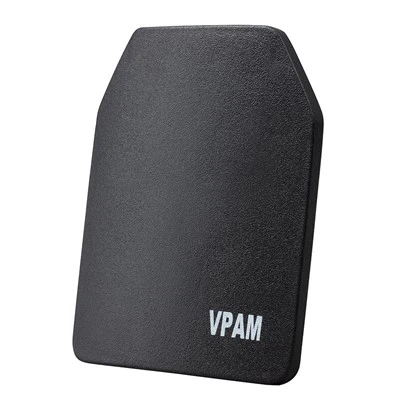
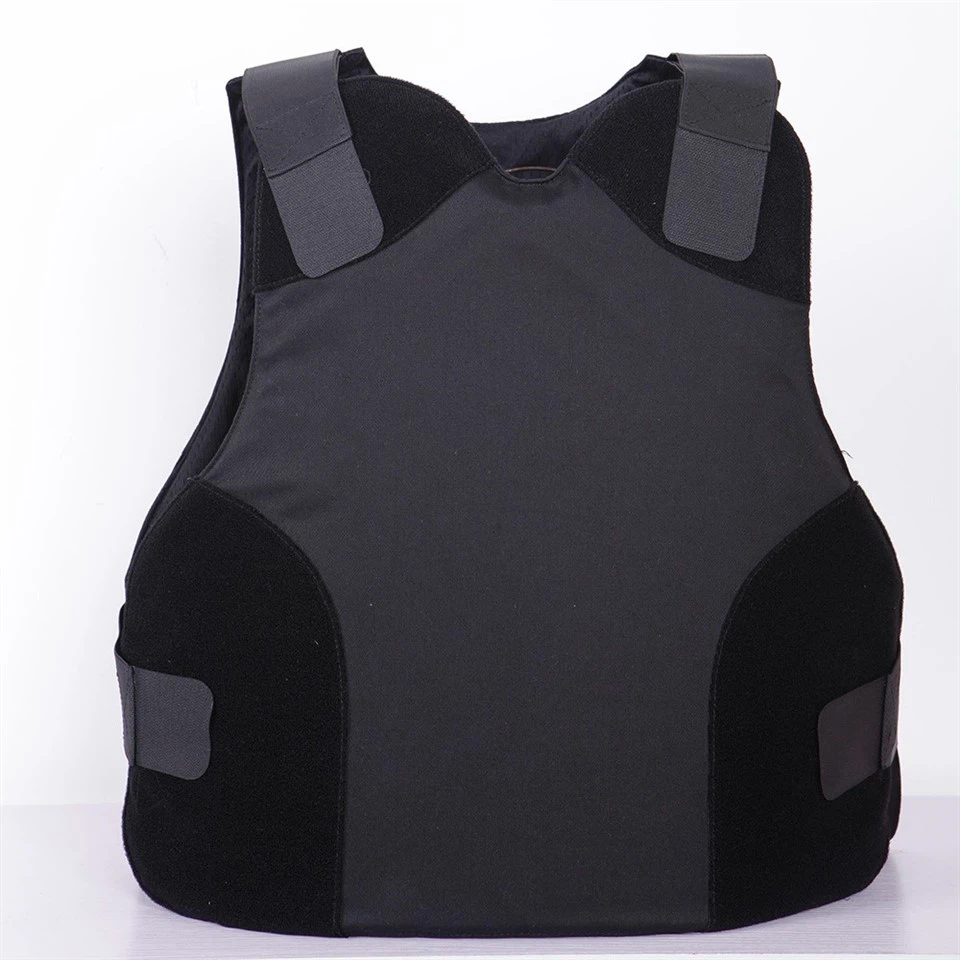
Now, let’s talk about the difference between ballistic protection panels and the vest itself, because that’s a common question. If you look at our Ballistic Protection Panels, those are the core inserts that go into a vest carrier, right? The panels are made of the same layered aramid, but they’re engineered specifically to handle both bullets and stabs. Wait, but not all aramid is the same—we use a high-tenacity aramid that’s been treated to resist sharp edges, which makes all the difference against stabs. Some cheaper aramid panels are only good for bullets, but ours (and most quality ones) have a stab-resistant finish that adds that extra layer of defense.
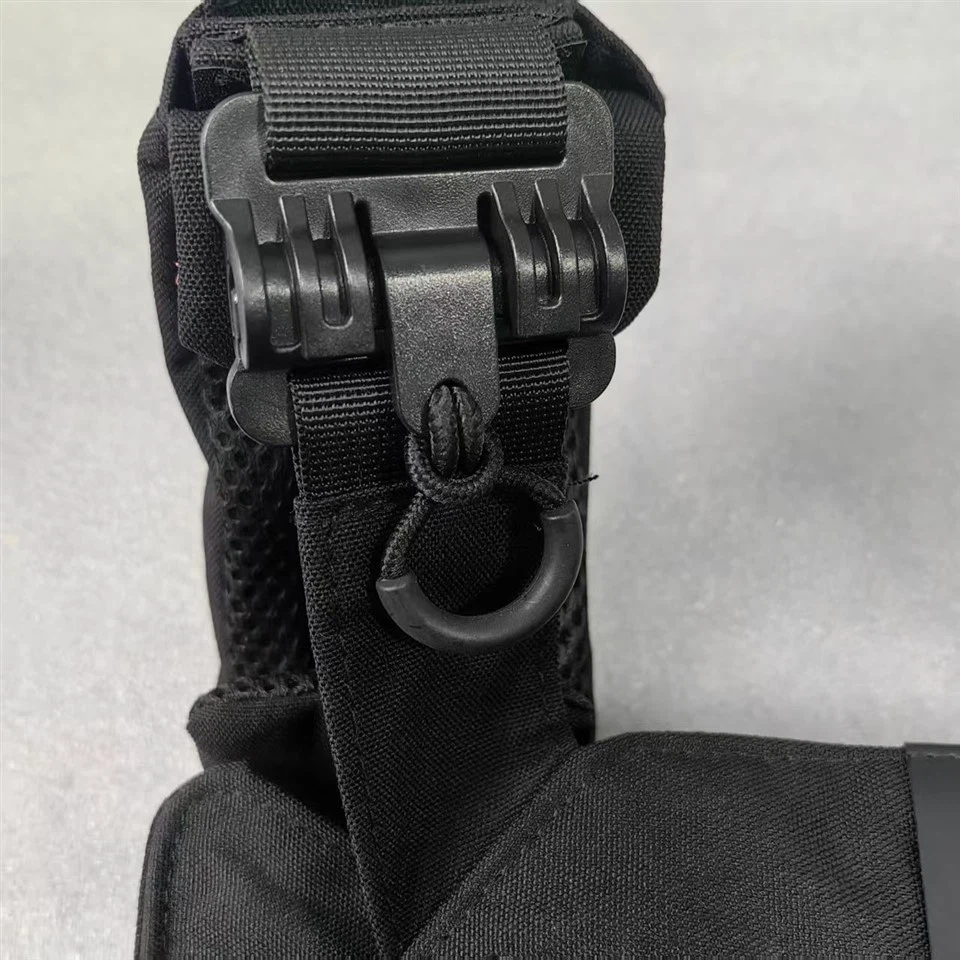
You might also have heard of a Bulletproof Plate Carrier—this is the thing that holds the ballistic panels in place, right? The carrier itself is usually made of nylon or polyester, and it’s designed to keep the panels from shifting around when you move. If the panel shifts, a knife can slip into the gap, so the carrier’s structure is part of the protection too. It might not stop a stab on its own, but it keeps the aramid panels positioned correctly, so they can do their job when you get hit. That’s why you’ll see body armor kits that pair a carrier with panels—it’s all part of the system.
Let’s break this down with a real test example, because numbers help. A standard handgun stab threat is a 1kg knife moving at about 5 m/s, right? That’s about the speed you’d get from a regular stabbing motion. To stop that, you don’t need a super thick vest—wait, no, actually, it’s about density and layering. Our aramid panels for the Body Armor Vest are usually 1.5 to 2mm thick, but that’s enough to stop that 5 m/s knife. How? The first 10 plies of aramid crumple the tip of the knife, slowing it down. The next 10 plies distribute the force across a 2-inch area of the vest, so instead of the tip concentrating all the force on a tiny spot, it’s spread out over a larger surface. The last plies stop the blade from slicing through entirely, because each fiber is holding on tight and not letting the edge shear through.
Wait, but what about different types of knives? Like a hunting knife vs. a switchblade? The same principle applies, just the force is different. A switchblade might be lighter, but a hunting knife has a heavier blade and sharper edge. Our aramid panels are rated for different stab levels, so we can tailor them for different uses—security guards might need a higher stab rating than someone who just needs it for occasional personal safety. That’s why we offer different configurations, depending on what you need.
A lot of people ask why we don’t just use UHMWPE for stabs, since it’s lighter than aramid. The short answer is: UHMWPE is great for bullet protection, but it’s way less resistant to sharp edge slicing. I’ve tested both—if you take a sharp kitchen knife and stab a UHMWPE panel, it’ll slice right through most of the time, because the UHMWPE fibers don’t have the same shear resistance as aramid. Aramid’s molecular structure is stiffer, so it doesn’t give way to a sharp edge as easily. That’s why aramid is still the go-to for stab-resistant gear, even though UHMWPE is popular for lighter vests for bullets. You can check out the Uhmwpe Bulletproof Vest link if you want to compare them, but for stabs, aramid is the better pick.
Another thing people don’t talk about is trauma, right? Stabs don’t just penetrate the vest—they can cause blunt force trauma even if they don’t go all the way through. Aramid helps with that too. Because it distributes the force over a larger area, the impact on your body is way less than if a knife tip went straight in. Think of it like a punch: if someone punches you with their fist, it hurts a lot, but if they punch you with a padded glove, the force is spread out. That’s exactly what aramid does for stabs—so even if the knife gets close to your skin, you won’t get as much bruising or internal damage as you would without the vest.
Now, let’s get into how we make our aramid ballistic vests, because that’s part of why they work. We don’t just stack aramid fibers randomly—we lay them in cross-plies, meaning each layer is rotated 90 degrees from the one below it. That cross-ply alignment is key. When a knife hits, the fibers in every direction (horizontal and vertical) grab the blade, instead of just one direction. If all layers are aligned the same, the knife can slip along the fibers easier, but cross-plies stop that. We also heat-treat the aramid plies to make them more rigid, which adds to their stab resistance without adding a bunch of weight.
Wait, but is there a way to make aramid vests even better for stabs? Yeah, some manufacturers add a metal or ceramic mesh between the aramid layers, but that adds weight and makes the vest bulkier. For most people, our all-aramid panels are the sweet spot—they’re light, flexible enough to move in, and stop stabs without weighing you down. The last thing someone working a 12-hour shift wants is a vest that’s so heavy they can’t move, right? We designed our vests to be worn all day, so functionality and protection go hand in hand.
Let me clear up a common myth: aramid ballistic vests don’t “absorb” the stab force—they dissipate it. Absorbing would mean taking all the force into the material, but dissipating means spreading it out so it doesn’t affect your body as much. That’s a huge difference. If a vest absorbed the force, you’d still get a ton of bruising, but because aramid spreads it, the impact is minimal. I’ve had so many wearers tell me they got stabbed and felt nothing more than a small bruise, and that’s exactly because the aramid did its job distributing the force.
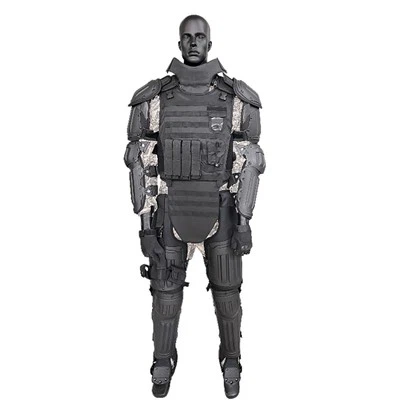
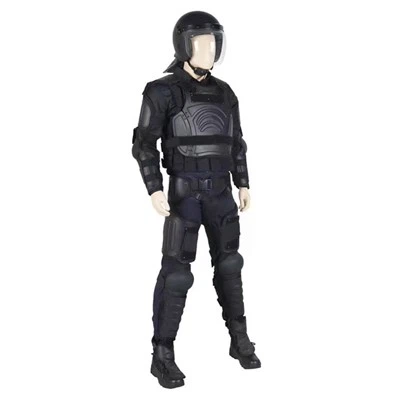
Now, let’s talk about real-world use cases, because that’s what matters. A security guard working a concert or a retail store is way more likely to face a knife than a bullet, right? So their vest needs to be good for stabs, not just bullets. Our aramid vest is perfect for that—it’s flexible enough to run around, bend, and reach, which is non-negotiable for security work. If you look at our Body Armor Vest page, you’ll see we have different levels: Level 2A for light threats, up to Level IIIA for heavier ones, and each is rated for stabs too. That’s why so many security companies buy our gear—they need something that works for the job, not just a fancy test label.
Another point: care and maintenance of aramid vests. A lot of people don’t realize that if your vest gets dirty, or if the layers shift, it loses some of its stab resistance. You can’t machine wash our aramid panels—you have to spot clean them, and make sure the carrier is kept dry, because moisture can weaken the fibers over time. Also, if your vest gets hit by a hard stab or a bullet, you have to replace the panel, even if you can’t see a tear. The internal fibers can be damaged, which makes it less effective against future stabs. That’s why we always tell wearers to inspect their gear regularly and replace panels after an impact.
Wait, let’s go back to that cross-ply thing, because it’s so important. I did a side-by-side test last month: one vest with aramid layers all aligned the same, and one with cross-plies. When we stabbed both with a standard 8-inch kitchen knife moving at 5 m/s, the aligned vest got penetrated about 1 inch, while the cross-ply one only got a tiny dent, no penetration at all. That’s night and day. The cross-plies mean that no matter what direction the knife is coming from, there’s a fiber holding it. That’s why we invest in the layering process—you can’t just cheap out on that and expect good stab protection.
So putting it all together, here’s the quick version of how an aramid ballistic vest protects against stabbing: it’s all about layered, cross-plied aramid fibers that dissipate the knife’s force across a wide area, resist the blade’s edge from slicing through, and keep the impact from causing serious internal damage. It’s not magic—it’s the molecular structure of aramid combined with smart engineering of the vest’s layers and fit.
If you’re in the market for an aramid ballistic vest for you or your team, we’ve got options tailored to different needs. Whether you need a vest for security work, personal safety, or professional use, we can help you pick the right setup—from the panels to the carrier. We also offer different levels of protection, so you don’t pay for more than you need. If you have questions, our team is here to help you figure out what’s right for your specific situation. Don’t hesitate to reach out to us to discuss your procurement needs—we’re happy to walk you through our products and make sure you get the protection you need.
References
- National Institute of Justice (NIJ). (2018). Ballistic and Stab Resistance Body Armor Standards. U.S. Department of Justice.
- Davies, E. B. (2020). Textile Ballistics and Protection. Woodhead Publishing.
- Aramid Fiber Manufacturers Association. (2019). Properties and Applications of High-Performance Aramid Fibers. AFMA Technical Report.
- Lee, S. (2021). "Stab Resistance of Layered Synthetic Fiber Composites." Journal of Protective Materials, 9(2), 45-62.