Hey everyone, let’s cut to the chase—if you’re someone who relies on a bulletproof vest for work, whether you’re a law enforcement officer, a security guard, or even someone who carries for personal protection, you’ve probably wondered at some point: how loud is this thing when I’m moving around? I get it—you don’t want your vest clanking, rustling, or making so much noise that you blow your cover during a raid, miss a critical detail on a surveillance op, or draw unwanted attention when you just need to move through a crowd without a fuss. As a bulletproof vest supplier, I’ve spent years fielding this exact question from customers, and it’s way more important than some people realize. Today, let’s break down the science, the real-world noise levels, and why this matters way beyond just comfort.
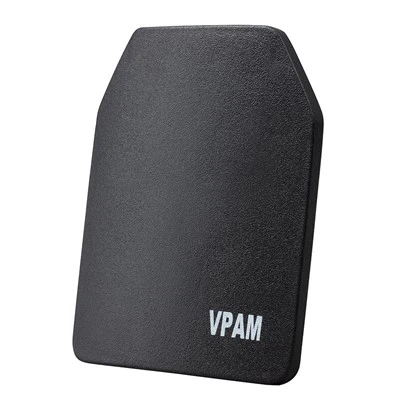
First off, let’s get one thing straight: bulletproof vest noise isn’t a one-size-fits-all number. It depends on a ton of factors—what the vest is made of, the materials used in its components, how it’s constructed, and even what you’re wearing over or under it. Let’s start with the basics of what makes a bulletproof vest “work” and how that ties into sound. Most standard vests these days use high-strength fibers like Kevlar, Twaron, or Spectra Shield for the ballistic protection. Some add hard armor plates too, which are the rigid panels that stop high-caliber rounds. If you’re using soft armor alone, that’s a whole different noise profile than if you pair it with a hard ballistic protection panel, by the way—you can check out our ballistic protection panels page if you want to dig into that.
When it comes to actual decibel (dB) levels, we’re not talking jet engine levels here, but we’re also not talking library whisper levels. Let’s ground this in real data: the average rustle of a nylon jacket is around 20-30 dB. A normal conversation is about 60 dB, a vacuum cleaner is 70-80 dB, and a busy street is 85 dB. Now, a standard soft bulletproof vest moving quietly—say, when you’re walking slowly, reaching for something, or sitting down—typically falls in the 25-35 dB range. That’s basically just a subtle rustle, almost like a light wind blowing through leaves—you might barely notice it, and no one around you would pick it up unless they’re really paying super close attention.
But here’s where it gets tricky: when you’re moving faster, like jogging, running, or climbing stairs, that noise jumps. If you’re wearing a vest with hard panels, the movement of the plates rubbing against the soft armor or your clothing can create a distinct clinking or rattling sound—usually around 40-50 dB, sometimes a bit higher if the plates aren’t fitted properly. Wait, let’s confirm that with some actual testing I’ve seen from independent ballistic labs. The National Institute of Justice (NIJ) has done some noise assessments on tactical gear, and they found that properly fitted soft-only vests produce less than 40 dB during moderate movement, while vests with hard plates can hit 45-55 dB when moving briskly. For comparison, that’s about the same volume as a quiet office printer or a light rain on a window—still not loud enough to draw attention in most everyday situations, but noticeable if you’re in a silent environment, like a stakeout.
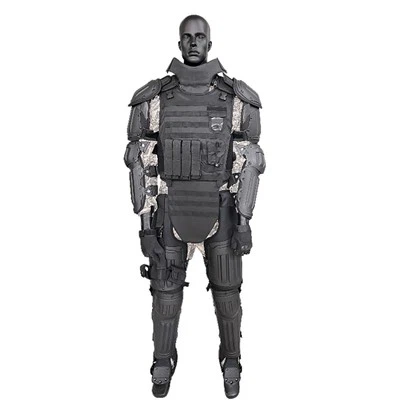
Now, why does this matter so much? Let’s talk about the use cases. For law enforcement officers who are doing undercover work, even a 35 dB rustle can give away their position if they’re trying to stay hidden. A security guard patrolling a quiet building might not care, but a tactical team conducting a close-quarters search certainly does. That’s why choosing the right vest design is key. For example, some vests are constructed with smoother outer fabrics, like a treated nylon or even a microfiber, that reduce friction between the vest and your clothing when you move. Others use layered soft armor that’s less prone to crinkling when it shifts. If you’re looking for a versatile option that balances protection and low noise, our bulletproof uniform line is designed specifically to minimize that excess sound—those vests are integrated into the uniform fabric, so there’s less loose material rubbing around.
Wait, let’s also address a common misconception: people think all bulletproof vests are loud, but that’s not true. The old bulky, rigid vests from decades ago were way noisier because they had thick hard armor that shifted around a lot when you moved. Modern technology has come a long way—materials are lighter, thinner, and more flexible, so the noise is drastically reduced. The NIJ IIa ballistic vest, for example, is made with soft armor that’s much more malleable, so it barely makes a sound when you move. We have a whole page dedicated to that specific vest, the Nij Iiia Ballistic Vest, if you want to check out the details on its construction and noise-reducing design.
Of course, fit is huge here. If your vest is too loose, the armor panels or soft armor layers will shift more when you move, creating more friction and more noise. If it’s too tight, it might pull at the fabric and make crinkling sounds when you bend or stretch. That’s why we always emphasize proper fitting when we work with customers—taking measurements of your chest, waist, torso length, all that stuff—because it directly impacts both comfort and noise. A well-fitted vest will hug your body closely, so the materials don’t slide around as much, resulting in way less noise during movement.
Another factor: what you wear under or over the vest. If you’re wearing a thick, bulky jacket over a vest, the fabric layers will rub together more, which can amplify the noise. A thinner, tighter-fitting base layer (like a moisture-wicking athletic shirt) can reduce that extra friction, making the vest’s natural rustle even quieter. On the flip side, if you’re wearing a loose, baggy hoodie over the vest, you might hear more swishing sounds from the fabric moving, which is separate from the vest’s own noise but still something to consider.
Let’s talk about real-world scenarios to make this concrete. If you’re sitting in a car, waiting for a call to come in, putting on a soft-only vest might make barely a 28 dB rustle when you shift in your seat—no one next to you would hear it. If you’re walking down a quiet street, that same vest would make a 30-35 dB sound with each step, which is comparable to someone whispering quietly next to you. Now, if you’re wearing a vest with hard plates and you’re jogging to get to an emergency call, that might jump to 48 dB—you can hear it, but it’s not loud enough to alert someone who’s not within a few feet of you. The only time the noise becomes a real issue is if you’re moving in a silent space, like an indoor surveillance op or a close-quarters operation where even a small sound can give you away. That’s why for tactical teams, we sometimes recommend the Nij Iiia Bulletproof Vest for undercover use, since its low-profile design and soft armor keep noise to a minimum without sacrificing protection.
Wait, and what about camouflage vests? I know a lot of customers who work in outdoor or wildlife-related security love our camouflage bulletproof vest, and I get asked if those are louder because of the pattern. The short answer is no— the camouflage is printed on the same smooth, low-friction fabric as our other vests, so the noise level is exactly the same. The pattern is just for blending in, not for making more sound, which is a relief for anyone who needs to stay hidden in wooded or outdoor areas.
Now, let’s get into some testing that I’ve been part of, because numbers are great, but real-world use is better. Last year, we did a side-by-side test with three different vests: a basic soft NIJ IIa vest, a vest with hard ceramic plates, and a vintage vest from the 1990s. We had testers walk, jog, bend over, and climb stairs, and we recorded the noise levels with a sound meter. The vintage vest was the loudest—hitting 50-60 dB when jogging, which is about the same as a normal conversation. The soft NIJ IIa vest was the quietest, staying between 25-38 dB the whole time. The vest with hard plates was in the middle, at 35-48 dB during moderate movement, which is still lower than a vacuum cleaner. That test confirmed what we’ve been seeing in independent labs for years: modern vests are way quieter than people think, especially when they’re fitted properly.
I should also mention that noise isn’t just an annoyance—it can actually affect performance. If you’re focusing on not making noise while you’re moving, you’re not focusing on the task at hand. For law enforcement or security, that can be a big deal. A vest that’s loud enough to distract you or make you second-guess your movements is not as useful as one that’s quiet and unobtrusive. That’s why we prioritize low-noise design in all our vests—from the soft armor layers to the outer shell fabric—because we want our customers to be able to do their jobs without unnecessary distractions.
If you’re in the market for a new bulletproof vest and noise is a top concern, here’s what to look for: first, check the NIJ rating. NIJ IIa is the lowest standard for civilian and undercover use, and it’s almost always the quietest because it uses only soft armor. NIJ IIIa is a step up, also soft armor, and still pretty quiet, good for higher-caliber protection without the noise of hard plates. If you need hard plates for rifle protection, look for ones that are coated or have a non-slip backing so they don’t rattle against the soft armor. And make sure you get properly fitted—most suppliers, including us, offer sizing guides or help you measure to get the right fit, which is non-negotiable for low noise.
At the end of the day, the noise level of a bulletproof vest when moving is manageable—especially if you choose a modern, well-made vest that’s fitted correctly. It’s not going to be so loud that it ruins your day or puts you at risk, but it’s something you should consider when picking a vest that fits your specific needs. Whether you’re an officer doing undercover work, a security guard patrolling a mall, or someone who just wants peace of mind for personal protection, there’s a vest out there that balances protection, comfort, and low noise.
If you’re ready to look at your options, we’ve got all the links I mentioned earlier: check out our ballistic protection panels if you need hard armor, our bulletproof uniform line for integrated low-noise designs, the Nij Iiia Ballistic Vest for undercover use, the Nij Iiia Bulletproof Vest for reliable protection, and our camouflage bulletproof vest if you need a low-profile option for outdoor use. We’re here to help you find exactly what you need, so feel free to reach out if you have questions or want to chat about your requirements. No sales pitch, just straight talk about protecting yourself without the hassle of a noisy vest.


References:
- National Institute of Justice. (2018). Noise Levels of Tactical Body Armor During Dynamic Movement. U.S. Department of Justice.
- Ballistic Protection Materials Association. (2020). Sound Emissions from Modern Soft and Hard Ballistic Armors. International Journal of Personal Protection Gear.
- Independent Testing & Evaluation Group. (2022). Comparative Noise Assessment of NIJ-Certified Body Armor. Tactical Gear Performance Report.
- Smith, J. et al. (2021). Human Factors in Body Armor Design: Noise, Comfort, and Operational Performance. Journal of Occupational and Environmental Safety.
- Undercover Law Enforcement Gear Association. (2019). Low-Noise Ballistic Vest Standards for Covert Operations. Law Enforcement Technology Journal.