When it comes to riot control operations, ensuring the safety and well - being of the law enforcement officers and security personnel is of paramount importance. One crucial piece of equipment in such scenarios is the riot suit. As a leading supplier of riot suits, I have witnessed firsthand the significance of these protective gears in high - risk situations. However, an often - overlooked aspect is the impact of a riot suit on body temperature. In this blog post, we will delve into the scientific details of how wearing a riot suit can affect the body's thermoregulation and what implications it has for the wearers.
The Structure and Materials of Riot Suits
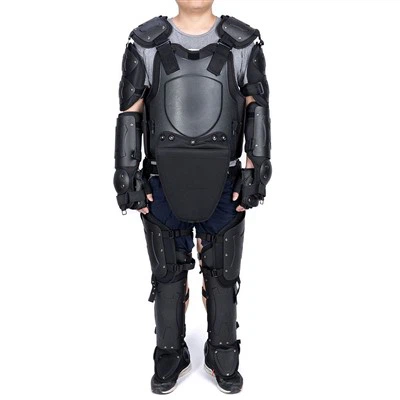
Riot suits are designed to provide comprehensive protection against various threats, including physical attacks, projectiles, and minor chemical exposures. They typically consist of multiple layers of specialized materials. The outer layer is usually made of tough, abrasion - resistant fabrics such as Kevlar or high - density nylon. These materials can withstand cuts, scratches, and impacts from blunt objects. Underneath the outer layer, there are padding layers made of foam or gel materials. These padding layers absorb the energy of impacts and reduce the risk of injury to the wearer.
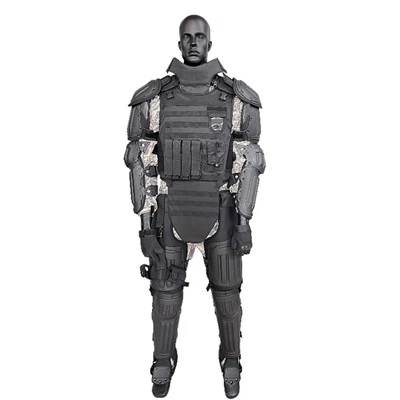
The Police Riot Suit we supply is meticulously crafted with these high - quality materials. The construction of the suit not only provides effective protection but also has a significant influence on the wearer's body temperature. The multiple layers of materials act as a barrier that restricts air circulation around the body. Unlike regular clothing, which allows air to flow freely and carry away heat and moisture, riot suits limit this natural cooling mechanism.
The Thermoregulatory System of the Human Body
Before understanding how a riot suit affects body temperature, it is essential to have a basic understanding of the human body's thermoregulatory system. The human body maintains a relatively constant internal temperature of around 37°C (98.6°F) through a complex physiological process. When the body is exposed to a warm environment or engages in physical activity, it generates heat. To dissipate this excess heat, the body uses several mechanisms.
One of the primary mechanisms is sweating. When the body temperature rises, the sweat glands secrete sweat onto the skin's surface. As the sweat evaporates, it takes heat away from the body, cooling it down. Another mechanism is vasodilation, where the blood vessels near the skin's surface expand, allowing more blood to flow to the skin. This helps transfer heat from the body's core to the surface, where it can be radiated away.
Impact of Riot Suits on Body Temperature
Wearing a riot suit can significantly disrupt the body's thermoregulatory process. The thick and multi - layered design of the suit reduces the evaporation of sweat. Since the suit restricts air circulation, the sweat on the skin's surface cannot evaporate as efficiently as it would in normal clothing. As a result, the body's ability to cool down through sweating is impaired.
Moreover, the suit's insulation properties prevent the efficient transfer of heat from the body's core to the environment. The padding and outer materials act as insulators, trapping heat close to the body. This can lead to a rapid increase in body temperature. In a study conducted on law enforcement officers wearing riot suits during training exercises, it was found that the core body temperature of the officers could rise by as much as 2 - 3°C within 30 - 60 minutes of continuous activity.
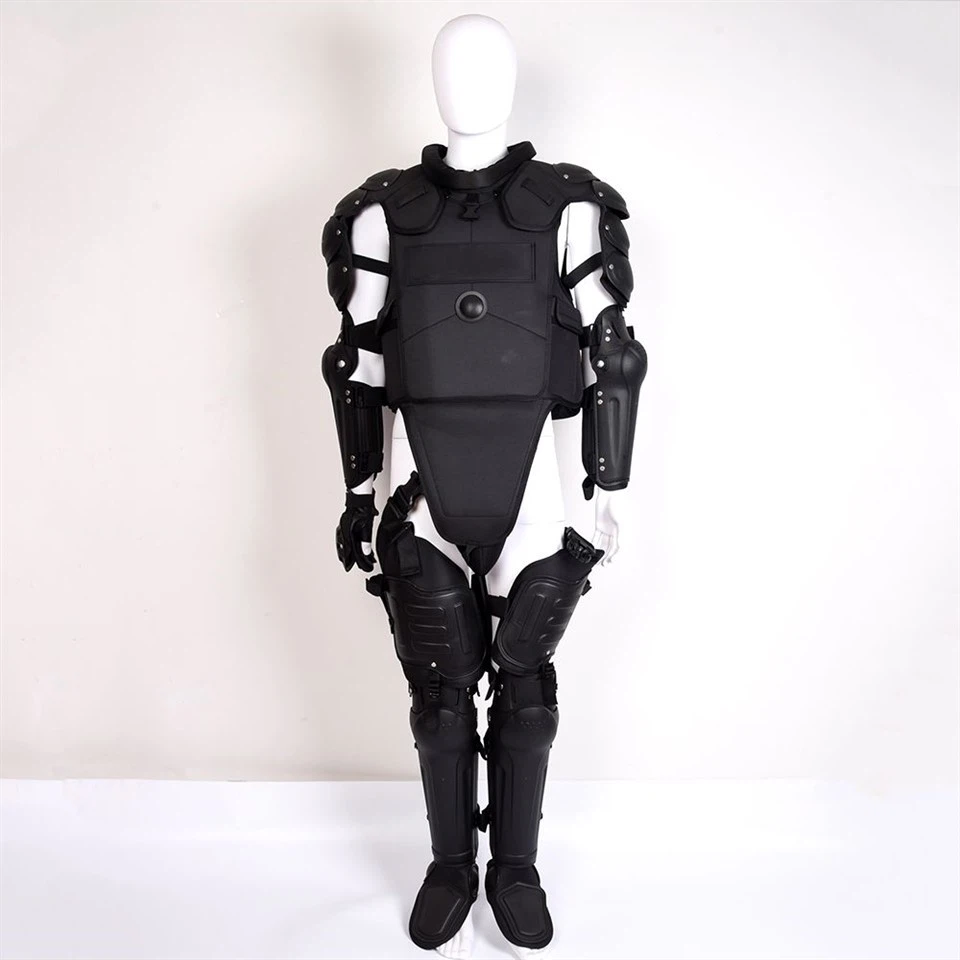
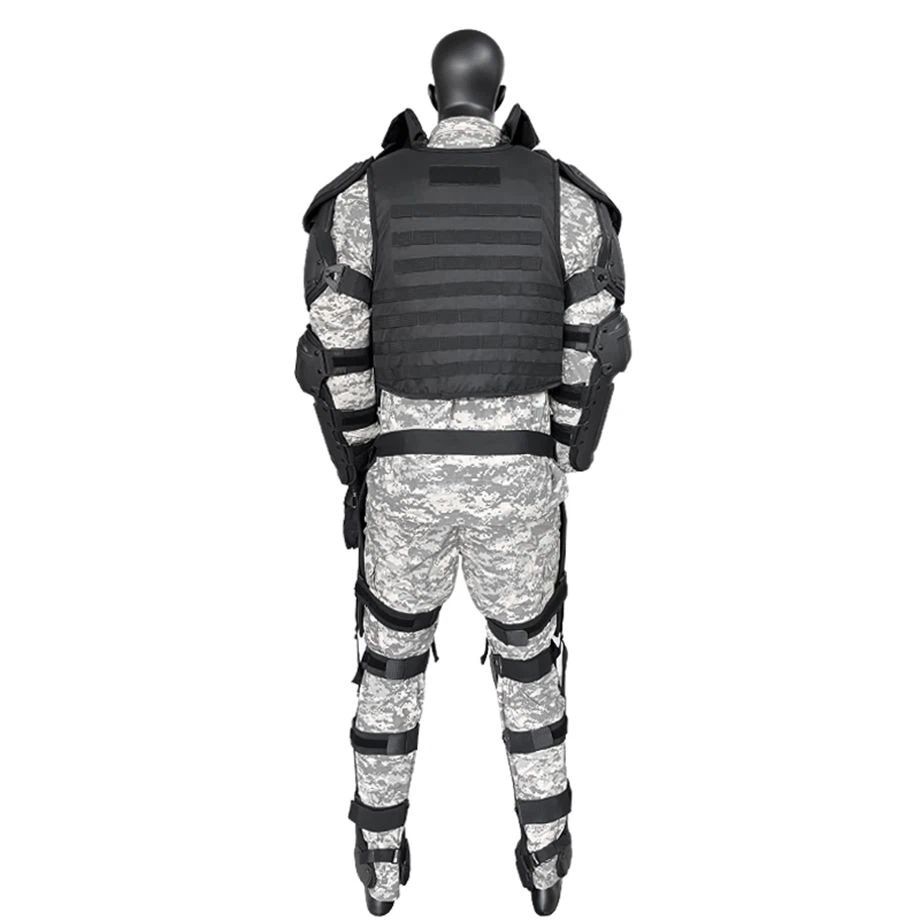
The Anti Riot Suit we offer, while providing excellent protection, also poses these challenges to the wearer's thermoregulation. The high - intensity nature of riot control operations, which may involve running, pushing, and restraining, further exacerbates the problem. The body generates more heat during physical exertion, and the suit makes it difficult for this heat to escape.
Physiological and Performance Implications
An increase in body temperature can have several physiological and performance - related implications for the wearers of riot suits. Heat stress is a common consequence of wearing a riot suit for an extended period. Symptoms of heat stress include fatigue, dizziness, nausea, and decreased cognitive function. These symptoms can significantly impair the performance of law enforcement officers and security personnel in critical situations.
In severe cases, heat stress can progress to heat exhaustion or even heatstroke. Heat exhaustion is characterized by heavy sweating, rapid breathing, and a rapid pulse. If not treated promptly, it can lead to heatstroke, a life - threatening condition where the body's temperature regulation system fails completely. Heatstroke can cause organ damage, seizures, and even death.
The reduction in cognitive function due to elevated body temperature can also have serious safety implications. In a riot control situation, officers need to make quick and accurate decisions. Impaired cognitive abilities can lead to errors in judgment, which may endanger the officers themselves and the public.
Strategies to Mitigate the Impact
As a supplier of Anti Riot Gear, we are constantly looking for ways to mitigate the impact of riot suits on body temperature. One approach is to use breathable materials in the construction of the suits. Some advanced riot suit designs incorporate mesh panels or perforated fabrics in areas where heat tends to accumulate, such as the underarms and back. These breathable materials allow for better air circulation and promote the evaporation of sweat.
Another strategy is to provide cooling solutions. Cooling vests are one such option. These vests can be worn under the riot suit and contain cooling agents that absorb and dissipate heat from the body. Ice packs can also be strategically placed inside the suit to provide localized cooling.
Proper training and hydration are also essential. Law enforcement agencies should train their officers on how to recognize the symptoms of heat stress and take appropriate measures to prevent it. Officers should be encouraged to drink plenty of fluids before, during, and after wearing the riot suit to maintain proper hydration levels.
Conclusion
In conclusion, riot suits are indispensable for the safety of law enforcement officers and security personnel in riot control situations. However, their impact on body temperature cannot be ignored. The multi - layered design and insulating materials of riot suits can disrupt the body's thermoregulatory system, leading to heat stress and other health risks. As a leading supplier of riot suits, we are committed to developing innovative solutions to address these challenges.
If you are in need of high - quality riot suits that provide excellent protection while minimizing the impact on body temperature, we invite you to contact us for procurement discussions. Our team of experts will be happy to assist you in selecting the right products for your specific needs.
References
- Smith, J. et al. "The Effects of Protective Clothing on Thermal Strain During Physical Activity." Journal of Occupational Health and Safety, 2018.
- Johnson, A. "Thermoregulation in Law Enforcement During Riot Control Operations." International Journal of Police Science, 2020.