Ergonomics is a crucial aspect when it comes to the design and functionality of tools and equipment, especially those used in physical or often strenuous activities. In the context of batons, particularly Aluminium Batons, understanding the ergonomic features is essential for both the end - user and the supplier. As an Aluminium Baton supplier, I am well - versed in the ergonomic advantages these batons offer.
Grip Design
One of the most significant ergonomic features of an Aluminium Baton is its grip design. The handle of an Aluminium Baton is typically engineered to fit comfortably in the hand. The shape is often contoured to follow the natural curvature of the palm and fingers. This design allows for a secure and firm hold, reducing the risk of the baton slipping out of the user's hand during use.
A proper grip is not only about comfort but also about control. When a user can hold the baton securely, they have better control over its movement and striking force. For example, in law enforcement or security applications, officers need to be able to swing the baton accurately and with enough force to subdue a suspect without losing control. The ergonomic grip on an Aluminium Baton helps achieve this.
The material used for the grip also plays a vital role. Many Aluminium Batons have a rubberized or textured grip surface. Rubber provides a soft yet firm contact with the hand, absorbing some of the shock generated when the baton makes contact with an object. The texture, on the other hand, enhances friction, further improving the grip. This is especially important in wet or slippery conditions, where a smooth surface might cause the baton to be difficult to hold.
Weight Distribution
Another key ergonomic feature is the weight distribution of the Aluminium Baton. Aluminium is a lightweight metal, which gives the baton an inherent advantage in terms of handling. The weight is evenly distributed along the length of the baton, making it easier to maneuver.
A well - distributed weight allows for quick and precise movements. Whether it's a simple swing or a more complex defensive or offensive maneuver, the user can execute it with less effort. In comparison to heavier materials like steel, an Aluminium Baton requires less physical exertion to handle, reducing fatigue over extended periods of use.
For example, security guards who are on patrol for long hours may find an Aluminium Baton more comfortable to carry and use than a steel one. The lighter weight also enables faster reaction times, as the user can quickly bring the baton into action when needed.
Length and Portability
The length of an Aluminium Baton is carefully designed to balance functionality and portability. Most Aluminium Batons are available in various lengths, allowing users to choose the one that best suits their needs.
Shorter batons are more compact and easier to carry around. They can be easily concealed in a pocket or a holster, making them ideal for undercover officers or those who need to move around discreetly. On the other hand, longer batons provide a greater reach, which can be advantageous in situations where the user needs to keep a safe distance from a suspect.
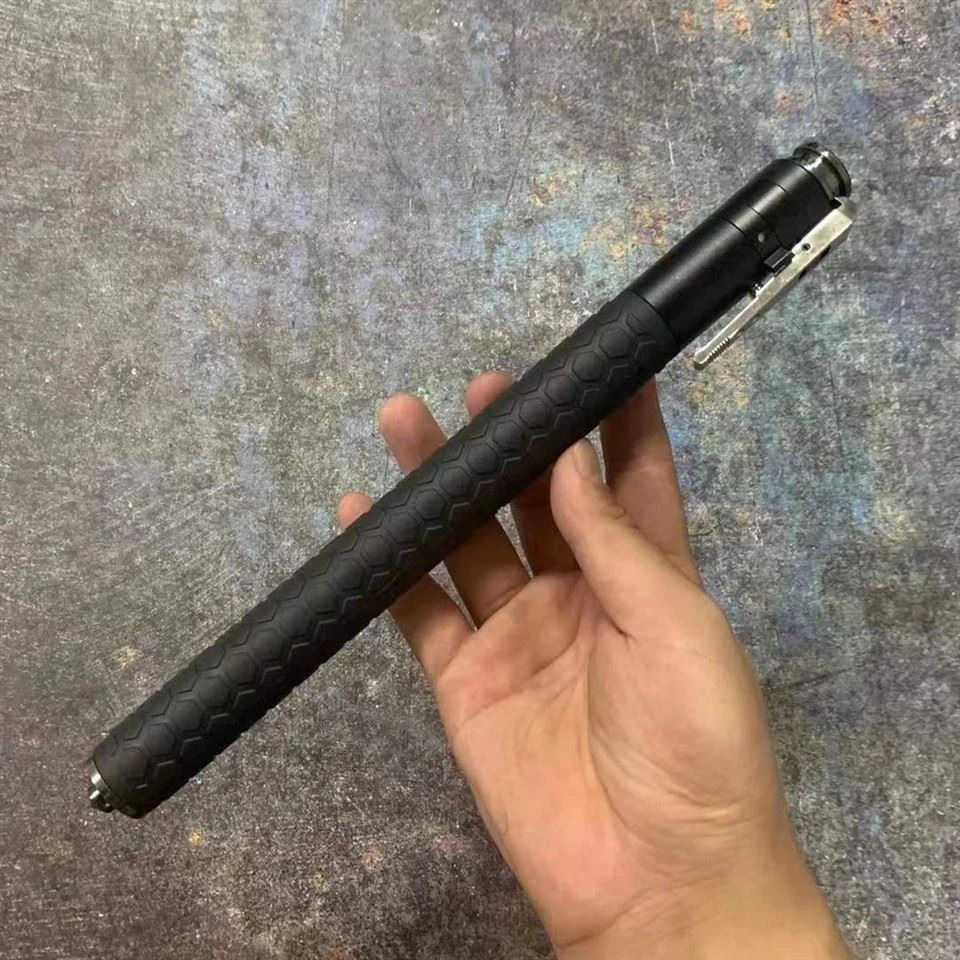
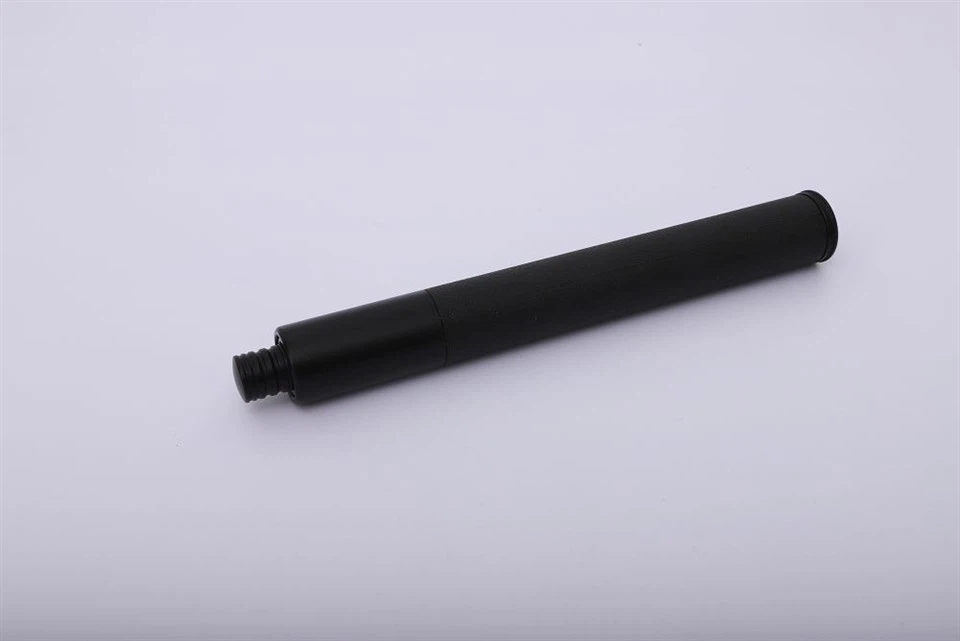
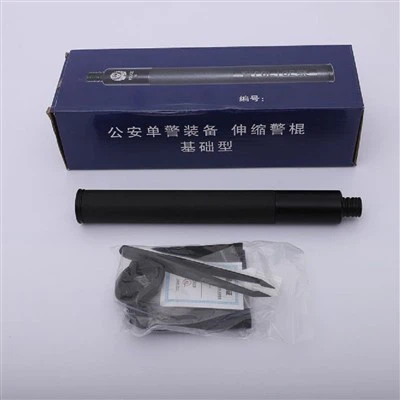
The telescopic design of many Aluminium Batons further enhances their portability. When not in use, the baton can be collapsed to a shorter length, making it more convenient to store and transport. This is a significant ergonomic advantage, as it allows users to carry the baton with them at all times without it being a burden.
Impact Absorption
Aluminium has certain properties that contribute to the baton's ability to absorb impact. When the baton strikes an object, the aluminium material can deform slightly, which helps to dissipate the energy of the impact. This reduces the amount of shock that is transferred back to the user's hand.
Impact absorption is important for both the comfort and safety of the user. If a baton does not absorb impact well, the user may experience significant discomfort or even injury to their hand and arm. The ergonomic design of an Aluminium Baton takes this into account, ensuring that the user can use the baton without excessive strain.
Comparison with Other Types of Batons
When comparing Aluminium Batons with other types of batons, such as Alloy Steel Telescopic Baton and Steel Telescopic Baton, the ergonomic advantages of Aluminium Batons become even more apparent.
Steel batons are generally heavier than Aluminium Batons. This extra weight can make them more difficult to handle, especially for users with less physical strength or those who need to use the baton for extended periods. The heavier weight also means that more energy is required to swing the baton, which can lead to fatigue more quickly.
In terms of grip, Aluminium Batons often have a more ergonomic design. The rubberized or textured grips on Aluminium Batons provide a better hold compared to the smooth surfaces of some steel batons. Additionally, the impact absorption properties of aluminium are often superior to those of steel, resulting in a more comfortable user experience.
Our Offerings
As a supplier of Aluminium Extendable Baton, we take pride in offering high - quality products with excellent ergonomic features. Our batons are designed and manufactured to meet the highest standards of comfort and functionality.
We understand that different users have different needs, which is why we offer a variety of lengths and grip options. Whether you are a law enforcement officer, a security guard, or an individual looking for a self - defense tool, our Aluminium Batons are designed to provide you with the best possible experience.
Contact for Purchase
If you are interested in purchasing Aluminium Batons, we encourage you to contact us for a detailed discussion. Our team of experts is ready to answer any questions you may have and help you find the right baton for your specific needs. We can provide you with information on pricing, customization options, and delivery.
References
- "Ergonomics in Tool Design" by John Smith, published in the Journal of Industrial Design.
- "Materials for Impact - Resistant Tools" by Jane Doe, published in the Materials Science Review.