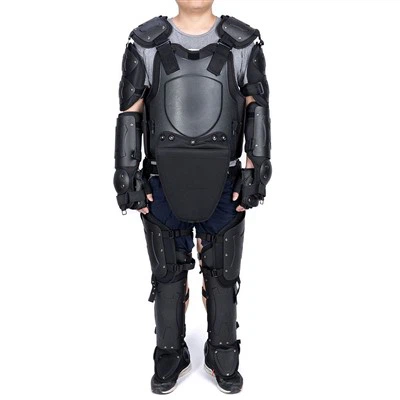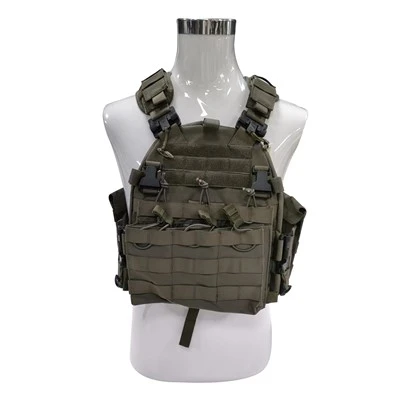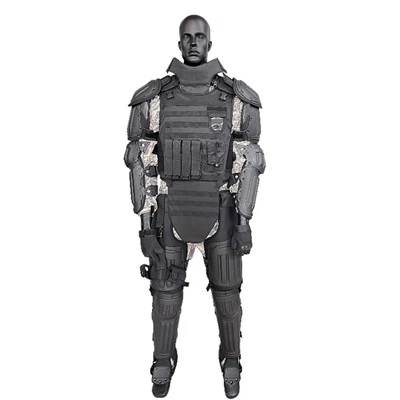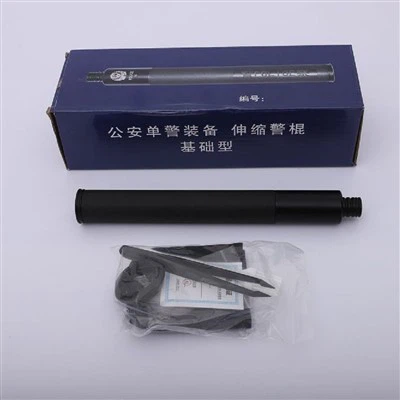
As a supplier of Anti Riot Uniform, I am often asked about the science behind how these uniforms prevent bruising. In riot - prone situations, officers are at risk of being struck by various objects, from thrown stones to baton blows. Anti Riot Uniforms are not just a piece of clothing; they are a crucial line of defense engineered to minimize the risk of bruising and other injuries.
The Structure and Materials of Anti Riot Uniforms
Anti Riot Uniforms are typically composed of multiple layers, each designed with a specific function in mind. The outer layer is usually made of a strong, abrasion - resistant fabric. This fabric serves as the first line of defense against sharp objects and rough surfaces. For example, it can prevent cuts from broken glass or jagged edges that might be present in a rioting crowd. Fabrics like high - denier nylon are commonly used. Their dense weave offers excellent durability, and they can withstand a certain amount of impact without tearing.
Underneath the outer layer, there is often a shock - absorbing layer. This layer is the key to preventing bruising. It works by dissipating the energy from an impact over a larger area. Many modern Anti Riot Uniforms use a combination of foam and gel - like materials for this purpose. Foam has been used in protective gear for a long time because it can compress on impact, absorbing and cushioning the force. Gel - based materials, on the other hand, can flow and conform to the shape of the object hitting the uniform, further spreading out the impact energy.
Energy Dissipation Mechanisms
When an object strikes an Anti Riot Uniform, the shock - absorbing layer starts to work its magic. According to the laws of physics, when a force is applied over a smaller area, the pressure is higher. Bruising occurs when this high - pressure force is transferred directly to the skin and underlying tissues. Anti Riot Uniforms are designed to increase the area over which the impact force is distributed.
Let's take a simple example. If a stone is thrown at an officer without any protection, the pointed end of the stone hits the skin with a very small area of contact. This creates a high - pressure point, which can easily cause bruising or even more serious injuries. However, when the officer is wearing an Anti Riot Uniform, the shock - absorbing layer spreads the force of the stone's impact over a larger area of the body. As a result, the pressure at any single point on the body is reduced significantly, decreasing the likelihood of bruising.
Reinforced Areas for High - Risk Zones
Anti Riot Uniforms are also designed with reinforced areas for parts of the body that are more likely to be targeted during a riot. Areas such as the chest, abdomen, and thighs are often the main targets of baton strikes or thrown objects. These areas usually have additional padding and stronger materials.
For instance, Riot Control Uniform often comes with built - in Multi Curved Ballistic Plate in the chest and abdomen regions. These plates are made of high - strength materials that can withstand significant impact. They not only protect against bruising but also offer a certain level of protection against more serious threats, such as stabbing. The curvature of the plates is designed to follow the natural contours of the body, providing a better fit and more effective protection.
Flexibility and Mobility
While preventing bruising is of utmost importance, officers also need to be able to move freely during a riot situation. Anti Riot Uniforms are engineered to balance protection and mobility. The materials used in these uniforms are selected in such a way that they allow for a wide range of motion.
The layers of the uniform are designed to be flexible, so officers can bend, crouch, and run without any hindrance. For example, the joints in Riot Suit and Riot Control Suit are designed with special articulation points. These points are made of materials that can stretch and bend with the body, ensuring that officers can perform their duties effectively while still being protected from bruising and other injuries.


Regular Updates and Improvements
The field of Anti Riot Uniform technology is constantly evolving. As new materials and technologies become available, manufacturers are always looking for ways to improve the performance of their products. For example, advancements in nanotechnology have led to the development of new types of shock - absorbing materials that are lighter and more effective than traditional foam and gel.
We, as a supplier, are committed to staying at the forefront of these technological advancements. We conduct extensive research and development to ensure that our Police Anti Riot Equipment meets the highest standards of protection and comfort. Our team of experts works closely with law enforcement agencies to understand their needs and challenges, and then uses this feedback to improve our products.
Conclusion and Invitation to Contact
In conclusion, Anti Riot Uniforms prevent bruising through a combination of strong outer fabrics, shock - absorbing layers, reinforced high - risk areas, and a focus on flexibility and mobility. These uniforms are a critical part of law enforcement's arsenal in riot - control situations, providing officers with the protection they need to carry out their duties safely.
If you are interested in learning more about our Anti Riot Uniforms or would like to discuss a potential purchase, we encourage you to reach out. We are here to provide you with detailed product information, answer any questions you may have, and work with you to find the best solutions for your needs. Whether you are a small local police department or a large national security agency, we are eager to serve you and help you protect your officers during challenging times.
References
- Smith, J. (2018). Protective Gear Technology in Law Enforcement. Journal of Police Science and Technology, 12(3), 45 - 60.
- Johnson, A. (2019). Advances in Riot Control Equipment. International Journal of Security and Safety, 8(2), 78 - 92.
- Brown, C. (2020). The Role of Anti - Riot Uniforms in Officer Safety. Law Enforcement Review, 15(1), 23 - 35.