Hey there, fellow law - enforcement enthusiasts and police academy folks! I'm an aluminium baton supplier, and today I want to have a chat about whether an aluminium baton can be used for training in police academies.
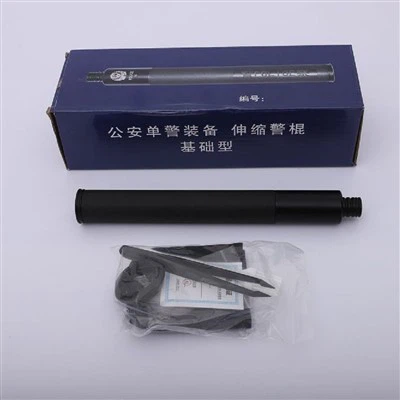
First off, let's talk about what makes aluminium batons special. Aluminium is a lightweight metal. Compared to some of its counterparts like steel, it's a breeze to carry around. Imagine cadets in police academies having to train for hours on end. Carrying a heavy baton can quickly lead to fatigue, which might affect the quality of their training. With an Aluminium Telescopic Baton, they can move more freely and perform various techniques without getting worn out too fast.
Another great thing about aluminium batons is their durability. You might think that because it's lightweight, it's not tough. Well, that's not entirely true. Modern aluminium alloys used in baton manufacturing are designed to withstand a fair amount of impact. During training, cadets are going to be striking targets, practicing blocks, and doing all sorts of maneuvers. An aluminium baton can handle these stresses without breaking easily. It's like having a reliable partner that won't let you down in the heat of training.
Now, let's consider the cost - effectiveness. Police academies often have a budget to work with. Buying equipment in bulk is a common practice, and aluminium batons are generally more affordable than some other types of batons, like those made from alloy steel. This means that academies can get more batons for their money, allowing more cadets to train simultaneously. And if a baton gets damaged during training, replacing an aluminium one won't break the bank.
When it comes to training, control is key. Aluminium batons can offer good control for cadets. Their lighter weight allows for quicker and more precise movements. For example, when teaching basic striking and blocking techniques, cadets can more easily learn the correct form and speed. They can focus on getting the technique right rather than struggling with a heavy and cumbersome baton.
But, like everything, aluminium batons also have their downsides. One of the main concerns is their hardness. Compared to Alloy Steel Telescopic Baton, aluminium is softer. This means that in real - world, high - impact situations, it might not be as effective as a steel baton. For instance, if a police officer needs to break through an object or use the baton in a very forceful manner, an aluminium baton could potentially bend or get damaged more easily.
In a police academy, though, the focus is on training, not necessarily on high - impact real - world scenarios. The goal is to teach cadets the proper use of a baton, including how to handle it safely, how to strike effectively, and how to defend themselves. For these training purposes, the slightly lower hardness of an aluminium baton isn't a deal - breaker.
Let's also touch on the versatility of aluminium batons. There are different types available, like the Aluminium Expandable Baton. These expandable batons are great for training because they can be easily carried and stored. Cadets can keep them in their belts or bags and have them readily available for training sessions. They're also easy to deploy, which is an important skill to learn.
In addition, the Riot Control Baton made of aluminium can be useful in training cadets for crowd control situations. These batons usually have a certain length and design that are appropriate for keeping a safe distance from a crowd while still being able to exert control if necessary.
Now, let's talk about the overall safety aspect. Aluminium batons are generally less likely to cause serious injury during training compared to some heavier and harder batons. When cadets are learning and making mistakes, the risk of accidentally causing a severe injury with an aluminium baton is relatively lower. This gives instructors more peace of mind and allows cadets to train with a bit more freedom.
However, it's also important to note that safety protocols still need to be followed. Just because an aluminium baton is perceived as "safer" doesn't mean that cadets can be careless. Instructors should always supervise training sessions and ensure that all cadets are using the batons correctly.

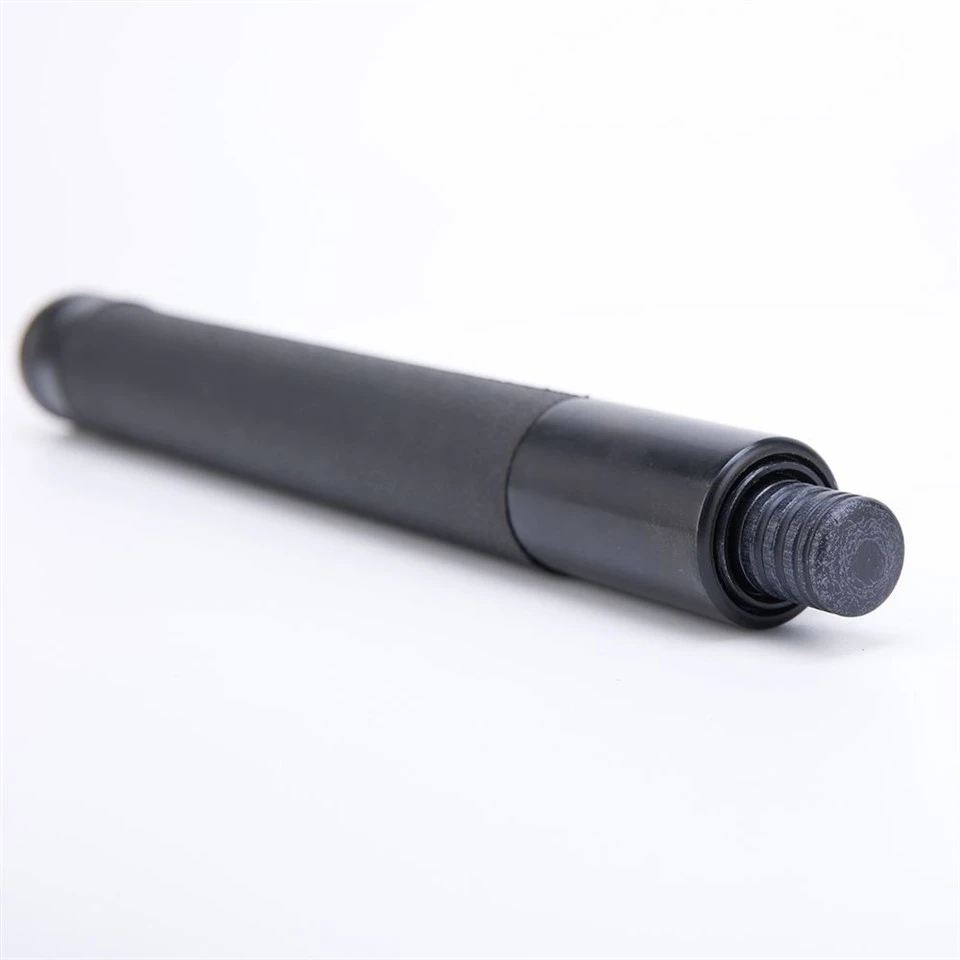
In terms of selection, academies need to consider their specific training needs. If the focus is mainly on basic training, self - defense techniques, and crowd control simulations, aluminium batons are a great option. They offer a good balance of cost, weight, and controllability.
But if the academy has a more advanced training program that includes scenarios where a high - impact baton might be required, they might also want to consider having a few Metal Telescopic Baton on hand for those specific training exercises.
To sum it up, aluminium batons can definitely be used for training in police academies. They have a lot of advantages that make them suitable for cadet training, including their lightweight nature, cost - effectiveness, and ease of control. While they might not be the best choice for every possible scenario, they are a practical option for most basic and intermediate training needs.
If you're a police academy looking for reliable and cost - effective training batons, I'd love to have a chat with you. We can discuss your specific requirements and how our aluminium batons can fit into your training program. Whether you need a small batch for a new training course or a large order for an entire academy, we can work something out.
References
- General knowledge about police equipment materials and training requirements
- Industry research on the properties and uses of aluminium in baton manufacturing