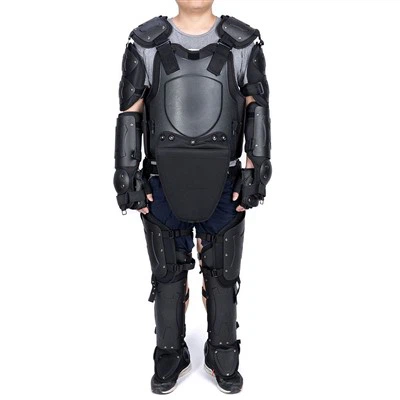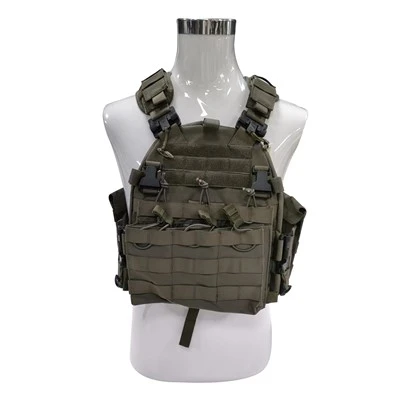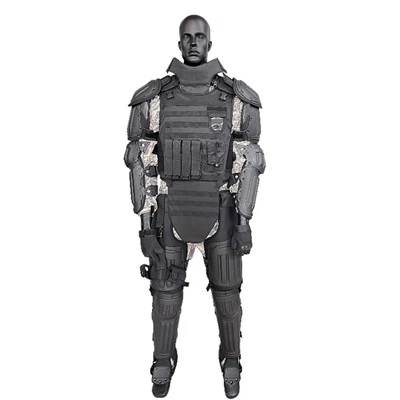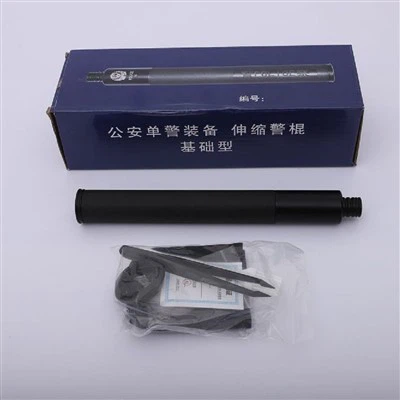
When it comes to law enforcement and maintaining public order, anti riot suits play a crucial role in protecting officers from potential harm during high - risk situations. As a trusted Anti Riot Suit supplier, we understand the importance of proper maintenance for these essential pieces of equipment. In this blog, we'll delve into the necessary maintenance procedures for anti riot suits to ensure their longevity, effectiveness, and the safety of those who wear them.
1. Regular Inspection
The first step in maintaining an anti riot suit is regular inspection. After each use, the suit should be thoroughly examined for any visible signs of damage. This includes checking the seams, as they are prone to stress. Small rips or separations in the seams can weaken the overall structure of the suit and compromise its protective capabilities. Inspect the padding areas as well. Padding is a key component of the anti riot suit, as it absorbs impacts. Look for signs of compression, tears, or loose padding materials.
Another important area to inspect is the fasteners, such as zippers, buckles, and Velcro. Malfunctioning fasteners can make it difficult to put on or take off the suit quickly, which is a serious concern in emergency situations. If any of these components are found to be damaged or not working properly, they should be replaced immediately.
2. Cleaning
Cleaning the anti riot suit is an essential maintenance task. Depending on the level of contamination, different cleaning methods may be required. For general dirt and debris, a gentle hand - wash using mild detergent and lukewarm water is usually sufficient. Avoid using harsh chemicals or abrasive cleaners, as these can damage the materials of the suit.
When hand - washing, pay special attention to areas that come into direct contact with the body, such as the interior of the sleeves and the collar. These areas are more likely to accumulate sweat, oils, and bacteria. Gently scrub the soiled areas with a soft brush or cloth, then rinse thoroughly with clean water to remove all detergent residue.
If the suit has been exposed to more serious contaminants, such as blood or chemicals, more rigorous cleaning procedures may be necessary. In such cases, it is advisable to follow the manufacturer's guidelines. Some suits may be machine - washable on a gentle cycle, but always verify this before attempting machine - washing. Excessive agitation during machine - washing can damage the suit's structure and padding.
3. Drying
Proper drying is as important as cleaning. After washing, the anti riot suit should be dried properly to prevent the growth of mold and mildew, which can not only damage the suit but also pose health risks to the wearer. Never use a high - heat dryer, as this can shrink the materials, damage the padding, and cause the fabric to lose its elasticity.
Instead, hang the suit in a well - ventilated area away from direct sunlight. Direct sunlight can cause the color of the suit to fade and may also weaken the materials over time. Allow the suit to air - dry completely. If possible, turn the suit inside out to ensure that the interior dries as well.
4. Storage
When the anti riot suit is not in use, it should be stored properly. First, make sure the suit is clean and dry. Folding the suit neatly or hanging it on a sturdy hanger can prevent wrinkles and creases that may weaken the fabric.
Store the suit in a cool, dry place. Avoid areas with high humidity, as moisture can lead to the growth of mold and mildew. If the storage area is prone to pests, consider using pest - repellent products, but make sure they do not come into direct contact with the suit.
It's also a good idea to store the suit in a dust - cover or garment bag to protect it from dust and dirt. Regularly check the stored suit for any signs of damage or deterioration.
5. Updating and Replacement
Over time, even with proper maintenance, anti riot suits may need to be updated or replaced. Technological advancements in materials and design mean that newer suits may offer better protection and comfort. For example, new padding materials may provide more effective shock absorption, and improved fabric technology may offer better breathability.
If a suit has been damaged beyond repair, such as having large tears or severely compressed padding, it should be replaced immediately. Additionally, if the suit no longer fits the wearer properly, it can affect its protective function and should be replaced with a correctly sized one.
Importance of Maintenance in Law Enforcement
Maintaining anti riot suits is not just about protecting the equipment; it's about ensuring the safety of law enforcement officers. A well - maintained suit can provide reliable protection during high - stress situations. When officers are confident in the integrity of their equipment, they can focus better on their duties and respond more effectively to volatile situations.
As an Anti Riot Suit supplier, we are committed to not only providing high - quality products but also offering comprehensive after - sales support. We can provide detailed maintenance guides, offer replacement parts, and even conduct maintenance training for law enforcement agencies.
To conclude, proper maintenance of anti riot suits is a multi - faceted process that involves regular inspection, cleaning, drying, storage, and timely replacement. By following these guidelines, law enforcement agencies can ensure that their officers are equipped with the best - possible protective gear.
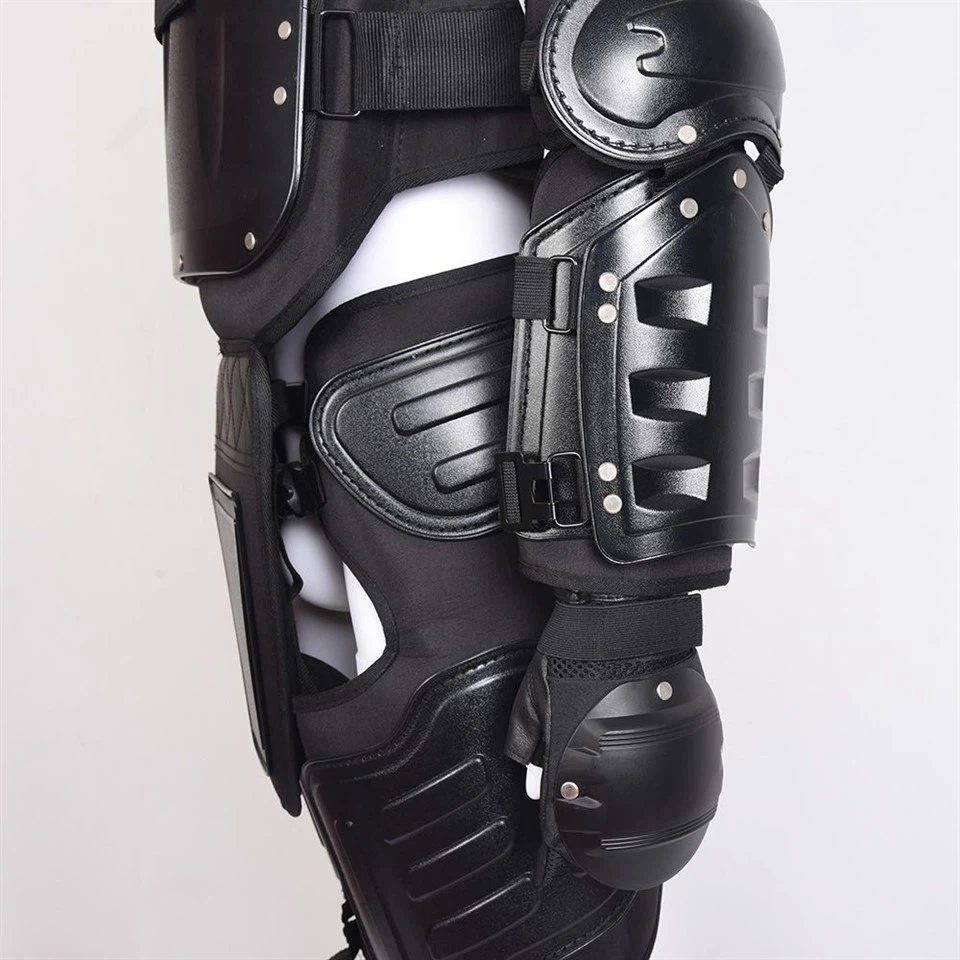
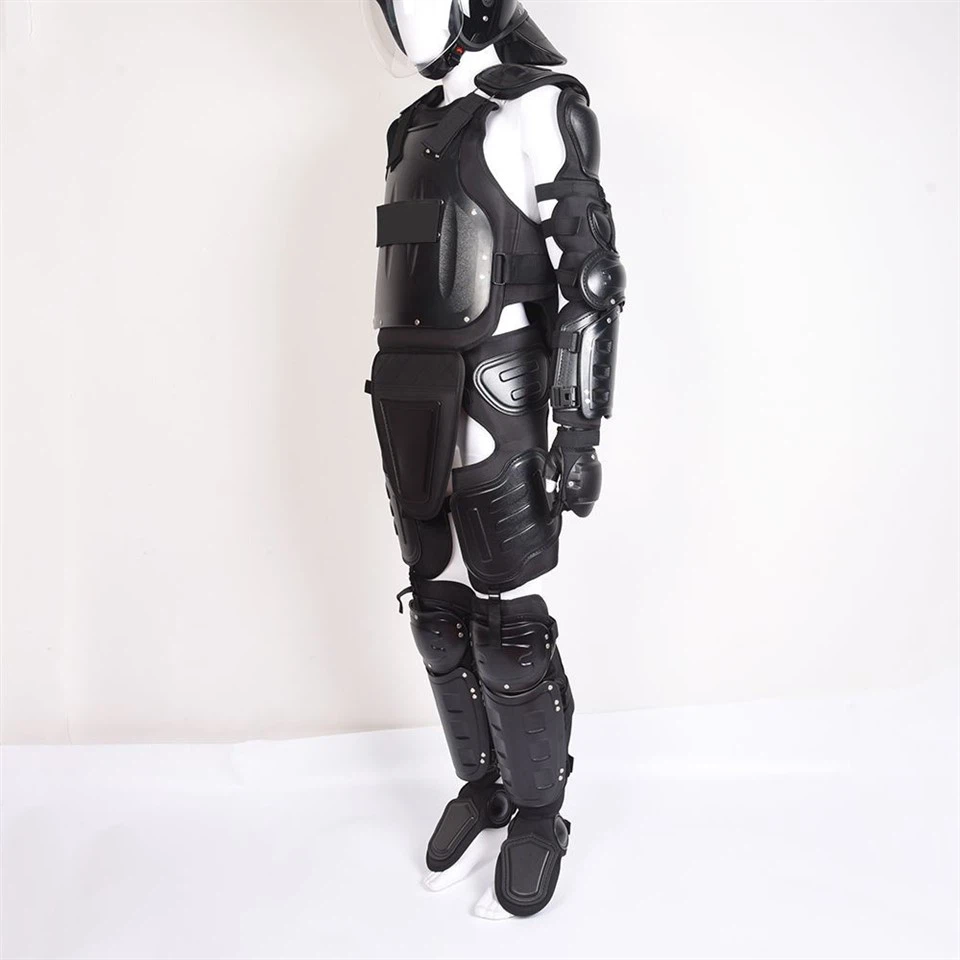
If you are interested in Police Anti Riot Equipment, Riot Suit, Police Riot Equipment, Anti Riot Uniform, or Riot Jacket, and wish to discuss procurement, feel free to reach out. Our team is here to assist you in finding the most suitable solutions for your specific needs.
References
- "Guide to Protective Equipment Maintenance in Law Enforcement", Law Enforcement Equipment Journal.
- Manufacturer's guidelines for anti riot suits.