As a supplier of bulletproof vests, I've witnessed firsthand the critical role these protective garments play in safeguarding lives. One question that often arises is: What is the impact of a bullet on a bulletproof vest? To understand this, we need to delve into the science behind bulletproof vests, the types of bullets they're designed to stop, and the real-world implications of a bullet's impact.
The Science of Bulletproof Vests
Bulletproof vests work by dissipating the energy of a bullet over a larger area, preventing it from penetrating the body. Most vests use layers of high-strength fibers, such as Kevlar or Twaron, which are incredibly strong and able to absorb and distribute the force of a bullet. When a bullet hits the vest, these fibers stretch and deform, creating a cone-shaped bulge that gradually slows the bullet down.
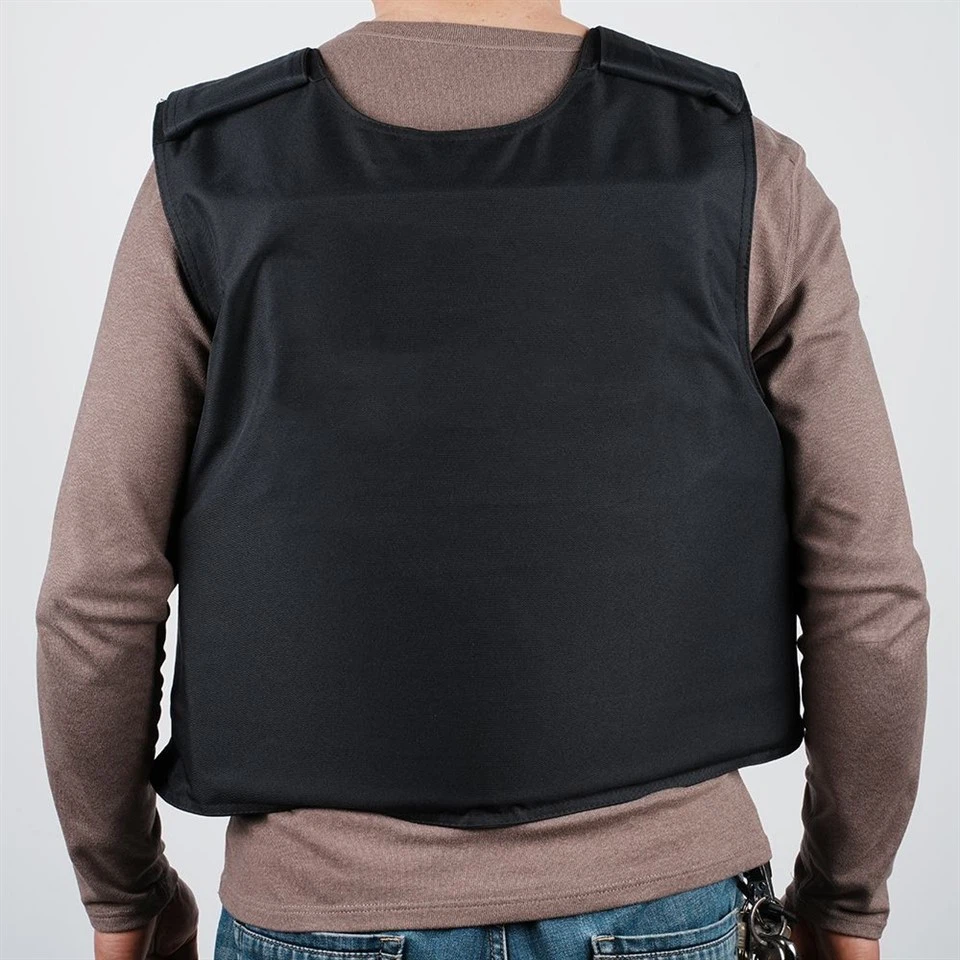
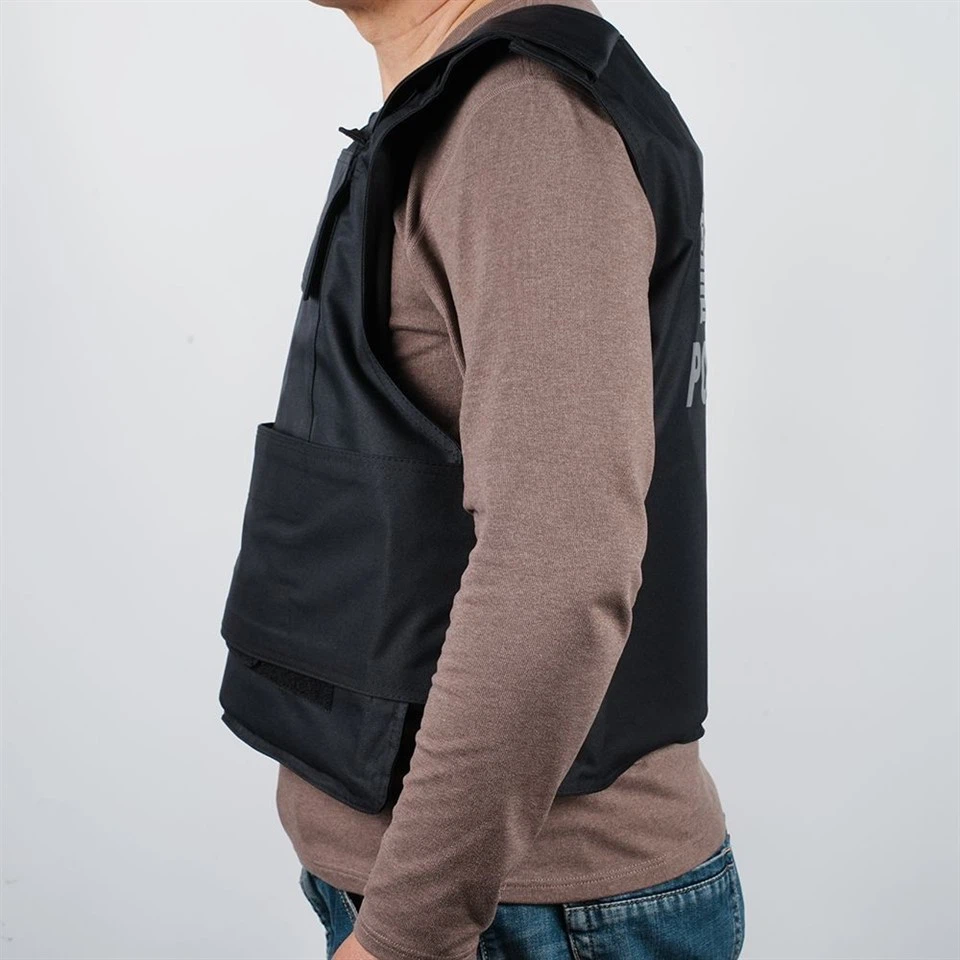
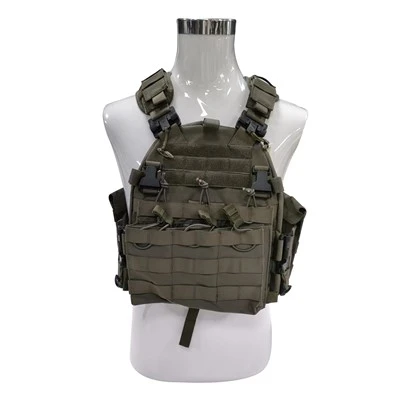
There are different types of bulletproof vests available, each rated to stop specific types of ammunition. For example, the Aramid Bulletproof Vest is known for its excellent ballistic resistance and is commonly used by law enforcement and military personnel. The Bulletproof Plate Carrier offers additional protection with the use of hard plates, which can stop high-velocity rifle rounds.
The Impact of Different Bullets
The impact of a bullet on a bulletproof vest depends on several factors, including the type of bullet, its velocity, and the design of the vest. Here are some common types of bullets and their effects on bulletproof vests:
Handgun Bullets
Handgun bullets are typically smaller and slower than rifle bullets. Most standard bulletproof vests, such as the Nij Iiia Ballistic Vest, are designed to stop handgun bullets, including 9mm, .40 S&W, and .45 ACP. When a handgun bullet hits a vest, the fibers in the vest will stretch and absorb the bullet's energy, causing the bullet to deform or fragment. In most cases, the vest will prevent the bullet from penetrating the body, but the wearer may still experience a significant amount of blunt force trauma.
Rifle Bullets
Rifle bullets are much more powerful than handgun bullets, with higher velocities and greater energy. Stopping a rifle bullet requires a more advanced bulletproof vest, such as the Ballistic Jacket or a vest with hard plates. When a rifle bullet hits a vest, the impact is more severe, and the vest must work harder to dissipate the energy. Even if the bullet is stopped, the wearer may still be at risk of serious injury due to the high levels of blunt force trauma.
Armor-Piercing Bullets
Armor-piercing bullets are designed to penetrate bulletproof vests and other types of armor. These bullets typically have a hard core, such as steel or tungsten, which allows them to penetrate the fibers in a vest more easily. Stopping an armor-piercing bullet requires a specialized bulletproof vest, such as the Aramid Ballistic Vest, which is designed to resist penetration. However, even these vests may not be able to stop all types of armor-piercing bullets.
Blunt Force Trauma
One of the most significant risks associated with being hit by a bullet while wearing a bulletproof vest is blunt force trauma. When a bullet hits a vest, the energy is transferred to the body, causing the body to absorb the impact. This can result in serious injuries, such as broken ribs, internal bleeding, and damage to vital organs.
The severity of blunt force trauma depends on several factors, including the type of bullet, its velocity, and the design of the vest. Vests that are designed to stop high-velocity rifle rounds are more likely to cause blunt force trauma than vests that are designed to stop handgun bullets. Additionally, the fit of the vest can also play a role in reducing the risk of blunt force trauma. A properly fitting vest will distribute the energy of the impact more evenly across the body, reducing the risk of injury.
Real-World Implications
The impact of a bullet on a bulletproof vest has significant real-world implications for law enforcement officers, military personnel, and civilians who rely on these vests for protection. In a high-stress situation, such as a shootout or a military operation, the ability of a bulletproof vest to stop a bullet can mean the difference between life and death.
However, it's important to note that no bulletproof vest is 100% effective. There is always a risk of bullet penetration or blunt force trauma, especially when facing high-velocity or armor-piercing bullets. That's why it's crucial to choose a high-quality bulletproof vest that is appropriate for the level of threat you're facing.
Choosing the Right Bulletproof Vest
As a bulletproof vest supplier, I understand the importance of choosing the right vest for your needs. When selecting a bulletproof vest, there are several factors to consider, including:
- Level of Protection: Make sure the vest is rated to stop the types of ammunition you're likely to encounter.
- Comfort and Fit: The vest should be comfortable to wear for extended periods of time and fit properly to ensure maximum protection.
- Mobility: Choose a vest that allows for freedom of movement, so you can perform your duties effectively.
- Durability: Look for a vest that is made from high-quality materials and is built to last.
Contact Us for Your Bulletproof Vest Needs
If you're in the market for a bulletproof vest, our team of experts is here to help. We offer a wide range of high-quality bulletproof vests, including Aramid Bulletproof Vests, Bulletproof Plate Carriers, Ballistic Jackets, Aramid Ballistic Vests, and Nij Iiia Ballistic Vests. Our knowledgeable staff can help you choose the right vest for your specific needs and budget.
Contact us today to learn more about our products and to discuss your bulletproof vest requirements. We're committed to providing you with the highest level of protection and service.
References
- Cunniff, P. M. (Ed.). (1992). Ballistic Materials and Penetration Mechanics. Taylor & Francis.
- McKenna, K. P. (2004). Ballistic Resistance of Body Armor. CRC Press.
- National Institute of Justice. (2017). NIJ Standard-0101.06: Ballistic Resistance of Body Armor.