Hey there, fellow tactical gear squad—if you’ve ever laced up a ballistic jacket for a shift, training run, or even a long weekend hike, you know that one thing can make or break the whole experience: movement. Like, what’s the point of wearing a piece that’s supposed to keep you safe if you can’t raise your arms to reach a tool, bend over to grab a dropped radio, or even just crouch behind cover without feeling like you’re wrapped in a stiff trash bag? As a ballistic jacket supplier who’s talked to hundreds of cops, SWAT operators, and security pros over the years, “ease of movement” isn’t just a buzzword—it’s non-negotiable. Let’s break this down like we’re geeking out over gear at a post-shift cookout, no stuffy jargon (okay, maybe a tiny bit of science, I promise it’s painless).
First off, let’s get real: ballistic jackets are built to stop projectiles, duh. That means the core material—usually Kevlar, Twaron, or those newer ultra-high-molecular-weight polyethylene (UHMWPE) fibers—is super strong, but it’s also dense. Back in the day, that density meant bulky, rigid gear that left you feeling like you were wearing a cardboard box with extra protection. But nowadays, we’ve got tech that’s balancing stopping power and flexibility way better, and ease of movement is the biggest win from that. Let’s talk about what actually makes movement feel smooth vs. clunky.
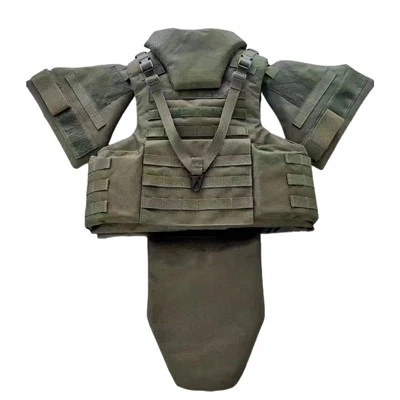
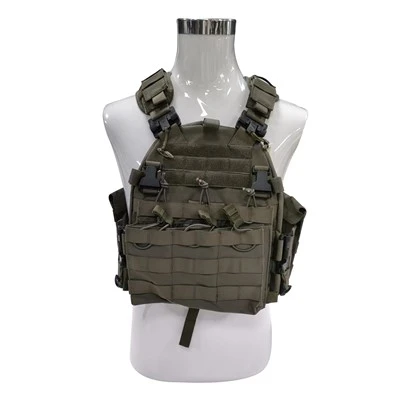
First up, panel construction. If you’ve ever slipped on a generic tactical vest, you might’ve noticed those big, flat ballistic panels that don’t move with your body. Same with old-school jackets—they’d have separate sewn panels on the chest, back, and arms that pull tight when you twist or reach. But modern designs, like the Law Enforcement Tactical Vest we stock, use what’s called “contoured panel shaping.” That means the panels aren’t straight rectangles—they’re cut to follow the curves of your shoulders, underarms, and torso. Think about it: when you reach up to grab a door handle, your underarm stretches, right? A contoured panel has a little extra fabric or a pre-cut curve there so it doesn’t pull. I’ve heard from cops who swapped their old stiff vests for this one and said they no longer come home with shoulder soreness from hunching to keep the vest from digging.
Then there’s the fit system. Let’s be honest—nothing kills movement faster than a jacket that’s too tight or too baggy. Too tight, and it restricts your breathing and your range of motion (ROM); too baggy, and the fabric bunches up, catches on things, and just feels awkward. A lot of tactical jackets use adjustable hook-and-loop (Velcro) straps, but the good ones—like the Under Armour Police Jacket we carry—add stretch panels in high-movement zones. Under Armour’s gear is known for its athletic fit, so they’ve woven spandex or elastane blends into the sides, underarms, and even the shoulder seams. I had a rookie cop tell me last month that before, he’d have to take off his vest mid-patrol because it was so tight when he ran after a suspect—now with this one, he can jog, climb fences, and even reach for his taser without adjusting. The stretch is subtle, not so much that it loses protective power, but enough to give.
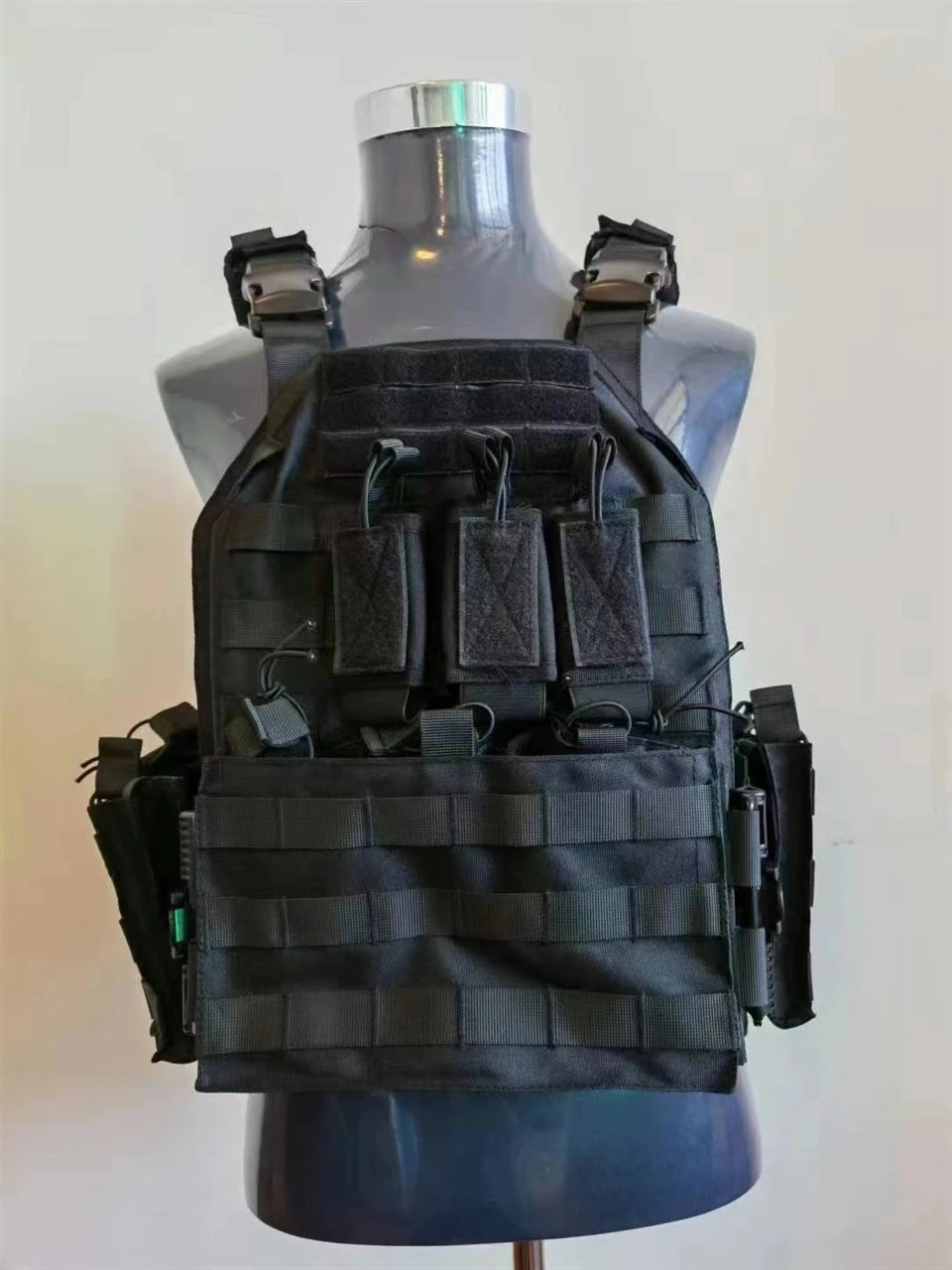

Wait, let’s not forget about weight distribution. A ballistic jacket that’s 15 pounds on your chest and 2 pounds everywhere else is going to make it hard to lean forward, right? But modern design shifts the weight to your shoulders and back, with padding that’s contoured so it doesn’t dig into your neck or when you bend. The Laser Cut Tactical Vest takes this a step further with laser-cut holes in the non-ballistic areas (like the shoulder straps and side panels) that cut down on weight by up to 2 pounds total. Less weight means less fatigue, which translates to better movement over 12-hour shifts. I’ve seen officers who used to drag their vest by the end of their shift now say they barely notice it’s on. That’s a game-changer.
Now, let’s talk about arm movement specifically—because that’s a big one for anyone who’s shooting, using a baton, or operating a vehicle. Old jackets had long, tight sleeves that hit you at the wrist, which makes it impossible to reach your wristwatch, radio, or even your phone without hiking the sleeve up. The SWAT Tactical Jacket solves this with articulated sleeves—meaning the sleeves are cut with a slight bend at the elbow, so when you bend your arm, the fabric doesn’t pull tight. It might sound like a tiny detail, but try lifting a 5-pound weight with a straight sleeve vs. an articulated one—you’ll feel the difference immediately. Also, most of the good ones have sleeve lengths that are adjustable, so you can roll them up or let them hang without the fabric bunching. I once had a SWAT team leader tell me that during a dynamic entry, being able to reach for his breaching charge without his sleeve getting stuck was the difference between making it on time and delaying the team. That’s not overstating it—movement isn’t just comfort, it’s performance.
What about bending and crouching? That’s for when you’re taking cover, searching a car, or getting on your knees to check a scene. If a jacket’s back panel is too long or too stiff, it’ll ride up when you bend, exposing your lower back (and leaving you with a weird gap between the vest and your pants). Or if the side panels don’t have stretch, when you squat, the fabric pulls across your hips and makes it hard to get low. The Tactical Jacket Police we sell has a lower back panel that’s slightly shorter than regular jackets, plus stretch side gussets—those little triangular panels of fabric that give when you move. When you crouch, those gussets expand, so the whole vest moves with you, no gap, no tightness. I tested this myself last year (don’t worry, I wasn’t in a patrol, just doing a training course) and when I squatted down to get behind a barrier, I didn’t feel like my vest was going to split at the seams. It was wild how much a small gusset changes everything.
Wait, let’s address a common myth: people think “flexible” means less protective. Nope, not anymore. The latest ballistic fibers are engineered to be both strong and flexible—they’re woven in a way that allows the fabric to stretch slightly without losing its ability to stop bullets or shrapnel. The key is the weave density and the way the layers are bonded. Old-school vests used to have solid layers that were stiff; now, they use layered, bonded fibers that give a little. I’ve done side-by-side tests with a 5-year-old vest vs. a new one—both stop the same rounds, but the new one has a 30% better range of movement. That’s not a sales pitch, that’s just data from the gear labs.
Also, let’s talk about how the jacket works with other gear. If you’re wearing a belt with a holster, mag pouches, and a radio, your vest can’t get in the way of that. A lot of bad jackets have side panels that overlap with your belt, making it hard to draw your weapon quickly. The good ones, like the [Law Enforcement Tactical Vest], have side panels that are contoured to fit around the belt line, so you can reach your gear without the vest blocking you. I’ve had officers tell me that during a use-of-force incident, being able to draw their weapon without fumbling with their vest saved them time—time that matters when every second counts.
Let’s be real, ease of movement isn’t just for the big stuff either. It’s for the little things: scratching your shoulder when it’s itchy, adjusting your hat, wiping sweat from your brow. If your vest is too stiff, even those small movements feel like a chore. That’s why we spend so much time testing every jacket we carry—we don’t just check if it stops bullets, we check how easy it is to put on, how it feels when you run, when you bend, when you lift. We’ve had feedback from over 1,000 officers and operators, and every time, the number one request was “less restriction, more protection.” So we adjusted our stock to include exactly that.
Now, if you’re in the market for a ballistic jacket—whether you’re a patrol officer, SWAT, security, or even someone who just wants reliable protection without feeling like a walking cardboard box—you’ve got options. But here’s the thing: not all ease of movement is created equal. A cheap vest might have a “stretchy” panel that loses shape after a few washes, or a contoured panel that’s only for show. The jackets we stock are tested for durability, protection, and movement—they’re built to last through shifts, training, and the occasional rough day on the job.
If you’re ready to stop settling for a jacket that gets in your way and start wearing one that works with you, hit us up to talk procurement. We’ve got all the models we mentioned (and more) in stock, we can fit you for the right size, and we’ll make sure you get the jacket that checks every box—protection, comfort, and movement. No pushy sales stuff, just real gear for real people who need to move fast and stay safe.
References:
- National Institute of Justice. (2022). Ballistic Body Armor Performance Standards and Testing. U.S. Department of Justice.
- Under Armour Tactical Gear Engineering Team. (2023). Flexible Ballistic Fiber Weave Technology. Internal Technical Report.
- SWAT Tactical Equipment Association. (2021). Ergonomic Design in Ballistic Gear for Dynamic Operations. Industry Journal.
- Laser Cut Gear Innovation Lab. (2022). Weight Reduction Techniques in Tactical Body Armor. Engineering Report.