Hey there,
If you’re reading this, chances are you rely on your plate carrier to keep you safe—whether you’re a tactical operator, a first responder, or someone who takes their security seriously. As someone who’s been in the bulletproof gear game for years (shoutout to the chaos of testing every piece we ship), I can tell you one thing: buying a top-tier plate carrier is only half the battle. The other half? Keeping it running like the day you took it out of the packaging. A “bulletproof” carrier isn’t just about the plates and the vest itself—it’s about consistent, smart maintenance that doesn’t cut corners.
I’ve seen too many guys show up to a training op or a real-world call with a carrier that’s been ignored for months. Straps frayed, velcro dead, plates rusted (wait, plates can rust? Yep, if you skip the right storage), and even the inner lining starting to tear. That’s how you end up with gear that fails when you need it most. Today, I’m breaking down exactly how to maintain your plate carrier like a pro—no fancy tools, no jargon, just real stuff I’ve picked up from working with law enforcement, military units, and regular folks who take their safety as seriously as we do here.
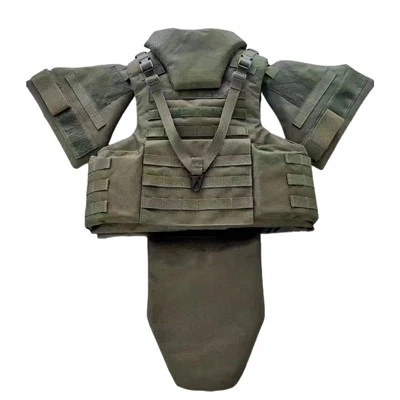
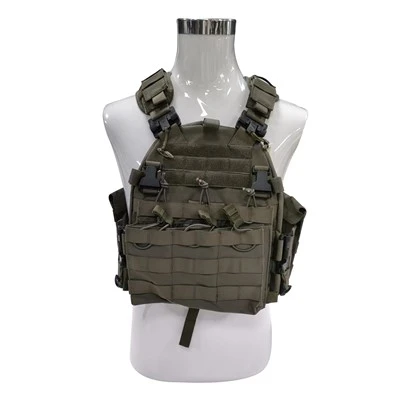
First, let’s get one thing straight: your plate carrier is a system. It’s not just the outer vest. It’s the ballistic plates, the cummerbund, the shoulder straps, the velcro, and even the inserts that hold everything in place. If you take care of every single part, the whole system stays bulletproof. Let’s start with the part people touch the most: the ballistic vest and carrier fabric itself.
Most of our carriers are built with either aramid or UHMWPE for the vest material, right? Those are the two big players in ballistic fabrics—aramid is the tough stuff you’ve heard of, UHMWPE is lightweight and flexible. Either way, the fabric can take a beating, but it’s not indestructible. When it gets dirty—whether that’s dirt, mud, blood, or sweat—you can’t just scrub it with a wire brush. That will tear the ballistic fibers and weaken their ability to stop rounds. Here’s what I recommend for cleaning: take out all the plates first, unthread the cummerbund and shoulder straps, and hand wash the vest with mild detergent and cold water. Don’t use a washing machine—agitation inside the washer can cause the fabric to rub against itself and fray. Don’t dry it in a dryer, either. High heat breaks down ballistic fibers over time, so hang it up to air dry in a cool, shaded area. If you need something extra for tough stains, a little baking soda mixed with water works great—just don’t overdo it. Once it’s dry, check the stitching. Stitches are the glue that holds everything together. I always run my fingers along the seams, especially where the straps attach to the vest and where the cummerbund connects. If you see loose threads or small tears, take it to a professional tailor who works with tactical gear, or use heavy-duty nylon thread to re-stitch it yourself (make sure you use the right type of thread—regular cotton won’t hold up). Skipping small tear repairs now means a big failure later, and that’s not a risk worth taking.
Speaking of straps—these are the unsung heroes of your plate carrier. If your shoulder straps or cummerbund straps are worn, your carrier won’t sit right, and that can throw off your balance, make it uncomfortable, and even lead to gaps between the plates and your body. Let’s talk about the adjusters first. Those plastic or metal buckles on your straps? They take a lot of force, and if you leave them buckled tight all the time, they can crack over time. Every few weeks, unclasp them, clean the areas where they slide (use a little WD-40 if they’re sticking, but only on the plastic parts—don’t get it on the fabric), and then adjust the straps to a relaxed fit before buckling them back up. That reduces stress on the buckles. For the straps themselves, check the webbing for fraying along the edges. If you see fraying on the shoulder straps, you can melt the ends slightly with a lighter (just be careful not to burn the webbing) to prevent more fraying. For cummerbund straps, make sure the velcro that holds it closed is still sticky. If it’s lost its grab, you can pick up replacement velcro at most outdoor gear stores—just peel the old one off and iron the new one on (use a low heat setting, and put a cloth between the iron and the velcro to avoid melting). Oh, and quick-release systems—those are game-changers for getting out of your gear fast if you need to. If you have a Quick Release Tactical Vest (check that out here: /bulletproof-vest/quick-release-tactical-vest.html), make sure the release mechanism works every time. Test it once a month—pull the handle and make sure it disengages smoothly. If it’s sticky, a little silicone spray on the metal parts will keep it moving. Don’t wait until you need it to find out it’s jammed.
Next up: the ballistic plates themselves. This is the most critical part of your carrier, because if your plates are damaged, nothing else matters. I’ve seen guys leave their plates in their trunk for months, exposed to rain and heat, and wonder why they don’t stop rounds anymore. Plates—whether they’re steel, ceramic, or polyethylene—need to be stored properly, not just thrown in a corner. First, never put plates directly on concrete or metal when you’re not using them. Those hard surfaces can scratch or chip the plate’s surface, and even a small chip can weaken it. Use a soft plate bag or a section of foam to cushion them. If you get a plate wet, dry it immediately with a towel. Steel plates can rust, and even a little rust on the surface can cause the plate to shatter when hit. Ceramic plates are even more delicate—if you drop one, even from waist height, it might have internal cracks you can’t see. That’s why I tell every customer to inspect their plates after every use. Run your hands over the entire surface, looking for dents, chips, or cracks. If you see any damage, don’t use that plate. It’s not worth the risk. And for storage, keep plates in a cool, dry place—like a closet, not your garage or trunk, where temperatures swing wildly. Extreme heat can cause ceramic plates to degrade over time, and extreme cold can make them more brittle. If you’re using a lightweight plate carrier, like the ones we build with UHMWPE plates, they’re more flexible, but they still need to be handled with care—don’t fold them or bend them, even a little, because that can cause internal damage.
Velcro is another thing that gets overlooked, but it’s everywhere on your carrier—from the ID patches to the cummerbund to the plate retention pockets. Over time, velcro gets clogged with lint, dirt, and fabric fuzz, which makes it stop sticking. How do you fix that? Get a small brush—an old toothbrush works perfect—and gently brush the velcro, both the hook side and the loop side. It might take a few minutes, but you’ll be shocked how much gunk comes out. If that’s not enough, you can use a lint roller on the loop side to pick up extra fuzz. And when you’re not using patches or gear that’s attached with velcro, don’t leave them on all the time. Take them off when you’re not on duty or training, because that reduces the stress on the velcro and keeps it sticky longer. If you need new velcro patches, we’ve got plenty of options on our site, from an Aramid Ballistic Vest (learn more here: /bulletproof-vest/aramid-ballistic-vest.html) to our full range of tactical gear.
Here’s a mistake a lot of people make: they only maintain their carrier when something breaks. You should be doing small maintenance checks regularly, not just when you’re getting ready for a mission. I do a full check of my carrier every two weeks, and a quick check every time I take it out. What does that quick check look like? Run your hands over all the straps, pull on them to make sure they’re secure, check the velcro, and tap the plates to make sure they’re seated right. Once a month, take it all apart and clean the vest, check the stitching, test the quick release, and inspect the plates. If you do this, you’ll catch small issues before they turn into big ones. I also recommend replacing parts when they start to show wear—don’t try to fix a frayed strap with a piece of tape. Tape won’t hold up when you need it. We sell replacement parts for our carriers, so if you need new straps, buckles, or velcro, you can grab them directly from us.
Another thing to consider: how you use your carrier. If you’re working in a dusty environment, like construction or a desert, you’ll need to clean it more often than someone who only uses it for training a few times a month. Sweat is actually one of the worst things for ballistic fabric, because over time, the salts in sweat break down the fibers. So if you’re wearing your carrier every day, hang it up and let it air out completely after each use—don’t just stuff it in your gear bag. That moisture can lead to mold and mildew, which also weakens the fabric. And if you’re wearing it over other layers, like a shirt or a jacket, make sure those are clean too. Dirt and oils from your clothes can transfer to the carrier and accelerate wear.
Let’s talk about common myths I hear all the time. Myth #1: If your plate carrier is new, you don’t need to maintain it for years. Nope—even new gear can have manufacturing defects, so checking it regularly is smart. Myth #2: You can clean ballistic fabric with regular household cleaners. Avoid bleach, alcohol, or any harsh chemicals—they’ll eat away at the ballistic fibers. Stick to mild detergent and cold water. Myth #3: Ceramic plates last forever. They don’t. Most ceramic plates have a lifespan of 5-7 years, even if you never use them. Heat, humidity, and age will break them down over time, so you should replace them every 5-7 years, no matter what. If you’re using steel plates, they last longer, but they still need to be checked for rust and damage.
Wait, let’s circle back to the systems we build here. Our Combat Tactical Vest (check it out here: /bulletproof-vest/tactical-body-armor/combat-tactical-vest.html) is built for heavy use, but even the toughest gear needs TLC. The SWAT Tactical Jacket (here: /bulletproof-vest/tactical-body-armor/swat-tactical-jacket.html) is a bit different, with a longer design, so the maintenance is similar—just make sure the lower sections of the straps aren’t rubbing against your legs or getting caught on things, because that can fray the fabric over time.
So what’s the bottom line here? Maintaining your plate carrier isn’t complicated, but it’s non-negotiable. It’s the difference between gear that keeps you safe and gear that fails when you need it most. I’ve seen guys skip maintenance and have a strap break during a training exercise, or a plate chip because it was stored on concrete, and that’s a risk I won’t take. Do the small checks regularly, clean it properly, fix small issues before they get big, and replace parts when they’re worn out.
If you’re in the market for a new plate carrier, or you need replacement parts, our team is here to help. We build gear for people who need it to work, not just look good. Whether you’re looking for a lightweight UHMWPE Bulletproof Vest (see here: /bulletproof-vest/uhmwpe-bulletproof-vest.html) for everyday use or a heavy-duty tactical vest for field work, we’ve got you covered. If you have questions about maintenance, or you want to chat about your gear needs, reach out to our team to discuss your requirements. We’re here to make sure your gear works as hard as you do.


At the end of the day, your plate carrier is your lifeline. Don’t treat it like a piece of gear you can ignore. Give it the same attention you give your other important tools, and it will return the favor when you need it most.
References:
- National Institute of Justice. (2018). Ballistic Body Armor: Selection, Care, and Use.
- Tactical Equipment Maintenance Association. (2021). Best Practices for Plate Carrier and Ballistic Plate Care.
- Aramid Fiber Manufacturers Association. (2020). Care Guidelines for Aramid and UHMWPE Ballistic Fabrics.
- US Army Soldier Systems Center. (2019). Field Maintenance Procedures for Tactical Body Armor.