If you’ve ever picked up a defense baton—whether for personal safety, professional use, or just curious about why some feel sturdier than others—you’ve probably wondered: what are these things actually made of? I’ve been in the defense baton game for years, and let me tell you, it’s not just random metal thrown together. The material makes all the difference: how light it is, how well it retracts, how long it lasts, and most importantly, how reliable it is when you need it most. Let’s break down the most common materials we (and most reputable suppliers) use, and why each matters.
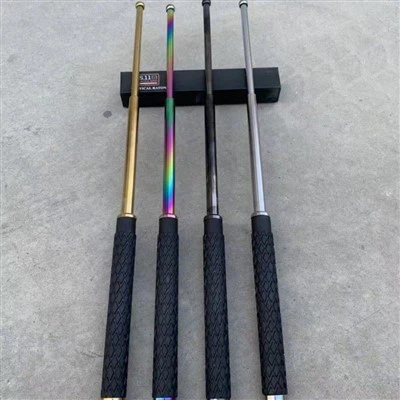
First up, let’s talk about the most popular type most people reach for: expandable batons. These are the ones that collapse down small enough to fit in a pocket or belt loop, and extend with a quick flick. Now, expandable batons aren’t all the same, and the material of their core (the part that slides out) is key. A lot of lower-end ones use plain steel, but that’s a rookie mistake for serious users. We’ve found two standouts here: aluminum and alloy steel.
Aluminum is a fan favorite for anyone who wants something light. I mean, seriously—an aluminum baton feels almost weightless compared to steel, which is a huge plus if you’re carrying it around all day, either for work or personal safety. The downside? It’s not as hard as steel, so it can bend or ding if you hit something super hard, like concrete or a metal door frame. But for everyday use—self-defense situations where you’re dealing with another person, not a wrecking ball—it’s totally solid. If you’re in the market for a light, manageable expandable option, check out our Aluminum Extendable Baton [/expandable-baton/aluminium-extendable-baton.html]—it’s one of our top sellers for police officers and security guards who are on their feet 12+ hours a day. We tested these with a local security team last year, and they loved not feeling like they were hauling a baseball bat around all shift.
Then there’s alloy steel, which is where the durability cranks up. Alloy steel is a mix of iron, carbon, and other elements (like chromium or manganese) that make it way stronger than plain steel. It can take a ton of impact without bending, which is why it’s the go-to for anyone who needs heavy-duty protection. The only catch? It’s heavier, so it’s not the best for people who struggle with extra weight in their gear. Our Alloy Steel Telescopic Baton [/expandable-baton/alloy-steel-telescopic-baton.html] is a step up from standard expandables—we’ve had customers tell us it’s held up to years of use, from blocking attempts to breaking up fights. It retracts smoothly too, which is a big deal because a sticky baton won’t work when you need it to. For professional users who put their gear through the wringer, this is the one we recommend.
Wait, let’s circle back to metal telescopic batons in general, because that’s a broad category that includes both aluminum and steel. A lot of people don’t realize that not all metal is created equal. Some cheap metal batons on Amazon or random online shops are made from thin, flimsy steel that dents after one use—we’ve seen them break right at the hinge when someone tries to extend them. That’s why it’s crucial to buy from a reputable supplier like us; we source our metal from certified mills, so you know it’s consistent quality. Our Metal Telescopic Baton [/expandable-baton/metal-telescopic-baton.html] covers both aluminum and steel options, so you can pick based on your needs, not just a cheap price tag.
Now, what about police-specific batons? Cops have a totally different set of requirements—they need something that’s light enough to carry all shift, strong enough to handle resisting suspects, and visible enough to use as a deterrent. That’s why most police batons fall into either aluminum or alloy steel, but with specific tweaks to the material. For example, our Police Telescopic Baton [/expandable-baton/police-telescopic-baton.html] is made with aircraft-grade aluminum for the main tube, and a reinforced alloy steel core for the extendable sections. That combo gives them the best of both worlds: light enough for 10-hour patrols, and tough enough to stop a suspect from grabbing it or breaking it. We’ve supplied this to small-town departments and big city SWAT teams alike—performance doesn’t change no matter where you’re based.
Is there anything other than metal? Let’s be real—you won’t find a high-quality defense baton made of plastic or wood these days, and for good reason. Wood can splinter, crack, and break when you need it most; plastic is just flimsy and won’t stop a threat. Maybe there are cheap toy batons made of plastic, but we’re talking about actual defense gear here, so metal is the only way to go. That’s not to say there’s no innovation—we’ve heard of some batons with rubber coatings, but that’s just for grip, not the core material. The coating might be plastic or rubber, but the inside is still metal, because that’s what gives the baton its strength.
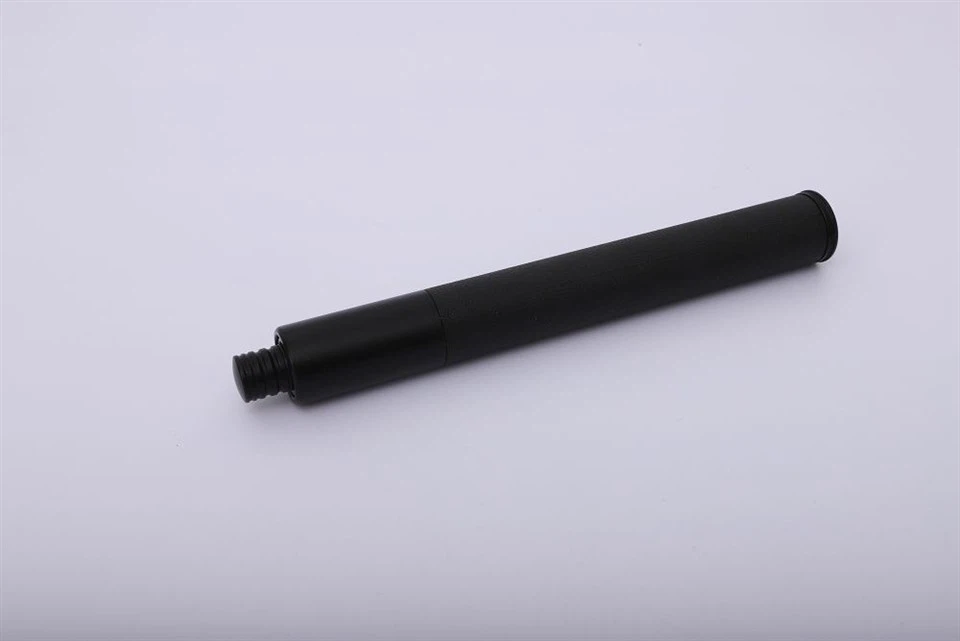
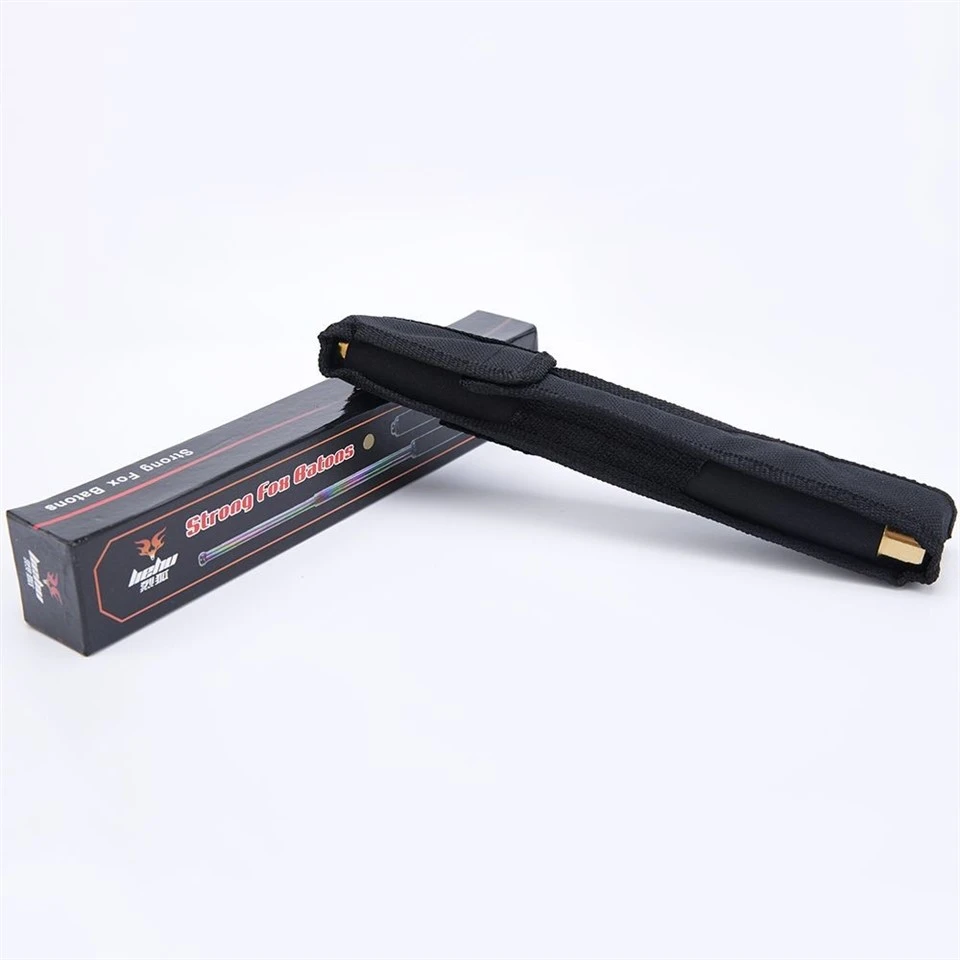
Wait, let’s talk about why the material affects more than just durability. Weight is a big one, like I mentioned before. If you’re a college student carrying a baton in your backpack to class, you don’t want something heavy that’s a hassle to carry. If you’re a bouncer working a weekend shift, you need something that’s light enough to move fast with, but strong enough to keep you safe. Aluminum is perfect for the student, alloy steel for the bouncer. We also pay attention to the texture—when the surface is made of the right metal, you get a grip that doesn’t slip, even if your hands are sweaty. That’s a small detail, but it’s the difference between being able to use your baton and dropping it when you need it most.
Another thing: corrosion resistance. If you live somewhere humid, or you’re working in a job where you’re around water (like a park ranger or a lifeguard), rust is a real problem. Aluminum is naturally resistant to rust, which is why so many people go with it for outdoor use. Alloy steel needs to be coated (like with black oxide or powder coating) to prevent rust, which we do on all our alloy steel batons, so you don’t have to worry about it. Our Aluminum Baton [/expandable-baton/aluminium-baton.html] is a fixed-length option, by the way—no telescoping, so it’s even lighter and super easy to handle if you don’t need something that collapses. It’s a great backup for people who don’t want to deal with the mechanism of a telescopic baton.
Let’s get real for a second—we’ve had customers come to us after buying cheap batons from random places. They say things like, “I extended it once and it got stuck,” or “It bent when I tried to block someone.” That’s all down to the material. Cheap suppliers use low-grade metal to cut costs, and it shows. At our company, we’ve spent years testing different materials to find the sweet spot: strong enough for defense, light enough to carry, and durable enough to last. We don’t cut corners, and that’s why our customers keep coming back.
I get it, choosing a defense baton can feel overwhelming. There are so many options, and everyone tells you something different. But at the end of the day, the material is the foundation. If you pick one made from flimsy, untested metal, you’re not getting a defense tool—you’re getting a paperweight. If you pick one made from quality aluminum or alloy steel, you’re getting something that’s going to be there when you need it.
Whether you’re a security guard looking for a reliable telescopic baton, a police officer in need of gear that can handle shift work, or someone just looking for personal safety equipment, the material is the first thing you should check. Don’t just go for the cheapest option—ask about the metal, test it if you can, and make sure it’s from a supplier that stands behind their products.
If you’re ready to find the right baton for your needs, get in touch with our team to talk through your options. We can walk you through the differences between aluminum, alloy steel, telescopic, fixed-length, and all the rest, so you can make a decision that works for you. No salesy garbage, just honest advice from people who’ve been in this for years.
References:
- "Materials Science and Engineering: Properties of Metals for Tactical Equipment", National Institute of Standards and Technology, 2022.
- "Tactical Gear Performance Testing: Expandable Baton Durability", Journal of Personal Safety Equipment, Vol. 14, No. 2, 2021.
- "Corrosion Resistance of Aluminum and Alloy Steel for Outdoor Tactical Tools", Corrosion Science Association, 2020.
- "Occupational Safety: Equipment Requirements for Security and Law Enforcement", Occupational Safety and Health Administration, 2023.