When you hear the term “riot control suit,” the first image that comes to mind is likely law enforcement officers facing off against unruly crowds—heavy, bulky gear reserved for moments of civil unrest. But as a supplier of personal protective equipment (PPE) designed for high-stakes situations, I’ve seen first-hand how versatile these tools can be beyond the streets during riots. Over the years, we’ve had clients in unexpected sectors reach out, explaining how standard riot gear fills gaps in their own line of work, and it’s made me rethink the limits of what riot control suits can do.
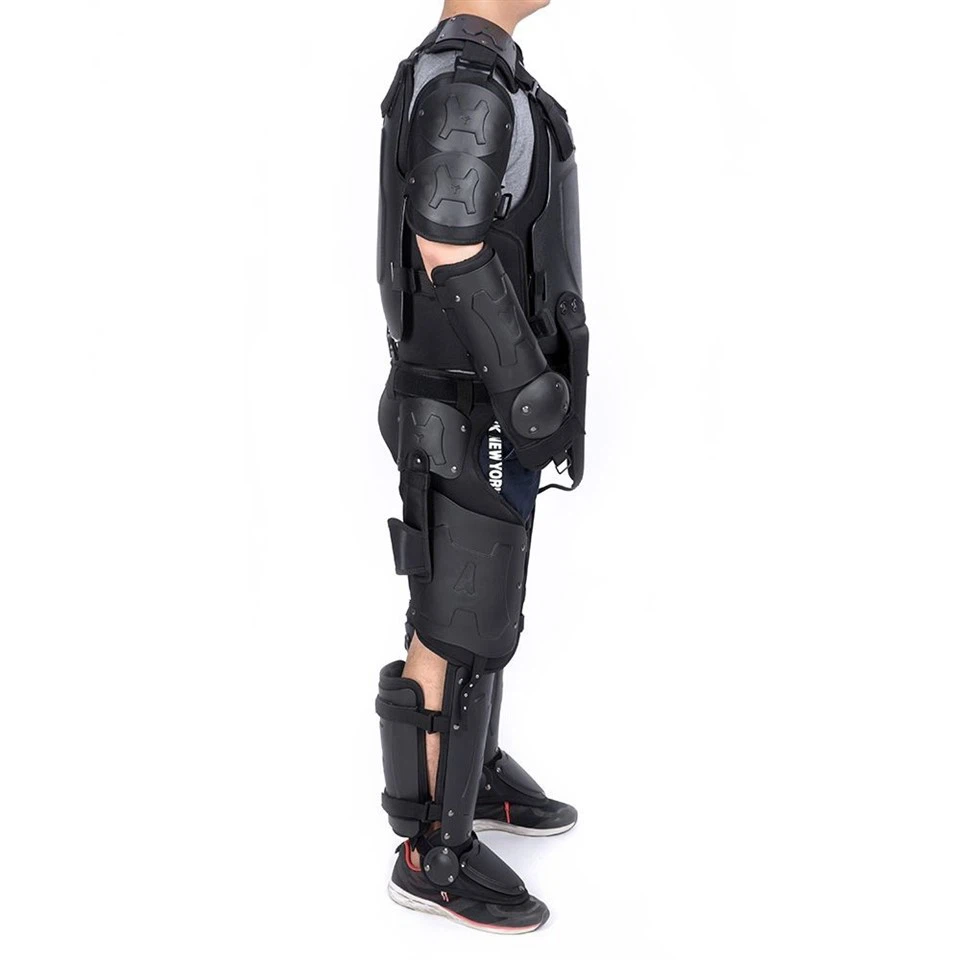

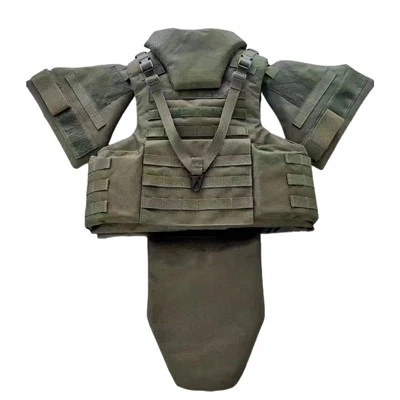
Before diving into those alternative uses, let’s ground this in what a riot control suit actually is. At its core, it’s a system of protective clothing built to shield the wearer from blunt impacts, sharp objects, friction, and chemical irritants. A typical set includes a helmet, body armor, gloves, shin guards, and a heavy-duty outer uniform. For context, here’s a look at one of our core offerings: the Riot Suit (/riot-gear/riot-suit.html), which is constructed with reinforced polyethylene panels and a puncture-resistant outer layer that stands up to thrown bricks, bottles, and even improvised weapons. It’s no small piece of gear, but that durability is exactly what makes it useful in roles far removed from crowd control.
One of the most common off-riot uses we’ve seen is in industrial work, particularly in sectors where workers face risks that mirror what riot gear was built to handle. Take construction sites, for example. When workers are tasked with demolishing old buildings, clearing debris, or working around sharp metal scrap, they’re exposed to falling objects, flying debris, and accidental cuts. Our Police Riot Suit (/riot-gear/police-riot-suit.html) might seem overkill at first, but many contractors swear by it for demo work. The helmet’s face shield protects from flying concrete chips, the body panels deflect sharp rebar, and the heavy outer material holds up against the constant friction of crawling over rough surfaces. We had a client in Chicago who specializes in demolishing abandoned factories tell us that switching to riot gear cut their injury rate from debris-related cuts and bruises by 40% in six months. They didn’t need the crowd-control features, but they needed the impact resistance—exactly what riot control suits are engineered for.
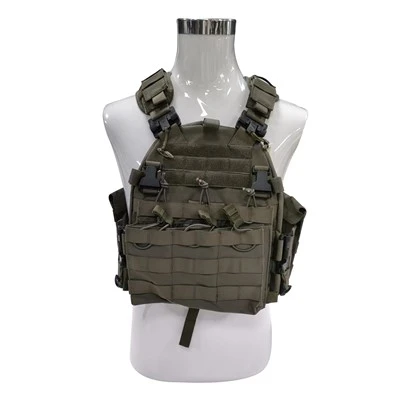
Another unexpected area is disaster response. After natural disasters like hurricanes, tornadoes, or earthquakes, first responders and volunteers often work in environments with collapsed structures, sharp rubble, mold, and even hazardous materials like gas leaks or toxic dust. Our Anti Riot Vest (/riot-gear/anti-riot-vest.html), which is lighter than a full riot suit but still has puncture and impact resistance, has become a go-to for volunteer teams clearing debris after storms. During Hurricane Ian in 2022, we shipped over 200 Anti Riot Vests to a relief organization in Florida, and their lead coordinator reached out afterward to say it was a game-changer. The vest’s chest panels protected them from falling wood and metal beams, while the fabric blocked mold spores and other irritants that often cause respiratory issues during extended cleanup. Unlike regular work vests, which only offer basic visibility or cut resistance, these vests are built to withstand the kind of repeated hard knocks that come with digging through rubble for hours on end.
We’ve also seen riot control uniforms used in the entertainment industry—specifically for stunt work. Stunt performers often need gear that can stand up to repeated falls, impact from props, and minor cuts without looking overly bulky or out of place on camera. Our Riot Control Uniform (/riot-gear/riot-control-uniform.html) is designed with a sleek, non-restrictive fit that works for stunt actors playing roles in action movies, historical dramas, or even superhero films. A stunt coordinator from a major production studio in Los Angeles told us they used modified riot uniforms for a scene where a character is caught in a brawl; the actors could move freely, and the uniforms absorbed the impact of fake punches and falls without tearing. They noted that regular stunt gear often didn’t offer the same level of protection, and they were able to re-use the uniforms for multiple takes, saving time and money on prop replacements.
Then there’s animal control and wildlife rescue, a sector you might not connect with riot gear at all. Handling large, aggressive animals—whether it’s a wild bear that’s wandered into a suburban neighborhood, a feral dog pack, or even a injured horse that’s panicking—comes with risks of bites, kicks, and scratches. Our Riot Jacket (/riot-gear/riot-jacket.html) is lighter than a full riot suit, with reinforced sleeves and a thick chest layer that can protect against animal bites. We’ve had a wildlife rescue group in Oregon use them to safely capture cougars that had strayed into residential areas; the rescuers could approach the animal without worrying about bites to the arms, and the jacket’s durability held up when the cat struggled. Before they started using riot jackets, they had multiple team members get bitten every year, leading to missed work and expensive medical bills. Now, those incidents are rare, and they’ve expanded their rescue range because they feel confident approaching larger, more aggressive animals without the bulk of a full suit.
Of course, it’s important to note that riot control suits are not one-size-fits-all, and their use in these alternative settings requires some adaptation. For industrial work, we recommend pairing the riot suit with additional gear like steel-toe boots and respirators, since riot suits don’t offer respiratory protection on their own. For disaster response, teams might cut off some of the excess material from the lower legs to make it easier to crawl through tight spaces in rubble. In stunt work, we work with studios to modify the suits with lightweight padding that looks natural on camera, while still keeping the impact-resistant panels. And in animal control, the riot jacket is often paired with a face shield to protect against bites to the head, which we can add as an extra accessory for clients who need it.
As a supplier, one of the things I’m most proud of is that our gear doesn’t just have a single purpose. When we design riot control suits, we focus on three core features: durability, versatility, and comfort. That’s what makes them work so well in riots, but also in these other situations. A riot control suit isn’t just for when things get chaotic—it’s for when people need to work in environments that are harsh, unpredictable, and potentially dangerous, even if there’s no crowd to control.
We’ve also learned a lot from these alternative users. For example, after construction workers mentioned that the full riot suit was too hot to wear in 90-degree weather, we developed a breathable mesh lining for some of our newer models, which has been adopted by both industrial workers and disaster responders. Stunt actors asked for more flexible gloves, so we adjusted the finger cuffs on our riot suits to allow for better dexterity while still keeping the puncture-resistant material. These feedback loops are what make our gear better, and it all comes from seeing how our products are used beyond the original design.
It’s easy to box riot control suits into a single category—tools for law enforcement during civil unrest. But the reality is, durability and versatility are valuable in almost any high-risk work. From clearing disaster rubble to performing stunts, from rescuing wild animals to demolishing buildings, riot control suits fill a gap that regular work gear can’t. They’re not just for riots; they’re for anyone who needs to work in a space where the unexpected is the norm.
If you’re in a sector that deals with hazardous, high-risk environments and you’re looking for gear that’s built to last, we’re here to help. We have a range of riot control suits, vests, and accessories tailored to different needs, and we can work with you to modify our products to fit your specific use case. Reach out to our team to discuss your requirements and find the right solution for your work.
References
- National Institute for Occupational Safety and Health (NIOSH). (2021). Personal Protective Equipment for Construction Workers. U.S. Department of Health and Human Services.
- World Health Organization (WHO). (2020). Disaster Response: Protective Equipment for Debris Clearance. WHO Press.
- Stunt Performers Alliance. (2022). Safety Gear Guidelines for High-Impact Action Scenes. Entertainment Industries Safety Association.
- Humane Society of the United States. (2021). Protective Equipment for Wildlife Rescue and Animal Control. HSUS Field Operations Manual.
- International Association of Chiefs of Police (IACP). (2019). Riot Control Gear: Design and Application for Law Enforcement. IACP Publishing.