What is a Ballistic Jacket? A Deep Dive into Our Industry’s Most Versatile Personal Protection Gear
If you’ve ever watched a law enforcement officer gear up for a high-risk call, a security professional patrol a busy urban space, or even a worker navigating a site with potential hazards, there’s a good chance you’ve seen a ballistic jacket in action. But what exactly is it, and how does it differ from the other protection gear you might hear about, like the Bulletproof Uniform or the Quick Release Tactical Vest? As a supplier who’s spent years sourcing, testing, and providing these critical pieces of equipment, I get asked this question all the time. Let’s break it down in plain, practical terms—no overly complicated jargon, just what you need to know about why ballistic jackets matter, how they work, and how to choose the right one for your needs.
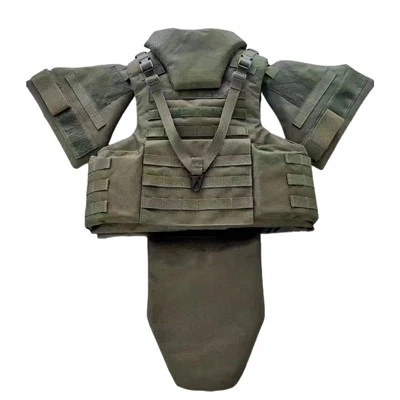
First, let’s start with the basics: a ballistic jacket is a type of personal protective equipment (PPE) designed to stop or slow the penetration of ballistic threats—think bullets, shrapnel, or other fast-moving projectiles. Unlike some bulkier body armor that’s built purely for maximum protection, a well-made ballistic jacket balances safety with mobility, making it ideal for people who need to move, bend, or work long hours without being weighed down. That’s a key point that sets it apart from, say, a standard stab vest; ballistic jackets are engineered for high-velocity threats, while others focus on lower-speed, edged-weapon attacks.
To really understand what makes a ballistic jacket effective, we need to talk about the materials inside. Most of the high-quality ones you’ll find today use aramid fibers—specifically Kevlar, the brand name made famous by DuPont, though there are other similar aramid blends on the market. These fibers are incredibly strong for their weight: in fact, Kevlar is about five times stronger than steel per unit of weight. How does that work? Instead of being a solid metal plate (which would be heavy and restrictive), a ballistic jacket’s protection comes from layers of these woven aramid fibers. When a bullet hits, the fibers stretch and dissipate the bullet’s kinetic energy across a wide area, stopping the projectile before it can penetrate the wearer’s body. Some jackets also have a hard armor plate insert (usually made of ceramic or polyethylene) in the front and back for extra protection against rifle rounds, which are faster and more powerful than handguns.

Now, let’s clear up a common confusion: many people use terms like “ballistic jacket,” “bulletproof vest,” and “body armor vest” interchangeably, but there are subtle differences—and that’s where gear like the Bulletproof Uniform comes in. A ballistic jacket is a subset of body armor, but it’s usually a standalone layer that you can wear over or under other clothing, whereas a bulletproof uniform is a complete garment (like a shirt or jacket) that integrates ballistic protection into its fabric, so it looks and acts like regular clothing. That’s a big plus for people who want protection without drawing unnecessary attention—for example, undercover officers or security professionals working in civilian settings.
Another important distinction is between different levels of ballistic protection. The National Institute of Justice (NIJ) in the U.S. sets standards for how armor performs, and most reliable ballistic jackets are tested to meet these NIJ ratings. The most common is NIJ Level IIIA, which stops most handgun rounds, like 9mm and .44 Magnum. If you need protection against higher-velocity rifle rounds, you’d look for a jacket that’s rated Level III or IV, which requires hard armor plates. If you’re shopping around, you might see pages like the Nij Iiia Ballistic Vest that specialize in this common, everyday level of protection—great for law enforcement patrol officers, retail security, or anyone who faces the risk of handgun threats.
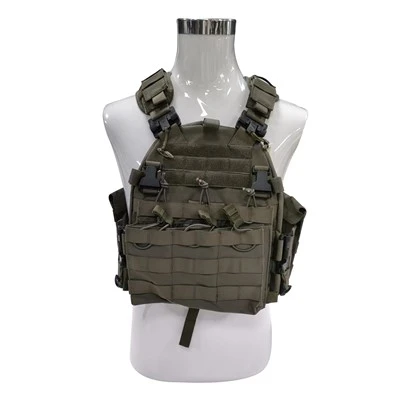
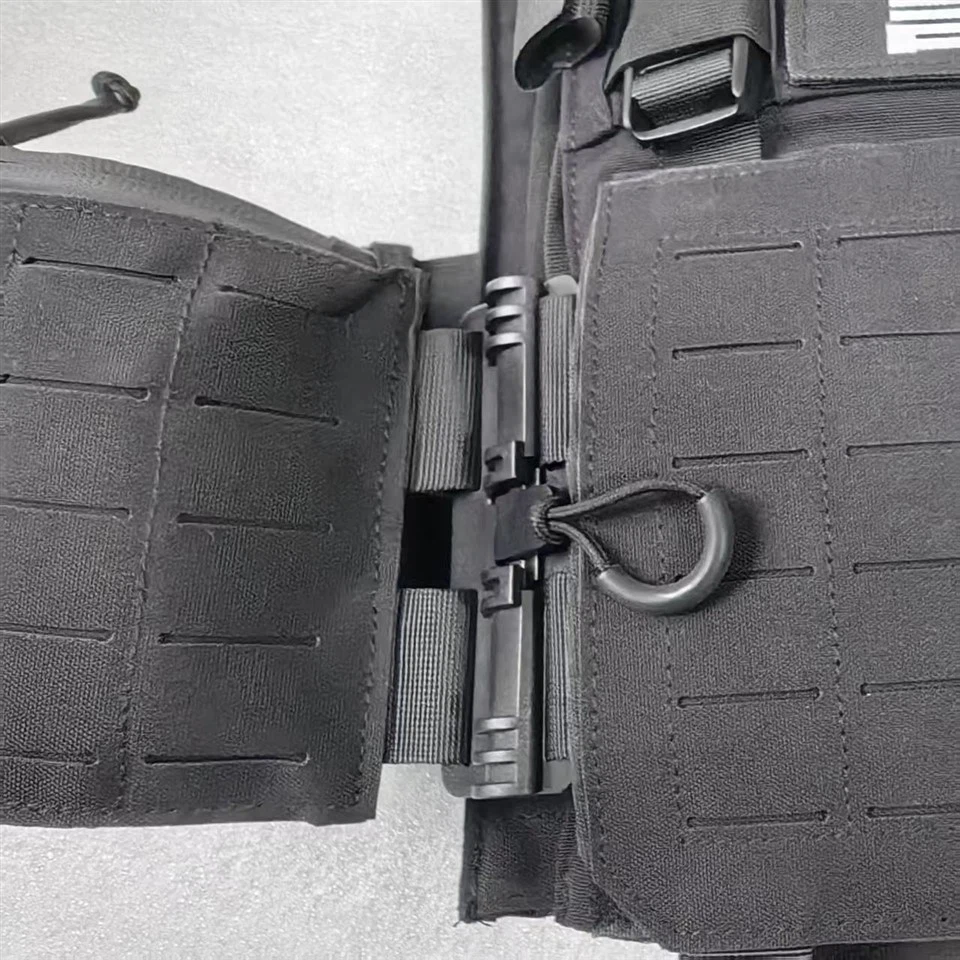
Let’s talk about use cases, because that’s where the versatility of a ballistic jacket really shines. Patrol officers rely on them because they need to respond to calls quickly, run, climb, and interact with the public without being encumbered. Private security teams at events or construction sites use them when there’s a risk of conflict or shrapnel from equipment. Even some delivery drivers in high-crime areas or campus security teams find them useful. The best ballistic jackets are also adjustable—they have straps around the waist and shoulders to fit snugly, so they don’t shift around during movement. That’s why some people prefer them over bulkier options like the Quick Release Tactical Vest, which is designed for fast removal in emergency situations (like if an officer is pinned or needs to get to a medical device quickly). Wait, no—actually, many modern ballistic jackets have quick-release features too, so they blend both mobility and safety. It just depends on the user’s needs: if you need to be able to remove your gear in an instant, a tactical vest with quick-release might be the way to go, but if you want something that’s comfortable to wear for 12-hour shifts, a streamlined ballistic jacket is probably better.
Now, let’s get into what makes a ballistic jacket different from other types of body armor. If you look at our page for the Aramid Ballistic Vest, you’ll see that it’s built with woven aramid fibers, which are lighter and more flexible than older steel plates. That’s a game-changer because steel armor can get heavy after a few hours, leading to fatigue—and if you’re tired, you’re less alert, which can be dangerous. Aramid-based jackets are much more breathable too, with moisture-wicking linings that keep you cool even in hot weather. That’s a big deal for outdoor workers or anyone in warm climates where overheating is a risk.
I should also mention maintenance, because a ballistic jacket is an investment—you want it to last. Unlike a regular jacket, you can’t just toss it in the washing machine. Most manufacturers recommend spot cleaning with a mild detergent and cold water, because harsh chemicals or high heat can break down the aramid fibers, reducing their effectiveness over time. You also need to store it in a cool, dry place, away from direct sunlight, which can degrade the fibers too. And never try to modify it—cutting or altering the protective layers will compromise its ability to stop a projectile.
A common question I hear is: “Is a ballistic jacket really bulletproof?” The short answer is no—nothing is 100% bulletproof, because even a Level IV jacket can be penetrated by very high-powered rifle rounds or multiple hits to the same spot. That’s why it’s more accurate to call them “bullet-resistant” rather than “bulletproof.” But the right jacket, tested to the correct NIJ standard, will stop the most common threats you’re likely to face in your line of work. For example, a Level IIIA jacket will stop 9mm and .45 ACP rounds, which are the most common handgun calibers used in crimes. If you’re in an area with higher risk, you might upgrade to a Level III jacket with a hard plate that stops 5.56mm rifle rounds.
Let’s talk about choosing the right one for you. First, assess what threats you’re facing. If you’re a regular patrol officer, a Level IIIA ballistic jacket is probably enough. If you’re working in a war zone or a high-risk conflict area, you’ll need a higher level. Next, consider fit and comfort—you don’t want a jacket that’s too tight (it restricts movement) or too loose (it shifts during use). Look for adjustable straps and breathable materials. Also, check the certification: always make sure the jacket is NIJ-compliant, because uncertified gear might not perform as advertised. That’s why shopping from a reputable supplier matters—you want to know the product you’re getting has been tested and proven to work.
Now, let’s connect this to our product line. We offer a range of protective gear, including the Bulletproof Uniform for those who want discreet protection, the Quick Release Tactical Vest for emergency access, the Aramid Ballistic Vest for lightweight, flexible protection, the Nij Iiia Ballistic Vest for everyday handgun threat resistance, and the Body Armor Vest as a general category for all levels of protection. Each is designed for different needs, but they all share the same core goal: to keep you safe without sacrificing mobility.
If you’re in the market for a ballistic jacket, there are a few things to avoid. First, don’t buy based on price alone—cheap, uncertified gear might seem like a steal, but it could fail when you need it most. Second, don’t ignore fit: a jacket that’s too big won’t protect your vital organs, and one that’s too small will be uncomfortable and might ride up during movement. Third, don’t forget about additional features—like pockets for radio clips or a pen, which can make a big difference in daily use.
As someone who’s been in this industry for over a decade, I’ve seen how a good ballistic jacket can save lives. I’ve talked to officers who’ve been in shooting incidents and lived because their armor worked, and to security professionals who’ve stopped a knife or shrapnel because their gear was up to standard. It’s not just a piece of equipment—it’s a tool that gives people the confidence to do their jobs well, knowing they’re protected.
If you’re a procurement manager for a law enforcement agency, a security company, or an organization that needs to provide protection for your team, we understand that you have specific needs—whether that’s bulk orders, custom fittings, or compliance with local regulations. We don’t just sell gear; we work with you to find the right solution, whether that’s a lightweight ballistic jacket for patrol, a discreet Bulletproof Uniform for undercover work, or a tactical vest with quick-release for emergency response.
For more information about our product line and to discuss your protection needs, feel free to reach out to our team. We’re here to answer questions, provide product details, and help you make an informed decision that keeps your team safe. We believe that everyone who needs personal protective equipment deserves gear that’s reliable, comfortable, and tested, and we’re committed to delivering that.
References:
- National Institute of Justice. (2017). Ballistic Body Armor Standard: NIJ Standard-0101.06. U.S. Department of Justice.
- DuPont. (2022). Kevlar Ballistic Materials: Properties and Applications. DuPont Protection Technologies.
- International Association of Chiefs of Police. (2021). Best Practices for Law Enforcement Body Armor Selection and Maintenance. IACP.
- Occupational Safety and Health Administration. (2020). Personal Protective Equipment for Workplace Violence Prevention. OSHA.
- Armor Holdings, Inc. (2019). Aramid Fiber-Based Ballistic Solutions for Law Enforcement and Security. Armor Holdings Technical Bulletin.