When it comes to anti-riot gear, durability is a crucial factor that directly impacts its effectiveness and cost - efficiency. As a supplier of anti - riot gear, I have witnessed firsthand the importance of understanding the durability factors of these essential products. In this blog, I will delve into the key elements that contribute to the durability of anti - riot gear.
Material Quality
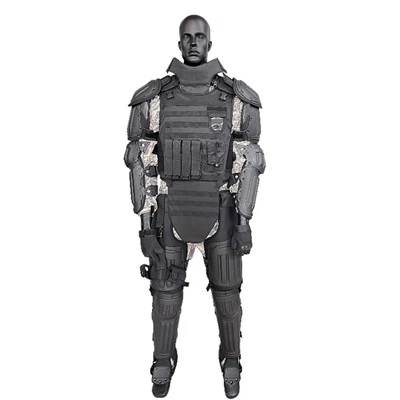
The foundation of durable anti - riot gear lies in the quality of the materials used. High - grade materials are essential for withstanding the rigors of riot situations. For example, in Police Anti Riot Equipment, materials such as high - density polyethylene (HDPE) and carbon fiber are commonly used. HDPE is known for its excellent impact resistance, toughness, and chemical resistance. It can absorb and disperse the energy from impacts, reducing the risk of damage to the gear. Carbon fiber, on the other hand, is lightweight yet incredibly strong. It provides high - strength reinforcement while keeping the overall weight of the gear manageable, which is crucial for the mobility of law enforcement officers.
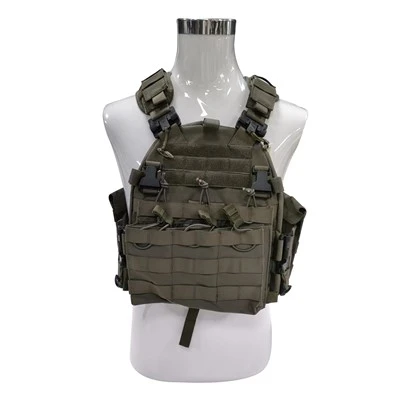
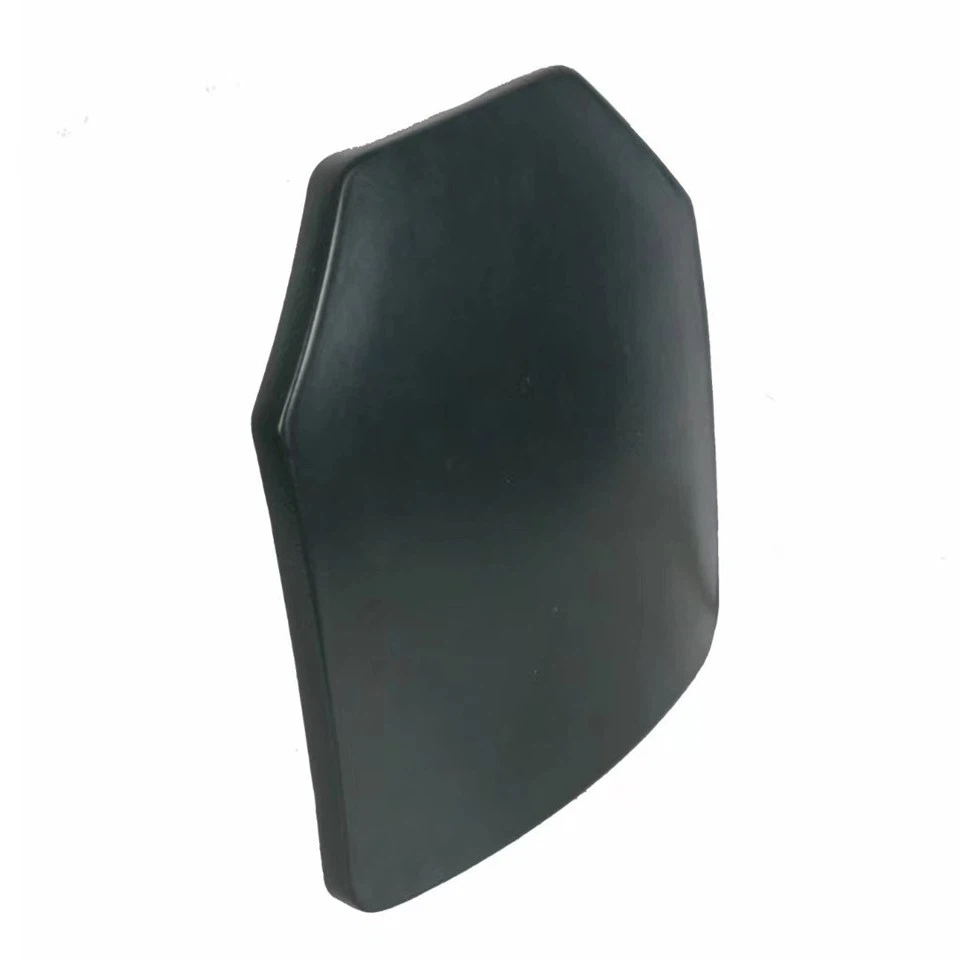
In the case of Multi Curved Ballistic Plate, the materials must be able to withstand high - velocity impacts from projectiles. Specialized ballistic fabrics and composite materials are often employed. These materials are designed to stop or deflect bullets and other projectiles, and their durability is tested under strict standards. The quality of these materials determines the level of protection and the lifespan of the ballistic plates.
Manufacturing Process
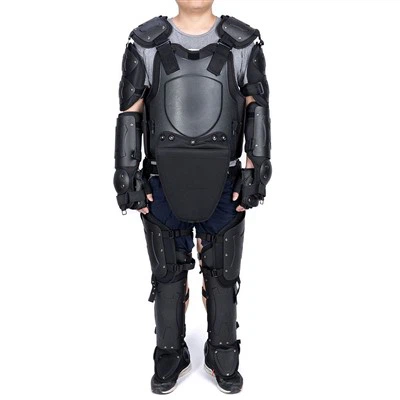
The manufacturing process also plays a significant role in the durability of anti - riot gear. Precision manufacturing techniques ensure that the gear is built to exact specifications. For instance, in the production of Riot Control Suit, the stitching and assembly methods are critical. High - quality stitching ensures that the different components of the suit are securely attached, preventing them from coming apart during use.
Advanced manufacturing technologies, such as injection molding and thermoforming, are used to create components with consistent quality. Injection molding allows for the production of complex shapes with high precision, while thermoforming can be used to shape materials into the desired form. These processes not only ensure the proper fit and function of the gear but also enhance its durability by creating strong and seamless structures.
Design Considerations
The design of anti - riot gear is another important factor in its durability. A well - designed gear takes into account the potential stresses and strains it will face in a riot situation. For example, the shape of a riot shield should be designed to deflect impacts effectively. A curved shield can distribute the force of an impact over a larger area, reducing the risk of damage compared to a flat shield.
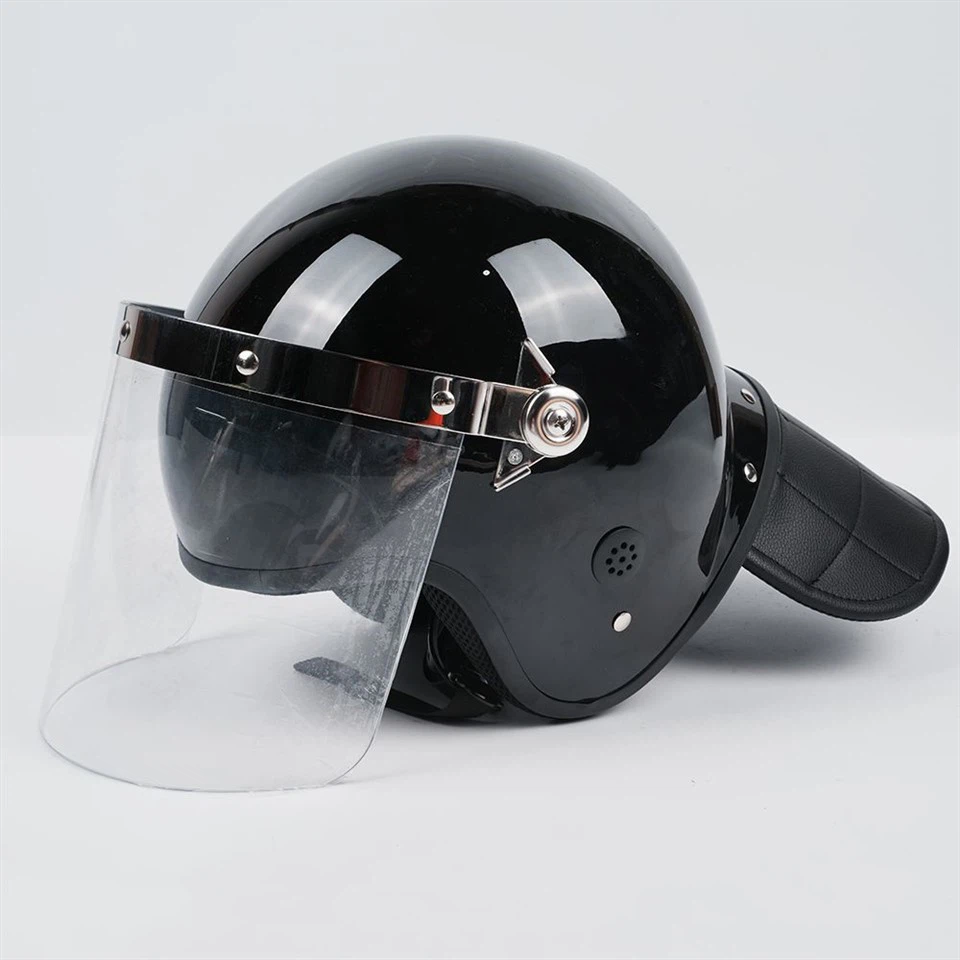
In addition, the design should allow for easy maintenance and repair. Removable components and modular designs make it easier to replace damaged parts, extending the lifespan of the gear. For example, a riot helmet with a removable liner allows for easy cleaning and replacement, which is important for maintaining hygiene and the integrity of the helmet.
Environmental Resistance
Anti - riot gear often has to operate in a variety of environmental conditions. It must be resistant to factors such as moisture, heat, cold, and UV radiation. Moisture can cause corrosion and degradation of materials, especially metals. Therefore, anti - riot gear should be treated with anti - corrosion coatings or made from materials that are inherently resistant to moisture.
Heat and cold can also affect the performance and durability of the gear. Materials should be able to maintain their mechanical properties over a wide range of temperatures. For example, rubber components in anti - riot gear should not become brittle in cold temperatures or soften in hot temperatures. UV radiation can cause fading and degradation of materials over time. Gear should be made from UV - resistant materials or treated with UV - protective coatings to prevent this.
Testing and Certification
To ensure the durability of anti - riot gear, rigorous testing and certification processes are essential. Gear should be tested against a set of standards and regulations to ensure its performance and durability. For example, ballistic plates are tested for their ability to stop projectiles of different calibers and velocities. Riot shields are tested for impact resistance, penetration resistance, and visibility.
Certification from recognized organizations provides assurance to customers that the gear meets the required standards. It also helps in building trust in the product. As a supplier, we ensure that all our anti - riot gear undergoes comprehensive testing and holds the necessary certifications, which is a testament to the durability and quality of our products.
Maintenance and Care
Proper maintenance and care are crucial for extending the durability of anti - riot gear. Law enforcement agencies should have a regular maintenance schedule for their gear. This includes cleaning, inspecting for damage, and replacing worn - out parts. For example, riot suits should be cleaned after each use to remove dirt, debris, and bodily fluids. Helmets should be inspected for cracks or damage, and any issues should be addressed immediately.
Training on proper maintenance and care should be provided to the users of the anti - riot gear. This ensures that the gear is used and maintained correctly, which in turn maximizes its durability.
Cost - Benefit Analysis
When considering the durability of anti - riot gear, a cost - benefit analysis is also important. While high - quality, durable gear may have a higher upfront cost, it can save money in the long run. Durable gear requires less frequent replacement, reducing the overall cost of ownership. In addition, it provides better protection and performance, which can enhance the safety and effectiveness of law enforcement officers.
As a supplier of anti - riot gear, we understand the importance of providing cost - effective solutions. Our products are designed to offer a balance between durability, performance, and cost. We work closely with our customers to understand their needs and provide the most suitable gear for their requirements.
Conclusion
In conclusion, the durability of anti - riot gear is influenced by multiple factors, including material quality, manufacturing process, design, environmental resistance, testing and certification, maintenance, and cost - benefit analysis. As a supplier, we are committed to providing high - quality, durable anti - riot gear that meets the needs of law enforcement agencies. If you are interested in purchasing anti - riot gear, we invite you to contact us for further discussion and to explore our range of products. We are ready to assist you in finding the best solutions for your specific requirements.
References
- ASTM International. Standards related to anti - riot gear materials and testing.
- National Institute of Justice. Guidelines for anti - riot equipment performance and durability.