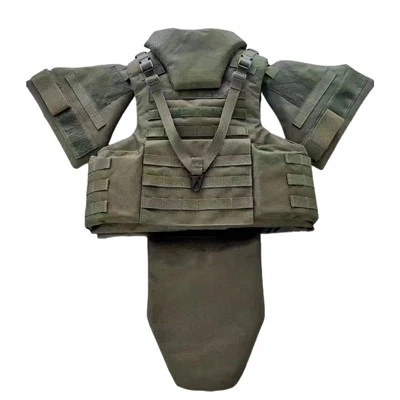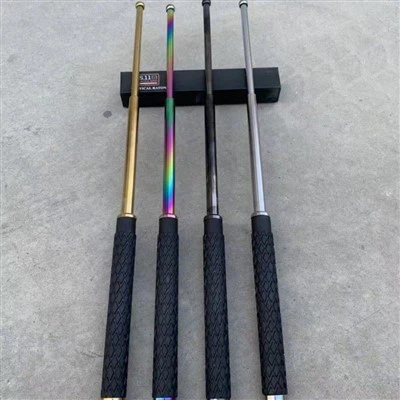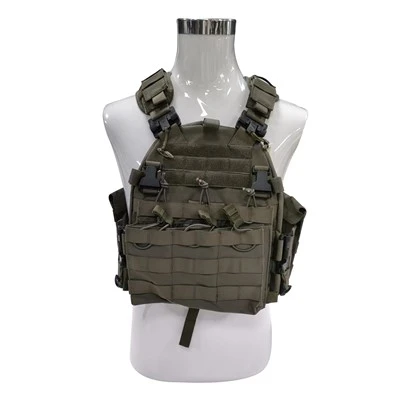
If you’ve ever watched news footage of large-scale public disturbances, you might notice that the gear officers use to maintain order doesn’t look the same across every situation. As a supplier who’s worked in anti riot gear for over a decade, I’ve spent countless hours listening to law enforcement teams, security agencies, and even international peacekeeping groups explain why they need different styles of protective equipment. The short answer to whether anti riot gear comes in different styles? A resounding yes—but it’s not just about variety for variety’s sake. Each style is engineered to address specific risks, environments, and operational needs, and choosing the wrong one can put both personnel and the public at risk.
Let’s start with the most recognizable piece: the riot suit. If you picture a bulky, full-body outfit that covers from head to toe, that’s the foundational riot suit. But what many people don’t know is that this style isn’t one-size-fits-all. For example, riot suits designed for cold-weather climates have insulated layers, adjustable cuffs and necks to block wind and moisture, and reinforced panels around the knees and elbows for long periods of kneeling or crawling in rough terrain. On the other hand, riot suits for tropical regions are made with lightweight, breathable fabrics that wick sweat, have mesh lining in high-heat areas, and omit extra padding to prevent overheating during extended deployments. We’ve seen teams in Southeast Asia rely on these lighter suits for protests that stretch 12+ hours in 90-degree heat, while units in Scandinavia need the insulated versions to operate in near-freezing conditions. To explore the range of riot suits we offer, you can visit our dedicated page: Riot Suit.
Beyond the basic riot suit, there’s a whole category of gear tailored to specific roles within a riot control team. Not every officer needs full-body coverage. Frontline line officers, who are often the first to make physical contact with crowds, need robust, impact-resistant gear. These officers might use riot shields, batons, and helmet systems that are built to withstand projectiles like rocks, bottles, and even Molotov cocktail fragments. Then there are rear-area teams, who focus on monitoring crowds, de-escalating, and coordinating—they might need lighter, more mobile gear that doesn’t slow them down during long walks or running deployments. For agencies looking to outfit their entire force with cohesive, role-specific equipment, our Police Anti Riot Equipment section breaks down all these specialized tools, from body armor vests tailored for line officers to communication headsets designed for rear-area coordination.

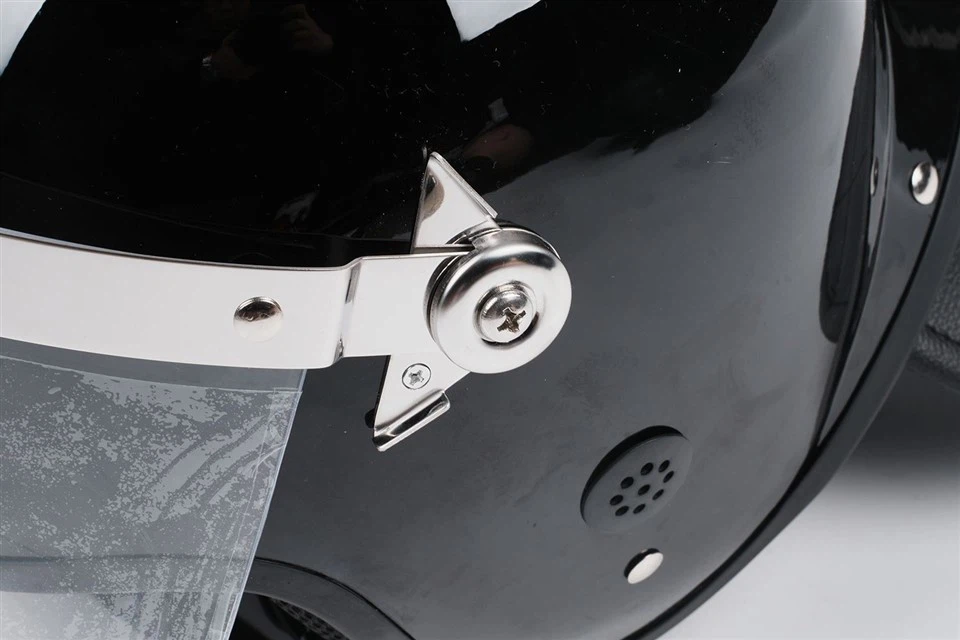
Another key distinction is between riot control uniforms and riot control suits, which are often confused but serve different purposes. A riot control uniform is typically a modular, everyday-style uniform that integrates protective elements. Think of it as a regular law enforcement uniform with built-in elbow and knee pads, tear-resistant fabric, and a lightweight ballistic layer that stops small blunt impacts. These are perfect for situations where the risk is low to moderate—like peaceful protests that turn tense, or small-scale disturbances where full-body protection would be overkill. Officers can still move naturally, interact with the public, and perform other duties like writing reports after the deployment is over. Riot control suits, on the other hand, are heavier, more specialized, and designed for high-risk scenarios where the potential for violent confrontation is high. They cover the entire body, often include a face shield for full head protection, and are made to withstand sharp objects like broken glass or metal bars. If you’re an agency deciding between these two, the first step is assessing your typical operational threats. Our pages for Riot Control Uniform and Riot Control Suit dive deeper into the specs of each, so you can match the gear to your needs.
Environmental factors also play a huge role in the style of anti riot gear that’s necessary. Urban settings, like city streets, have different risks than rural or open-space settings. In dense cities, officers might be working in tight alleys, around buildings, or near crowds that can surge suddenly. Gear for these areas needs to be more maneuverable—think slimmer riot suits that don’t catch on door frames or low branches, and shields that are lightweight enough to hold up for hours without causing shoulder strain. In contrast, rural protests or disturbances might involve large, spread-out groups, or even encounters with livestock or wild vegetation. Gear for these areas might have extra reinforced boot soles to handle muddy or rocky ground, and longer sleeves and pant legs to protect against thorns or insect bites that can become a distraction during a long deployment. We’ve also worked with agencies in mountainous regions who need gear that’s compatible with climbing or traversing uneven terrain, so we offer adjustable waist straps and reinforced sides that don’t restrict movement.
Technology has also driven new styles of anti riot gear over the past decade. Ten years ago, most riot suits were made with heavy, rigid materials that offered great protection but were uncomfortable to wear for long periods. Today, we’ve developed lightweight, flexible materials that offer the same level of impact protection but are up to 30% lighter, which has led to a new style of “extended deployment” riot gear. These suits have extra ventilation panels, moisture-wicking liners, and adjustable suspension systems that reduce fatigue during 12-hour shifts. There’s also a growing demand for gear that integrates communication and surveillance tools. Some modern riot control uniforms have built-in pockets for body cameras, so officers don’t have to attach cameras to their uniforms or helmets, which can get knocked off during scuffles. Another new style is modular anti riot gear, where you can add or remove protective layers depending on the threat level. For example, if a protest starts peaceful, officers can wear a basic riot control uniform and only add a ballistic vest and face shield if the situation turns violent. This modularity is a game-changer for agencies that have to adapt quickly to changing circumstances, as it reduces the need for multiple sets of gear for different scenarios.
I’ve had customers ask me before why we don’t just make one universal anti riot suit that works for every situation. The answer is simple: no single suit can address all the risks officers face. I once had a customer from a city in the American Southwest who tried using a heavy, insulated riot suit for a summer protest, and their officers ended up suffering from heat exhaustion because the suit trapped too much moisture. They switched to our tropical-style riot suits, and reported that fatigue and discomfort dropped by 80% during the same deployment. Another time, a customer from a rural area in Eastern Europe used a standard urban riot suit for a protest that involved people throwing axes and large wooden logs—their gear wasn’t reinforced enough to withstand those heavy impacts, so we worked with them to design a custom riot suit with extra steel-reinforced panels around the torso and limbs. These stories are why we prioritize variety and customization in our anti riot gear; one size simply doesn’t fit all.
If you’re a law enforcement manager, security coordinator, or someone responsible for outfitting a team with anti riot gear, it’s important to take the time to assess your specific needs before making a purchase. Ask yourself: what’s the typical environment your team operates in? What’s the level of risk they face during deployments? How long do they need to wear the gear? Answering these questions will help you choose the right style of gear—whether that’s a lightweight riot control uniform for low-risk situations, a full riot suit for high-risk disturbances, or a modular system that lets you adapt to changing conditions. Our main Anti Riot Gear page has a comprehensive overview of all our styles, so you can start exploring your options.
At the end of the day, anti riot gear is about more than just protection—it’s about enabling officers to do their jobs safely, while also being able to interact with the public effectively. Different styles of gear aren’t just a convenience; they’re a necessary tool to ensure that operations are both effective and respectful of the communities you serve. If you’re ready to discuss what gear is right for your team, or have questions about the different styles we offer, don’t hesitate to reach out for a procurement consultation.
References
- National Institute of Justice. (2021). "Riot Control Equipment: Best Practices for Selection and Use." U.S. Department of Justice.
- International Association of Chiefs of Police. (2022). "Environmental Adaptations in Law Enforcement Protective Gear." IACP Press.
- European Agency for Safety and Health at Work. (2020). "Ergonomics in Protective Equipment for Public Order Management." EU-OSHA.
- Journal of Occupational and Environmental Hygiene. (2021). "Heat Stress Mitigation in Law Enforcement Protective Gear." Taylor & Francis.
- United Nations Department of Peace Operations. (2023). "Guidelines for Anti Riot Gear in Peacekeeping Missions." UN DPO.