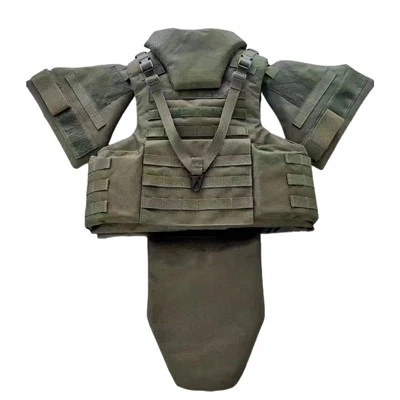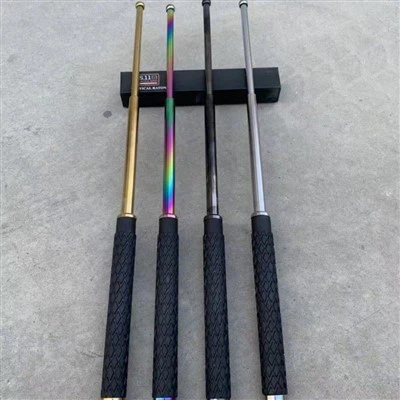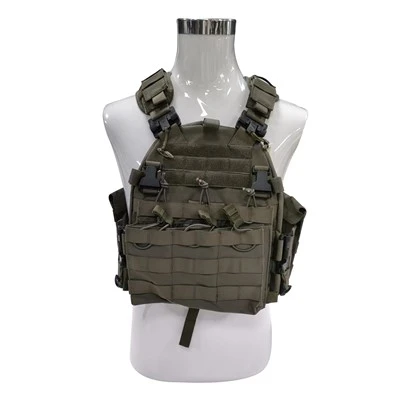
If you’ve ever watched live footage of crowd control operations, you’ve probably wondered what makes anti riot uniforms so different from regular work gear. As someone who’s been in the anti riot equipment supply game for years (I’ve seen everything from small city police deployments to large-scale public order events), I can tell you this isn’t just about throwing on a bulky jacket—each style is built for a specific job, and picking the wrong one can mean the difference between officers staying safe and getting hurt. Let’s break down the main styles, how they’re designed, and when they’re actually used.
First, let’s get this straight: anti riot uniforms aren’t one-size-fits-all. There’s a huge range of options, and if you check out Police Riot Equipment, you’ll see we stock everything from lightweight patrol kits to heavy-duty full-body suits. A lot of people mix up terms like anti riot gear and riot control suit, so let’s clear that up early. The core purpose of all these is to protect officers from blunt force, sharp objects, chemical irritants, and the chaos of crowd surges—but the level of protection and flexibility changes a lot based on the situation.
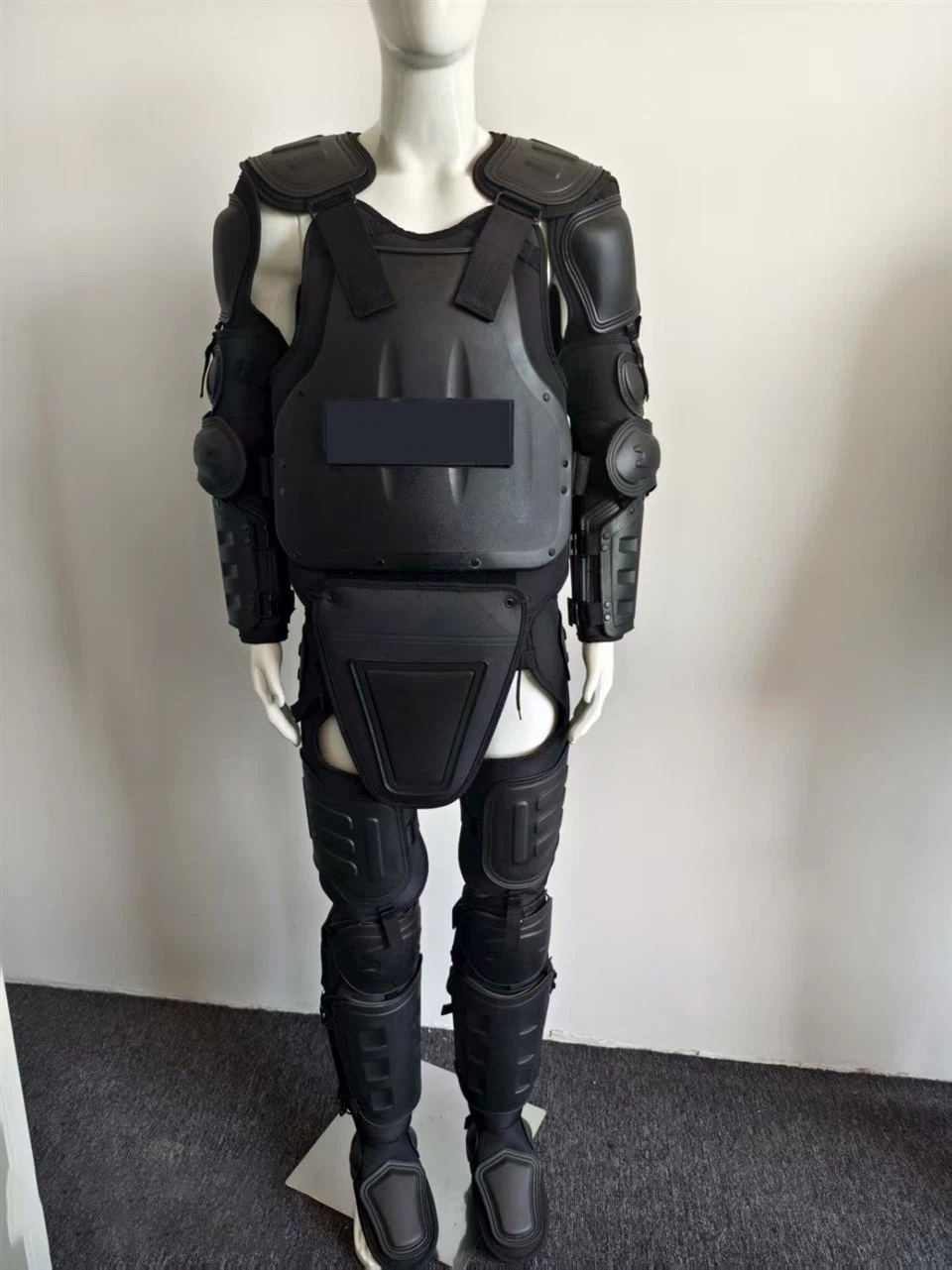
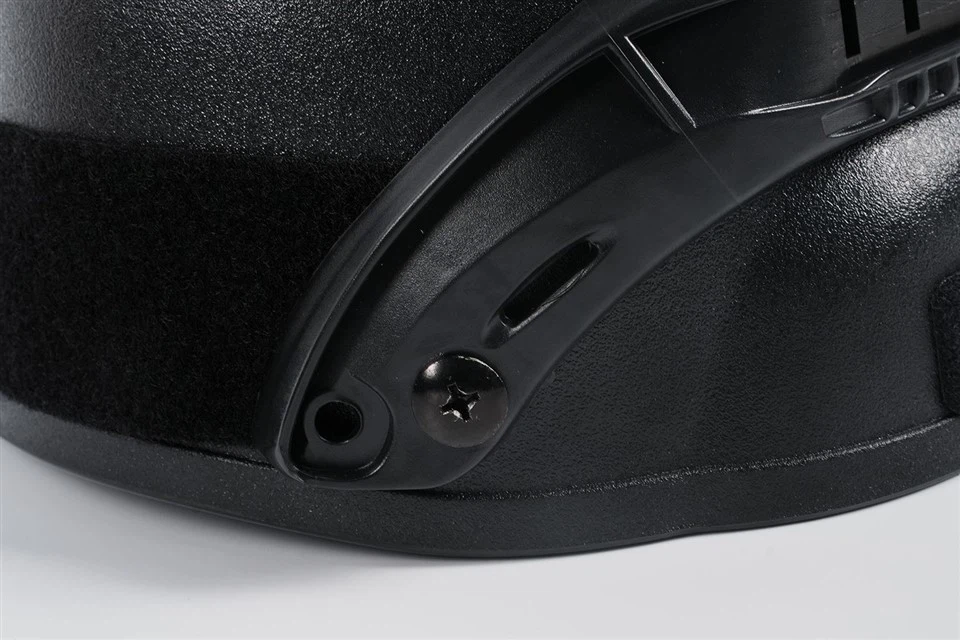
Let’s start with the first style: Lightweight Patrol Anti Riot Uniforms. These are the ones you’ll see officers wearing during routine crowd management, like at music festivals, political rallies, or small-scale protests where tensions are low to moderate. They’re not the bulky, head-to-toe suits you see in movies—they’re designed for mobility, because officers need to run, climb, and interact with people without feeling weighed down. The uniform typically includes a long-sleeved jacket and pants made from a tough, tear-resistant fabric (usually a high-density nylon or a blend with polyester) that can handle minor scrapes from rocks, sticks, or thrown debris. A lot of them have reinforced elbow and knee pads sewn in, not removable ones, so they stay in place during quick movements. They also usually have integrated hoods that cover the neck, but not the whole face—so officers can still see and communicate clearly. The best part? They’re breathable, which is a big deal in hot weather. I’ve had officers tell me they’d rather wear these heavy-duty shirts and pants all shift than switch to a regular uniform halfway through because they get so sweaty. That’s why this is one of our top-sellers in Anti Riot Gear—it’s versatile enough for day-to-day use but still reliable enough for when things take a turn.
Next up: Intermediate Riot Control Uniforms. This is the step up from lightweight patrol gear, used when tensions are higher—think protests that have turned violent, where there’s a risk of thrown rocks, bottles, or even makeshift weapons like metal poles. These uniforms add more protection that the lightweight style doesn’t have. The jacket and pants still use the same tough outer fabric, but they have removable, reinforced padding on the elbows, knees, shoulders, and torso. The padding is usually closed-cell foam or a flexible plastic that absorbs blunt force, so if someone swings a baton or throws a heavy object, the officer doesn’t get injured. Another key difference is the face and head protection: instead of just a small hood, these uniforms come with a fixed or removable face shield that covers the entire face, plus a neck guard made of the same tough fabric with extra padding. The face shield is usually polycarbonate, which is shatterproof, so it can handle thrown rocks or even small projectiles. Unlike full heavy suits, these are still somewhat breathable, but they’re bulkier. I’d say this is the workhorse for most mid-sized police departments—they don’t have to break out the full gear for every minor incident, but they have it ready when they need it. You can find these in our Riot Control Suit category, along with the full heavy versions.
Then there’s the Heavy-Duty Full Anti Riot Suit. This is the gear for the worst-case scenarios: large-scale riots, where crowds are out of control, people are throwing bricks, Molotov cocktails, or using harmful chemicals. These suits cover the entire body from head to toe, with maximum protection. The outer layer is a heavy-duty ballistic-grade fabric that’s not just tear-resistant—it’s puncture-resistant, so it can handle sharp objects like broken glass or knives. The padding is much thicker, especially on the torso, back, shoulders, and legs, to absorb the force of blunt blows. The face and head protection is also next level: a full-face polycarbonate shield that’s attached to a hard helmet, so there’s no gap for projectiles to get in. Some of these suits even have built-in chemical protection layers, so they can handle tear gas or other irritants that might be thrown. The downside? They’re heavy—like 15 to 20 pounds heavy. That means officers can’t wear them all shift, and they can’t move as quickly. They’re only used when absolutely necessary, like during major civil unrest. We don’t sell a ton of these compared to the intermediate or lightweight styles, but they’re a non-negotiable for departments that deal with frequent large-scale public disorder. If you need one for a specific deployment, our Anti Riot Suit page has all the specs, and we can customize them if you have special needs.
Wait, there’s another style I should mention: Specialized Tactical Anti Riot Uniforms. These are made for specific roles, not general patrol. For example, officers who are part of a tactical team, like those who make arrests during riots, might have uniforms tailored for that job. They’re similar to intermediate or heavy suits, but with extra features: reinforced cuffs for handcuffs, pockets for tools like zip ties or communication devices, and non-slip soles on the pants so officers don’t fall when running on uneven ground. Some also have cut-resistant layers on the arms and legs, in case someone tries to slash them with a knife or sharp object. These are less common than the general styles, but they’re super important for specialized units. If you’re looking for gear for tactical teams, check out Police Anti Riot Equipment—we carry several specialized options tailored to different tactical roles.
I should also talk about the little details that make these uniforms different from regular uniforms, because that’s what actually matters for protection. All anti riot uniforms are designed to minimize gaps—you don’t want a rock getting in between your glove and your sleeve, right? So the cuffs are elastic or have Velcro closures, the neck guards tuck into the jacket, and the face shield seals tight around the helmet. Also, none of these uniforms have loose parts that could get caught on things during a crowd surge—no long straps, no hanging pockets. That’s a big safety feature, because if something gets caught, an officer could trip or be pulled into the crowd.
Another thing I’ve learned over the years is that fit is everything. Even the best heavy suit is useless if it’s too big or too small. If a suit is too tight, it restricts movement, which is dangerous when you need to react fast. If it’s too loose, the padding doesn’t stay in place, so it can’t protect the right areas. That’s why we always recommend getting officers measured before ordering, not just guessing sizes. We offer custom fits for most of our products, because one size doesn’t fit all in anti riot gear.
Let me also address a common misconception: anti riot uniforms aren’t designed to make officers look intimidating (well, that’s a side effect, but not the main goal). The main goal is to keep them safe so they can do their job—mediating situations, arresting people, and keeping the public safe too. A lot of officers tell me they feel more confident when they’re wearing a well-fitting anti riot uniform, because they know they’re protected if things go wrong. That’s why it’s so important to have the right style for the right situation—you don’t want an officer in a lightweight patrol suit dealing with a violent riot, and you don’t want to waste money on a heavy suit for a small rally where it’s overkill.
As a supplier, I’ve seen firsthand how much of a difference the right anti riot uniform makes. Departments that invest in gear tailored to their specific needs have fewer injuries, and officers are more willing to engage in difficult situations because they feel safe. We’ve worked with hundreds of police departments, from small towns to big cities, and we’ve helped them pick the right styles for their operations. If you’re outfitting a new unit, restocking gear, or just have questions about which style is best for your needs, reach out—we’re here to help. Don’t guess when it comes to officer safety; get the right anti riot gear from people who know what they’re talking about.
Whether you need lightweight patrol uniforms for regular events, intermediate riot control gear for medium tensions, heavy-duty full suits for large-scale unrest, or specialized tactical gear for your team, we’ve got you covered. We offer durable, high-quality gear that’s tested to meet the latest safety standards, and we’re always updating our products based on feedback from officers in the field. So if you’re ready to make a procurement plan, get in touch with our team to discuss your specific requirements. We can help you compare styles, answer any questions you have about fit, safety features, or customization, and make sure you get the gear that works for your department. Stop settling for generic anti riot gear—invest in gear that keeps your officers safe, and your operations effective.
References
National Institute of Justice. (2021). "Riot Control Equipment for Law Enforcement." U.S. Department of Justice.
International Association of Chiefs of Police. (2022). "Best Practices for Anti-Riot Gear Selection and Use." IACP Publications.
Occupational Safety and Health Administration. (2020). "Personal Protective Equipment for Law Enforcement Officers." OSHA Guidelines.