If you’ve ever stood in a planning meeting for a large-scale public event, a civil unrest response drill, or a routine deployment for a high-stakes protest, you’ve likely felt the quiet weight of a single, critical question: Are we bringing the right riot equipment for the job? As a long-time police riot equipment supplier, I’ve watched teams overinvest in heavy, one-size-fits-all gear that ends up causing fatigue, limiting movement, or failing when it matters most—and I’ve seen teams underinvest, leaving officers exposed to avoidable injury. Choosing the right riot equipment isn’t just about checking a supply list; it’s a balancing act that merges threat assessment, officer comfort, operational flexibility, and long-term durability. Over the past 18 years in this space, I’ve worked with local municipal police departments, state patrol teams, and even specialized federal units to refine this process, and today I want to share the framework we use to help teams make decisions that protect their officers and get the job done.
The first step, and often the most rushed, is conducting a tailored threat assessment. Too many teams default to “standard” riot gear because it’s what they used last time, but every deployment has unique risks that shift based on location, crowd size, the presence of weapons, and even local climate. For example, a deployment at a small, peaceful demonstration where the primary risk is thrown rocks and bottles will have vastly different needs than a deployment at a large, pre-planned unrest event where officers may face blunt impact weapons, edged tools, or chemical irritant exposure. I once worked with a small-town police department in the Pacific Northwest that showed up to a 2021 protest with heavy, full-body riot suits designed for large urban deployments—only to have officers struggling to move through dense, wooded park terrain, and several reporting overheating within 90 minutes. That mistake taught me that threat assessment isn’t a one-and-done step; it’s the foundation for every other choice you make. When assessing threats, ask three core questions: What types of projectiles or weapons are officers likely to encounter? What is the duration of the deployment? What environmental factors (temperature, terrain, precipitation) will officers face? The answers to these will narrow down your gear choices dramatically.
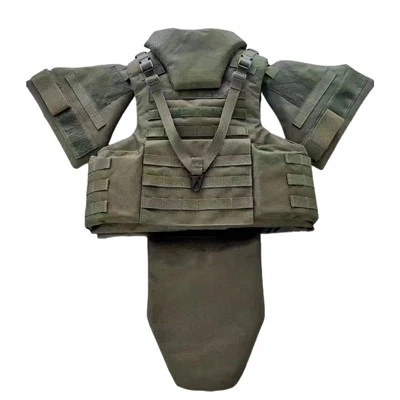
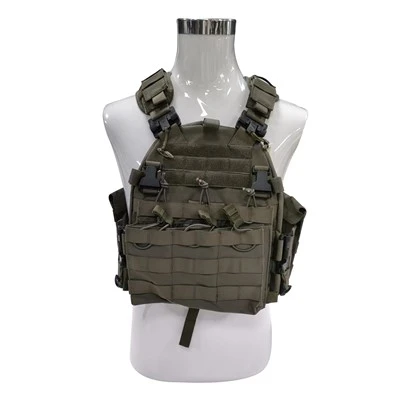
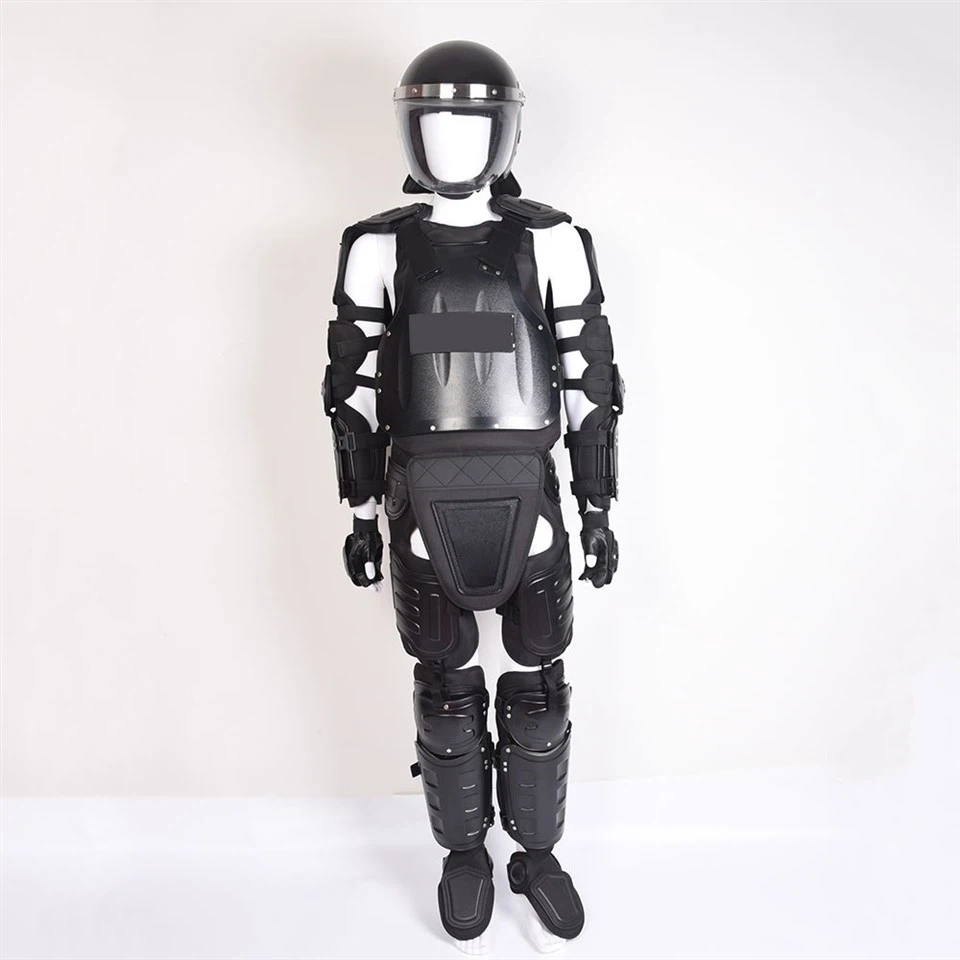
Once you have a clear picture of the threat, the next category to focus on is body protection—often the non-negotiable core of any riot deployment. The most critical piece here is a good anti riot armor, which is designed to stop blunt force trauma from thrown objects, projectiles, and even low-level impact from batons or crowd surges. Not all armor is created equal, though; look for armor rated to meet international or regional safety standards (like NIJ Standard 0101.06 for U.S. deployments, or EN 1621 for European markets) and check for key features like wide, adjustable straps to distribute weight evenly across the torso and shoulders, breathable padding to reduce heat buildup during long deployments, and coverage that extends beyond the chest and back to include the sides and upper arms for all-around protection. For most general deployments, a standalone anti riot armor paired with a properly fitting helmet will suffice, but if you’re facing higher risks, a full anti riot suit will offer additional integrated protection for the limbs, neck, and groin—areas that are often vulnerable when officers are moving through crowds or grappling. Many teams make the mistake of choosing heavier armor for minor deployments, but excess weight leads to officer fatigue after just a few hours, which can slow reaction times and increase injury risk during critical moments. For example, a 2022 study from the International Association of Chiefs of Police found that officers wearing over 45 pounds of combined riot gear were 3 times more likely to experience musculoskeletal injuries during 8-hour deployments, compared to officers wearing 25 pounds or less. That’s why balancing protection weight with threat level is so important here.
Next, you’ll want to consider functional clothing and uniforms, which go beyond just aesthetics to impact both protection and officer performance. An anti riot uniform isn’t your standard patrol uniform; it’s designed with durable, tear-resistant fabric (usually 1000D Cordura or similar heavy-duty material) that can resist cuts from edged tools, abrasions from rough surfaces, and exposure to chemical irritant residue without tearing. Look for uniforms with reinforced seams, adjustable cuffs and waistbands to ensure a snug, non-restrictive fit, and moisture-wicking lining to keep officers dry during prolonged wear in hot or rainy conditions. For teams operating in cooler climates, some anti riot uniform models even include removable thermal liners that can be added or removed based on temperature, adding another layer of flexibility. It’s also important to choose uniforms that are easy to clean and decontaminate after deployments—chemical irritant residue can permanently stain and degrade fabric over time, so uniforms that can be pressure-washed or treated with specialized decontamination solutions will last much longer than those that can’t. I once had a team of officers from a Southern California sheriff’s department tell me that investing in high-quality anti riot uniforms saved them thousands of dollars in replacement costs; their old uniforms were tearing after just 3 deployments, while the newer ones were still in good condition after 12 deployments of varying intensity.
Helmets are another often-overlooked but critical piece of riot equipment, and there’s a lot to consider here beyond just basic protection. A good riot helmet needs to stop blunt force to the head, resist penetration from projectiles, and be comfortable enough to wear for extended periods. Look for helmets with adjustable chin straps that fit securely without pinching, ventilation ports to reduce heat buildup, and a face shield that is shatter-resistant (polycarbonate is the standard here) and wide enough to provide full peripheral vision—limited vision is a major safety risk for officers navigating crowded, dynamic environments. Some helmets also come with built-in communication mounts, which can be a huge benefit for teams that need to stay in constant radio contact during deployments. When testing helmets, have officers wear them for 15 to 20 minutes at a time to check for pressure points around the neck, ears, and forehead; a helmet that causes discomfort even during short trials will lead to officers adjusting it repeatedly during deployments, which can take their focus off their surroundings.
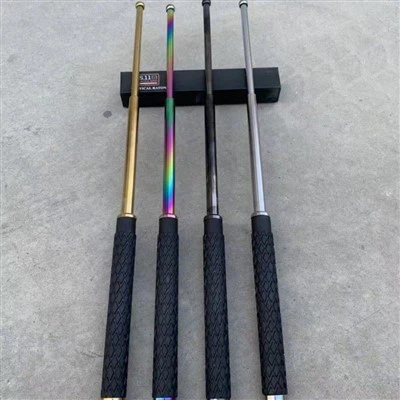
After the core protective gear, you’ll want to round out your setup with equipment that supports officer mobility and situational awareness. Gloves are a must—look for heavy-duty, cut-resistant gloves that also provide grip for holding batons, shields, or other tools. Boots are another key piece; riot boots should be non-slip, waterproof, and have reinforced toes and soles to protect against debris and heavy objects on the ground. For teams operating in areas with heavy vegetation or uneven terrain, boots with ankle support can prevent sprains and other injuries during movement through crowds or wooded areas. Shields are also a common tool for crowd management, and there are a variety of sizes and types to choose from: long, rectangular shields for forming lines and pushing through crowds, smaller round shields for individual protection, and curved shields that offer better coverage for officers working in tight spaces. When choosing shields, look for ones made from lightweight, shatter-resistant polycarbonate that is easy to carry and maneuver, with adjustable arm straps that distribute weight evenly.
One thing I always emphasize to teams is that purchasing riot equipment is an investment, not an expense. Cutting corners on low-quality gear might save you money upfront, but it can lead to higher costs in the long run from replacement, injuries, and downtime. That’s why it’s important to look for equipment from reputable suppliers that offer warranties and after-sales support; a good supplier will stand behind their gear, and will also be able to help you tailor your setup to your specific needs, instead of pushing a one-size-fits-all package. As someone who has worked with police departments of all sizes, I’ve seen firsthand that the best riot equipment setups aren’t the most expensive ones—they’re the ones that balance protection, comfort, functionality, and cost-effectiveness for that specific team and their typical deployments.
If you’re a department looking to update your riot equipment or build a setup from scratch, our team is here to help you work through each step of the process. We offer a full range of police anti riot equipment, from individual pieces like anti riot armor and anti riot uniforms to complete turnkey kits for teams of any size. We also provide free threat assessment consultations, so we can help you identify exactly what your team needs based on your typical deployments, climate, and officer feedback. No two departments are the same, and we don’t believe in pushing a generic, off-the-shelf solution—we work with you to build a setup that keeps your officers safe and operational when it matters most. Whether you’re a small town department preparing for a local event, or a large urban department responding to regular deployments, we have the expertise and the gear to meet your needs.

If you have questions about your current setup, want to request more information about specific gear like anti riot armor, anti riot suits, or riot suits, or would like to schedule a consultation to discuss your next equipment purchase, reach out to our team today to start the conversation. Together, we can make sure you have the right gear for every mission.
References
International Association of Chiefs of Police. (2022). Riot Equipment Performance and Officer Safety in Crowd Management Deployments.
European Committee for Standardization. (2020). EN 1621: Protective Clothing for Professionals—Riot Control Equipment.
U.S. National Institute of Justice. (2021). Best Practices for Selecting and Maintaining Riot Control Equipment for Law Enforcement.