Hey there! As a supplier of Anti Riot Suits, I've been asked a ton of questions over the years. One that comes up pretty often is, "Does wearing an anti riot suit restrict movement?" Well, let's dive right into this topic and see what's what.
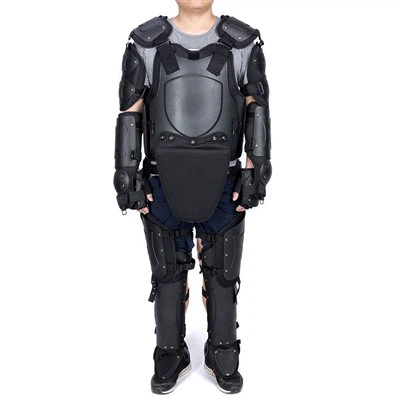
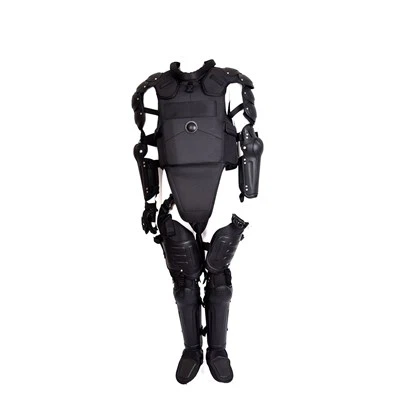
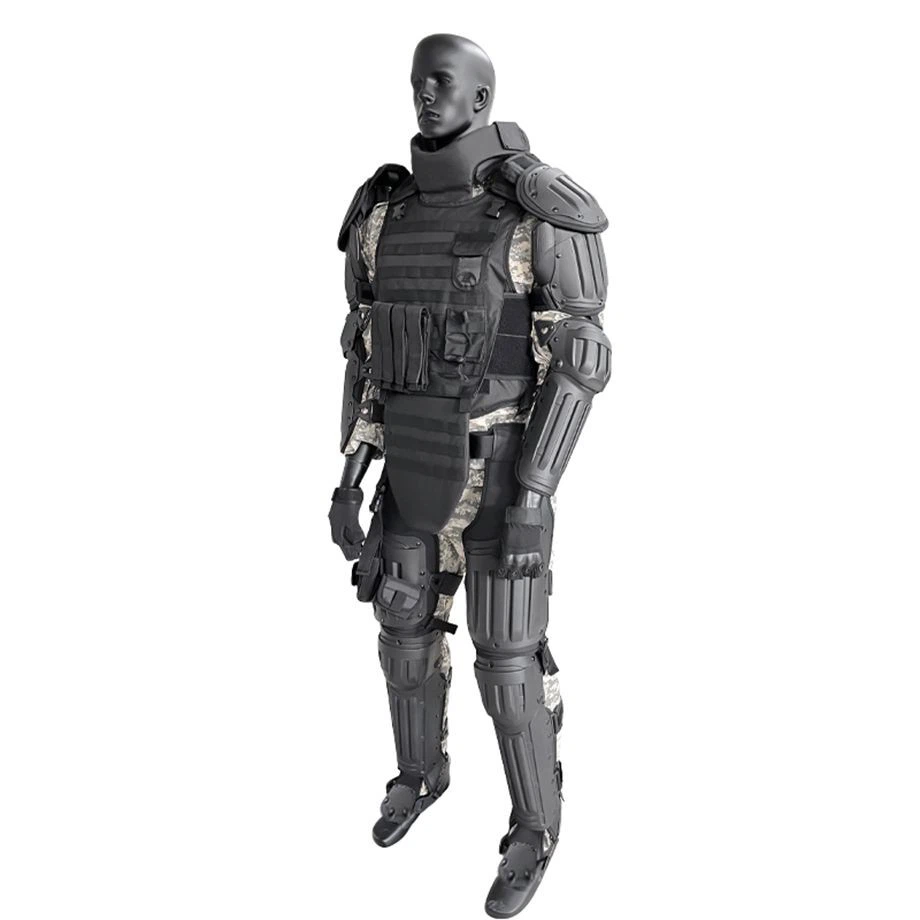
First off, let's understand what an anti riot suit is all about. An Anti Riot Suit is designed to protect law - enforcement officers and security personnel in high - risk situations, like riots or protests that turn violent. It's a piece of Police Anti Riot Equipment that's made to withstand impacts from objects, like stones and bottles, and protect against scratches and cuts.
Now, the big question: does it restrict movement? The short answer is, it can, but it doesn't have to be a deal - breaker.
The design of an anti riot suit has evolved a lot over the years. Older models were bulkier and less flexible. They were basically big, heavy pieces of armor that covered the officer from head to toe. The materials used back then weren't very stretchy, so when an officer tried to move quickly, bend, or run, it was like trying to dance in a straight - jacket. You could do it, but it was really tough and your movements were definitely restricted.
But things have changed. Modern anti riot suits are made with a focus on both protection and mobility. Manufacturers, including us, use advanced materials that are lightweight and flexible. For example, some parts of the suit are made from high - strength polymers that can absorb a lot of impact but are still thin and bendable. The joints of the suit, like the elbows and knees, are designed to allow a full range of motion. You can think of it as a high - tech version of a medieval knight's armor, but way more comfortable and easier to move in.
Let's break down the different parts of an anti riot suit and how they affect movement.
Helmet
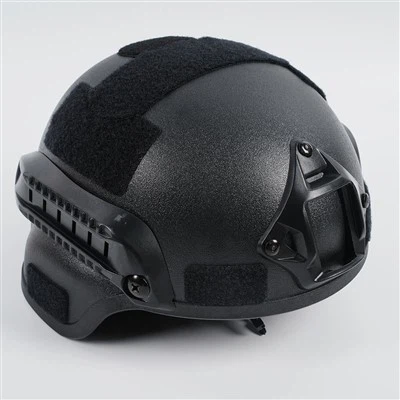
The helmet is a crucial part of the Police Riot Equipment. It protects the head from blunt force trauma and flying debris. Older helmets were heavy and had a limited field of vision. This made it hard for officers to look around quickly and could throw off their balance when they moved. But today's helmets are designed with lightweight materials and a better shape. They have visors that don't obstruct the view too much, and they're balanced well on the head. So, while it's still an extra weight on your head, it doesn't restrict your movement as much as it used to.
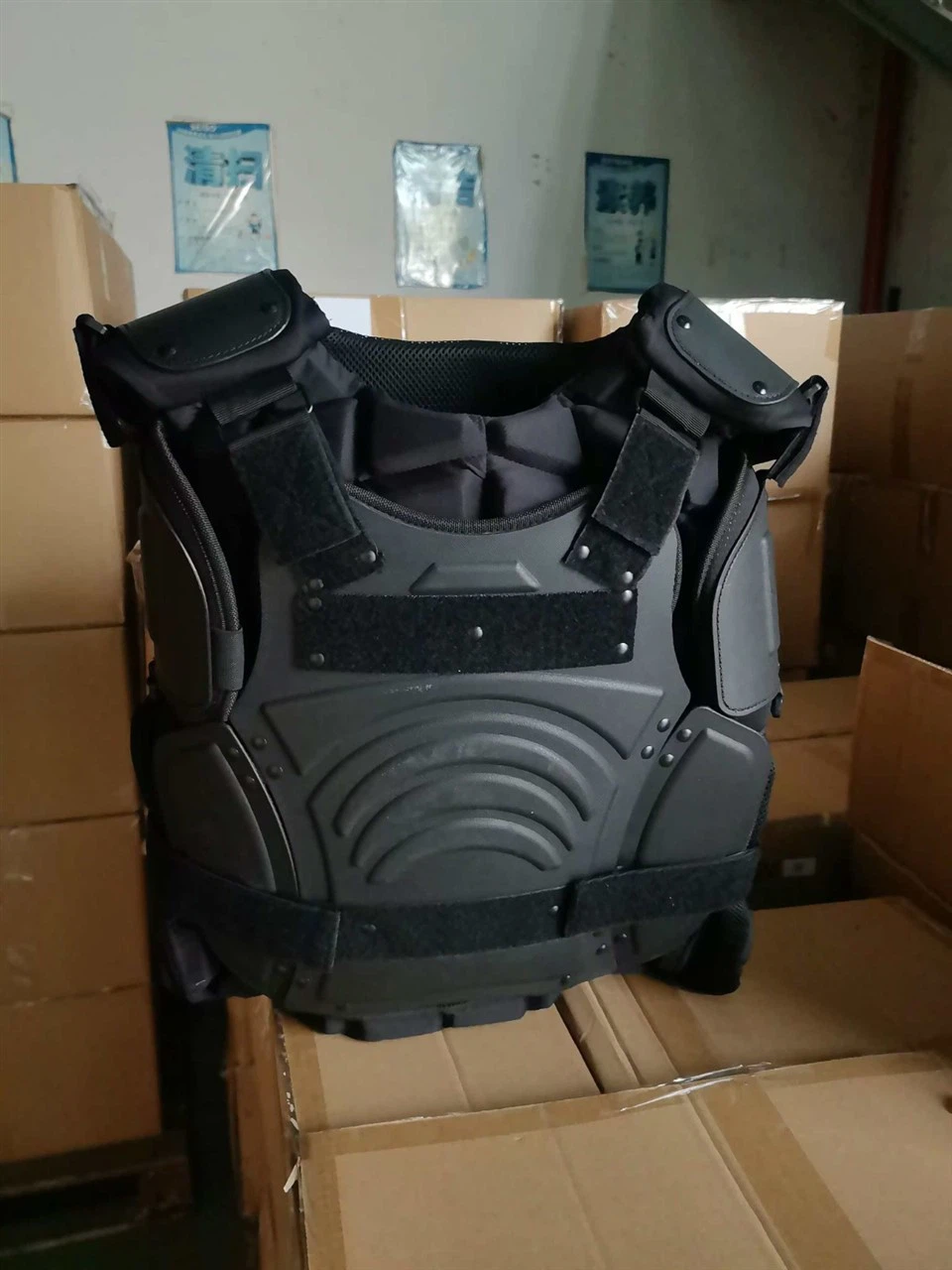
Chest and Back Protectors
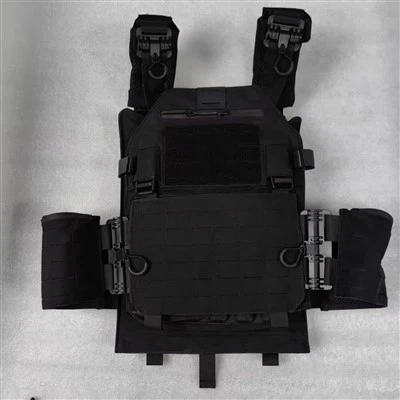
These parts are meant to protect the vital organs. In the past, they were thick and rigid plates. Officers had a hard time bending forward, backward, or even just breathing deeply. Now, modern chest and back protectors are modular. They're made up of smaller, flexible pieces that can move with your body. This allows for a more natural range of movement, whether you're running, crouching, or reaching for something.
Arm and Leg Guards
Arm and leg guards are important for protecting against strikes and cuts. The old - fashioned ones were like solid tubes that made it difficult to bend your elbows and knees. Newer designs use a combination of hard and soft materials. The hard parts are strategically placed to protect the most vulnerable areas, like the shins and forearms. Meanwhile, the soft parts in between allow for easy movement. You can still swing your arms and run without feeling like you're carrying a ton of bricks.
Gloves and Boots
Gloves are essential for gripping batons and other equipment, and boots need to support the officer's weight and allow for quick movement. Older gloves were thick and bulky, making it hard to grab things. Now, there are gloves with reinforced palms and fingers that are still flexible enough to handle objects. The boots are also designed better. They have good ankle support but are still lightweight and flexible, so you can run, jump, and turn sharply.
However, it's important to note that even with all these improvements, wearing an anti riot suit will always add some level of resistance. You're still wearing extra weight, and it takes a bit of getting used to. When an officer first puts on a suit, they might feel a little clumsy. But with training, they can learn to move effectively in it. For example, special physical training programs can help officers build the strength and coordination needed to move comfortably in the suit.
Let's talk about some real - world scenarios. In a riot situation, officers need to be able to move quickly to contain the crowd, make arrests, and protect themselves and others. A suit that restricts movement too much can be a liability. That's why we, as suppliers, work hard to ensure that our Police Riot Suit provides the right balance of protection and mobility.
In a scenario where officers need to run short distances to catch a suspect, a modern anti riot suit shouldn't slow them down significantly. The flexible design allows for a natural running gait, and the lightweight materials mean that the extra weight doesn't drag them down. And when it comes to close - quarters combat, officers can still throw punches and block attacks thanks to the flexible joints in the suit.
If you're in the market for an Riot Control Suit, you're probably wondering how to choose one that won't restrict movement too much. Here are a few things to look for:
- Materials: Opt for suits made from lightweight and flexible materials. Check the product specifications to see what kind of polymers or fabrics are used.
- Design: Look for a modular design with joints that allow for a full range of motion. The suit should fit well, not too loose or too tight.
- Comfort: Try on the suit if possible. Pay attention to how it feels when you move your arms, legs, and torso. If it feels constricting, it might not be the right one for you.
In conclusion, while wearing an anti riot suit does add some level of restriction to movement, modern designs have come a long way in minimizing this issue. The focus on using advanced materials and ergonomic design means that officers can still be effective in high - pressure situations.
If you're interested in learning more about our anti riot suits or want to discuss a potential purchase, feel free to get in touch. We're here to answer any questions you have and help you find the best suit for your needs.
References
- "Advanced Materials in Protective Equipment" - Journal of Law Enforcement Gear
- "The Evolution of Anti - Riot Suits: A Case Study" - Police Tactics Review