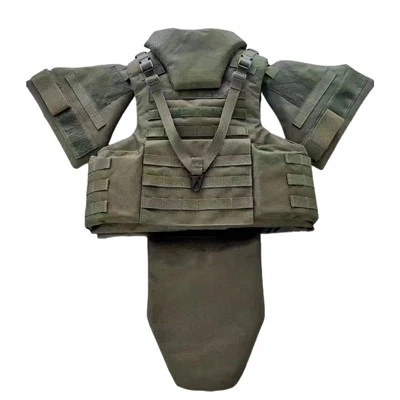
If you’ve ever walked past a law enforcement equipment trade show or scrolled through public safety supply catalogs, you might picture riot gear as nothing more than bulky, uniform armor reserved for the chaos of a street riot. As a supplier who’s spent 12 years building, testing, and delivering this equipment, I’ve lost count of how many times customers have asked: Can riot gear actually be used in other situations besides riots? The short answer is yes—far more than most people realize. Riot gear isn’t designed for one specific “riot” scenario; it’s built to solve a set of common, high-risk problems that emergency responders, workers, and even private citizens face every day. Over the years, we’ve supplied our gear to everything from disaster response teams to industrial safety crews, and each use case has only reinforced how versatile these tools can be when you look past the label.
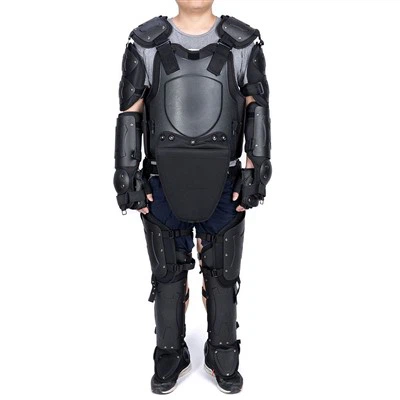
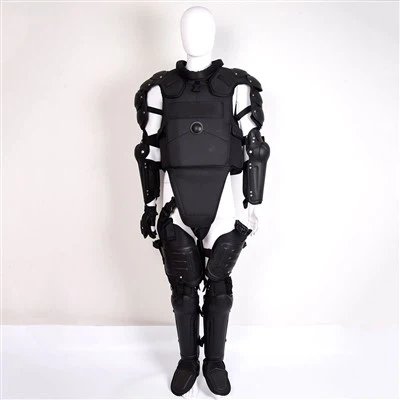
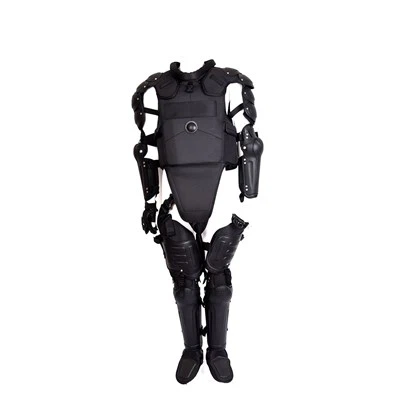
To start, let’s ground this in what riot gear actually is, beyond the stereotype. At its core, riot gear is a system of protective equipment engineered to stop blunt force trauma, chemical irritants, and projectiles—risks that exist in dozens of scenarios unrelated to large-scale civil unrest. The most recognizable pieces, like the anti riot vest, are built with reinforced materials, adjustable straps, and layered padding that can deflect punches, thrown objects, and even the milder effects of tear gas or pepper spray. Our anti riot vest, for example, isn’t just for rioters or police facing unruly crowds; it’s also a go-to for teams that work in volatile, low-violence environments where small, dangerous objects are a constant threat.
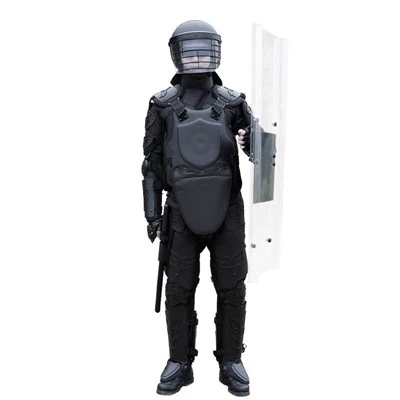
Take crowd management at large public events, for instance. If you’ve attended a sold-out music festival, a professional sports playoff, or a presidential inauguration, you’ve probably seen officers wearing gear that looks very much like riot gear, even if there’s no riot in progress. Large crowds can turn volatile in seconds: a single fan rushing a stage, a scuffle over a ticket, or a stampede during a panic can lead to people being pushed, punched, or struck with bottles, metal objects, or even trampled underfoot. In these moments, standard patrol uniforms offer little protection against blunt force or accidental injury. That’s where riot control gear comes in. Our riot control suit, which includes a chest protector, arm pads, and a hard-shell helmet, is designed to absorb the impact of thrown objects and prevent cuts or bruising when officers are separated from unruly crowd members. Unlike heavier, specialized ballistic gear used in active shooter situations, this riot control suit is lightweight enough to wear for 12-hour shifts, comfortable enough for warm weather, and flexible enough to let officers maneuver through tight spaces. We’ve even supplied this gear to event security teams for college football championship games, where the crowd size and energy can create dangerous conditions that fall short of a full riot.
Another unexpected use case is disaster response. When a natural disaster like a hurricane, earthquake, or tornado hits, first responders often work in environments where debris, broken glass, sharp metal, and falling objects are constant threats. Post-disaster scenes are chaotic, and there’s often a lack of structure to keep people safe—rescue workers might have to climb over rubble, move through collapsed buildings, or help evacuate people from damaged homes, all while being pelted by falling insulation, broken roofing materials, or flying tree branches. Standard work gloves and lightweight coveralls offer almost no protection here. This is where the utility of riot gear starts to overlap with emergency response needs. Our anti riot uniform, for example, has reinforced elbow and shoulder pads, a high-density chest panel, and flame-resistant fabric that can withstand temporary exposure to heat and sparks from downed power lines. During Hurricane Ian in 2022, we supplied anti riot uniforms and anti riot vests to FEMA’s Urban Search and Rescue (USAR) teams working in Florida, where debris left by the storm was responsible for 30% of minor injuries to rescue workers in the first week after the storm. The USAR team reported that the gear not only prevented cuts and bruising but also gave workers the confidence to move quickly through unstable structures without fear of small, falling debris. Even the multi curved ballistic plate, a component often added to anti riot vests, has found a home in disaster response: it can stop small flying projectiles like nail fragments, wood shards, or even broken glass from windows, which are common in collapsed buildings.
Industrial settings, particularly those involving high-risk work, are another area where riot gear fills gaps left by standard personal protective equipment (PPE). Think of industrial facilities like steel mills, construction sites, or chemical processing plants, where workers are exposed to heavy machinery, falling objects, and occasional volatile chemical exposure. Many of these facilities rely on standard hard hats, safety glasses, and Kevlar vests, but those products are designed for one specific risk and don’t address combined hazards. For example, a steel mill worker might be at risk of both being struck by a hot metal fragment and being exposed to mild chemical splashes from cleaning agents. Our police anti riot equipment, which includes chemical-resistant face shields and chemical-resistant liners for vests, is designed to handle exactly that combination of risks. We’ve supplied anti riot vests with chemical-resistant liners to construction workers tasked with demolishing old buildings that contain lead paint and asbestos, where falling debris and chemical dust are both present. The anti riot vest’s layered construction can deflect heavy debris, while the chemical liner prevents dust and small splashes from searing through the fabric and irritating the skin. In 2021, a large construction company in Texas started using our riot control suits for its demolition crews, reporting a 40% drop in minor injuries from cuts and chemical irritation compared to the standard safety gear they’d used previously. This isn’t just a one-off: many industrial safety regulations now recognize that multi-hazard environments require gear that can protect against more than one risk, and riot gear’s design makes it a cost-effective alternative to buying multiple specialized pieces of PPE.
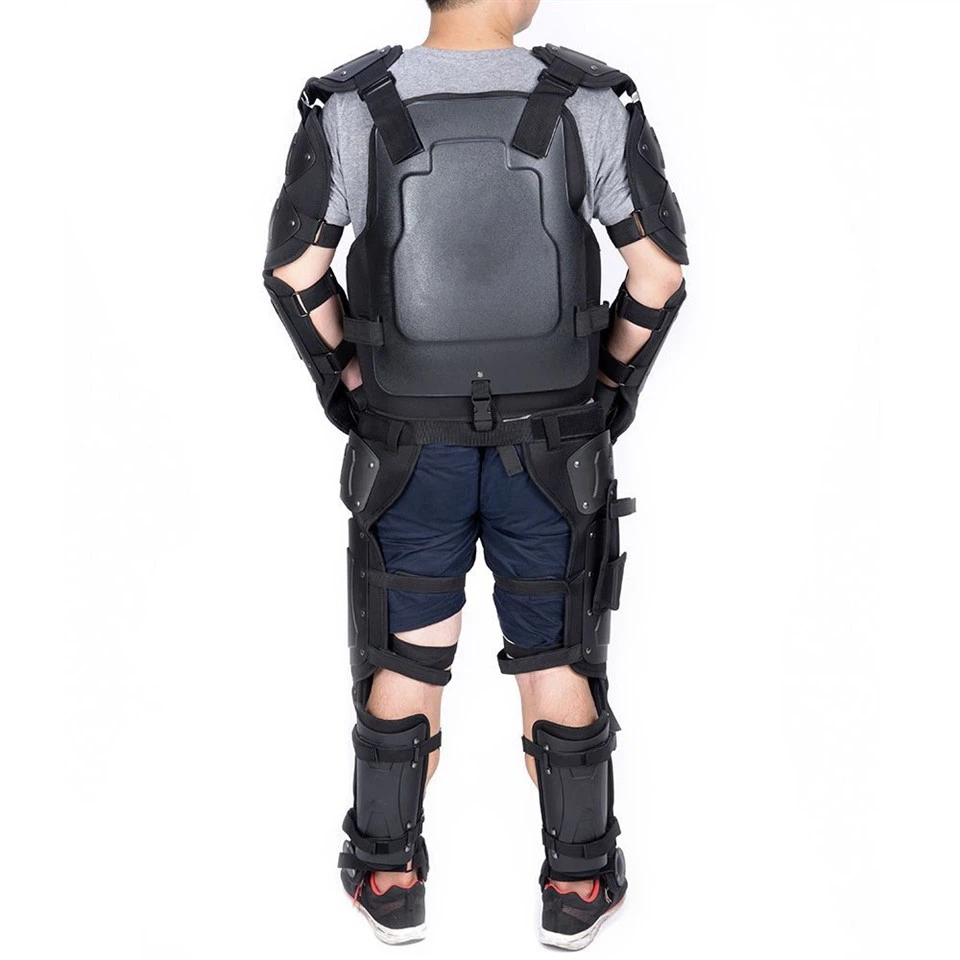
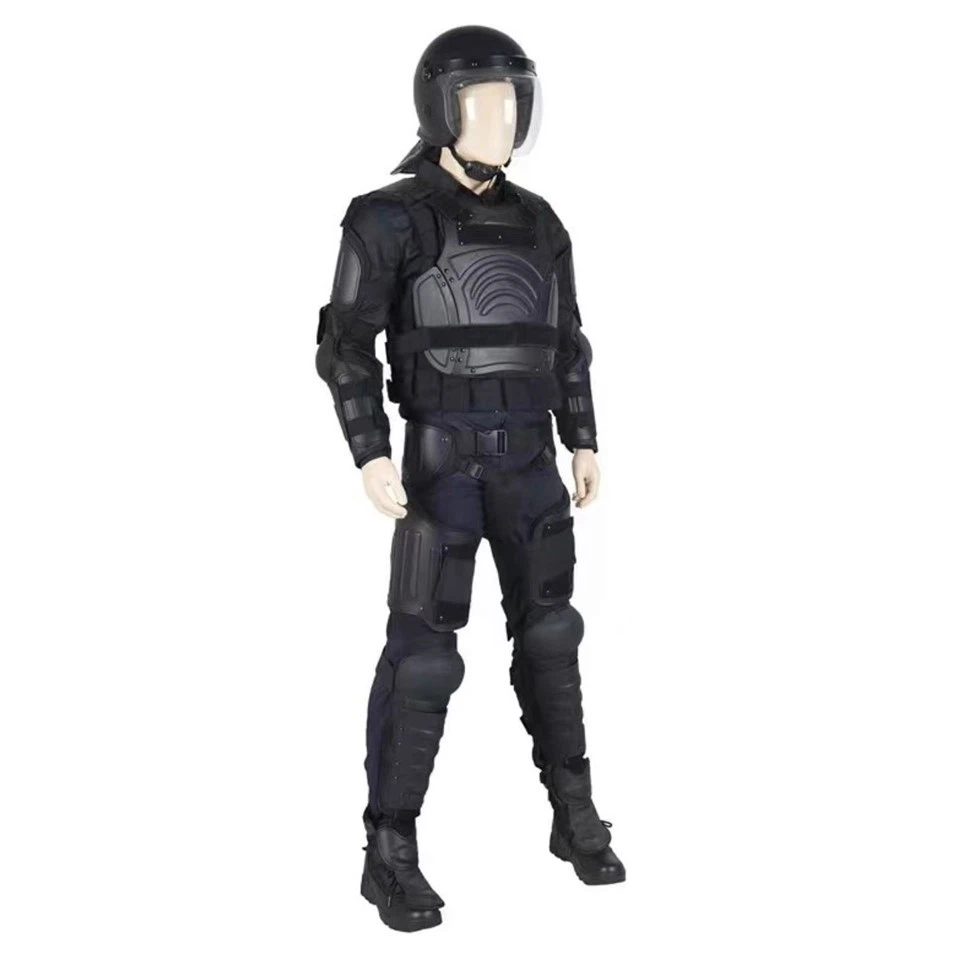
Private security in high-risk settings is another underdiscussed use case. Security teams working at things like high-profile corporate events, celebrity residences, or diplomatic missions often operate in environments where they could be faced with physical threats, thrown objects, or attempts to breach a perimeter, without the authorization to use lethal force. Standard security shirts and vests don’t offer enough protection against blunt force, and specialized ballistic vests can be too heavy and formal for low-intensity security roles. Our anti riot uniform, with its comfortable, professional cut and hidden reinforced panels, is designed to blend in with standard business attire while still offering protection against punches and thrown objects. The anti riot vest, when paired with a multi curved ballistic plate, can stop small projectiles like knives or glass shards, which are common in security breaches at public events. We’ve had clients who work as private security for tech company executives use our gear, noting that it allows them to move discreetly in a crowd while still being protected from potential attacks. One client told us last year that he was able to block a thrown water bottle aimed at an executive during a public rally, and that the anti riot vest’s padding prevented him from being bruised or distracted, allowing him to move the executive to safety without missing a beat.
Of course, it’s important to be clear: riot gear is not a replacement for specialized ballistic gear, nor is it designed for scenarios where lethal force is a risk. Its strength lies in its ability to handle the middle ground—situations where there’s enough risk to require protection, but not enough to justify heavier, more specialized equipment. That’s why so many of our customers, from law enforcement to industrial teams, come back to us for gear that’s versatile enough to adapt to different needs. If you’re a public safety director, an industrial safety manager, or a private security lead looking for equipment that can protect against a range of common, high-risk hazards, we can help you find the right gear for your needs. Don’t hesitate to reach out to discuss your specific use case, whether you’re looking for lightweight anti riot vests for event security, durable riot control suits for disaster response, or chemical-resistant anti riot uniforms for industrial teams.
References
- U.S. Department of Homeland Security. (2020). Urban Search and Rescue Equipment Standards. Retrieved from dhs.gov/fema/urban-search-rescue
- Occupational Safety and Health Administration (OSHA). (2021). Personal Protective Equipment for Multi-Hazard Work Environments. Retrieved from osha.gov/ports-and-multi-hazard-safety
- International Association of Chiefs of Police (IACP). (2022). Non-Lethal Protective Gear for Crowd Management. Retrieved from theiacp.org/gear-safety