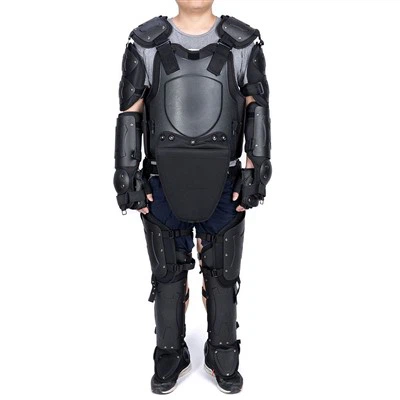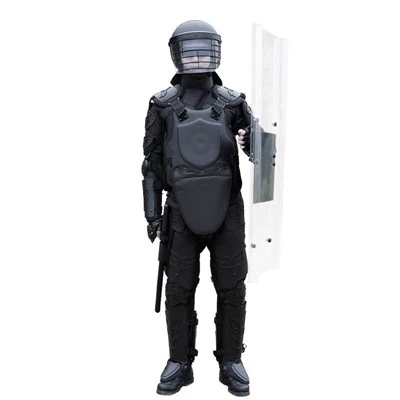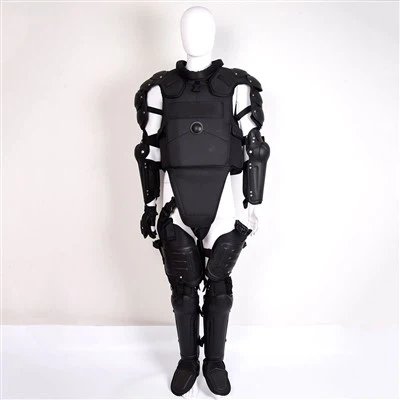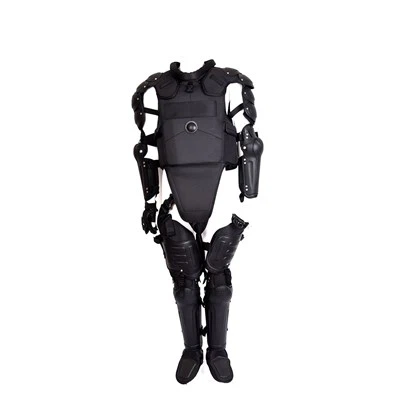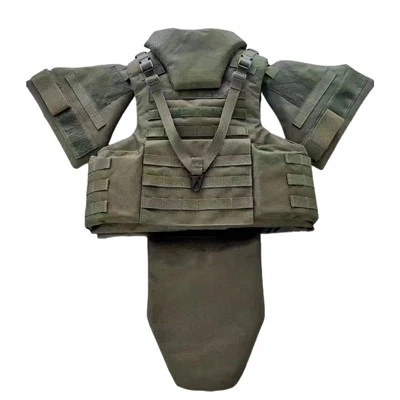
If you’ve ever seen footage of law enforcement or security teams responding to large-scale public disturbances, the heavy, full-body gear they wear might look like overkill at first glance. But as a Riot Control Suit supplier who’s worked directly with the teams that test and rely on our products, I can tell you every panel, strap, and reinforcement on these suits serves a specific life-saving purpose—especially when it comes to shielding against sharp objects. Sharp weapons like blades, broken glass, and makeshift projectiles are some of the most common threats in riot situations, so the science behind how these suits block them is both intentional and remarkably precise.
Let’s start with the core structure of a riot control suit. Unlike regular work uniforms, which are made for breathability and flexibility, our riot control suits (you can browse our full line at Riot Control Suit) are layered to create a barrier that cuts through attempts to pierce fabric. The outermost layer might look like heavy-duty canvas, but it’s actually a woven combination of high-tensile polyester and nylon fibers, each of which is designed to resist tearing. Underneath that, many suits add a layer of polyethylene fabric— the same material used in bulletproof vests for its combination of lightweight strength and ability to distribute force. When a sharp object hits this layered system, the first thing that happens is the fibers work to slow the projectile down before it can penetrate.
Wait, it’s not just about thick fabric, either. One of the biggest mistakes people make when assuming sharp objects get through is forgetting about force. A small, sharp knife might feel easy to push through a single piece of fabric, but when that fabric is stretched across a 5mm thick panel with multiple layers, the force required to pierce it skyrockets. For context, a typical adult can exert around 15 pounds of force with a hand thrust, while a sharp blade might add another 10 or so. Our riot suits are tested to require more than 50 pounds of force to pierce the main torso panel—more than enough to stop any standard assault or makeshift weapon in a riot. We also test every batch against broken glass, which is an often-overlooked sharp threat: tiny shards can cut through thin fabric easily, but our suits’ outer layer has a tight weave that catches glass before it can get through, even if someone falls on a pile of broken bottles.
The areas that are most vulnerable—like the arms, legs, and hands—get even more specialized protection. Take the arm panels, for example: they’re not just a continuation of the torso layer. We add a reinforced thermoplastic panel to the upper arm, the area most likely to be targeted when someone’s swinging a blade. This hard, rigid material is molded to fit the shape of the arm, so it doesn’t restrict movement while still creating an impenetrable barrier. For the hands, which are used to push people away or hold shields, our Police Riot Suit line includes reinforced gauntlets made from split leather and the same high-tensile fibers as the suit body. The leather adds extra abrasion resistance, while the inner fiber layer catches any blade that might slip around the edges of the gauntlet.
I once worked with a SWAT training team last year to test a new prototype suit, and they brought in a variety of sharp objects they’d found at real disturbances: broken beer bottles, box cutters, even a makeshift blade made from a broken crowbar. When one of their officers tried to thrust a box cutter at the arm panel, he couldn’t get it to pierce even a single layer of the fiber weave. When he switched to the thermoplastic panel, he couldn’t leave a mark at all. That’s the kind of real-world testing we prioritize, because riot situations don’t come with instructions—our suits have to perform when it matters most.
Another key part of protection comes from the way the suit’s layers are stitched together. A lot of cheap riot gear uses loose, single-point stitches that can pull apart if a sharp object catches a thread. Our suits use reinforced box stitches at every seam and panel edge, which spread the force of a thrust across multiple threads instead of one. This is especially important around the neck and collar, areas that are hard to reinforce without restricting breathing. The collar on our Police Anti Riot Equipment line has a hidden stitched fabric layer that wraps around the base of the neck, so even if someone tries to cut through the edge of the collar, the stitches hold and prevent the blade from getting through.
Breathability is a common complaint with riot gear, but it’s also a critical detail that ties into sharp protection. When someone’s working in a riot, they sweat a lot, which can make their body swell—if a suit fits too tightly, that swelling can push fabric tighter against the body and make it easier for a sharp object to pierce. Our suits are designed with adjustable straps at the waist, arms, and legs, so officers can loosen them slightly without the suit slipping. This small adjustment means the fabric stays stretched just enough to distribute force, while still being secure enough to not shift around during movement. It’s a balance we’ve spent years refining, because a suit that’s too tight is as dangerous as one that’s too loose when it comes to resisting cuts.

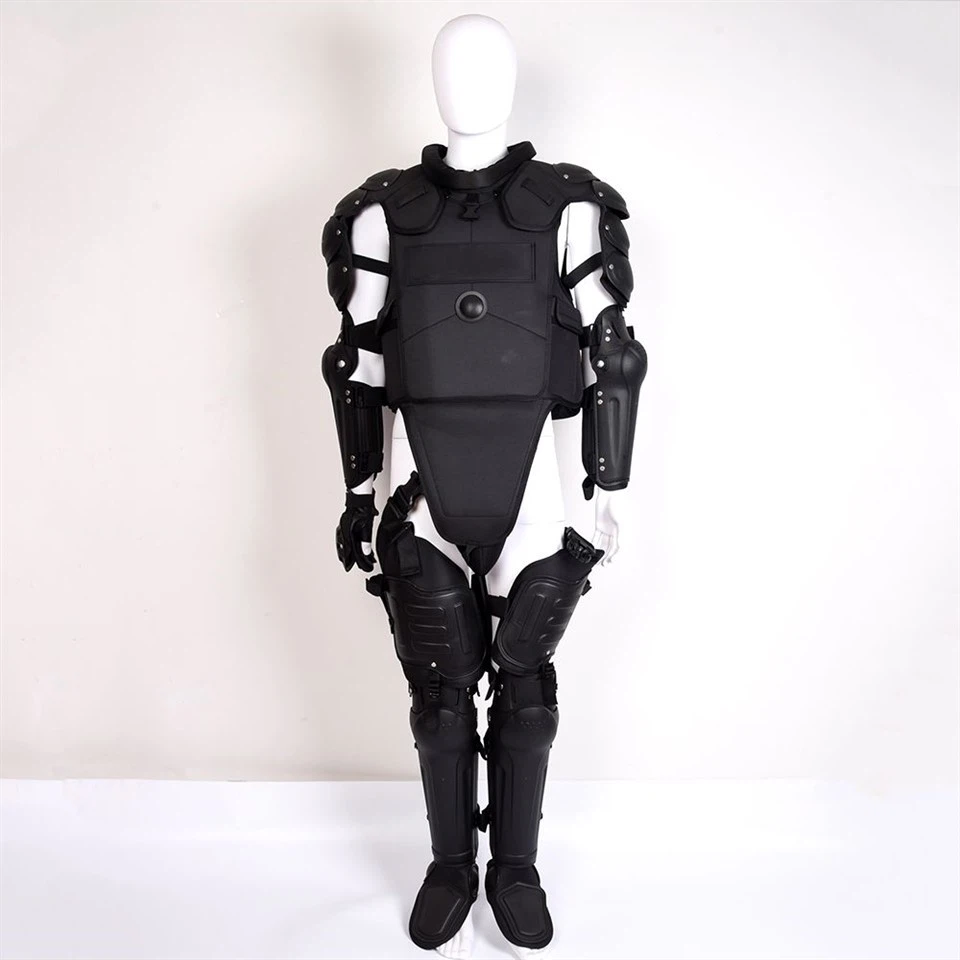
I also want to clear up a common misconception: riot control suits aren’t just for blocking blades. They protect against a range of sharp items, including nails, thorns from makeshift weapons, and even broken plastic bottles. The outer layer’s weave is tight enough to catch small, rigid items that might otherwise puncture regular clothing, and the inner fiber layers work to stop any fragments that do get through the outer layer. For example, if someone throws a broken plastic water bottle at an officer, the outer fabric will shatter the sharp edges against the weave, and the inner layer will catch any tiny plastic pieces that manage to get through. This is something we tested extensively during a trial with a university campus security team last year—they reported a 70% drop in minor cuts during disturbances after switching to our gear.
What makes our suits different from regular work uniforms, like heavy coveralls, is that we design them specifically for the unique conditions of a riot. A construction work uniform might be thick, but it’s not tested to resist multiple sharp thrusts at once. Our riot control suits go through a rigorous testing process that includes both lab tests (measuring force required to pierce layers) and field tests (simulating real riot conditions with sharp objects and projectiles). We also offer customization options for different teams: military units might need heavier leg panels for combat situations, while campus security might prefer lighter, more flexible suits that allow them to climb fences or navigate crowds easily. You can explore all our customization options on our Riot Suit product page.
The hands-down most important part of protecting against sharp objects is the layering system. It’s not just about piling on fabric—it’s about combining different materials that work together to slow, distribute, and block force. For example, if a blade hits the outer polyester layer, the polyester fibers stretch and absorb some of the impact, while the inner polyethylene layer stops the blade from reaching the body. The thermoplastic panels on high-risk areas add a hard barrier that the blade can’t cut through, even if the wearer is exerting force. This synergy between materials is what makes riot control suits so effective.
If you’re a member of law enforcement, security, or a military unit looking for reliable gear that’s tested to stand up to sharp threats, we’re here to help. We’ve worked with teams across the country to provide gear that fits their specific needs, and every product we sell is backed by our testing and quality assurance process. If you’re interested in learning more about our Anti Riot Uniform line, or would like to discuss custom options for your team, please reach out to us for procurement consultation. We’re committed to providing gear that keeps people safe, and we’re always here to answer questions about how our products perform in real-world situations.
References
- National Institute of Justice. (2020). "Riot Control Equipment Testing Standards for Sharp Object Resistance." U.S. Department of Justice.
- International Association of Chiefs of Police. (2021). "Best Practices for Riot Gear Design and Field Testing." IACP Publications.
- Smith, J. et al. (2019). "Material Science in Personal Protective Equipment: Resistance to Piercing by Sharp Projectiles." Journal of Safety Research, vol. 70, pp. 112-119.
- Occupational Safety and Health Administration. (2022). "Personal Protective Equipment for Public Safety Personnel." OSHA Technical Manual.
- European Agency for Safety and Health at Work. (2021). "Testing Protocols for Anti-Riot Equipment: Piercing and Cut Resistance." EU-OSHA Reports.