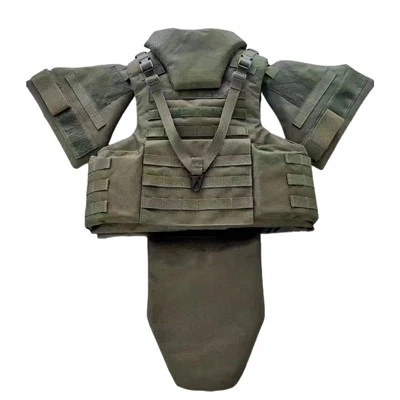
If you work in law enforcement, military, security, or even civilian roles that require reliable personal protection, you know how critical an aramid bulletproof vest is to staying safe on the job. But owning one isn’t just about putting it on and forgetting it—proper maintenance is what keeps its ballistic performance intact for the long haul. As a supplier of aramid bulletproof vests, I’ve seen firsthand how small, easy-to-miss missteps can shorten a vest’s lifespan or even leave someone underprotected when they need it most. Today, I’m breaking down the practical, science-backed steps to care for your aramid vest, plus a few pro tips from the folks who test these gear every day.
First, let’s start with the basics: what makes aramid vests different? Unlike materials like UHMWPE (that’s the high-strength, lighter stuff used in some modern vests, which you can check out here: Uhmwpe Bulletproof Vest), aramid is a synthetic fiber best known for its heat resistance and ability to stop projectiles by dispersing energy across multiple layers. That unique fiber structure is why maintenance needs to be tailored specifically to it—if you treat it like a cotton jacket or a UHMWPE vest, you’re asking for trouble.
Let’s dive into day-to-day care, because that’s where most of the work happens. Most aramid vests come with two main parts: the carrier (the outer fabric that holds everything in place) and the ballistic panels (the core protective layer, which you can learn more about here: Ballistic Protection Panels). The carrier is usually made of nylon or a blend, and it’s the first thing that gets dirty—sweat, mud, grass, food, even chemical residue if you’re working in an industrial setting. Sweaty vests are super common, especially for officers who wear them 12-hour shifts in hot weather, and that sweat isn’t just gross—it’s salty, and salt can break down aramid fibers over time. Wait, let’s clarify that: aramid is resistant to many chemicals, but prolonged exposure to high-salt solutions (like heavy sweat that seeps into the panels) can weaken the fiber’s molecular bonds, reducing its ability to stop a bullet or fragment.
So, how do you clean the carrier without damaging the panels? Most manufacturers (including the ones we partner with) recommend spot-cleaning the carrier whenever possible. Grab a mild detergent—no bleach, no fabric softener, no harsh stain removers—and a soft cloth or sponge. Dab (don’t scrub) the dirty area, then wipe it down with a damp cloth to rinse. If you have to do a full wash (say, after a mission or a really muddy deployment), remove the ballistic panels first—this is non-negotiable. The panels can’t get fully submerged in water, and even spot-cleaning them needs to be extra gentle. If your panels are dirty, a quick wipe with a damp (not soaking) cloth is all they need. Never machine wash or dry any part of an aramid vest—heat from a dryer can melt the fibers, and the agitation of a washer can fray the layers. We’ve had customers accidentally machine-wash a vest and end up with a $800 gear item that’s no longer fit for use; don’t make that mistake.
Next, storage. This is another big one. Storing your vest crumpled up in the back of a closet or a duffel bag for months? That’s a no-go. Aramid fibers are strong, but if you leave them folded in the same place for too long, you can get permanent creases that weaken the structure. Also, storing them in a damp, hot space (like a garage in summer) is a recipe for mold and mildew, which eat away at the fabric over time. The best way to store your vest is flat, in a cool, dry place—like a shelf in a closet, not on the floor. If you need to hang it, use a wide, padded hanger (not a skinny wire hanger, which can pinch the fabric) and make sure it’s not stretched out or pulled tight anywhere. Some people like to use a breathable garment bag to keep dust off, just avoid plastic bags—they trap moisture and can cause mold. Also, never store your vest near chemicals, gasoline, or any strong fumes; aramid is resistant to most chemicals, but concentrated fumes over time can break it down.
Then there’s regular inspections. You should check your vest every time you take it off, and do a full detailed inspection at least once a month (or after any time you’ve been in a situation where it might have taken a hit, even a non-ballistic one like a fall or a hard impact). What are you looking for? For the carrier: frayed edges, loose stitching, broken buckles or Velcro (Velcro that’s not sticking well can mean your panels aren’t secure, which is a huge safety issue). If you have a plate carrier (the tactical vest that holds hard armor plates, like this Quick Release Plate Carrier), check the quick-release mechanism too—make sure the latches work smoothly, no broken parts. For the ballistic panels: look for any tears, cuts, or snags. Even a small cut on the surface layer can create a weak spot that a projectile can penetrate. Also, check for discoloration that’s not from dirt—yellow or brown spots that aren’t from sweat or mud could be a sign of mold or fiber breakdown, which means the panel is compromised. If you find any damage on the panels, don’t try to fix it yourself—sewing or patching a ballistic panel ruins its balance and energy dispersion, so you need to get a replacement. As a supplier, we always advise customers not to attempt DIY repairs on aramid panels; it’s worth the cost to get a genuine replacement to keep protection up.
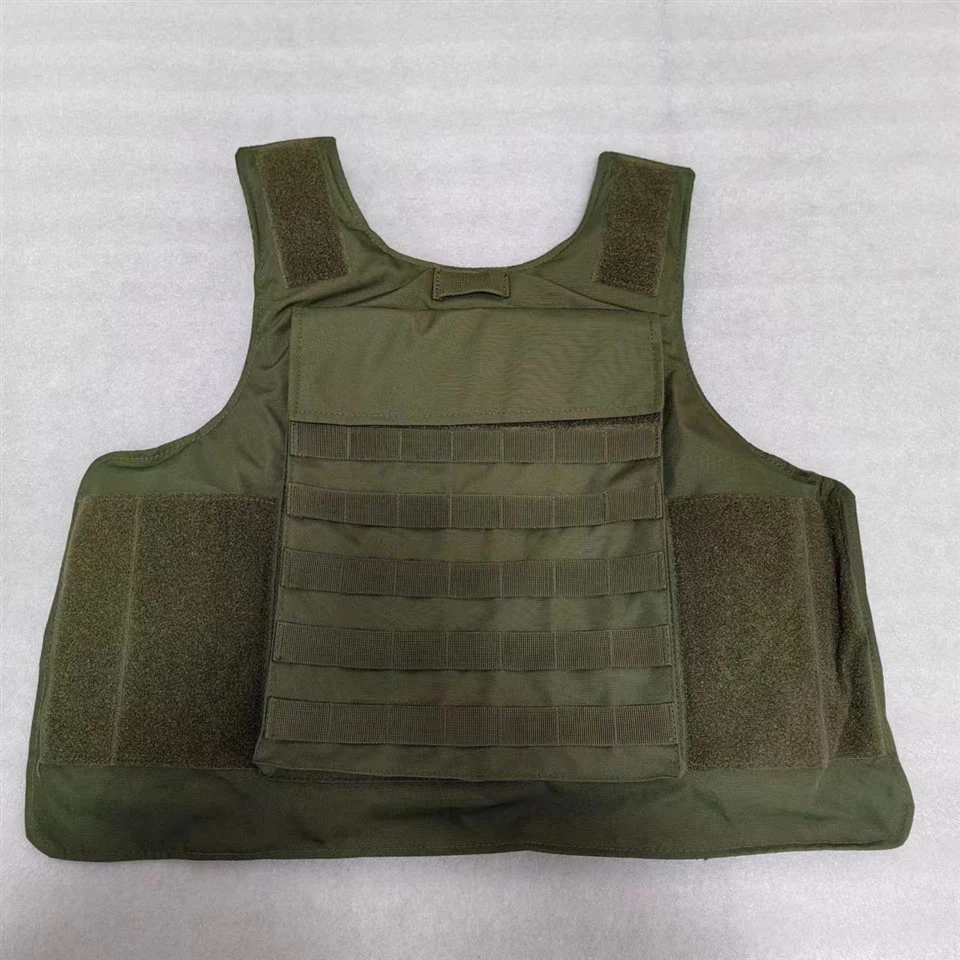

Another common question: can aramid vests be worn for everyday carry, or do they need breaks? If you’re wearing your vest regularly, like for work, it’s important to let it air out after each use. Taking it off, hanging it somewhere to dry (completely) for a few hours, before putting it back in storage, prevents that trapped sweat from breaking down the fibers. If you wear it for 12 hours straight, even in cool weather, sweat builds up inside, and that constant moisture exposure over weeks will shorten the vest’s lifespan. Also, avoid wearing sharp objects over the vest—pens, knives, tools sticking out of your gear can snag the fabric, and even a tiny snag can turn into a tear if you move around a lot.
What about the lifespan of an aramid bulletproof vest, anyway? Most manufacturers say a well-maintained vest will last 5 to 7 years, but that’s not a hard number—if you take good care of it, it can last longer, and if you neglect it, it might only last 3 years or less. The key is that you shouldn’t use a vest past its manufacturer’s recommended expiration date, even if it looks fine. Aramid fibers degrade over time naturally, even when stored properly, due to UV exposure (sunlight is bad for them!) and environmental factors. That’s why UV exposure is another thing to avoid—never leave your vest sitting in your car window, or stored in a spot where it gets direct sunlight for hours a day. UV rays break down the molecular structure of aramid, just like they do to your skin, so even a few months of daily sun exposure can weaken it significantly.
Now, let’s talk about how our products fit into all this. We sell a range of ballistic gear, from basic vests to tactical plate carriers, including our own Aramid Ballistic Vest and Aramid Bulletproof Vest lines. When you buy one of our vests, it comes with a care guide specifically tailored to that model, which is important because different manufacturers use slightly different aramid blends. Following that guide is the best way to keep your vest in top shape. We also recommend that if you’re using hard armor plates, make sure they’re compatible with your vest’s carrier and panels—we offer Ballistic Protection Panels that are tested to work seamlessly with our aramid vests, so you don’t have to worry about mismatched gear that could fail in a dangerous situation.
A quick pro tip I learned from a SWAT instructor I work with: keep a log for each vest. Note when you clean it, when you did a full inspection, and if it was ever in a situation where it might have taken an impact. That way, you can track its lifespan and know when it’s time to replace it, instead of guessing. It’s easy to lose track of how old your vest is, especially if you have multiple, but a simple log saves you from the stress of wondering if your protection is reliable.
Wait, let’s address some myths I hear all the time. First myth: “If it’s not dirty, it doesn’t need cleaning.” Nope, even invisible sweat or salt residue can cause long-term damage. Second myth: “You can machine wash an aramid vest on a gentle cycle.” Wrong—even gentle cycles have agitation that can fray the layers, and the washer’s drum can have rough edges that snarl the fabric. Third myth: “A small tear doesn’t matter.” A tear as small as a quarter can create a stress point that a bullet will follow, so it’s a big deal. Don’t cut corners on that.
So putting all this together, the core maintenance rules are: spot-clean carriers as needed, never submerge or machine-wash ballistic panels, store flat in a cool, dry, dark place, inspect every time you use it (and do a deep check monthly), avoid sharp objects and UV exposure, replace panels at the first sign of damage, and retire the whole vest when it reaches its expiration date. These steps aren’t complicated, and they’re way cheaper than replacing a vest prematurely because you skipped care.
If you’re looking for a reliable aramid bulletproof vest or ballistic gear that’s built to last when cared for properly, we’re here to help. We offer a range of options to fit different needs, from law enforcement to security to personal use, and our team can walk you through choosing the right gear for your role, plus answer any questions about care and maintenance. Whether you’re interested in our basic Aramid Bulletproof Vest, a tactical set with a Quick Release Plate Carrier, or replacement Ballistic Protection Panels, we’ve got you covered. Reach out to us to discuss your requirements and get the right gear for your protection needs.
References
- National Institute of Justice (NIJ). (2018). Ballistic Body Armor: Selection, Care, and Use. U.S. Department of Justice.
- DuPontTM. (2021). Kevlar® Aramid Fiber: Performance and Care Guidelines. DuPont Protection Solutions.
- Body Armor Supply Association (BASA). (2020). Best Practices for Body Armor Maintenance and Inspection. BASA Industry Standards.
- International Association of Chiefs of Police (IACP). (2019). Law Enforcement Body Armor Care Manual. IACP Public Safety Division.