Hey there! As a supplier of Police Riot Equipment, I've seen firsthand how different parts of this gear play crucial roles in maintaining law and order during riot situations. In this blog, I'm gonna break down the functions of various pieces of police riot equipment.
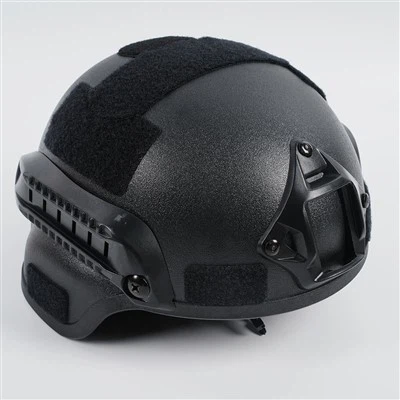
Let's kick things off with helmets. Police riot helmets are like the ultimate head protectors. They're designed to shield officers from all kinds of stuff that might be thrown their way, like rocks, bottles, or even debris from damaged structures. These helmets usually have a visor too. The visor is a great addition as it protects the officer's face and eyes from projectiles, chemicals like tear - gas splashes, and also from any flying shrapnel. It's made of a strong, transparent material that can withstand impacts without shattering easily.
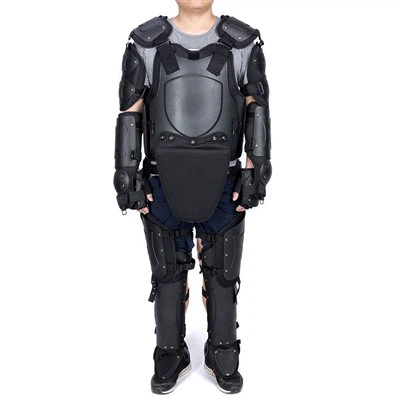
Next up, we've got body armor. There are different types, like the Anti Riot Armor. This armor is mainly for protecting the torso area. It can absorb and distribute the force of impacts, whether it's from a baton strike, a thrown object, or a collision. The plates inside the armor are made of high - strength materials that can stop low - velocity projectiles and reduce the risk of serious injury to vital organs.
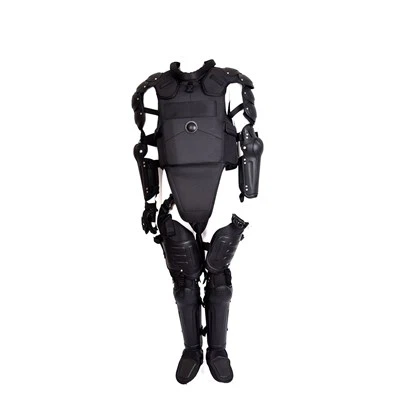
Then there's the Riot Suit. A riot suit is a comprehensive piece of equipment that covers the whole body. It's made of thick, durable fabric and often has reinforced padding in key areas like the shoulders, elbows, knees, and thighs. The suit not only protects against physical blows but also offers some resistance to scratches and cuts. It gives officers a sense of confidence, knowing that they're covered from head to toe.
Now, talking about Anti Riot Gear, this is a broad term that includes many items. One important part is the shields. Shields come in different shapes and sizes. Handheld shields are used by officers to protect themselves while advancing or standing in a perimeter. They can block thrown objects and provide a barrier against direct attacks. Some shields are even designed to be used in formation, with officers standing side by side to create an impenetrable wall.
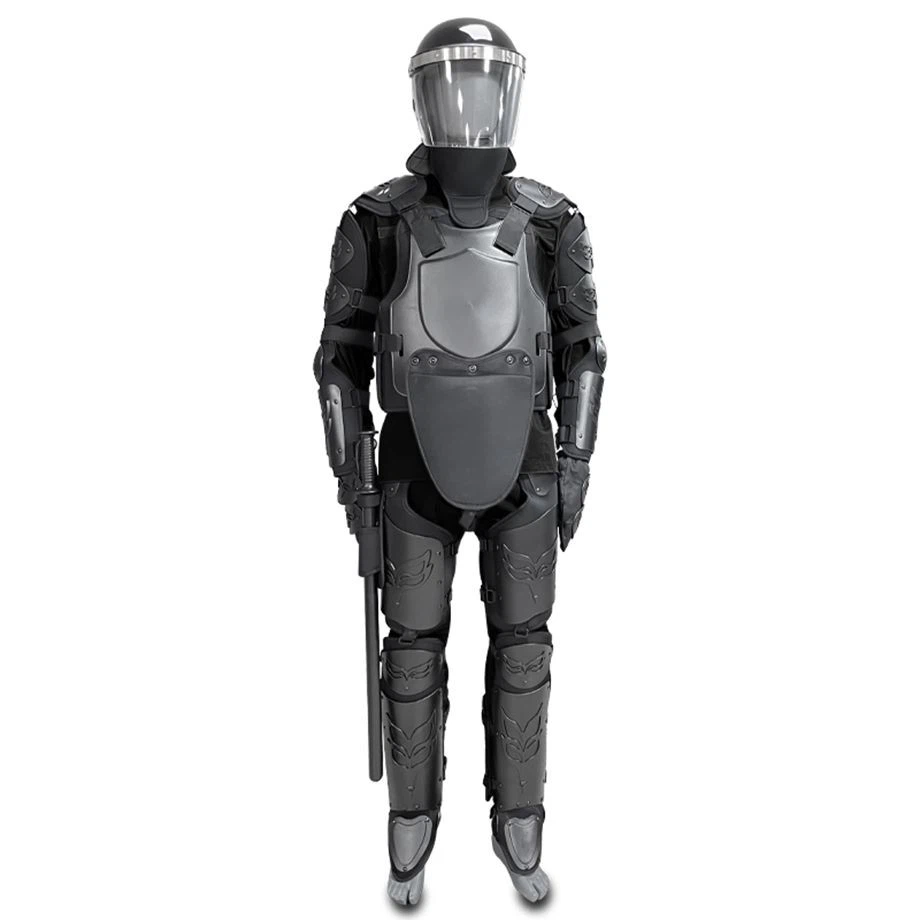
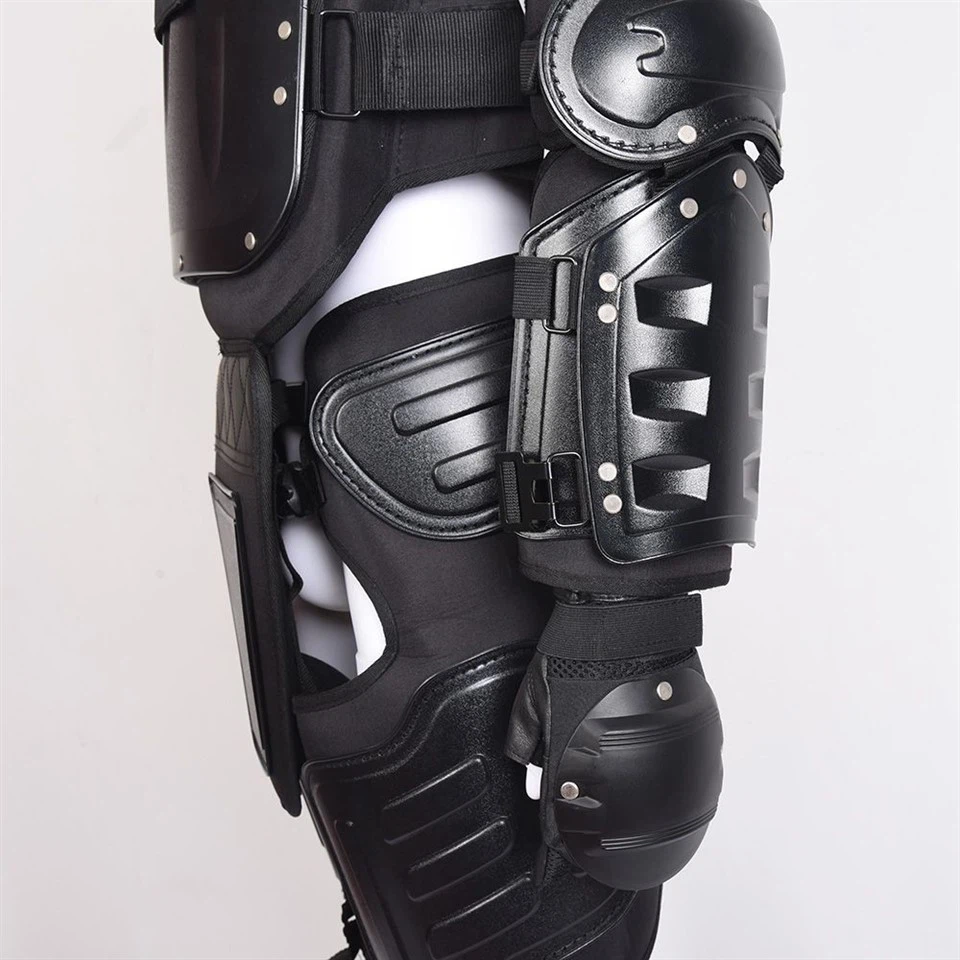
Moving on to the legs and feet, there are leg protectors and riot boots. Leg protectors, often made of hard plastic or metal, are strapped to the shins. They protect against kicks, strikes from batons, and any sharp objects on the ground. Riot boots are heavy - duty and have a thick sole. They provide good ankle support, which is essential when officers are running, pushing, or standing in difficult terrains during a riot. The boots are also designed to be water - resistant and have a non - slip sole to prevent officers from slipping on wet or slippery surfaces.
Let's not forget about gloves. Riot gloves are thick and have a good grip. They protect the hands from cuts, abrasions, and impacts. When officers are using batons or other equipment, these gloves ensure that they can hold on firmly without getting hurt.
The Riot Jacket is another important piece. It's usually worn over the body armor. The jacket has multiple pockets where officers can keep essential items like handcuffs, radios, and first - aid kits. It also provides an extra layer of padding and protection, especially around the upper body and arms.
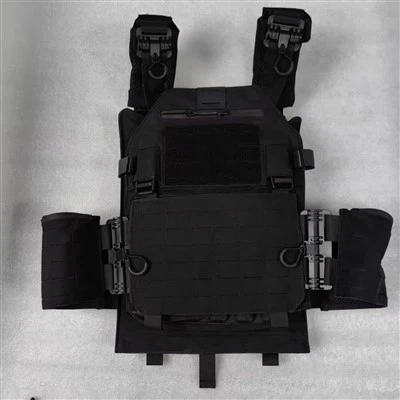
And then we have the Anti Riot Vest. This vest is similar to body armor but is more flexible. It can be adjusted to fit different body sizes and shapes. It offers protection to the chest and back, and some vests also have side panels for additional coverage. The anti - riot vest is lightweight enough to allow officers to move freely while still providing a good level of protection.
Communication equipment is also a vital part of police riot gear. Radios are used to keep officers connected with each other and with their command center. In a chaotic riot situation, clear communication is key to coordinating actions, sharing information about the situation on the ground, and ensuring that all officers are aware of any changes in the plan.
Now, let's talk about the importance of all these pieces working together. When officers are equipped with the right gear, they can perform their duties more effectively. For example, the helmets and visors protect their heads and faces, allowing them to focus on the task at hand. The body armor and vests protect their vital organs, so they can engage in physical confrontations with less fear of serious injury. The shields and riot suits create a physical barrier that helps maintain control of the situation. And the communication equipment keeps everyone on the same page.
As a supplier of Police Riot Equipment, I understand how important it is to have high - quality gear. We work hard to source products that meet strict safety standards and are designed to withstand the rigors of riot situations. Our goal is to provide officers with the best equipment possible so they can do their jobs safely and efficiently.
If you're in the market for police riot equipment, whether you're a law enforcement agency, a security firm, or an organization that needs to be prepared for potential crowd control situations, we'd love to talk to you. We can offer you a wide range of products, expert advice, and competitive pricing. Feel free to reach out and start a conversation about your specific needs.
References:
- Professional literature on police equipment safety standards
- Industry reports on the development of riot gear