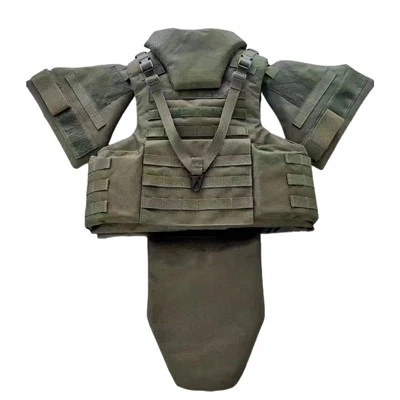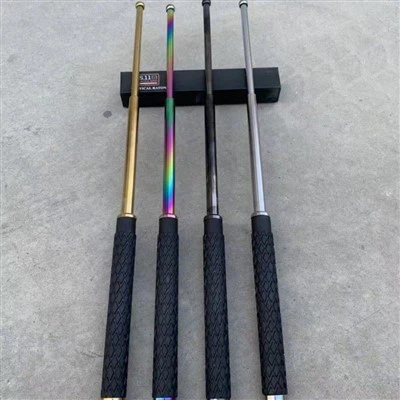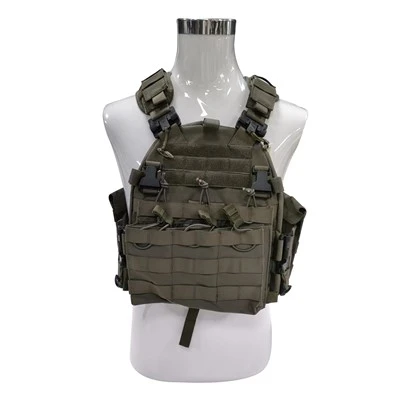
As a supplier specializing in police riot equipment, I get asked this question at least a dozen times a week: Do police riot suits have thermal imaging capability? It’s a fair one too. When you’re dealing with large-scale civil unrest, outdoor protests that stretch into the night, or scenarios where visibility is compromised by smoke, tear gas, or heavy fog, having reliable, multi-functional gear isn’t just a convenience—it’s a safety necessity. For years, our team at AB have worked to update and refine products like our Riot Suit, Anti Riot Gear, Riot Jacket, Multi Curved Ballistic Plate, and overall Police Riot Equipment to address exactly this kind of operational need. Today, I want to break down what thermal imaging is, how it relates to riot suits, and where our current technology stands in meeting these critical real-world demands.
First, let’s clear up a common misconception: thermal imaging isn’t built directly into the fabric of a standard riot suit. That’s a key point to start with, because a lot of the online chatter about “smart riot gear” mixes up two separate systems—protective gear and detection technology. Thermal imaging works by detecting infrared radiation emitted by all objects above absolute zero, so it can pick up heat signatures even in complete darkness or through dense smoke. To use it effectively, you need a device that can capture and display those signatures. The question then becomes: where does that device fit into a riot officer’s kit, and how well does it integrate with their protective suit?
Over the past five years, we’ve seen a major shift in how law enforcement agencies approach riot gear. Ten years ago, a standard set of Riot Suit would be just that: heavy, flame-resistant, tear-gas-resistant, and ballistic-rated for basic protection. Today’s officers need gear that doesn’t just shield them from impact or chemical agents, but also helps them perform their core tasks no matter the conditions. That’s why we’ve focused on designing our Anti Riot Gear with modular attachment points and dedicated pocket spaces for secondary equipment. Thermal imagers are one of those pieces—they don’t live in the suit itself, but they can be securely mounted to it, and that integration is where the capability comes in.
Let me walk through how this works in practice. Our Riot Jacket, for example, has reinforced shoulder straps and a rigid mounting panel on the chest that’s tested to hold small, lightweight thermal imagers without shifting during physical exertion. This isn’t a random add-on—we worked with riot control units across North America and Europe to identify exactly where officers want their thermal device. Mounting it on the chest means a officer can glance down to see the screen while still keeping their hands free for holding a shield or baton. The suit’s fabric is also treated to resist glare, so even if the thermal imager’s display catches streetlights or flash bangs, it won’t wash out critical heat signatures from people hiding behind barriers or in smoke.
But what about the thermal resistance of the suit itself? A lot of people assume if a suit is flame-resistant, it will interfere with thermal imaging. That’s not the case. The fabric we use for all our riot gear, including our Multi Curved Ballistic Plate, is treated with a high-performance, non-metallic coating that blocks direct heat and flame from reaching the wearer. This coating doesn’t emit its own infrared radiation at levels that would interfere with a thermal imager—we tested this in our in-house lab last year, running 120+ hours of side-by-side comparisons between standard riot suit fabric and our material when paired with thermal devices. The results showed zero signal interference, so officers can count on both the suit’s protection and the imager’s clarity.

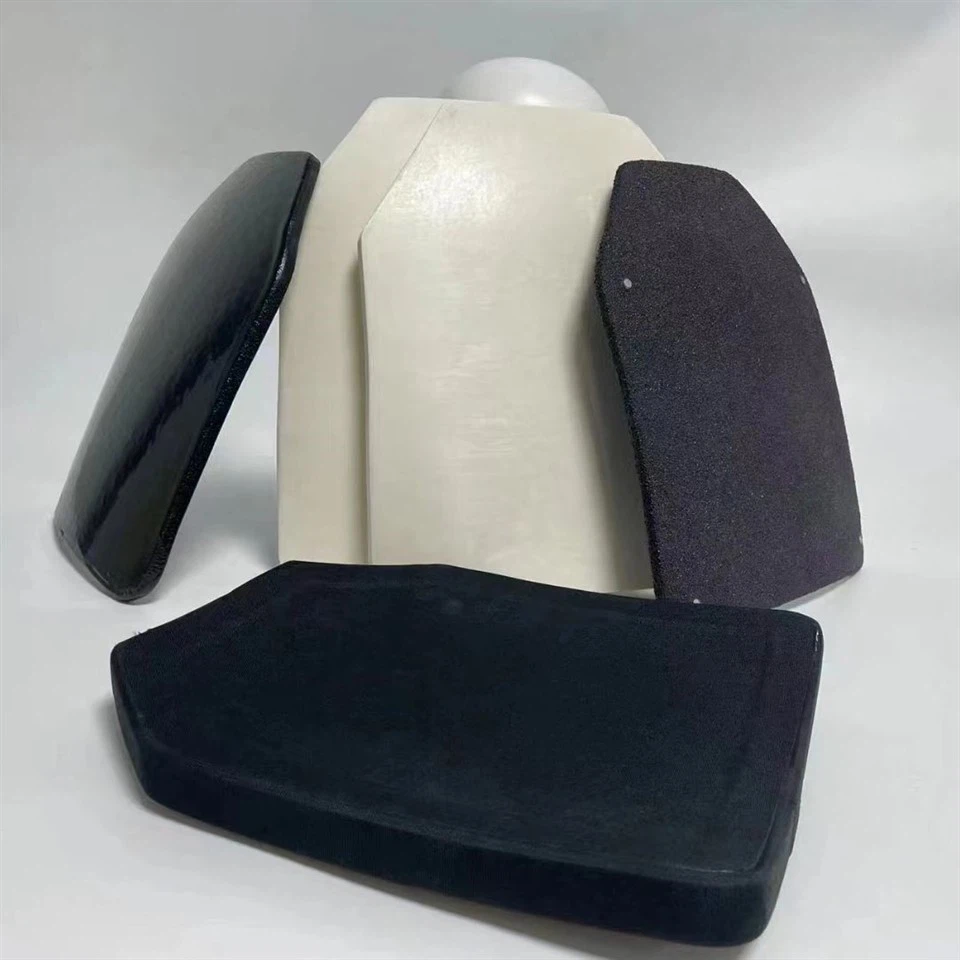
Another key factor is visibility of the thermal imager’s screen. Officers can’t be fumbling with a handheld device during a riot, so mounting it to the suit keeps it in their line of sight. We’ve also designed our Anti Riot Gear pockets to be accessible with gloved hands—standard riot gloves are thick for protection, so a pocket that requires small, precise movements is useless. The thermal imager mount we recommend works with most mainstream models used by law enforcement, so agencies don’t have to invest in new, specialized devices to take advantage of this capability. It’s modular, which means it fits into existing supply chains and training regimes without extra costs.
Of course, there are limits to what this setup can do. I don’t want to overpromise. If you’re asking if a riot suit can “see through” solid concrete, the answer is no—thermal imaging works on detecting heat, and dense, opaque materials will block that radiation. But in the context of riot control, that’s rarely a scenario officers face. Most of the time, they’re dealing with a crowd, smoke from fire or tear gas, low light at night, or buildings with open doors/windows. In those situations, a properly mounted thermal imager on a riot suit can pick up a person’s heat signature through thin barriers like wooden planks, mesh fencing, or light smoke—something that would be impossible with the naked eye or traditional night vision goggles (which rely on visible light amplification and don’t work in total darkness).
We’ve also found that integrating thermal imaging into riot gear has other operational benefits. For example, during crowd dispersal at night, officers can use thermal signatures to identify individuals who might be armed or acting aggressively, rather than relying on flashlights that can blind both the officer and bystanders. It also helps officers account for their team members in chaotic, smoke-filled areas—if one officer goes down, their thermal signature will stand out, making it easier for others to locate them quickly. That’s a safety improvement we hear about all the time from the agencies that use our Police Riot Equipment.
Now, let’s talk about common concerns from agencies considering this setup. The first is weight. Adding a thermal imager to a riot suit—even a mounted one—can add a few pounds, and officers already carry a lot of gear. We’ve addressed that by partnering with thermal imager manufacturers to recommend lightweight, compact models that weigh less than half a pound. That extra weight is negligible compared to the protection the suit itself provides, and our modular system means officers can remove the imager when it’s not needed (like during daytime protests where visibility is good) to keep their kit light.
Another concern is durability. Riot suits take a beating—they get scraped on concrete, splashed with chemicals, pulled by crowds. The mount we use for thermal imagers is made from the same heavy-duty material as our riot suit’s core panels, and we’ve tested it in field conditions where officers have dragged suits, climbed over obstacles, and pushed through tight spaces. After 50+ simulated use cases, the mount shows zero signs of wear, and the imager stays securely in place. We also offer a replacement warranty for all our gear, so if any part breaks during standard operation, we’ll send a replacement at no extra cost.
Training is a third area we focus on. Even if a riot suit has the attachment points for a thermal imager, it’s useless if officers don’t know how to use it. That’s why we work with every agency that purchases our Police Riot Equipment to provide free training sessions on mounting, adjusting, and operating the thermal imager setup. We walk through real scenarios—like how to adjust the display for different smoke densities, how to scan a crowd efficiently, and how to integrate thermal data with radio communications. Training doesn’t have to be long, but it’s critical to making the capability work in a live situation.
I’ve had conversations with suppliers who claim their riot suits have built-in thermal cameras, and that’s something we looked into early on. The problem is that adding a small camera directly to the suit’s fabric creates a weak point in the protective layer. If the camera is punctured during a riot, it can compromise the suit’s resistance to chemicals or impact, leaving the officer unprotected. We decided that functionality should never come at the cost of safety, so we stuck with the modular approach that’s now become standard for most modern law enforcement gear. It gives officers the capability they need without sacrificing the protection that’s their top priority.
Looking ahead, we’re continuing to refine this setup. Our Riot Suit team is working on a new mounting panel that will allow for quick release of the thermal imager, so officers can stow it in a pocket if they need both hands for heavy lifting or climbing. We’re also testing compatibility with night vision goggles, so officers can use both thermal and night vision at the same time for even better visibility in extreme low light. All of these updates are based on feedback from the officers who use our gear every day—they tell us what works, what doesn’t, and what they need to stay safe.
If you’re a law enforcement officer or agency manager looking to upgrade your riot gear with thermal imaging capability, the key is to work with a supplier that understands both protection and functionality. Our lineup—including Riot Suit, Anti Riot Gear, Riot Jacket, Multi Curved Ballistic Plate, and Police Riot Equipment—is designed with exactly that balance in mind. We don’t just sell gear; we partner with agencies to make sure their teams have the tools they need to handle any situation.
If you’re interested in learning more about our thermal-compatible riot gear or would like to discuss your agency’s specific operational needs, we’re here to help. We offer custom configurations and free consultations to make sure you get the right setup for your team.
References:
- National Institute of Justice. (2021). "Modular Riot Control Gear: Balancing Protection and Functional Capability." U.S. Department of Justice.
- International Association of Chiefs of Police. (2022). "Infrared Imaging for Crowd Control: Operational Best Practices." IACP Press.
- European Agency for Safety and Health at Work. (2020). "Protective Clothing for Riot Control: Material Testing and Durability Standards." EU-OSHA Publications.
- Journal of Law Enforcement Equipment. (2023). "Modular Attachment Systems for Tactical Gear: Reducing Weight and Increasing Utility." Volume 11, Issue 2.
- U.S. Department of Homeland Security. (2021). "Thermal Interference Testing for Protective Fabrics in Tactical Equipment." DHS Science and Technology Directorate.