If you’ve ever found yourself glancing over your shoulder in a crowded area, or worrying about personal safety when traveling alone, you’ve probably wondered: “Can I wear a concealed body armor vest under my regular clothes?” It’s a logical question—one that balances the need for protection with the desire to look and feel normal in everyday settings. As a supplier of high-quality concealed body armor, I’ve fielded this question hundreds of times, and the short answer is yes, it’s possible—but it requires careful consideration of fit, material, comfort, and local regulations. Let’s break down what you need to know to make an informed decision.
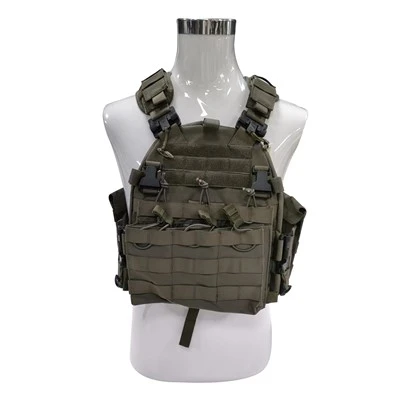
First, let’s address the core of why someone would choose a concealed vest over a bulkier, more tactical option. For many people—from everyday professionals to at-risk individuals like activists or media personnel—standout body armor draws unwanted attention. A thick, brightly colored tactical vest screams “protection” in a way that can make you a target or make you feel self-conscious in a grocery store, office building, or restaurant. Concealed body armor vest is designed to eliminate that problem, crafted to be slim enough to hide under a blazer, sweater, or even a hoodie. But just because it’s thin doesn’t mean it’s less effective. The key is choosing a vest built with materials that balance ballistic performance and low profile, which brings us to the science of armor construction.


Not all armor materials are created equal, and this is where a lot of people go wrong when shopping for concealed vest. Traditional armor used to rely on steel plates, which are heavy, rigid, and nearly impossible to hide under clothes. Today, most high-quality concealed armor uses either Aramid or UHMWPE (Ultra-High-Molecular-Weight Polyethylene), two lightweight, high-tensile-strength materials that can stop bullets while staying slim and flexible. Let’s take a closer look at these. Aramid, the same material used in motorcycle racing leathers and fire-resistant gear, has exceptional tensile strength—meaning it can stretch to absorb the energy of a projectile without breaking. If you’re looking for a reliable mid-weight option that’s still concealable, an Aramid Ballistic Vest is a great choice; it’s lightweight enough to wear for hours without straining, and it can be layered under most clothing. For even more stealth, UHMWPE Bulletproof Vest is thinner and lighter than Aramid, with similar or better ballistic stopping power. It’s the go-to material for our most compact concealed models, as it doesn’t add the bulky bulk that would be noticeable under a tight shirt or thin jacket.
That said, material is only half the battle. Fit is absolutely critical when it comes to concealed carry armor. A vest that’s too small will ride up, expose gaps in protection, or dig into your ribs—painful and dangerous if you’re in an incident. A vest that’s too big will bunch up under your clothes, creating lumps that are impossible to hide and reducing its effectiveness when you need it. That’s why we offer a range of sizes, including Plus Size Military Vest designed to fit larger frames without sacrificing concealability. We’ve heard from customers who used to struggle with off-the-shelf armor that either didn’t come in their size or was too heavy to hide, and our plus-size line is built with the same attention to slim profile and ballistic performance as our standard sizes. The key here is measuring correctly: take your chest, waist, and torso length measurements while wearing the clothes you’d typically wear under a jacket or blazer, and match them to our size chart. It’s a small step that makes a huge difference in both comfort and functionality.
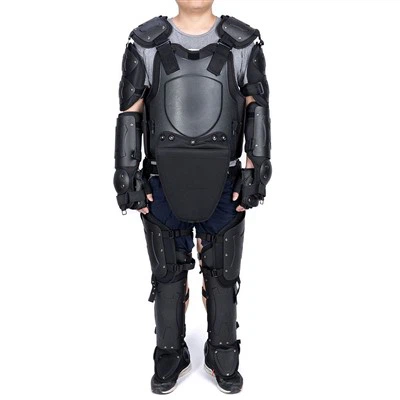
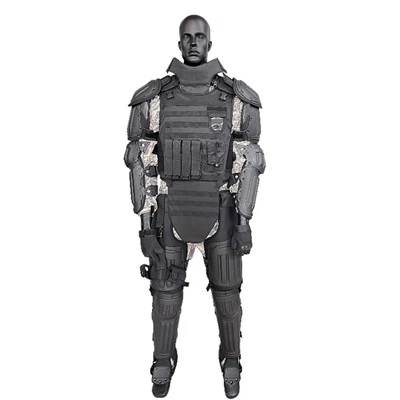
Another factor to consider is coverage. Most concealed body armor vests are designed to cover the vital core areas: front, back, and sometimes the sides (the “flanks” where many injuries occur in attacks). If you’re considering full coverage, you might wonder if a Full Body Armor Vest can be concealed. The short answer is that full coverage armor is bulkier than core-only concealable models, but modern designs use segmented plates that fit closer to the body and don’t create the wide, boxy shape of older full-body armor. That said, full coverage is less practical for everyday concealment, as it adds more thickness and can be noticeable under looser-fitting jackets, though it can work if you’re regularly in higher-risk environments and have the right outerwear to layer it under.
Comfort is the third pillar of successful everyday concealed armor. Even the best ballistic material won’t do you much good if you can’t wear it for more than 10 minutes at a time. Look for vests with moisture-wicking linings, padded shoulder straps, and adjustable side panels to customize the fit for all-day wear. A common mistake people make is buying a vest that feels great in the store but doesn’t account for movement—if you’re sitting at a desk all day or walking around a busy city, your vest needs to flex with your body, not rub or restrict your arms. All of our concealed models are tested for comfort during extended wear, with lightweight materials that don’t add more than a few pounds to your frame (compared to 10+ pounds for some older steel armor options).
Now, let’s tackle a common myth: “If it’s concealed, it’s not as protective.” This is simply not true, as long as you’re buying NIJ-certified armor. The National Institute of Justice (NIJ) sets strict standards for ballistic resistance, rating armor from Level II (stops 9mm and .357 Magnum) up to Level IV (stops armor-piercing rifle rounds). Many concealed body armor vests are NIJ Level II or IIIA certified, which are more than enough protection for most everyday scenarios—most street crime uses handguns, not rifles. The only difference is that the certification applies to a slimmer, more flexible panel, not a bulky one. Always verify that any armor you buy is third-party tested and certified, especially when shopping online—there are a lot of uncertified “armor” products that won’t stop a bullet, no matter how slim they are.
Local and national regulations are also non-negotiable. Laws about wearing body armor vary wildly by country, state, and even city. In the U.S., for example, there are no federal laws restricting civilians from wearing body armor, but some states have restrictions for felons or in certain locations (like schools or government buildings). In other countries, such as the UK, civilian ownership of body armor is tightly regulated, requiring a license for most types. Before purchasing or wearing a concealed vest, take the time to research your local laws to avoid any legal trouble. As a supplier, we always include a disclaimer with our products reminding customers to check their local regulations, and we never sell armor to individuals in regions where it’s illegal for civilians.
So, if you’re ready to take the step of adding personal protection to your daily life, how do you get started? First, assess your needs. Are you in a high-risk job or situation? Go for a Level IIIA certified vest. Do you need to wear it to work in an office? A slim Aramid or UHMWPE model will blend seamlessly under a blazer. Need a size that fits a larger frame? Our Plus Size Military Vest line has you covered. Second, measure carefully and choose the right fit—this is the most important step for concealment and comfort. Third, confirm that your armor is NIJ-certified and complies with local laws. Fourth, practice wearing it around the house or on short errands before wearing it out in public full-time—this helps you get used to the weight and feel, and makes you more comfortable if you ever need to react quickly.
I’ve spoken to countless customers who tell me their concealed vest changed how they feel about their daily routines. A teacher who walks to work in a high-crime neighborhood, a freelance journalist reporting in volatile areas, a parent who wants peace of mind while dropping their kids at school—all of these people don’t want to stand out, but they want to be prepared. A well-chosen concealed body armor vest lets you do both. It’s not about living in fear; it’s about having the confidence to go about your day without worrying about the unexpected.
If you’re ready to explore your options, we offer a range of concealed body armor vest designed for every need, from slim Level IIIA models perfect for everyday wear to our plus-size tactical options that combine protection and stealth. Each of our products is built with high-quality materials, third-party tested for reliability, and designed to balance safety with discretion. For more information on our line, including full specifications for our UHMWPE Bulletproof Vest, Aramid Ballistic Vest, and full coverage models, feel free to browse our selection or reach out to our team to discuss your specific needs.
When it comes to personal safety, there’s no one-size-fits-all answer, but the question of whether you can wear a concealed body armor vest under regular clothes is a resounding “yes”—as long as you do your research, choose a certified, well-fitted model, and follow local laws. It’s a small investment in your peace of mind, and one that can make all the difference in an emergency.
References
- National Institute of Justice. (2023). Ballistic Resistance of Body Armor (NIJ Standard-0101.06). U.S. Department of Justice.
- Underwriters Laboratories. (2022). Third-Party Testing of Personal Body Armor. UL 752 Standard for Bullet-Resistant Equipment.
- International Association of Chiefs of Police. (2021). “Best Practices for Civilian Body Armor Ownership and Use.” IACP Safety Bulletin.
- U.S. Department of Homeland Security. (2020). “Public Safety Officer Body Armor Program: Balancing Protection and Discretion.” DHS Office for Bombing Prevention.
- European Police Office (Europol). (2022). “Civilian Body Armor Trends and Legal Frameworks in the EU.” Europol Crime Prevention Report.