If you’ve ever watched a show about first responders, or been around someone who works a high-risk job, you’ve probably wondered: do those bulky vests they wear count as regular work clothes? And more importantly, can a bulletproof uniform actually hold up when your job has real, life-threatening risks? As someone who runs a bulletproof uniform supplier, I get this question all the time—so let’s break it down, no fancy jargon, just the real deal for anyone in jobs where “going to work” means facing bullets, sharp objects, or unexpected violence.
First off, let’s get one thing straight: a bulletproof uniform isn’t the same as the loose, decorative vest you see in action movies. It’s designed to be part of your daily work gear, not something you toss on when a threat pops up. The biggest mistake people make here is thinking “bulletproof” means it’ll stop every single bullet, in every scenario, all day long. That’s not true. But for specific high-risk jobs, a quality bulletproof uniform (or compatible tactical gear) is non-negotiable. Let’s talk about which jobs actually need this, and why off-the-shelf work clothes won’t cut it.
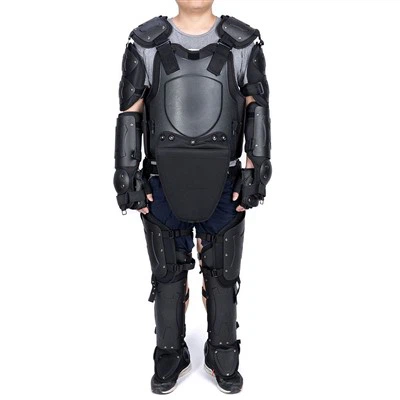
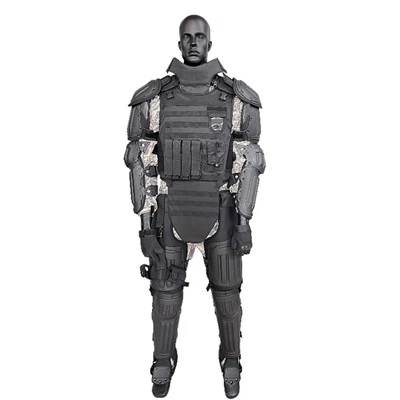
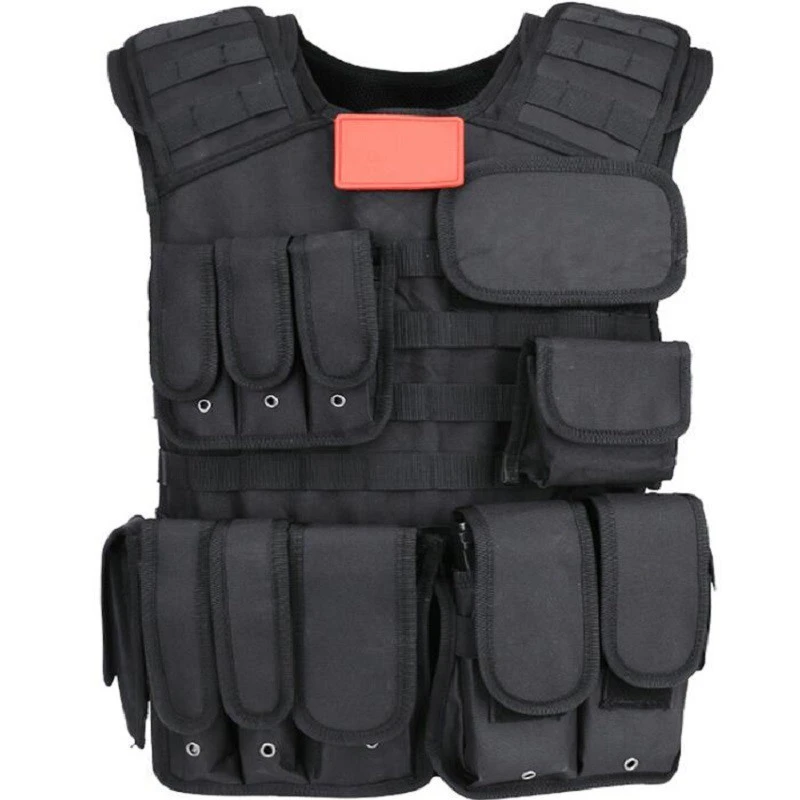
Take law enforcement officers, for example. Cops deal with armed suspects, surprise confrontations, and hours of patrolling a beat where they can’t predict what’ll happen next. A regular uniform shirt or jacket might look like part of the job, but it offers zero protection against bullets or bladed weapons. That’s where specialized gear comes in. The Law Enforcement Tactical Vest is built to sit under or over a uniform, so it doesn’t scream “I’m carrying armor” to someone who might be a threat. It’s contoured to fit tight so it doesn’t get in the way when running, climbing, or reaching for a radio or handcuffs—things cops do every single day. I’ve seen officers who tried to skip armor during a routine shift, only to be involved in a shooting later that week. Scary stuff. It’s not about being paranoid; it’s about being prepared, and a bulletproof uniform-adjacent tactical vest is the only way to stay covered without looking like you’re carrying a tank.
Then there’s private security personnel, like those guarding high-value targets, banks, or construction sites with dangerous materials. Their jobs are unpredictable too—one minute they’re checking IDs, the next they’re dealing with an agitated, armed intruder. For these folks, flexibility is key. The Nylon Tactical Vest is a popular pick here because it’s lightweight, water-resistant, and doesn’t add a ton of bulk to their uniform. Nylon is durable enough to handle being dragged through brush, wiped clean after a shift in the rain, or stuffed into a car trunk when they’re on a long stakeout. Unlike old-school heavy armor, modern nylon tactical gear is designed to move with you, not against you. I had a client who’s a site security manager for a remote mining operation—he told me the nylon vest let his team wear their standard work shirts under it, so they still looked like part of the site crew, not obvious targets for anyone who might want to cause trouble. That’s a huge win for both safety and blending in when you need to.
Wait, but what about other high-risk jobs that aren’t law enforcement or security? Like correctional officers, who deal with inmates armed with homemade weapons or sharpened objects. Or even emergency responders, like firefighters or paramedics who might show up to a scene with an active shooter. For these roles, a bulletproof uniform needs to do more than stop bullets—it needs to be comfortable enough for 12-hour shifts, breathable so you don’t overheat, and easy to move in. The Aramid Bulletproof Vest is perfect for this. Aramid fiber is the same material used in bulletproof vests for military and law enforcement, but it’s way lighter and more flexible than old steel plates. It also handles heat and moisture better than nylon, so if you’re working a hot prison shift or a chaotic disaster scene, you won’t be soaked in sweat halfway through. I’ve talked to correctional officers who say the aramid vest feels like a thick work jacket, not a bulky piece of armor—they barely notice it when they’re moving from cell to cell, even when they’re restraining an inmate. That’s exactly what you want: protection that’s there when you need it, but doesn’t get in the way of doing your job.
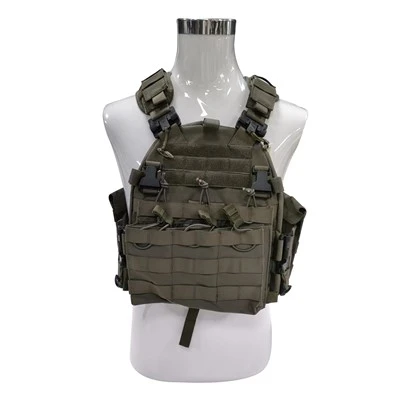
Now, let’s address the big “but” here: a bulletproof uniform isn’t one-size-fits-all. A lot of people ask why they can’t just take a regular uniform shirt and add a bulletproof liner. The answer is two-fold. First, most off-the-shelf liners aren’t designed to fit the shape of a work uniform, so they bunch up, shift, and leave gaps around your sides, neck, or underarms—places where a bullet or bladed weapon can easily penetrate. Second, real high-risk jobs have specific needs: you might need to attach a radio holster, a first-aid kit, or handcuffs to your gear. The Laser Cut Tactical Vest is built with modular attachment points (MOLLE webbing) that let you customize your gear to your exact job. You can add a hydration pouch for long shifts, a magazine holder for law enforcement, or a tool belt attachment for security guards. Laser cutting also makes the vest more precise and durable—no loose threads or weak spots, which is critical when you’re counting on your gear to protect your life. I once had a paramedic client who used the laser cut vest to attach a tourniquet and a trauma pad right where he could reach them in an emergency. That’s the difference between a regular “armor add-on” and a gear that’s actually part of your uniform.
Another thing to consider is safety protocols. Even the best bulletproof gear is useless if you can’t get it off quickly in an emergency. Think about it: if someone collapses and needs CPR, or if your vest gets caught on debris, you don’t want to fumble with buttons or zippers. The Quick Release Vest solves that. It has fast, easy-release clips that let you take the whole vest off in a split second, without untying anything or digging for a zipper. That’s a game-changer for jobs where you might need to move fast in an emergency, or where your job requires close physical contact (like correctional work or crowd control). I’ve seen clients test these vests in training, and the feedback is always the same: you never realize how much time you’d waste fumbling with a regular vest until you use a quick-release one. It’s a small feature that can make a huge difference in a high-stress situation.

Now, let’s get real about limitations. A bulletproof uniform won’t stop every bullet—most are rated to stop specific calibers (like 9mm or .45 ACP), not rifle rounds. So if you’re working a job where rifle fire is a regular threat, you need additional armor plates. But for most high-risk jobs—law enforcement, security, correctional work, emergency response—pistol rounds and bladed weapons are the main threats, and a quality bulletproof uniform (or tactical gear that works with your uniform) is more than enough. Also, these gears have expiration dates. Aramid and nylon fibers break down over time, especially if they’re exposed to sun, sweat, or chemicals. You can’t just buy a vest and use it for 10 years—you need to inspect it regularly and replace it when it’s worn out. That’s part of being responsible, both as a supplier and as someone who needs to stay safe on the job.
Here’s what I always tell my clients: your uniform isn’t just a way to identify yourself to coworkers or the public—it’s a tool that keeps you alive. For high-risk jobs, a regular work uniform is a gamble. A bulletproof uniform-adjacent tactical vest isn’t “overkill”—it’s the minimum level of protection you should have. I’ve been in this business for years, talking to first responders, security teams, and correctional officers, and the number one thing they say is that their gear isn’t something they want to use… but they’re glad they have it when they need it.
If you’re in a high-risk job and you’re looking for gear that works with your uniform, not against it, I get it—you don’t want something that’s bulky, uncomfortable, or obvious. All the gear we make is designed to be practical, durable, and tailored to real job needs. Whether you’re a cop on patrol, a security guard guarding a remote site, or a paramedic responding to emergencies, we can help you find the right fit. We work with teams of all sizes, from small local security companies to large law enforcement agencies, and we offer custom options to make sure your gear works exactly how you need it. If you’re tired of buying gear that doesn’t hold up or doesn’t fit your uniform, reach out to our team to chat about your needs. We’ll walk you through all the options, from the lightweight nylon vest to the quick-release aramid vest, and help you find something that keeps you safe without slowing you down.
At the end of the day, no job should make you choose between doing your work and staying safe. Bulletproof uniforms and compatible tactical gear don’t have to be complicated or expensive—they just have to be the right fit for your job. If you’re ready to stop gambling with your safety and invest in gear that actually works, get in touch with our team to start a conversation about your next gear purchase.
References:
- National Institute of Justice. (2020). Ballistic Strength Standards for Body Armor. U.S. Department of Justice.
- Occupational Safety and Health Administration. (2021). Workplace Safety for High-Risk Law Enforcement and Security Personnel. U.S. Department of Labor.
- Journal of Safety Research. (2019). Ergonomic Design of Tactical Armor for Long-Shift Occupations. Elsevier.
- International Association of Chiefs of Police. (2022). Best Practices for Law Enforcement Body Armor Usage and Maintenance. IACP.
- Correctional Service of Canada. (2020). Personal Protective Equipment for Correctional Officers. Government of Canada.