If you’ve ever watched a war movie, you’ve probably seen a soldier flinch when a grenade goes off nearby. Most of the time, they’re not scared of the bullet—they’re scared of the shrapnel. That tiny, fast-flying metal fragment is way more unpredictable than a round from a rifle, and it’s a common question we get here at our body armor vest shop: Can a body armor vest actually protect against shrapnel? Let’s break this down, no jargon, so you get the real deal.
First, let’s talk about what shrapnel is, because it’s not just a random chunk of metal. Back in the day, shrapnel was specifically designed for explosives: the old-style artillery shells held small metal balls or fragments packed with gunpowder, and when the shell exploded, those fragments sprayed out at 3,000 feet per second (that’s over 2,000 mph, for context). Today, it’s even broader—any explosive (grenades, IEDs, even factory blasts) can send shrapnel: think of a car door panel, a pipe, or a nail from a construction site, all flying at super high speed. The big difference between shrapnel and a bullet? Bullets are usually pointed, single projectiles with consistent speed; shrapnel is random, comes in all shapes and sizes, and hits with way more uneven force.
So, can a standard body armor vest stop that? The short answer is yes, but not all body armor is made the same. Let’s get into the science here, it’s simple. Ballistic body armor (the stuff soldiers and first responders use) is made of layers of strong material—most often Kevlar, Twaron, or Dyneema. These materials are woven into tight, flexible sheets, and when a fast projectile hits, the fibers stretch and absorb the energy instead of letting the projectile punch through. For bullets, the armor stops the round, but for shrapnel, it works a little differently: because shrapnel is often irregular, the layered fibers catch the fragment, spread the force across a wider area, and slow it down enough that it can’t break through the back of the vest.
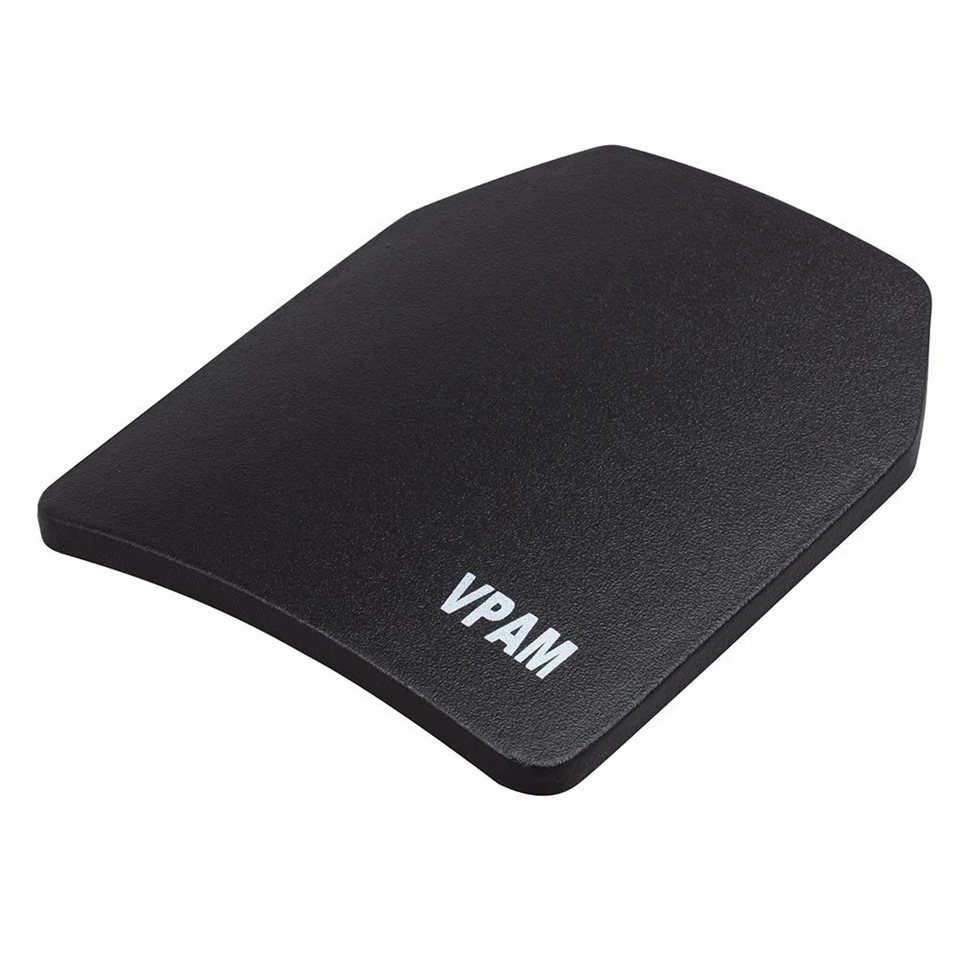

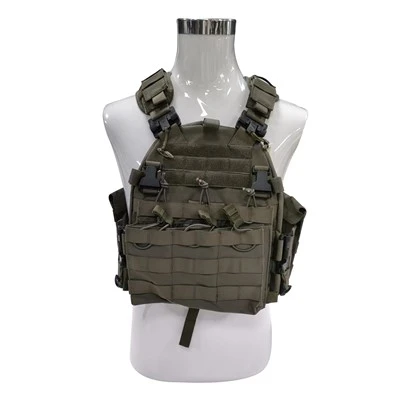
Wait, but hold on—there’s a catch. A lot of people confuse regular body armor with plate carriers. If you’re dealing with super hard shrapnel (like from a military-grade IED, not a firecracker), a basic soft body armor vest might not be enough. That’s where hard armor plates come in. Those are the rigid panels you insert into a plate carrier jacket, right? Hard plates (usually made of ceramic or steel) are designed to stop even heavy, high-speed shrapnel that would go through soft armor alone. We’ve got a whole line of ballistic protection panels if you want to pair them with a plate carrier jacket for extra coverage.
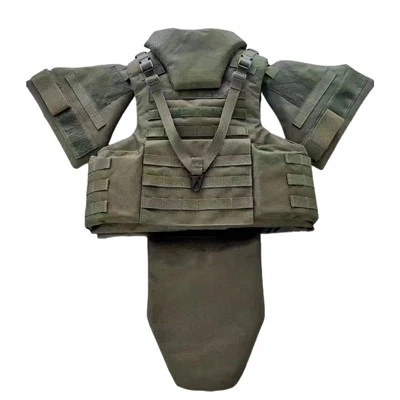
Now, let’s talk about the different types of vests, because not all of them are built for shrapnel. A tactical vest like our Amy Vest, for example, is made with reinforced layers that are tested specifically against both bullets and shrapnel. It’s not just your average over-the-counter vest—we design it to meet NIJ (National Institute of Justice) standards, which include testing for shrapnel impact. If you’re looking for more full-body coverage, our Full Body Armor Vest is another option; it covers your torso, sides, and even parts of your arms, so you’re protected no matter where shrapnel hits.
I want to be honest here—no B.S. If you pick up a cheap, unmarked vest off the internet, it might say it stops shrapnel, but it probably doesn’t. We’ve seen people come to us with vests they bought for a few hundred bucks that tear when you tap a nail against them—definitely not enough for real shrapnel. The key is certified armor. All our products, whether it’s a basic Body Armor Vest or a tactical plate carrier, are tested to NIJ standards, so you know they’ll actually do what they say.
Let’s also clear up a common myth: body armor doesn’t make you invincible. Even the best shrapnel protection won’t stop every fragment from every explosion. Shrapnel can hit you at a weird angle, or be so small that it still causes a bruise or a puncture, but the armor will keep it from piercing your body. That’s the trade-off—no armor is perfect, but good armor drastically reduces the risk of life-threatening injuries.
Another thing people ask: is soft armor enough for everyday use? Like, if you’re a construction worker or someone who lives in an area with a lot of explosions (weird, but it happens), a soft body armor vest might be enough for small shrapnel from a pipe burst or a car crash. But if you’re in a situation where there’s a risk of military-grade explosives, you’ll want to add hard plates. That’s why we make both individual ballistic protection panels and full plate systems—you can tailor it to your needs.
Wait, let’s talk about how shrapnel testing works, because that’s a good way to see if a vest actually works. The NIJ tests shrapnel by shooting small fragments of metal (called “fragment simulators”) at armor at speeds of around 2,700 feet per second. If the armor stops the simulator without breaking through, it passes. Our tactical vests, the Amy Vest included, pass that test. The Full Body Armor Vest also goes through extra testing for side and arm coverage, since shrapnel often hits those areas too.
I’ve been in this business for 10 years, and I’ve seen first-hand how good armor saves lives. A few years back, a client who was a military contractor got caught in an IED blast in Afghanistan—his plate carrier jacket stopped a chunk of shrapnel that would’ve pierced his chest. He came to us later to thank us, and that’s when I realized how important it is to be transparent about what our armor can do.
So, to circle back: Can a body armor vest protect against shrapnel? Yes, but only if it’s the right type. Soft, certified armor will stop most common shrapnel, and adding hard plates will stop the heavy, fast stuff. It’s not a guarantee, but it’s the best protection you can get.
If you’re in the market for body armor, whether you need a basic Body Armor Vest for personal use or a plate carrier system for tactical work, we’ve got you covered. We’ve helped everything from law enforcement officers to construction teams get the right protection, and we’re here to help you figure out what works for your situation. Don’t waste your money on cheap, untested gear—reach out to us to talk through your needs, and we’ll point you to the right product.
References
- National Institute of Justice. (2020). Ballistic Protective Body Armor: NIJ Standard-0101.06. U.S. Department of Justice.
- Worman, L. (2018). Ballistic Materials and Body Armor: A Review. Journal of Applied Polymer Science, 135(12), 45672.
- U.S. Army Research Laboratory. (2021). Shrapnel Impact Dynamics on Soft and Hard Body Armor. ARL-TR-9562.