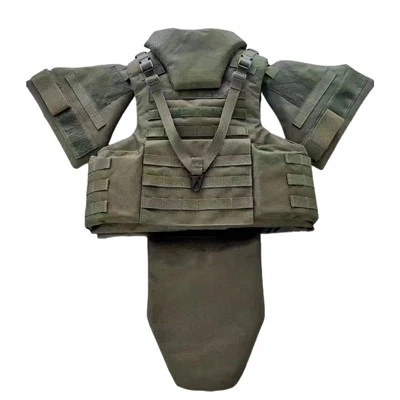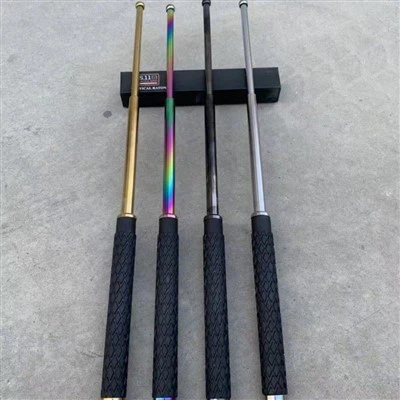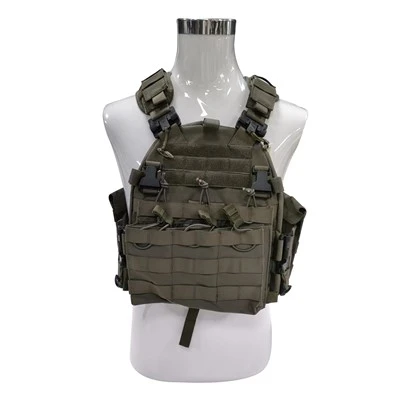
If you’ve ever watched footage of large-scale civil unrest or law enforcement operations, you’ve likely seen officers clad in bulky, protective suits moving through chaotic crowds. One question I get asked constantly, both by new law enforcement clients and curious members of the public, is: Are riot control suits bulletproof? The short, honest answer is no—but there’s a lot more nuance to that response than a simple “yes” or “no.” As a supplier of specialized riot control equipment, I’ve spent years working with police departments, security teams, and tactical units to understand exactly what these suits are designed to do, and where their limitations lie. Today, I want to break that down, clear up common misconceptions, and explain what roles these suits actually serve in high-stakes scenarios.
First, let’s start with the core purpose of riot control gear. When we design or source gear for clients, we’re focused on mitigating the specific risks of crowd management. That means protecting against blunt force from projectiles like rocks, bottles, or batons, chemical irritants (like tear gas or pepper spray), electrostatic shocks, and even physical grabs or blows from aggressive individuals. These are all non-ballistic threats—they’re designed to disable, disperse, or control a crowd without causing fatal or life-threatening harm. Bulletproof gear, on the other hand, is built to stop high-velocity, penetrative rounds designed to pierce the body. That’s a fundamentally different job, so it’s no surprise the suits serve different functions.
But let’s get specific about what a typical riot control suit is made of. Most of the standard suits you’ll see in use are constructed from layers of heavy-duty, abrasion-resistant fabric—often a blend of polyester, nylon, and polyurethane, with reinforced panels on high-impact areas like the torso, arms, and legs. Some higher-end models add padding made of closed-cell foam or polyethylene to cushion blunt force impacts. For chemical protection, they include sealed collars, hoods, and sometimes face shields made of polycarbonate, which is shatter-resistant enough to block thrown objects. If you check our line of gear, you’ll find that many of these suits fall under categories like Anti Riot Gear and Police Anti Riot Equipment—all built with crowd control risks in mind, not ballistic ones.
That said, there is a point of confusion here, and it comes from gear that blurs the line between riot control and tactical operations. Some law enforcement units deploy “tactical riot suits” that combine standard crowd control protection with additional ballistic panels. These panels—usually made of Kevlar or other aramid fibers—are the same materials used in traditional bulletproof vests. But even with those panels, these suits are not bulletproof. Most are only rated to stop low-velocity, small-caliber rounds, like .22 or 9mm subsonic bullets. They will not stop high-velocity rifle rounds, shotgun slugs, or larger caliber ammunition. And the rest of the suit—the arms, legs, neck, and face—has no ballistic protection at all. That’s a critical detail. A tactical suit might give a small degree of additional protection in a situation where shots are fired, but it’s not a replacement for dedicated body armor. I’ve worked with several departments that requested these hybrid suits for specific operations, but we always make sure to clarify their limitations first—no one should go into a dangerous scenario thinking they’re fully protected against bullets when that’s not the case.
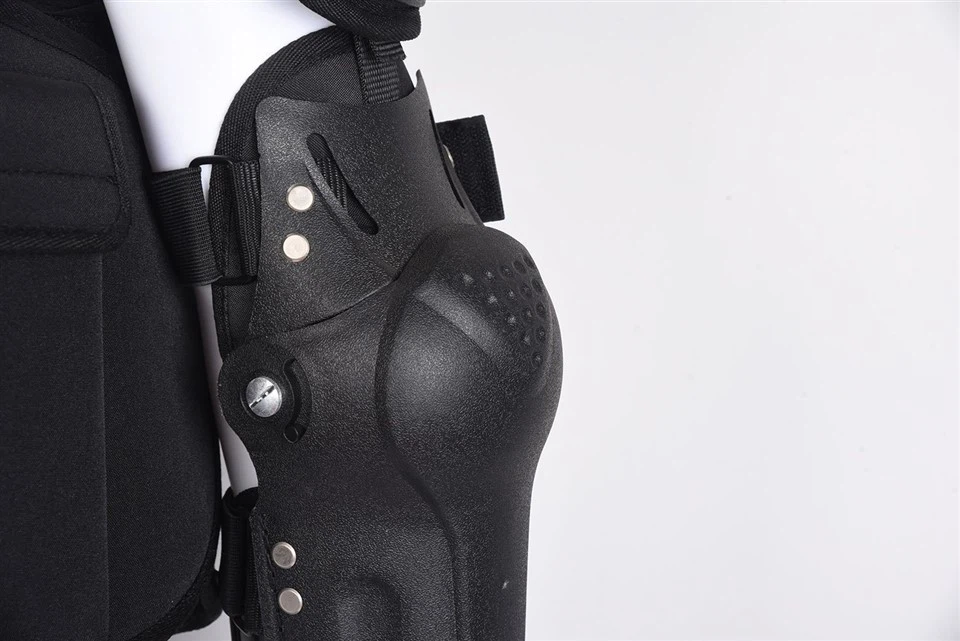

Let’s talk about why riot control suits aren’t designed to be bulletproof, even when that would seem like a logical upgrade. Cost is a big factor. Ballistic-rated materials are far more expensive than the fabrics used in standard riot suits. A single tactical suit with full ballistic panels can cost three to five times more than a standard crowd control suit, which is a significant investment for cash-strapped law enforcement agencies. But more importantly, functionality and mobility are key. Riot control operations require officers to move quickly, engage in physical struggle, climb fences, or react to sudden changes in a crowd. Adding heavy ballistic layers would make the suit unwieldy, hot, and restrictive. I’ve seen officers complain about standard riot suits being uncomfortable in 90-degree weather—adding ballistic panels would only amplify that, leading to fatigue, reduced reaction time, and more mistakes in high-pressure situations. For the specific tasks riot control suits are meant for, that trade-off isn’t worth it.
Another common misconception is that all riot gear is the same. That’s why it’s important to match the gear to the threat. A department handling small, low-level protests might only need basic suits with minimal protection, while a unit responding to large, violent uprisings might need suits with heavier padding and additional features like knife-resistant panels. Our range of Anti Riot Suit and Police Riot Suit options is built to accommodate these different needs, with clear labeling of what each suit can protect against—blunt force, chemical irritants, etc.—and what it can’t. We never want a client to buy gear that’s misrepresented, so we’re always upfront about the limitations.
I also want to address the difference between riot control suits and other types of police equipment. When we talk about full setups, that’s where you get Police Riot Equipment that includes not just suits, but shields, helmets, batons, and other tools. Shields, for example, often have some ballistic resistance—many riot shields are rated to stop small arms fire, even if the suit isn’t. That’s why officers are trained to use shields first when shots are fired, rather than relying on their suits. It’s all part of a layered approach to safety. The suit is one piece of the puzzle, not the only line of defense.
So, what does this mean for someone who works in law enforcement or security? If you’re outfitting your team for crowd control, the first step is to assess the specific risks you’ll face. Are you dealing with people throwing rocks and bottles? Then a standard riot suit with reinforced padding will work. Are you operating in an area where there’s a risk of gunfire? Then you’ll want to pair your riot suits with dedicated ballistic armor, or look at tactical hybrid suits, but never rely on the suit alone to stop bullets. And for members of the public who are curious, the next time you see an officer in a riot suit, you can now know exactly what they’re protected against—and what they’re not.
At the end of the day, the goal of riot control gear is to keep officers safe without escalating situations further. Bulletproof suits would change the dynamic of crowd control, making officers feel more empowered to use lethal force, which is the opposite of what most riot operations are designed to do. Our job as a supplier is to provide gear that supports safe, effective crowd management, and that means being honest about what each piece of equipment can (and cannot) do.
If you’re looking to outfit your team with riot control gear, or have more questions about the different options available—from standard anti-riot suits to tactical hybrid models—I’d encourage you to reach out. We work with agencies of all sizes, and we can help you find the right gear to meet your specific needs, with full transparency about every feature and limitation. Don’t hesitate to connect with us for a consultation.
References
- National Institute of Justice. (2020). Law Enforcement Protective Equipment: Selection and Use Guidelines. U.S. Department of Justice.
- International Association of Chiefs of Police. (2021). Crowd Control and Riot Management Best Practices. IACP Press.
- Ballistic Resistance of Body Armor. (2018). NIJ Standard 0101.06. U.S. Department of Justice.
- “Riot Control Gear: Materials and Performance Standards.” (2019). Journal of Law Enforcement Equipment and Technology, Vol. 12, No. 3, pp. 45-52.
- World Health Organization. (2022). Occupational Safety for Law Enforcement in Public Order Operations. WHO Regional Office for Europe.