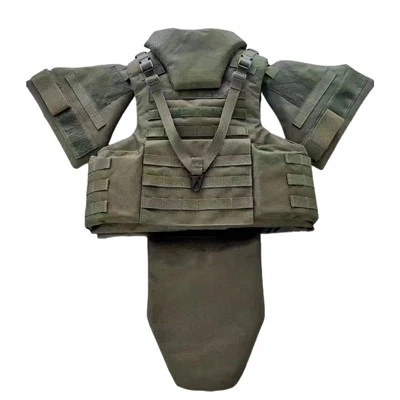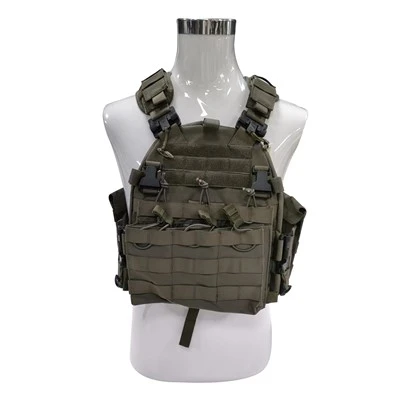
If you’ve ever seen a tactical vest worn by a cop responding to a call, a military MP on patrol, or even a security guy guarding a high-risk event, you might’ve noticed that big, flat piece of fabric or hard material at the back. Most people brush it off as just “the back part,” but if you’re in the market for one—whether you’re a small law enforcement unit, a military detail, or a private security team—skipping over what that back panel actually does is a mistake. As a tactical vest supplier who’s worked with hundreds of teams to get gear that fits their needs, I’m gonna break down exactly why that back panel isn’t just an afterthought—it’s one of the most functional (and sometimes life-saving) parts of the whole vest.
First off, let’s start with the basics: a tactical vest’s job is to carry stuff and protect you, right? The front is where you usually put mags, radios, tourniquets, and other quick-access gear, so the back has to balance that load without throwing your center of gravity off. Think about it: if all your weight’s on your chest, you’ll hunch forward after an hour of walking, which not only makes you uncomfortable but also slows you down if you need to run or react. The back panel distributes that weight evenly between your shoulders and your torso, so you can wear the vest for 8, 12, even 16 hours straight without feeling like your neck’s gonna snap. I’ve seen new teams skip the right back panel and end up with team members complaining of back pain by mid-shift—so that’s a big one for practical use, not just “tactical looks.”
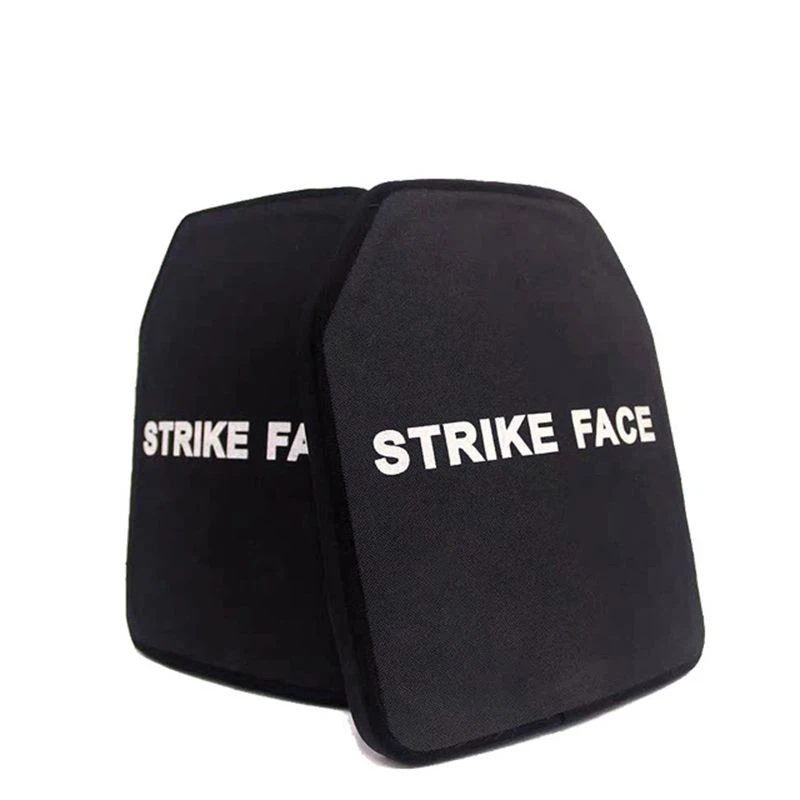
Then there’s the protection part. The back panel isn’t just a fabric flap—it’s the main home for your hard armor plates. Wait, I’m sure you’ve heard of plate carriers, right? Those are the vests designed to hold those thick, hard plates that stop bullets. The back panel of a tactical vest is what secures the rear plate, and when you pair it with the right setup, that’s where you get full torso coverage. Let’s be real: threats don’t only come from the front. A suspect can circle around, an enemy can take a shot from behind, or even a piece of debris from an explosion can hit your back. Without a solid back panel to hold that plate in place, even the best plate is useless—if it shifts when you move, it can leave gaps or not cover the vital areas of your spine and lower back. If you’re shopping around, check out our Plate Carrier Jacket page to see how we design the back panel to lock plates tight, no slipping even during strenuous movement.
Another thing the back panel does is add modular space. A lot of newer tactical vests use MOLLE webbing, right? That grid of loops where you clip on extra pouches. The front webbing is for chest gear, but the back panel is perfect for stuff you don’t need to grab every 2 minutes. Think spare mags for a second rifle, a hydration pack bladder (super important for long patrols), a first aid kit for minor injuries, or even a lightweight rain cover if you’re working outdoors. The back is also where you can add ID patches, unit insignia, or reflective strips for low-light situations—stuff that doesn’t need quick access but makes your vest work for your specific role. Our Law Enforcement Tactical Vests are designed with extra MOLLE on the back panel for exactly this, so officers can customize without cluttering up their front access.
Wait, let’s talk about comfort for longer shifts, because that’s something a lot of suppliers overlook. The back panel has to work with the vest’s padding, right? If the panel is just a thin piece of plastic, it’ll rub against your back after a few hours, cause sweat buildup, and even lead to rashes. A good back panel has breathable mesh or padded sections that let air circulate—critical if you’re working in hot climates, like Texas or the Middle East. I’ve had officers tell us that our back panels cut their sweat-related discomfort by 50% compared to older vests they used, and that’s a small detail that makes a huge difference in how well they can perform. Also, the panel’s adjustability—being able to cinch it down so it fits snug but not tight—prevents the vest from bouncing when you run, climb, or take cover. That’s non-negotiable for anyone who’s on their feet all day.
Oh, and there’s the safety aspect for other people around you. If you’re a military police officer, for example, your vest’s back panel often has clear ID so bystanders or even enemies can tell who you are at a glance. That’s a quick visual cue that keeps everyone safe—no confusion in a chaotic scene. Some back panels also have loops for attaching a radio antenna or a hydration tube, so you don’t have to run cords across your front, which can get tangled up when you’re working. It’s those little, practical touches that make a tactical vest actually useful, not just a prop.
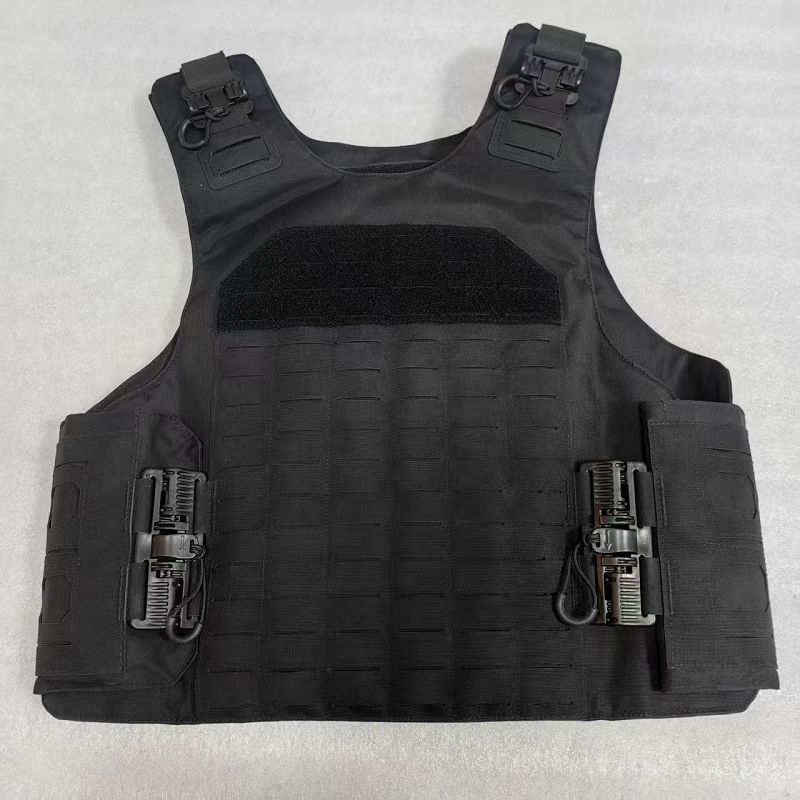
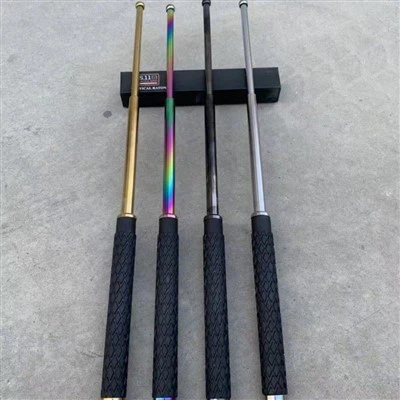
Now, let’s clear up a common mistake I see: people confuse tactical vest back panels with just the back of a bulletproof vest. But no, the tactical vest’s back panel is integrated—even if you’re using a soft armor vest, the back panel serves the same weight distribution, modular, and comfort purposes. If you’re not using hard plates, the back panel might still have padding to protect your spine from blunt force, like if you fall, bump into something, or get hit with a baton or other non-ballistic weapon. That’s a big one for security teams who might not face bullets but do face physical altercations or accidental impacts.
I should also mention that when you’re choosing a tactical vest, the back panel’s size matters. Too small, and it won’t cover your full back; too big, and it’ll ride up or get in the way. That’s why at our company, we offer multiple sizes for all our vests—check out our Tactical Vest page to see the size guides, so you can get a back panel that fits your body, not the other way around. If you’re a smaller officer or a larger team member, one size doesn’t fit all, and the back panel is the main part that has to adjust to your torso length.
Wait, let’s talk about real-world examples. Last year, we worked with a rural law enforcement agency that does a lot of outdoor patrols in the woods. They came to us complaining that their old vests had back panels that were too thin, so officers were getting back pain after 6 hours of walking, and some had minor spine injuries from falling while on duty. We switched them to our plate carrier jackets with reinforced, padded back panels, and they told us in a survey that 90% of their officers reported way less discomfort, and even a couple of them said the padding softened a fall during a training exercise. That’s exactly why the back panel isn’t trivial—it’s a piece that directly impacts both comfort and safety.
Another point: durability. The back panel takes a beating. It rubs against tree branches, gets caught on doors or fences, and takes impact from falls or even debris. A cheap back panel made of thin nylon will tear after a few months of use, leaving you exposed. Our back panels are made from 1000D nylon with reinforced stitching, so they can handle all that wear and tear. For ballistic protection, we also make sure the back panel is designed to work with the right ballistic panels—head over to our Ballistic Protection Panels page to see how we pair them with back panels for full, consistent protection across the torso.
Let’s wrap this up. The back panel of a tactical vest isn’t just the part you can’t see when you’re looking in the mirror. It’s the weight-balancing, protection-holding, modular space-using, comfort-making core of your entire vest. Whether you’re in law enforcement, military, or private security, ignoring the back panel means settling for a vest that doesn’t work as hard as you do. If you’re in the market for a new tactical vest and want to make sure you get one with a back panel that checks all the boxes—distribution, protection, modularity, comfort, durability—reach out to us to talk through your specific needs. We’ve worked with teams of all sizes, from small local units to large military details, and we can help you find exactly what fits your role.
References
- National Institute of Justice. (2020). Tactical Body Armor Performance Standards.
- International Association of Chiefs of Police. (2021). Duty Gear Best Practices for Law Enforcement.
- U.S. Army Research Laboratory. (2019). Load Distribution in Personal Body Armor Systems.
- Bulletproof Body Armor Association. (2022). Modular Tactical Vest Design Guidelines.