Yo, what's up folks! As a supplier of Bulletproof Plate Carriers, I've seen my fair share of different types of gear in the industry. One common question I get asked a lot is, "What's the difference between a modular and non - modular bulletproof plate carrier?" Well, let's dive right into it.
Non - Modular Bulletproof Plate Carriers
First off, let's talk about non - modular bulletproof plate carriers. These are the more traditional type of carriers. They're designed to serve a basic purpose: to hold the bulletproof plates and provide protection to the wearer.
One of the biggest advantages of non - modular carriers is their simplicity. They're straightforward in design, with the plates usually fitting into pre - defined pockets. There aren't a whole lot of extra bells and whistles. This simplicity makes them easy to use, especially for those who are new to using bulletproof gear.
For example, if you're a security guard who just needs basic protection during your shift, a non - modular carrier might be a great choice. You don't have to worry about attaching or detaching a bunch of extra components. You simply put it on, insert the plates, and you're good to go.
However, non - modular carriers do have their limitations. One major drawback is their lack of versatility. Since they're designed with a fixed configuration, it can be really hard to customize them according to your specific needs. If you suddenly need to carry more magazines or a special piece of equipment, you're out of luck. You're pretty much stuck with what the carrier comes with from the factory.
Another issue is that non - modular carriers can be less comfortable for long - term use. Because they're not adjustable in many ways, they might not fit every body type perfectly. This can lead to discomfort, especially if you have to wear the carrier for extended periods.
Modular Bulletproof Plate Carriers
Now, let's switch gears and talk about modular bulletproof plate carriers. These bad boys are the new kids on the block, and they've been revolutionizing the industry.
The key feature of modular carriers is their adaptability. They come with a whole bunch of attachment points, like MOLLE (Modular Lightweight Load - carrying Equipment) webbing. This webbing allows you to attach all sorts of accessories, such as magazine pouches, first - aid kits, radio holders, and more. You can customize the carrier to fit your exact mission requirements.
Let's say you're a military operator going on a special mission. You might need to carry a lot of extra ammo, a GPS device, and a medical kit. With a modular carrier, you can easily attach all these items exactly where you want them. This makes it much more convenient and efficient for you to access your gear during a critical situation.
Comfort is also a big advantage of modular carriers. Many of them are designed with adjustable straps and padding. You can fine - tune the fit of the carrier to your body, which means you'll be more comfortable even during long - hours of wear. This is crucial for people who are in high - stress situations where they need to focus on the task at hand, not on an uncomfortable piece of gear digging into their skin.
But modular carriers aren't all sunshine and rainbows. One of the main downsides is their complexity. With all the attachment points and accessories, they can be a bit overwhelming to set up, especially for beginners. You need to take the time to figure out the best way to arrange your gear and make sure everything is securely attached.
Another potential issue is the cost. Modular carriers are generally more expensive than non - modular ones. This is because of the additional materials and design features that go into making them adaptable. You also have to factor in the cost of the accessories you want to attach to the carrier.
Comparing the Two in Different Situations
Let's look at how these two types of carriers stack up in different real - world scenarios.
Law Enforcement
For law enforcement officers, the choice between a modular and non - modular carrier depends on the nature of their work. Patrol officers who mostly deal with routine calls might find a non - modular carrier sufficient. It provides the basic protection they need without getting in the way. They can quickly put on the carrier and start their shift.
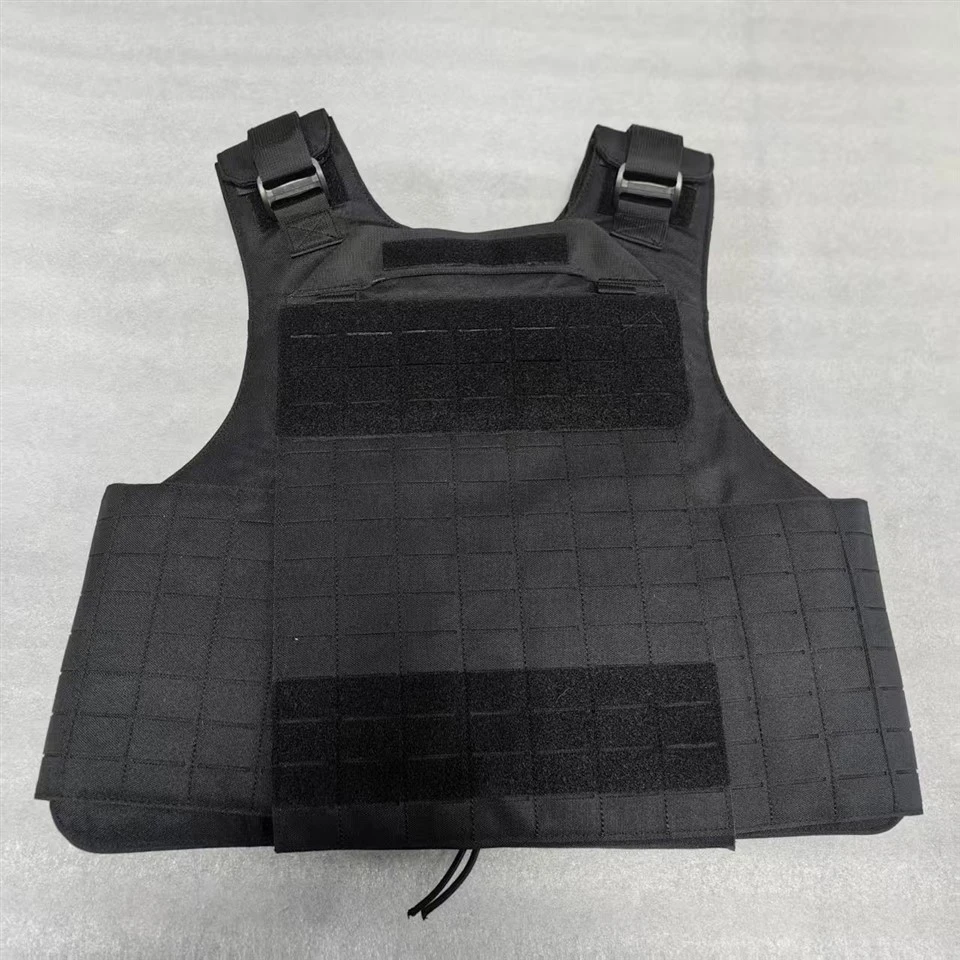

On the other hand, SWAT teams or officers involved in high - risk operations would benefit greatly from a modular carrier. They often need to carry a variety of equipment, such as flashbangs, breaching tools, and extra communication devices. The ability to customize their carrier to hold all these items gives them a significant advantage in the field.
Military
In the military, modular carriers are the norm. Soldiers are often deployed in different types of missions, from urban combat to long - range patrols. The adaptability of modular carriers allows them to adjust their load - out according to the specific requirements of each mission.
Non - modular carriers might still have a place in the military, though, for support roles or in situations where simplicity is key. For example, rear - echelon troops who are mainly in a secure area might use non - modular carriers for basic protection.
Related Products
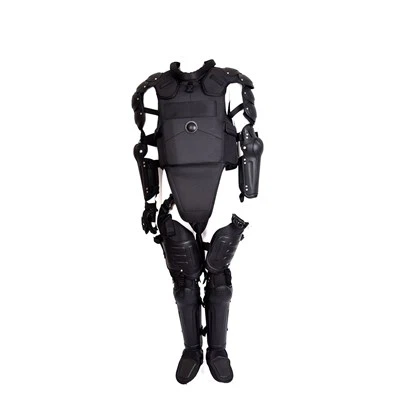
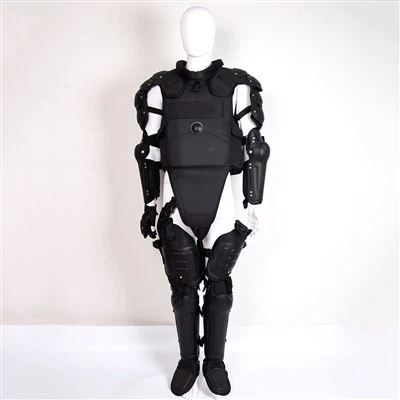
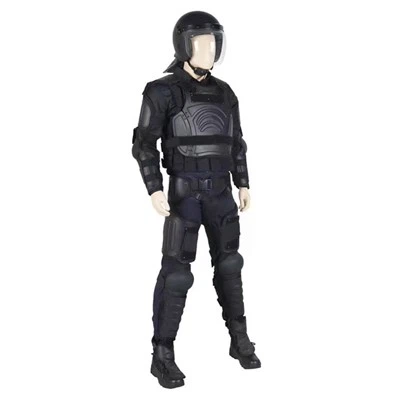
If you're in the market for bulletproof gear, there are also other related products you might want to check out. You can take a look at our Ballistic Protection Panels, which offer additional protection options. Our Bulletproof Uniform is another great choice for those who need more comprehensive protection. The Ballistic Jacket provides a good balance between mobility and protection. And if you're looking for a more tactical option, our Tactical Vest offers a variety of features. We also have the Aramid Bulletproof Vest, which is known for its lightweight yet effective protection.
Conclusion and Call to Action
So, there you have it, folks! The difference between a modular and non - modular bulletproof plate carrier boils down to simplicity vs. versatility. Each type has its own pros and cons, and the right choice depends on your specific needs and situation.
If you're interested in purchasing bulletproof plate carriers or any of our other related products, don't hesitate to reach out. We're here to help you find the best gear for your requirements. Whether you're a law enforcement agency, military unit, or an individual looking for personal protection, we've got you covered.
References
- Military Equipment Handbook, 2023 Edition
- Law Enforcement Gear Guide, 2022
- Ballistic Protection Technology Research Papers, 2020 - 2023