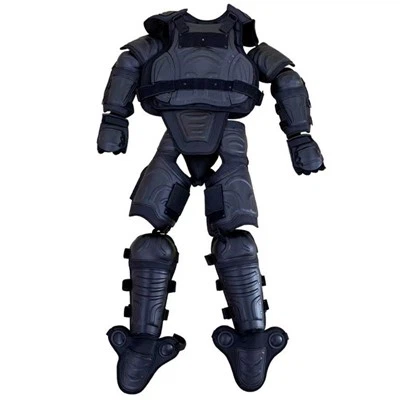
Can a body armor vest stop a knife?
In the realm of personal protection, the question of whether a body armor vest can stop a knife is both relevant and crucial. As a seasoned supplier of body armor solutions, I've witnessed firsthand the diverse needs of individuals and organizations seeking reliable protection. This blog post aims to delve into this topic from a scientific and practical perspective, providing insights that can help you make informed decisions about your safety equipment.
Understanding the Basics of Body Armor
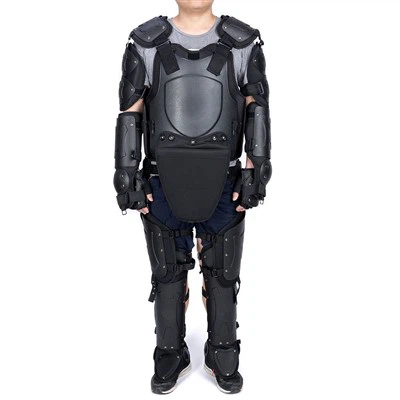
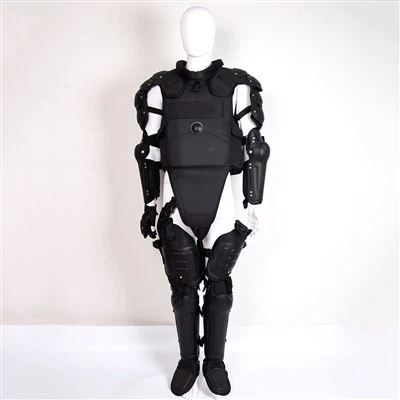
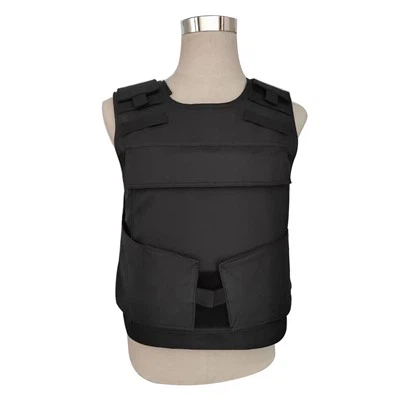
Before we explore the effectiveness of body armor against knives, it's essential to understand the different types of body armor available in the market. Body armor is designed to protect against various threats, including bullets, shrapnel, and edged weapons. The most common types of body armor we offer at our store include Aramid Bulletproof Vest, Body Armor Vest, Bulletproof Plate Carrier, Quick Release Tactical Vest, and Nij Iiia Bulletproof Vest.
Each type of body armor is engineered with specific materials and construction techniques to meet different protection levels. For instance, bulletproof vests are typically made from high-strength fibers such as Kevlar or aramid, which are designed to absorb and disperse the energy of a bullet. On the other hand, stab-resistant vests are made from materials that can resist the cutting and stabbing forces of knives and other edged weapons.
How Body Armor Stops Knives
The effectiveness of a body armor vest against a knife depends on several factors, including the type of material used, the construction of the vest, and the design of the knife. Here's a breakdown of how body armor stops knives:
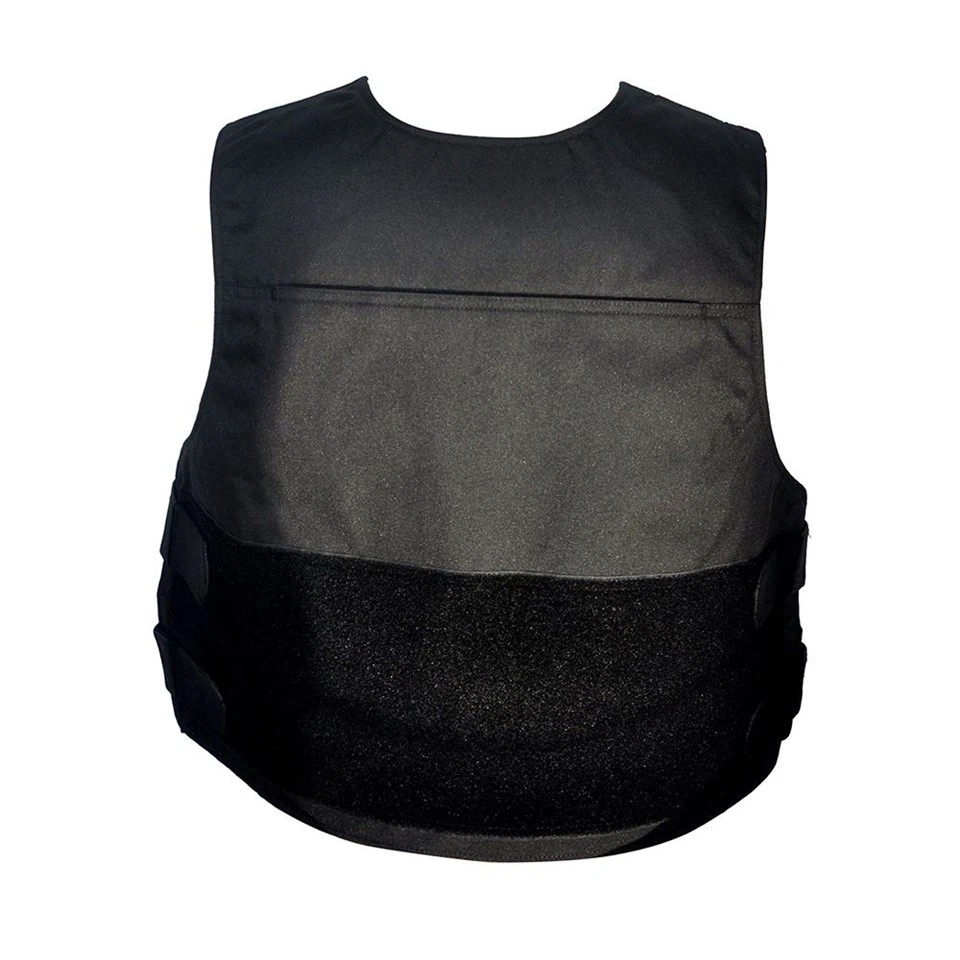
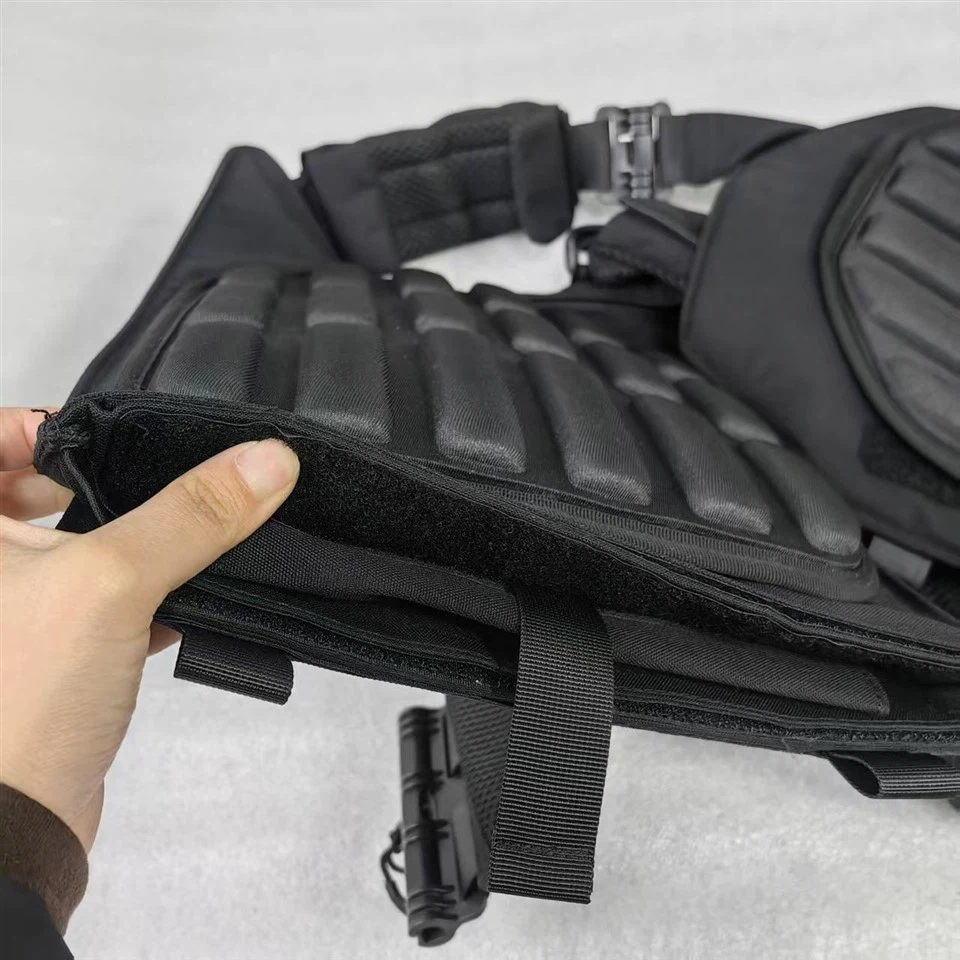
- Material Resistance: Stab-resistant vests are made from materials that have high tensile strength and resistance to cutting. These materials include high-performance fibers such as Dyneema, Spectra, and aramid, as well as metal or ceramic plates. When a knife strikes the vest, the fibers or plates absorb and disperse the energy of the impact, preventing the blade from penetrating the vest.
- Layered Construction: Most stab-resistant vests are constructed with multiple layers of materials to increase their resistance to cutting and stabbing. The layers are typically arranged in a way that maximizes the energy absorption and dispersion capabilities of the vest. For example, a vest may have an outer layer of durable fabric to protect the inner layers from abrasion, followed by a layer of high-strength fibers and a layer of rigid plates or inserts.
- Design Features: The design of a body armor vest can also affect its effectiveness against knives. Some vests are designed with additional features such as padding, reinforcements, or anti-stab panels in areas that are more vulnerable to stabbing, such as the chest, abdomen, and back. These features can help to absorb and disperse the energy of a knife strike, reducing the risk of injury.
Testing the Effectiveness of Body Armor Against Knives
To ensure the effectiveness of body armor against knives, it is subjected to rigorous testing procedures. These tests are designed to simulate real-world scenarios and evaluate the performance of the vest under different conditions. Some of the common tests used to evaluate the stab resistance of body armor include:
- Stab Resistance Testing: This test involves using a sharp knife or blade to strike the vest at different angles and with different levels of force. The test measures the depth of penetration of the blade into the vest and evaluates the ability of the vest to prevent the blade from reaching the wearer's body.
- Puncture Resistance Testing: This test is similar to the stab resistance test, but it uses a pointed object such as a needle or spike to puncture the vest. The test measures the force required to puncture the vest and evaluates the ability of the vest to resist puncture wounds.
- Cut Resistance Testing: This test involves using a sharp blade to cut through the vest. The test measures the force required to cut through the vest and evaluates the ability of the vest to resist cutting.
Limitations of Body Armor Against Knives
While body armor can provide effective protection against knives, it is important to note that it has its limitations. Here are some of the factors that can affect the effectiveness of body armor against knives:
- Type of Knife: The design and construction of the knife can significantly affect the effectiveness of body armor. For example, a knife with a serrated blade or a pointed tip may be more difficult to stop than a knife with a straight blade. Additionally, a knife with a long blade or a large handle may be more likely to cause injury even if the blade does not penetrate the vest.
- Angle of Attack: The angle at which the knife strikes the vest can also affect its effectiveness. A knife strike at a perpendicular angle is more likely to be stopped by the vest than a strike at an oblique angle. Additionally, a knife strike at a high velocity or with a lot of force may be more difficult to stop than a strike at a low velocity or with less force.
- Wear and Tear: Over time, body armor can become worn and damaged, which can reduce its effectiveness against knives. It is important to inspect your body armor regularly for signs of wear and tear and to replace it if necessary.
Conclusion
In conclusion, a body armor vest can provide effective protection against knives, but its effectiveness depends on several factors, including the type of material used, the construction of the vest, and the design of the knife. When choosing a body armor vest, it is important to consider your specific needs and the level of protection you require. Our store offers a wide range of body armor solutions, including Aramid Bulletproof Vest, Body Armor Vest, Bulletproof Plate Carrier, Quick Release Tactical Vest, and Nij Iiia Bulletproof Vest, to meet the diverse needs of our customers.
If you're interested in learning more about our body armor products or have any questions about the effectiveness of body armor against knives, please don't hesitate to contact us for a detailed discussion and potential procurement opportunities. We're here to help you find the right protection solution for your needs.
References
- [1] National Institute of Justice. (2008). NIJ Standard-0115.00. Ballistic Resistance of Body Armor.
- [2] European Committee for Standardization. (2003). EN 383:2003. Personal Eye-Protection. Vocabulary.
- [3] International Organization for Standardization. (2017). ISO 13997:1999. Protective Clothing - Test Method for Resistance to Knife Cuts.